
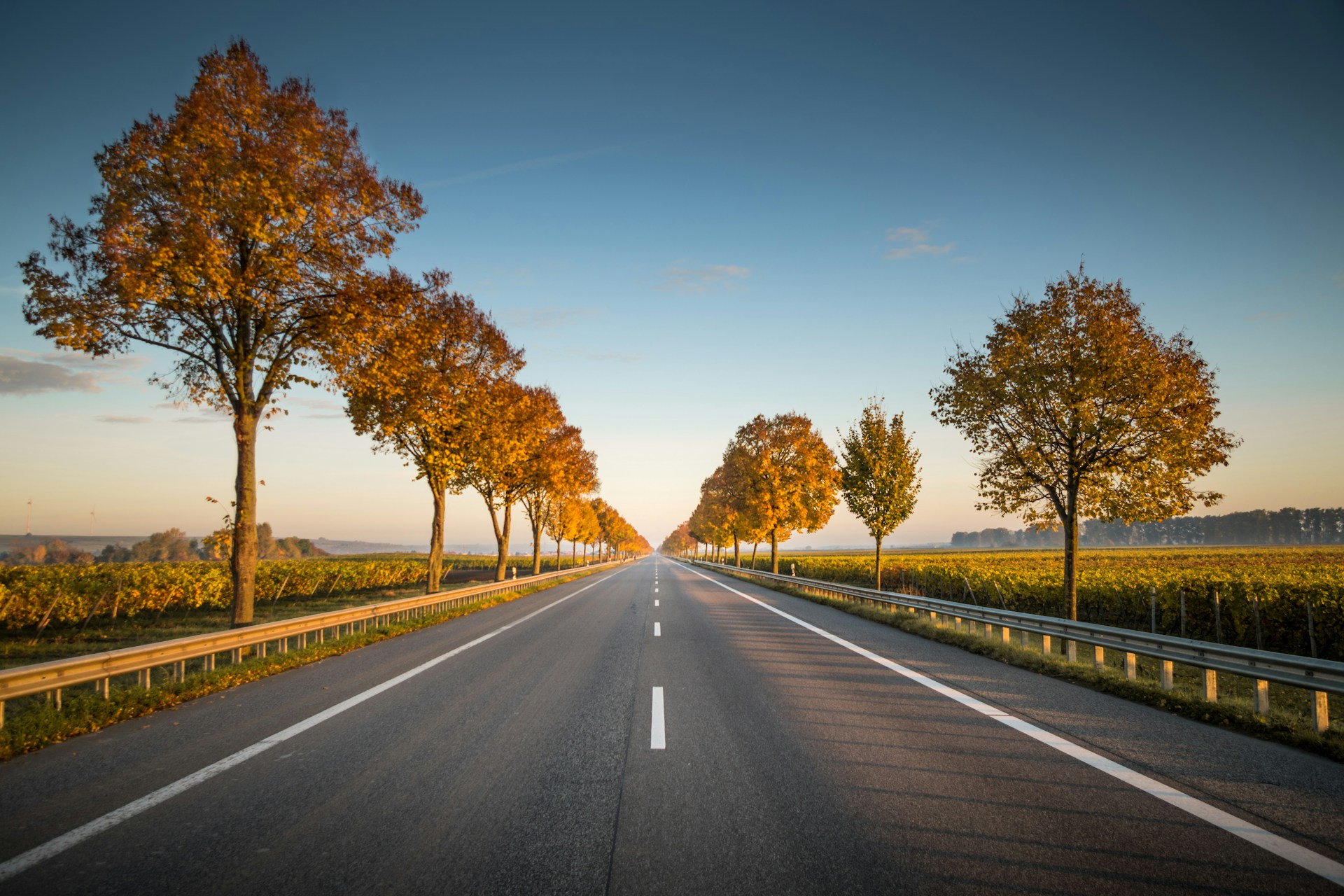
For many people the commute is the most stressful part of the day, two stretches of traffic that bracket the workday with tension. It does not have to be. The drive to work is one of the few times when nothing else can be asked of you, and with a little intention it can become a buffer between home and work rather than a battle with the road. Here are some ways to make the commute calmer. Safety always comes first: keep your eyes on the road and your hands on the wheel, and never attempt anything that divides your attention from driving.
Begin Before You Start the Car
The quality of a commute is often decided in the five minutes before it. Rushing out the door late, coffee in hand, searching for keys, sets a tone the drive rarely recovers from. Try leaving ten minutes earlier than you need to. Sit in the car for one slow breath before turning the key. Set your route, your music or your silence before pulling out so you are not fiddling with the phone at the first light.
Choose Your Sound Deliberately
Many people default to news or talk radio, which keeps the mind busy and often agitated. Consider what you actually want from the drive. A calm playlist, an audiobook, a podcast on a subject you enjoy or simply quiet are all alternatives. Some people choose silence for the first ten minutes to let the morning settle, then add sound. Keep the volume moderate so you can hear the road.
Use the Red Lights
Stoplights are usually experienced as delays. They can be pauses instead. When you stop, let your shoulders drop, loosen your grip on the wheel and take one slow breath. Notice the sky, a tree beside the road, the color of the light. When it turns green, go. Over a commute with a dozen lights, that adds up to a dozen small resets without any cost to your attention when the car is moving.
Driving the same route every day also makes it invisible. Try picking one thing to notice each trip: what is blooming along a particular stretch, how the light falls at this time of year, which houses have put out spring flowers. In Macon in April, there is plenty to see, from azaleas to the last of the dogwoods. Keep your attention on driving; the noticing happens in the margins, the way it does on any drive.
Handle Other Drivers Gently
Someone will cut you off. The frustration is natural, and it passes faster if you do not feed it. One approach is to assume the other driver is having a hard morning and leave it there. Another is to notice the heat of irritation in your body, name it silently and let it fade over the next few seconds. Neither changes the traffic. Both change how you arrive.
Give the Drive a Scent
A small vent clip or a cotton pad with a drop or two of a scent you like, such as citrus or rosemary in the morning and something softer in the evening, can make the car feel like your own space rather than a machine. Keep it very light; strong fragrance in a closed car can be unpleasant and distracting. Never apply essential oils to skin while driving, and never leave bottles in a hot car.
When you park, do not leap out. Turn off the engine and sit for one breath. Ask yourself how you want to walk into the building, or into the house. Then go. A drive that starts and ends with a pause, and holds a few quiet moments in between, is a different thing from the one you used to dread.