Tag: essential oil safety

  • Traveling With Essential Oils and Skincare: Your Questions, Answered

    Traveling With Essential Oils and Skincare: Your Questions, Answered

    Summer trips often come with a small bag of comforts: a favorite face cream, a sunscreen that does not sting, a bottle of lavender oil for the hotel pillow. Getting them there intact, and using them considerately once you arrive, raises a few practical questions. Here are answers to some common ones.

    Can I bring essential oils and skincare in my carry-on?

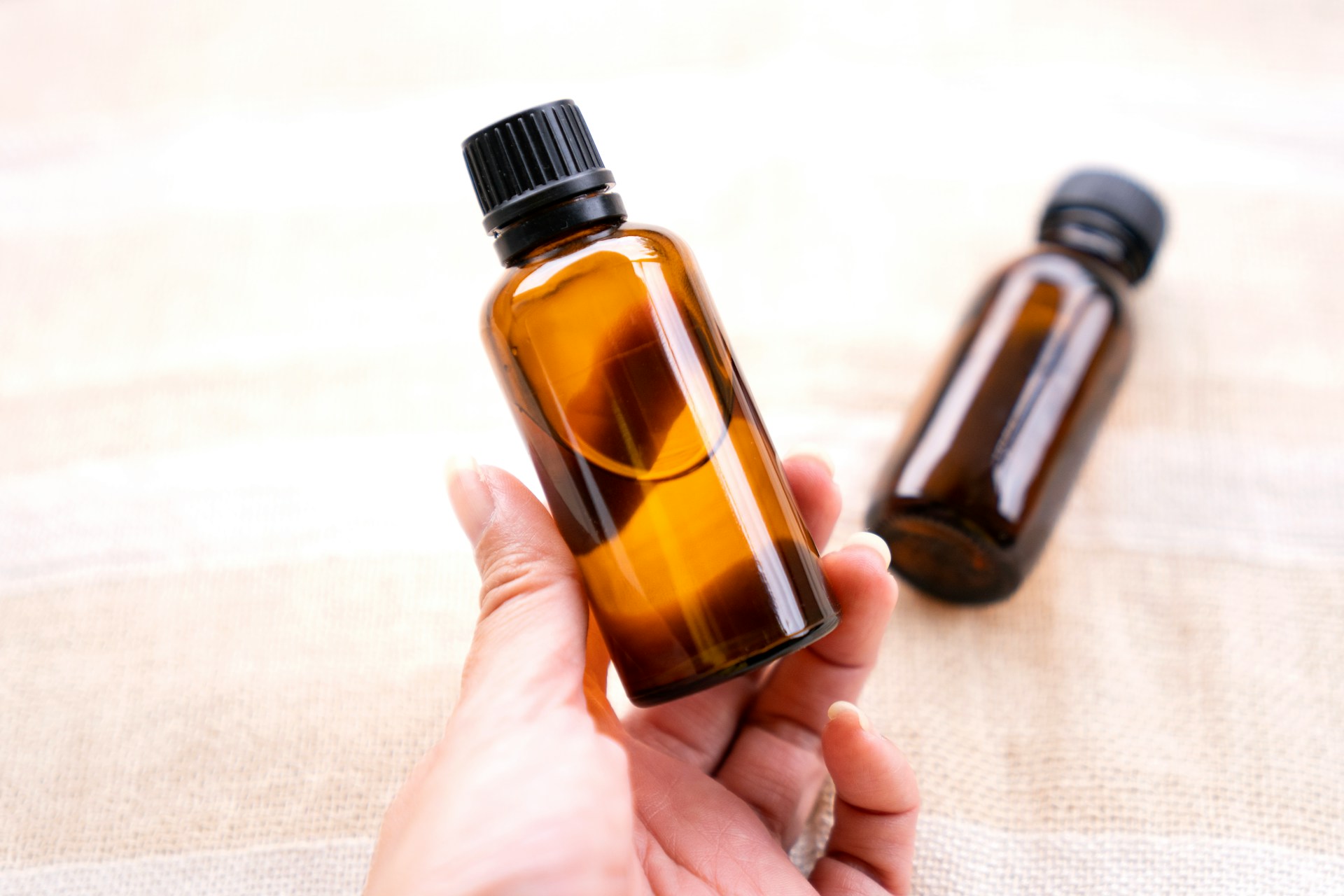
    Generally, yes, within the limits for liquids. Under the Transportation Security Administration’s liquids rule, carry-on liquids, gels, creams and aerosols must be in containers of 3.4 ounces, or 100 milliliters, or less, and all of them must fit in a single quart-size bag. Larger bottles belong in checked luggage. Rules can change and exceptions exist, so check the current guidance at tsa.gov before you pack. If you are flying internationally, check the rules of your airline and destination, too.

    How do I keep bottles from leaking?

    Changes in cabin pressure can push liquid out of loosely closed containers. A few habits help:

    • Fill travel bottles only partway, leaving a little air at the top.
    • Tighten caps firmly, and consider wrapping a strip of tape around each lid.
    • For extra protection, place a small square of plastic wrap over the opening before screwing on the cap.
    • Pack each bottle in its own zip-top bag, so one leak does not spoil everything else.
    • Keep essential oil bottles upright and away from anything they could stain.

    Is it okay to use essential oils on a plane or in a hotel room?

    Think of shared spaces first. On planes, buses and trains, people sit close together, and strong scents can bother neighbors who are sensitive to fragrance. Keep scent personal there: a sachet in your bag, or a small amount of a well-diluted oil you can enjoy without filling the cabin.

    In a hotel or rental, check the property’s policies before running a diffuser, and never burn candles where they are not allowed. A drop of oil on a cotton ball tucked near your pillow is a subtle way to bring a familiar scent to an unfamiliar room. Ventilate the room, and stop if anyone traveling with you finds the scent unpleasant.

    What about the heat?

    Heat is hard on essential oils, fragrances, sunscreen and many medications. A parked car in a Georgia summer can get dangerously hot within minutes, so take these things inside with you rather than leaving them in the glove box. At the beach or pool, keep them in a shaded bag or a cooler. If you travel with medications that need special storage, ask your pharmacist how to carry them.

    Any special precautions for beach and pool days?

    Yes. Several cold-pressed citrus oils, including bergamot, lemon and lime, can make skin more sensitive to sunlight when applied before sun exposure. On beach and pool days, save citrus blends for the evening, apply them only to skin that will stay covered or choose products made without these oils. Reapply sunscreen as the label directs, and pack a gentle moisturizer for after-sun comfort. As always, if you have a health concern, are pregnant or are traveling with young children, talk to your doctor before using essential oils on your trip. A little planning lets your favorite comforts travel as well as you do.

  • From Spice to Citrus: Swapping Your Diffuser Blends as the Weather Warms

    From Spice to Citrus: Swapping Your Diffuser Blends as the Weather Warms

    We change our closets with the seasons, and many of us change our scents, too, without quite noticing. The cinnamon, clove and frankincense that felt so right in December can start to seem heavy once the windows open and the air turns soft and humid. Late spring is a natural time to move the warm, resinous oils to the back of the shelf and bring the bright ones forward.

    Why lighter scents suit the warmer months

    Scent preferences are personal, but many people find that citrus, green herbs and light florals simply feel at home in warm weather. They echo what is happening outside: cut grass, garden herbs, a bowl of lemons on the counter. Heat also makes aromas more noticeable, so blends that seemed subtle in winter can come across as strong in June. Lighter, fresher notes tend to sit more comfortably in a warm room.

    Five easygoing combinations to try

    For an ultrasonic diffuser, start with three to five drops in total, in the amount of water your diffuser’s instructions call for, and adjust from there. Less is usually more.

    • Lemon and spearmint: crisp and familiar, like a glass of iced tea with a sprig on the rim.
    • Grapefruit and rosemary: bright and green, a good match for a kitchen or a home office.
    • Sweet orange and lavender: softer and rounder, pleasant in a living room in the evening.
    • Bergamot and geranium: lightly floral with a citrus edge, gentle enough for a bedroom.
    • Lime and a single drop of basil: green and summery. Basil is assertive, so let the lime lead.

    If you would rather keep it simple, a single citrus oil on its own is one of the easiest warm-weather scents there is.

    Citrus in the air and citrus on the skin

    Several cold-pressed citrus oils, including bergamot, lemon and lime, can make skin more sensitive to sunlight when applied before going outside. That concern is about oils on the skin. Diffusing citrus into the air of a room does not carry the same risk, which makes the diffuser one of the best places to enjoy these oils in summer. If you do use citrus in a body oil or lotion, follow careful dilution guidance and keep it to skin that will stay covered.

    Diffusing thoughtfully in a closed-up house

    Summer in Georgia usually means windows shut and the air conditioner running, so scent lingers longer than it does in spring. A few habits keep things pleasant:

    • Run the diffuser in short sessions of thirty to sixty minutes, then give the room a break.
    • Keep a door open so people and pets can step away if the scent is too much.
    • Be especially cautious around cats, birds and small animals, and ask your veterinarian before diffusing in a home with pets.
    • Talk with your doctor before diffusing around infants or young children, during pregnancy or if anyone in the home has asthma or another breathing concern.
    • Clean the diffuser more often in humid weather, following the manufacturer’s directions.
    • Store oils somewhere cool and dark, never in a hot car or on a sunny windowsill.

    Not every warm-weather scent needs a diffuser at all. A bowl of citrus peels, a jar of fresh mint on the kitchen table or a few sprigs of basil by the sink can freshen a room in a quieter way. Whatever you choose, the aim is the same: a home that smells like the season you are living in.

  • Bergamot: The Citrus Behind Earl Grey and Its Place in Aromatherapy

    Bergamot: The Citrus Behind Earl Grey and Its Place in Aromatherapy

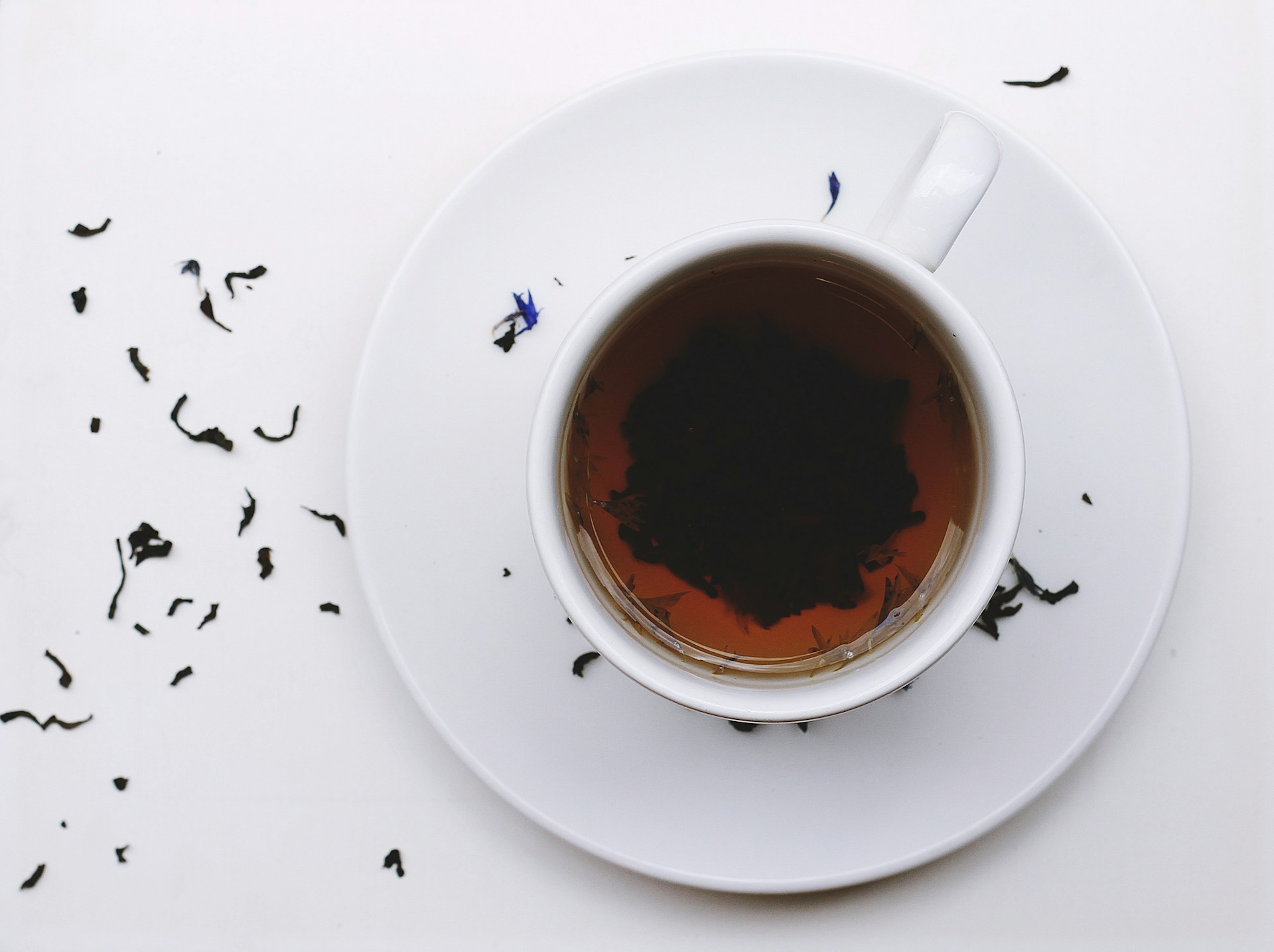
    Bergamot is a citrus most people have tasted without knowing it. The distinctive floral, slightly bitter note in Earl Grey tea is bergamot oil, pressed from the peel of a fruit that looks like a small, knobbly lime and grows almost nowhere in the world except a narrow strip of the Italian coast. Its scent is bright but softer than lemon, with a floral depth that has made it a favorite of perfumers for three centuries.

    A Fruit From Calabria

    The bergamot orange, Citrus bergamia, is thought to be a hybrid of bitter orange and a lemon-like citrus. Nearly all of the world’s commercial crop comes from the province of Reggio Calabria, at the southern tip of Italy, where the particular combination of soil, sea air and climate suits the tree. The fruit itself is too sour and bitter to eat, so it has always been grown for its peel. Oil is expressed from the rind by cold pressing, which gives it a fresh, green quality quite unlike distilled oils.

    Cologne and Tea

    Bergamot’s fame began in the early eighteenth century, when an Italian perfumer working in the German city of Cologne created a light, citrusy fragrance that came to be called eau de Cologne. Bergamot was its signature note, and the style spread across Europe as a refreshing alternative to heavier perfumes. It remains the backbone of countless fragrances today, nearly always as a top note that lifts whatever follows.

    How bergamot came to flavor tea is less certain. Earl Grey tea, a black tea scented with bergamot oil, is named for a nineteenth-century British prime minister, and several stories circulate about how he acquired the recipe. None is well documented. What is clear is that the pairing caught on, and Earl Grey remains one of the best-known flavored teas in the world.

    Bergamot in Aromatherapy

    Bergamot essential oil is popular in diffuser blends and personal fragrances for its uplifting, sunny scent. It pairs well with lavender, geranium, frankincense and other citruses, and it softens sharper herbal oils. A few drops in a morning diffuser blend is a common way to enjoy it. We make no claims about what it does beyond smelling pleasant.

    The Sun Caution

    Bergamot has one well-known safety consideration. Cold-pressed bergamot oil contains compounds called furanocoumarins, including bergapten, that make skin more sensitive to ultraviolet light. Skin treated with undiluted or poorly diluted bergamot oil and then exposed to sun can burn or darken more easily than usual. This is why aromatherapy references consistently advise:

    • Avoid applying bergamot to skin that will be exposed to sunlight or tanning lamps within the following twelve hours or more.
    • Dilute it well in a carrier oil if you use it on skin at all, and patch test first.
    • Look for bergapten-free bergamot, often labeled FCF, if you want to use it in skin products. This version has had the furanocoumarins removed.
    • Diffusing is the simplest way to enjoy the scent without any skin concern.

    Keep bergamot, like all essential oils, away from children and pets, and never swallow it. If you have a skin condition or take medications that affect sun sensitivity, talk with your doctor before using it.

    A cup of Earl Grey on a spring afternoon is the easiest way to enjoy bergamot. A drop or two in a diffuser with lavender makes a bright, calm blend for a morning of work. Some people keep a small bottle of the FCF version to add to an unscented lotion. The scent carries a little of the Calabrian coast with it, sunny and slightly bitter, and it has been making people feel refreshed for a very long time.

  • Tea Tree Oil: History, Everyday Uses and Safe Handling

    Tea Tree Oil: History, Everyday Uses and Safe Handling

    Tea tree oil has a sharp, medicinal, camphor-like scent that most people recognize immediately, and a reputation that has traveled far beyond its native Australia. It appears in shampoos, soaps, foot products and household cleaners, and it is one of the most commonly sold essential oils. Because it is so widely used, it is also one of the most frequently misused. This article covers its history and the sensible handling that keeps it a pleasant part of a routine. We make no claims about what tea tree does; for any skin or health concern, talk with your doctor.

    Where the Name Comes From

    The oil is distilled from the leaves of Melaleuca alternifolia, a small tree native to the swampy coastal regions of New South Wales and Queensland in eastern Australia. It is not related to the tea plant. The name is usually traced to the late eighteenth century, when the crew of Captain James Cook’s expedition brewed the aromatic leaves of melaleuca and related trees as a substitute for tea. Aboriginal Australians, in particular the Bundjalung people of the region where the tree grows, had long-standing traditional uses for the leaves.

    Commercial distillation of the oil began in Australia in the 1920s, and the industry grew through the twentieth century. Today most tea tree oil still comes from plantations in New South Wales.

    Why It Is So Popular

    Tea tree has a clean, assertive scent that many people associate with freshness, which is why it appears in so many products for the bathroom and laundry. People use it in homemade cleaning sprays, in diffusers for a sharp, clearing aroma and in foot soaks, mostly for the smell.

    Safe Handling

    Because tea tree is sold so widely and often marketed as mild, people sometimes treat it carelessly. A few points matter:

    • Never swallow it. Tea tree oil is toxic if ingested, and even small amounts can cause serious harm. Keep bottles tightly capped and well away from children.
    • Keep it away from pets. Cats and dogs are especially sensitive to tea tree oil, whether applied to their fur, diffused heavily in a small room or licked from a surface. Ask your veterinarian before using any essential oil in a home with animals.
    • Dilute before skin contact. Undiluted tea tree is a known cause of allergic contact dermatitis, and the risk rises as the oil ages and oxidizes. Mix a small amount into a carrier oil and patch test on your inner arm first.
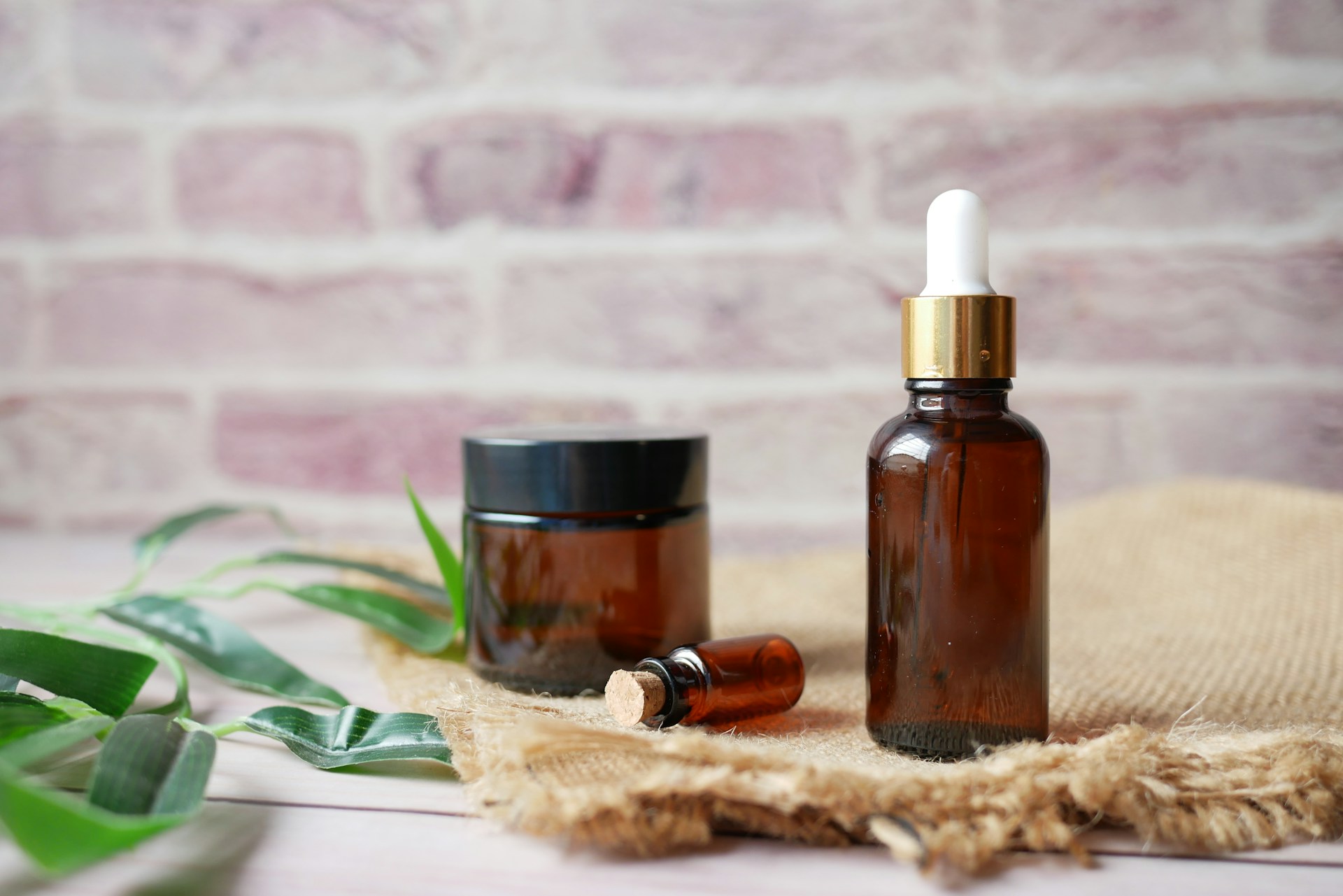
    • Store it well. Keep it in a dark glass bottle, tightly closed, away from heat and light, and replace it if it has been open for more than a year or smells harsher than it used to.
    • Avoid the eyes and other sensitive areas entirely.
    • Talk with your doctor before using it if you are pregnant, nursing or caring for a young child.

    Sensible Everyday Uses

    With those cautions in mind, tea tree can be a pleasant part of a household routine. A few drops in a bucket of water for mopping leaves a fresh scent. Two or three drops in a diffuser with lemon makes a bright, clean-smelling blend for a morning of housework. A drop in a bowl of warm water for a foot soak adds a spa-like aroma. Many commercial shampoos and soaps include it at low, properly formulated levels, which is the simplest way to enjoy the scent on skin or hair.

    A Note on Marketing

    You will see tea tree sold with many promises attached. Be skeptical. An essential oil is a fragrant plant extract, not a medicine, and the strength that makes its scent so recognizable is the same reason it deserves careful handling. Enjoy it for what it is, treat it with respect and keep it on a high shelf.