
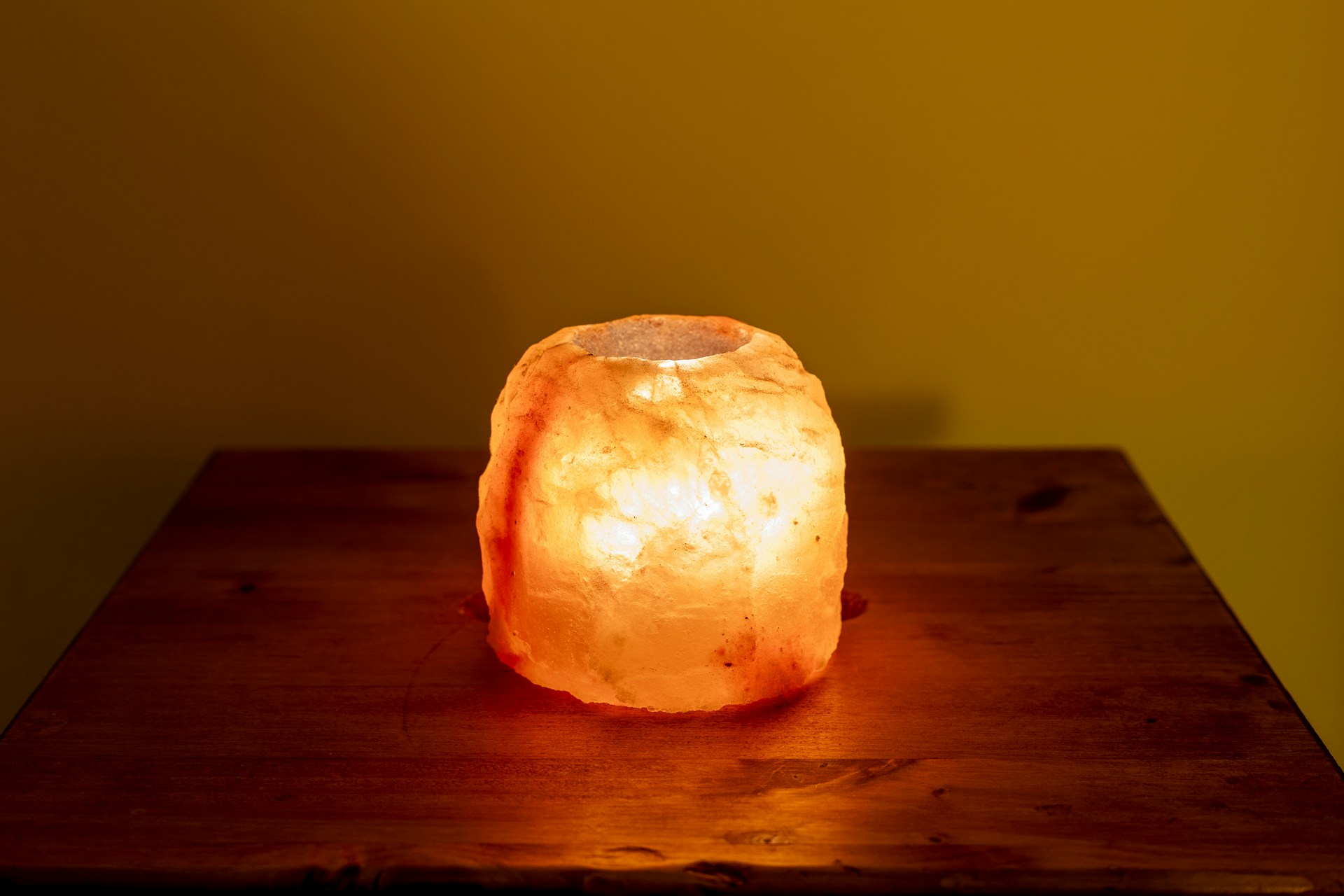
Himalayan salt lamps have become a fixture of bedrooms, yoga studios and gift shops. A rough chunk of pink salt with a bulb inside gives off a warm orange glow that many people find soothing. They are also sold with a long list of promised benefits, most of which do not stand up to scrutiny. Here is an honest look at what a salt lamp is, what it is not, and how to enjoy one for what it genuinely offers.
Where the Salt Comes From
Despite the name, most of the salt in these lamps does not come from the high Himalayas. It is mined in the Khewra region of Punjab, Pakistan, in the foothills, from one of the largest and oldest salt mines in the world. The deposits formed from an ancient sea hundreds of millions of years ago, and the pink and orange color comes from trace minerals, mostly iron, in the salt.
A lamp is simply a block of this salt hollowed out to hold a small bulb, mounted on a wooden base. The bulb warms the salt slightly and lights it from within.
The Claims
Salt lamps are often said to release negative ions, purify the air, improve sleep, ease breathing and lift mood. We will be direct: there is no good evidence for any of these. The amount of ionization produced by a gently warmed block of salt is negligible, far too small to affect the air in a room. Independent testing has not found meaningful air-cleaning effects. If you have concerns about air quality, sleep or breathing, those are questions for your doctor, not for a lamp.
This does not mean salt lamps are a scam. It means they are decor. Many of the things we love in our homes, from candles to wind chimes to a vase of flowers, make no health claims at all and are valued simply for how they make a space feel.
What They Actually Offer
The genuine appeal of a salt lamp is its light. The glow is warm, dim and amber, sitting at the opposite end of the spectrum from the cool blue light of screens. In the evening, replacing bright overhead lighting with low, warm sources is widely suggested as part of a calm wind-down, and a salt lamp is a pleasant way to do that.
The lamps are also simply attractive objects, each one different, with a rough texture that catches light in interesting ways. As a nightlight in a hallway or a soft glow on a bedside table, they do their job well.
Practical Notes
- Salt attracts moisture. In humid Georgia air, a lamp that is switched off for long periods may begin to sweat and leave a puddle or a white crust on the surface beneath it. Running the bulb regularly keeps it dry, and a dish or coaster under the base protects furniture.
- Buy from a reputable seller and look for a safety certification on the cord and dimmer. Some inexpensive lamps have been recalled in the past for electrical hazards.
- Keep lamps out of reach of pets. Cats and dogs may lick the salt, and too much salt is harmful to animals. Ask your veterinarian if you have concerns.
- Use the bulb wattage specified by the maker, and unplug the lamp when you leave for several days.
Enjoying One Honestly
If you own a salt lamp, or want one, there is no reason to feel foolish. Turn it on in the evening, let it be the only light in the room for a while, and enjoy the glow for exactly what it is: a warm, pretty light that makes a bedroom feel softer. That is a real pleasure, and it does not need a list of invented benefits to justify it.