
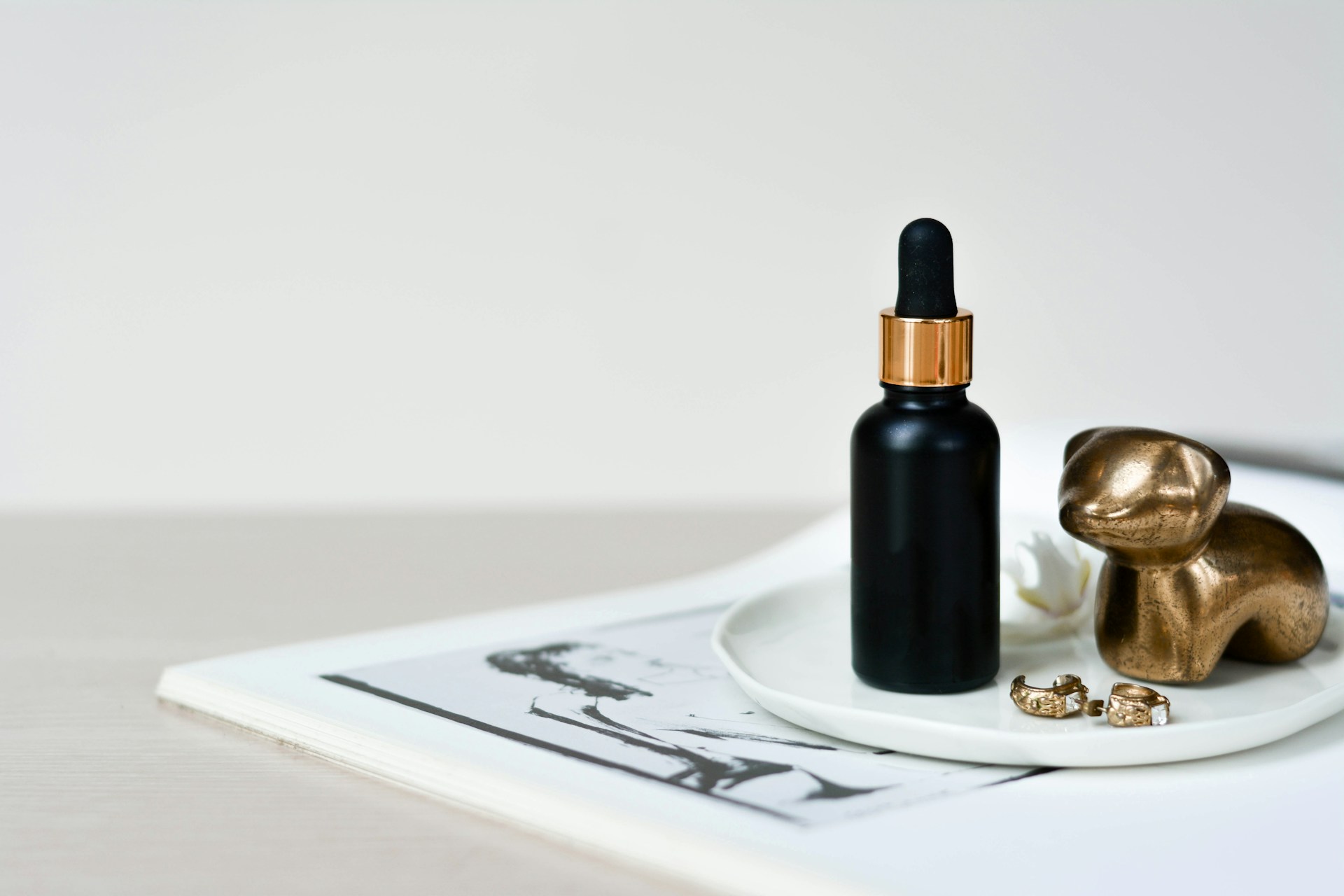
Facial oils have moved from niche to mainstream, and with them a common question: if I use an oil, do I still need a moisturizer? The two products feel similar on the skin and are often marketed in overlapping ways, but they do different jobs. Understanding the difference makes it easier to decide whether you want one, the other or both. This is general skincare information; for a skin condition, see a dermatologist.
What a Moisturizer Does
A typical moisturizer is a blend of water and oil held together by emulsifiers, plus humectants that attract water, emollients that smooth, and occlusives that slow water loss. Because it contains water and water-attracting ingredients, a moisturizer adds hydration to the outer layer of skin as well as sealing it in. That combination is why a lotion or cream feels both refreshing and softening.
What a Facial Oil Does
A facial oil contains no water. It is a blend of plant oils such as jojoba, rosehip, squalane, argan or sunflower, sometimes with a few drops of essential oil for scent. Oils are emollients and light occlusives: they soften the surface and form a thin film that slows evaporation. What they cannot do is add water, because they contain none. An oil applied to dry skin will make it feel smoother but will not hydrate it in the way a humectant-rich moisturizer does.
This is the key distinction. Moisturizers hydrate and seal. Oils seal and soften. Skin that feels tight and dehydrated usually wants water first.
Using Both
Many people enjoy layering, and the order matters. The general rule is thinnest to thickest, and water-based before oil-based:
- Cleanse and pat skin dry, leaving it slightly damp.
- Apply any water-based serum or hydrosol mist.
- Apply moisturizer.
- Finish with two or three drops of facial oil pressed gently over the top.
Some people prefer to mix a drop of oil into their moisturizer in the palm and apply them together, which is quicker and works well. In the morning, sunscreen goes on last, after everything else has settled for a minute or two.
Dry skin often appreciates both: a hydrating moisturizer followed by an oil, especially in winter. Oily skin may prefer a light gel moisturizer alone, though some people with oily skin enjoy a small amount of a lighter oil such as jojoba or squalane. Combination skin might use oil only on the cheeks. As Georgia’s humidity rises in spring, many people find they want less oil than they did in January, and a light moisturizer alone may feel like enough.
Choosing a Facial Oil
Plant oils vary in texture:
- Lighter oils that absorb quickly include jojoba, squalane, grapeseed and rosehip.
- Medium oils include argan, sweet almond and apricot kernel.
- Richer oils include avocado, olive and marula.
Fragrance-free oils are the gentlest choice. If an oil includes essential oils, it should list them, and people with sensitive skin may want to avoid them. Buy small bottles, store them away from heat and light, and discard any oil that smells rancid, like old crayons or stale nuts. Patch test a new oil on your inner arm before using it on your face.
The Pleasure of the Ritual
Beyond the practical details, facial oil is simply pleasant to use. Warming a few drops between your palms, breathing in the scent and pressing it slowly over your face is a thirty-second ritual that invites you to slow down at the end of the day. Pair it with a few minutes of gentle facial massage and it becomes a small nightly ceremony. Whether you use an oil, a moisturizer or both, the right choice is the one that leaves your skin comfortable and your evening a little calmer.