
Facial steaming is one of the oldest and simplest spa rituals, and it needs nothing more than a bowl of hot water and a towel. The warm, damp air feels soothing, softens the surface of the skin and makes the whole routine of cleansing feel more deliberate. Done gently, it is a pleasant addition to a self-care evening. Done carelessly, it can leave skin red and irritated, so a little know-how matters. This is general information; if you have rosacea, very sensitive skin, a skin condition or breathing concerns, ask your dermatologist or doctor before steaming.
What Steam Actually Does
Steam does not open pores, which have no muscles and cannot open or close. What warm, moist air does do is soften the outer layer of skin and loosen the oil and debris sitting on the surface, which can make cleansing feel more thorough. It also brings a flush of warmth to the face, which many people find relaxing. Think of it as a comfort ritual rather than a treatment.
A Simple Method
- Cleanse your face first so you are not steaming makeup into your skin.
- Boil water and pour it into a heatproof bowl set on a stable table. Let it cool for a minute or two; it should be steaming, not boiling.
- Sit comfortably and hold your face eight to twelve inches above the bowl. Closer is not better.
- Drape a towel over your head and the bowl to trap the steam if you like, leaving a gap for fresh air.
- Stay for five minutes or less. If your skin feels hot or uncomfortable, stop.
- Pat your face with a soft towel, then apply moisturizer while skin is still damp.
Once a week is plenty for most people. Daily steaming is more than most skin wants.
Adding Scent
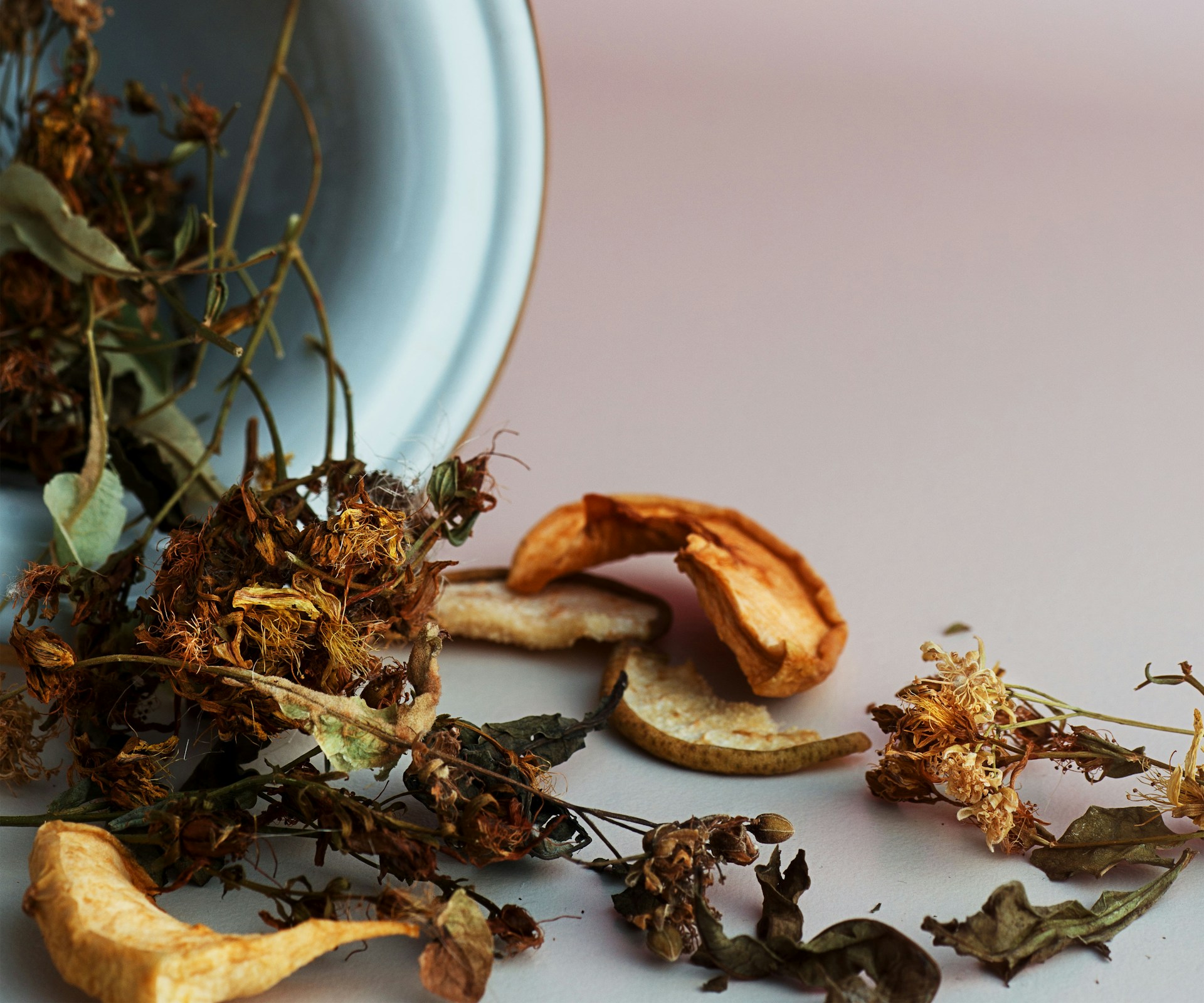
A few fresh herbs in the bowl, such as a sprig of rosemary or a handful of mint, make steaming feel more like a ritual. Dried chamomile flowers or a green tea bag are other gentle options. If you want to use essential oils, be cautious: steam carries scent strongly, and a single drop in a large bowl is enough. Skip oils entirely if you are pregnant, have asthma or are sensitive to scent, and never use essential oils in a steam for young children.
Who Should Skip It
Steaming is not for everyone. People with rosacea or skin that flushes easily often find heat makes redness worse. Those with very dry or eczema-prone skin may feel tighter afterward. Anyone with a sunburn, recent facial procedures or broken skin should wait. If you are unsure, ask a dermatologist or esthetician.
Countertop facial steamers produce a fine, steady mist and are easier to control than a bowl. If you use one, follow the manufacturer’s instructions on distance and duration, use distilled water if the maker recommends it, and clean the unit regularly so it does not grow mildew. Never add essential oils to a steamer unless the instructions say it is designed for them.
Making It a Ritual
Steaming works best as the center of a quiet half hour. Dim the lights, put on soft music and set out your cleanser, towel and moisturizer before you start. Breathe slowly while you sit over the bowl; the warm air invites long, easy breaths. When you finish, take your time with the rest of your routine. The point is less about your skin than about the pause itself, which is a rare and welcome thing in a busy week.