Tag: fragrance

  • Why Perfume Smells Stronger in Summer: Heat, Humidity and Fragrance

    Why Perfume Smells Stronger in Summer: Heat, Humidity and Fragrance

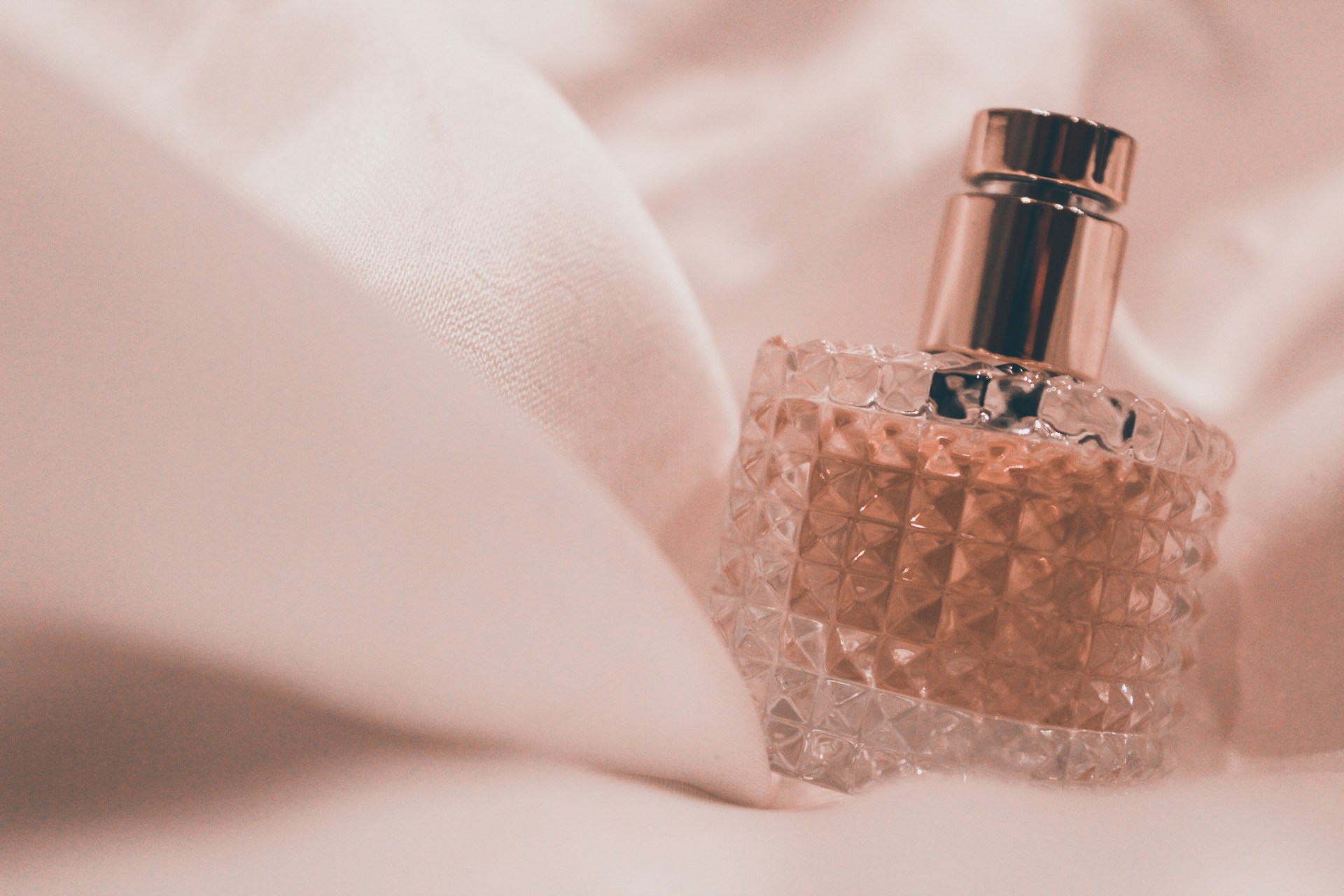
    Many people notice it without quite knowing why. The perfume that felt soft and pleasant in winter seems twice as strong on a July afternoon. A candle that barely registered in December fills the whole house in June. Heat and humidity change the way fragrance behaves, and knowing a little about why can help you enjoy scent more comfortably all summer.

    Heat speeds everything up

    Fragrance reaches your nose when scent molecules evaporate into the air. Warmth makes that evaporation happen faster. On a hot day, and on skin that is already warm, a perfume releases more of its molecules more quickly, so it projects further and seems louder. The same speed means it also fades sooner. The light, fresh top notes, often citrus and herbs, can flash off within minutes, leaving the heavier heart and base notes to carry the scent.

    Humidity adds its own effect. Many people find that scents seem to hang in moist, still air and linger around them rather than drifting away. Combine heat, humidity and a crowded room, and a fragrance that is perfectly pleasant at arm’s length can become overwhelming.

    Wearing fragrance in the heat

    • Use less. One spray instead of three is often plenty in summer.
    • Choose lighter concentrations. From strongest to lightest, the common categories are parfum, eau de parfum, eau de toilette and eau de cologne. The lighter versions suit hot weather.
    • Apply to clean skin after a shower, when skin is cooler, rather than in the middle of a hot afternoon.
    • Skip rubbing your wrists together after spraying. Many perfumers suggest letting fragrance dry on its own.
    • Consider lighter families, such as citrus, green, aquatic and soft floral scents, though personal preference always wins.

    Some fragrances contain citrus oils that can make skin more sensitive to sunlight. If you will be outside for a long time, spraying fragrance on clothing rather than sun-exposed skin is a simple precaution, though test a hidden spot first, since some perfumes can mark delicate fabric.

    Be kind to the people near you

    Summer gathers people indoors in close quarters: restaurants, offices, churches, cars. Heat amplifies scent in all of those places, and some people are sensitive to strong fragrances. A light hand is a courtesy. A good rule is that your fragrance should be noticed by someone who leans in close, not by someone across the room.

    Storing scent through a Georgia summer

    Heat and light are hard on fragrance. They can break down the delicate molecules in a perfume, dulling its top notes or changing its character over time. The same is true of essential oils.

    • Keep perfumes and oils in a cool, dark place, such as a bedroom drawer or a closet shelf.
    • Avoid sunny windowsills and steamy bathrooms.
    • Never leave fragrance, essential oils or candles in a hot car, where temperatures climb quickly.
    • Close caps tightly to limit exposure to air.

    With a lighter touch and a cooler shelf, your favorite scents can stay pleasant all season, and so can the people who share the room with you.

  • Planting a Moon Garden: White Blooms and Evening Fragrance for Summer Nights

    Planting a Moon Garden: White Blooms and Evening Fragrance for Summer Nights

    In the heat of a Georgia summer, many of us see our gardens best after dark. The day’s work is done, the air has softened and the porch is finally pleasant. A moon garden is designed for exactly those hours: a planting of white and pale flowers, silvery leaves and blooms that release their fragrance in the evening, so the garden seems to glow and perfume the air just when you are ready to enjoy it.

    Why white flowers glow at dusk

    As light fades, our eyes change how they see. In bright light, color vision dominates. In dim light, the eye relies more on cells that are most sensitive to blue-green light and do not distinguish color well. Reds and deep purples are among the first colors to turn gray at dusk, while whites, pale yellows and silvers stay visible much longer. This shift is called the Purkinje effect, after the nineteenth-century Czech scientist who described it. It is why a white blossom can seem to float in the twilight.

    One of the most famous examples of the idea is the White Garden at Sissinghurst Castle in England, planted in the mid-twentieth century by the writer Vita Sackville-West. You need only a few pots or a border by the porch to borrow its magic.

    Plants that suit a Southern summer night

    • Moonflower: a fast-growing vine whose large white flowers unfurl at dusk, often quickly enough to watch, and give off a sweet scent.
    • Four o’clocks: old-fashioned, heat-tolerant plants that open in late afternoon. White and pale varieties are lovely, and many are fragrant.
    • Flowering tobacco: tall, tubular blooms that are especially fragrant in the evening.
    • Gardenia: a Southern classic with creamy white flowers and a heavy evening scent in late spring and early summer.
    • White vinca, white zinnias and white salvias: heat lovers that bloom all summer and catch the last light.
    • Silver foliage: dusty miller and other silvery plants reflect light and frame the flowers.

    Many night-scented flowers are pollinated by moths, including large hawk moths that hover like hummingbirds. If you sit quietly at dusk, you may see one at work.

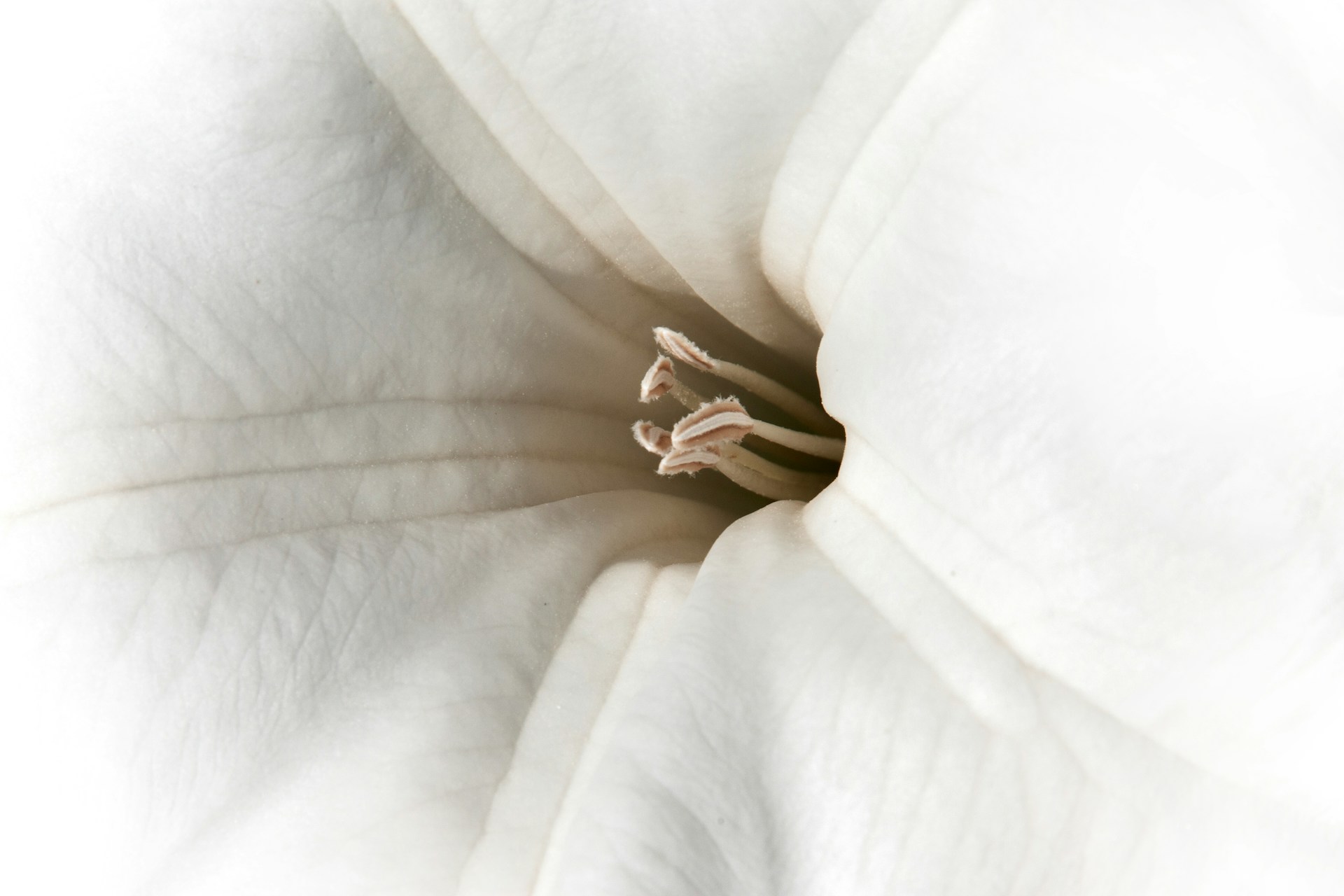
    A note of caution: some popular night bloomers, including datura and angel’s trumpet, are toxic, and many garden plants should never be eaten. If you have children or pets, check each plant before you buy it. The ASPCA keeps a list of plants that are toxic to animals, and your county extension office can help with local questions.

    Placing it where you will use it

    Put your moon garden where you actually spend evenings: beside the porch steps, around the patio or under a bedroom window that is open on cooler nights. A pale gravel path or light-colored pots add to the glow. Go easy on bright outdoor lights. A few low, warm lights, or none at all, will let the flowers, the moon and any fireflies do the work.

    Enjoying it slowly

    Once it is planted, the moon garden asks only that you visit. Step outside after supper with a glass of something cold. Watch the colors drain from the yard until only the white remains. Notice which scent arrives first. It is a gentle way to end a hot day, and a reminder that some of summer’s best moments only begin when the sun goes down.

  • Rose Geranium and Its Scented Cousins: The Story of a Victorian Windowsill Favorite

    Scented geraniums are easy to walk past. Their flowers are small and modest, and from a distance the plants look like ordinary greenery in a pot. The magic is in the leaves. Rub one gently between your fingers and it releases a scent of rose, lemon, mint, apple or spice, depending on the variety. For centuries now, gardeners have kept them close for exactly that reason.

    Not quite geraniums

    The plants we call geraniums on porches and windowsills belong to the genus Pelargonium, not to the true geraniums, the hardy cranesbills of the genus Geranium. The two were grouped together in early botanical works and the common name stuck. Most pelargoniums come from southern Africa, and European botanists and traders brought them back from the Cape region in the 1600s.

    The scented-leaf types became especially popular in Victorian England, where they were grown in pots in parlors and on sunny sills. A story often told holds that they were placed where long skirts would brush the leaves as people passed, releasing a puff of fragrance. Whether or not that was common practice, it captures the appeal: a plant that gives off its scent when touched.

    A whole family of scents

    Rose geranium is the best known, with a sweet, rosy, slightly minty fragrance. There is also a lemon-scented type with small, crinkled leaves, a peppermint-scented one with soft, velvety leaves and many others with notes of citrus, nutmeg or fruit. The potted citronella plant sold in garden centers each spring is usually a lemon-scented pelargonium as well.

    Bakers have long used a leaf or two of rose geranium to perfume a jar of sugar or line the bottom of a cake pan. If you are curious about trying that, be sure you know exactly which plant you have, and stick to varieties known for culinary use.

    From windowsill to perfume bottle

    In the 1800s, perfumers in France began distilling geranium leaves for their rose-like note, which offered some of rose’s character at a fraction of the cost. Production later spread to North Africa and to the island of Réunion in the Indian Ocean, once known as Île Bourbon, which is why you may still see the name Bourbon geranium. Today much of the world’s geranium oil comes from Egypt and China.

    Geranium essential oil is a common ingredient in floral blends. As with any essential oil, dilute it well before it touches skin, try a small patch first and stop if you notice irritation. Keep oils away from children and pets, and talk with your doctor before using them during pregnancy or if you have a health concern.

    Growing them through a Georgia summer

    • Plant in a pot with fast-draining soil. Scented geraniums dislike soggy roots.
    • Give them morning sun and some afternoon shade once the summer heat arrives.
    • Water when the top inch of soil feels dry rather than on a fixed schedule.
    • Pinch the growing tips now and then to keep the plant bushy.
    • Bring pots indoors to a bright window before the first frost, since they are tender to cold.

    Set one by the back steps or the porch chair where you will brush past it every day. It is a small daily pleasure: a touch, a scent and a moment’s pause on the way in and out.

  • Honeysuckle: The Lore and History of a Late-Spring Southern Scent

    Honeysuckle: The Lore and History of a Late-Spring Southern Scent

    On a warm May evening in Middle Georgia, you often smell honeysuckle before you see it. The scent drifts off fencerows, ditch banks and the edges of the woods, sweet and a little spicy, strongest just as the light starts to fade. For many Southerners it carries a whole childhood with it: bare feet, screen doors and the trick of drawing a single drop of nectar from the base of a blossom.

    Two honeysuckles, one name

    The honeysuckle most of us smell along Georgia roadsides is Japanese honeysuckle, Lonicera japonica. Its flowers open white and fade to yellow, so a single vine often carries both colors at once. It was brought to North America from East Asia in the early 1800s as an ornamental, and it liked its new home a little too well. Today it is considered invasive across much of the Southeast because it climbs over and smothers native plants.

    Georgia also has a native honeysuckle, the coral or trumpet honeysuckle, Lonicera sempervirens. Its slender tubular flowers are red to coral on the outside and yellow within, and they have little scent. What they do have is hummingbirds, which visit the blooms through spring and summer. If you want to plant a honeysuckle, this is the one most native-plant gardeners recommend, and your county office of the University of Georgia Cooperative Extension can help with local advice.

    A botanist, a nickname and an old English word

    The genus name Lonicera honors Adam Lonicer, a sixteenth-century German botanist and physician. The common name is more straightforward: it comes from the old habit of sucking the sweet nectar from the flowers. In England the native honeysuckle has long gone by another name, woodbine, and it appears in Shakespeare’s A Midsummer Night’s Dream, where woodbine canopies the bank where the fairy queen sleeps.

    In the Victorian language of flowers, honeysuckle was often associated with devotion and the bonds of affection, a fitting meaning for a vine that holds on so tightly to whatever it climbs.

    Why the scent is strongest at dusk

    Many people notice that honeysuckle smells strongest in the evening. That timing is no accident. Moths are among the flowers’ pollinators, and the long, narrow blossoms and evening fragrance suit night-flying visitors well. Step outside after supper and you are smelling the plant at its most generous.

    That same scent is surprisingly hard to capture. True honeysuckle extracts are rare, and most honeysuckle candles, lotions and perfumes are recreations built by perfumers from other materials. They can be lovely, but the real thing is only available outdoors, for a few weeks, on the vine.

    Enjoying honeysuckle gently

    • Take an unhurried dusk walk along a fence line or woodland edge and let the scent find you.
    • Show a child the nectar trick: pinch off the green base of a fresh flower, draw the thread-like style slowly through and taste the single bright drop.
    • Cut a few sprigs for a small jar on the porch table, where the fragrance will carry into the evening.
    • Leave the berries alone. The berries of many honeysuckles are not considered edible, so teach children to enjoy the flowers and skip the fruit.

    If you are sensitive to pollen or strong floral scents, enjoy honeysuckle from a little distance, and talk to your doctor about any reactions that concern you. For everyone else, it is one of late spring’s free gifts: a reason to slow down, stand still at the edge of the yard and breathe in the end of the day.

  • Gardenia: The Creamy White Bloom That Perfumes a Southern May

    Gardenia: The Creamy White Bloom That Perfumes a Southern May

    There is a week or two in May when whole neighborhoods in Middle Georgia smell of gardenia. The scent is heavy, sweet and unmistakable, drifting over fences at dusk and following you down the sidewalk. For many Southerners it is the smell of early summer itself, tied to porches, weddings and grandmothers’ yards.

    A flower from far away with a Carolina name

    The gardenia most of us grow, Gardenia jasminoides, is native to China and other parts of East Asia, where it has been cultivated for centuries. Its common name, Cape jasmine, is a double misdirection: it is neither a jasmine nor from the Cape of Good Hope, though it was once thought to have come from there.

    The genus name honors Alexander Garden, a Scottish-born physician and naturalist who lived in Charleston, South Carolina, in the 1700s and corresponded with the leading botanists of his day. The plant arrived in the American South not long after, found the climate much to its liking and became a fixture of the region’s gardens.

    Why gardenia is so hard to bottle

    Unlike lavender or rose, gardenia gives up almost no essential oil through steam distillation, and what little can be extracted by other means is scarce and costly. Most “gardenia” scents in perfumes, candles and lotions are recreated by perfumers from other materials. Nothing wrong with that, but it explains why the real flower is such an experience: you can only have it in the garden, in a vase, or tucked behind an ear.

    If you see “gardenia essential oil” sold cheaply, it is almost certainly a fragrance blend. Treat it as a scented product, not a pure plant oil.

    Growing one in Georgia

    Gardenias are evergreen shrubs with glossy dark leaves, and they thrive in the Southeast when their basic needs are met:

    • Acidic, well-drained soil rich in organic matter
    • Morning sun with some afternoon shade in the hottest months
    • Steady moisture, especially while buds are forming
    • Protection from drying winter winds

    Yellowing leaves and dropped buds are common complaints, often tied to soil or watering. Your county extension office is a good source of local growing advice.

    Enjoying the bloom

    The fragrance is strongest in the evening and early morning, so those are the times to sit near the shrub. A single blossom floated in a bowl of water will scent a room for a day; two will scent a hallway. The petals bruise easily and turn brown where they are touched, so handle them by the stem.

    Because the scent is so rich, some people find it overwhelming indoors. Keep blooms in a room with a window open, and give yourself the option of moving them. A fragrance this strong is best met on your own terms.

    Gardenia season is brief, which is part of its charm. For a couple of weeks each May, the whole South smells like a celebration. Step outside at dusk and breathe it in while it lasts.

  • Scent Families Explained: Floral, Woody, Herbal, Citrus and Spice

    Scent Families Explained: Floral, Woody, Herbal, Citrus and Spice

    Walk into any shop that sells perfume, candles or essential oils and you will hear the same vocabulary: floral, woody, fresh, herbal, citrus. These are scent families, a way of sorting fragrances by their dominant character. Learning them is a little like learning the basic flavors in cooking. It helps you describe what you like, find new scents you are likely to enjoy and build simple blends that make sense together.

    Where the Families Come From

    Perfumers have grouped scents for centuries, but the modern system most people encounter grew out of the fragrance wheel developed by the perfume writer Michael Edwards in the 1980s. His wheel arranges families in a circle so that neighbors share something in common and opposites contrast. Aromatherapy borrows the same general idea, though the names shift a little from one reference to another. The families below are a practical blend of both worlds.

    The Main Families

    • Floral: rose, jasmine, geranium, ylang-ylang, neroli, lavender. Soft, sweet, sometimes powdery. The largest family and the heart of most perfumes.
    • Citrus: lemon, sweet orange, grapefruit, bergamot, lime. Bright, clean and fleeting. Citrus notes evaporate quickly, which is why they are often the first thing you smell and the first to fade.
    • Herbal: rosemary, basil, clary sage, thyme, marjoram. Green, fresh and a little sharp, like a kitchen garden after rain.
    • Woody: sandalwood, cedarwood, vetiver, pine, cypress. Warm, dry and grounding. Woods linger for hours and anchor a blend.
    • Spice: cinnamon, clove, ginger, cardamom, black pepper. Warm and lively. A little goes a long way, and several spice oils need careful dilution on skin.
    • Resinous: frankincense, myrrh, benzoin. Deep, smoky, slightly sweet, with ancient associations with incense.
    • Minty and camphorous: peppermint, eucalyptus, tea tree. Cool, penetrating and bracing. Often grouped with herbals but distinctive enough to stand alone.
    • Earthy: patchouli, oakmoss, vetiver. Rich and damp, like a forest floor.

    Top, Middle and Base

    Families also connect to how quickly a scent fades. Perfumers speak of top notes, which you smell first and which disappear within minutes to an hour; middle or heart notes, which carry the scent for a few hours; and base notes, which linger longest. Citrus and mint are typical top notes, florals and herbs tend to sit in the middle, and woods, resins and earthy scents form the base. A pleasing blend usually has something from each layer.

    Finding Your Preferences

    Most people lean toward one or two families without realizing it. To find yours, smell a few oils or candles from each family, one at a time, with a pause and a sniff of coffee beans or fresh air in between to clear your nose. Notice your immediate reaction rather than thinking about it. Write down the ones that make you smile.

    Preferences shift with season and mood. Many people reach for citrus and herbal scents in spring and summer, and for woods, resins and spices in cooler months. There is no right answer, and a scent that others love may do nothing for you. That is normal.

    Blending Across Families

    Scents from the same family almost always blend smoothly: lavender and geranium, lemon and grapefruit, cedar and pine. Neighboring families also pair well, such as citrus with herbal or floral with woody. Opposites can be interesting in small amounts; a drop of spice in a citrus blend adds warmth, and a touch of mint lifts a heavy wood. Start with two or three oils in a diffuser, use fewer drops of the strongest one and adjust from there.

    Knowing the families turns scent from a guessing game into a small, pleasant craft. It also makes it easier to tell a practitioner or shop assistant what you enjoy, so that the scents around you are ones you actually chose.

  • Jasmine: The Night-Blooming Flower With a Long Fragrant History

    Jasmine: The Night-Blooming Flower With a Long Fragrant History

    Jasmine is one of the most prized fragrances in the world, and one of the most expensive. Its small white flowers release a heady, sweet, slightly musky scent that intensifies after dark, which is why jasmine has been planted beside doorways and windows for thousands of years. The name itself comes from the Persian yasmin, and the flower has been treated as a gift across many cultures.

    A Flower That Traveled

    Jasmine belongs to the olive family and is native to warm regions of Asia and beyond. It spread along trade routes to Persia, the Arab world and eventually Europe, where it was a favorite of Renaissance gardens. Today, the varieties most used in perfumery are grown in India, Egypt, Morocco and the south of France, where the town of Grasse built much of its reputation as a perfume capital on fields of jasmine and roses.

    In the Philippines, a jasmine species known as sampaguita is the national flower, strung into garlands offered at churches and given to guests. In India, jasmine garlands are woven into hair, hung at weddings and sold in fragrant heaps at every market. In China, jasmine flowers are layered with green tea leaves to make jasmine tea, one of the most popular scented teas in the world.

    Picked by Night

    Jasmine flowers are harvested by hand, often before dawn, because the scent is at its strongest in the early morning hours. Picking is slow and labor-intensive. It takes an enormous number of blossoms to produce a small amount of fragrance material, which is why pure jasmine is among the costliest ingredients in perfumery.

    Unlike lavender or rosemary, jasmine is not steam distilled. The delicate blossoms do not survive heat well, so the fragrance is drawn out with solvents to produce a thick, dark liquid called an absolute. Historically, jasmine was also captured through enfleurage, a painstaking method of pressing flowers into layers of fat until the fat absorbed their scent.

    Jasmine in Aromatherapy

    Jasmine absolute has a rich, warm, floral scent that many people find comforting and a little luxurious. It appears in evening blends, often paired with sandalwood, bergamot or rose, and in body oils and perfumes. Because true jasmine is expensive, much of what is sold as jasmine oil is either diluted in a carrier oil or a synthetic fragrance. Read labels carefully: a very low price almost always means a fragrance oil rather than an absolute.

    A few sensible habits:

    • A tiny amount goes a long way. One drop in a diffuser blend is often plenty.
    • Dilute well before any skin contact and patch test first.
    • Many aromatherapy references suggest avoiding jasmine during pregnancy; talk with your doctor if that applies to you.
    • Jasmine is enjoyed for its scent. We make no claims about it beyond that.

    Growing Jasmine in Georgia

    Several jasmines grow happily in Middle Georgia. Common jasmine climbs fences and arbors and blooms in late spring and early summer. Star jasmine, known locally as Confederate jasmine, is technically a different plant with a similar scent, and by May you will find it covering mailboxes and porch railings all over town. Plant one near a porch or bedroom window, and warm evenings will carry the fragrance inside.

    Few experiences are simpler or more pleasurable than sitting outside on a spring night as the jasmine opens. It costs nothing, needs no equipment and reminds you why this flower has been treasured for so long.