
Tag: habits

  • Reading for Rest: How to Build a Summer Reading Habit You Look Forward To

    Reading for Rest: How to Build a Summer Reading Habit You Look Forward To

    For many of us, summer reading brings back memories of library reading charts and required book lists. As adults, we get to keep the best part of that tradition and drop the rest. A summer reading habit built purely for pleasure can become one of the most dependable forms of rest you have: quiet, absorbing and available almost anywhere.

    Why reading can feel so restful

    Reading a good book asks for a particular kind of attention. You follow a single thread, at your own pace, without notifications or autoplay pulling you somewhere else. Many people describe getting lost in a story as one of the few times their minds feel genuinely quiet. It is a different kind of rest from scrolling, which tends to scatter attention in many directions at once.

    Choose books for pleasure

    The most important rule of summer reading is that it should be enjoyable. Set aside the books you feel you ought to read and pick the ones you want to read. That might be a mystery series, a sweeping historical novel, a memoir, poetry, a gardening book or a stack of cookbooks you read like novels. Rereading an old favorite counts, too. There is real comfort in returning to a story you already love.

    If a book is not holding you after fifty pages or so, it is fine to set it down. Life is long, but summer evenings are short.

    Make reading easy to reach

    • Keep a book where you rest. One by the porch chair, one on the nightstand, one in the beach bag or the car.
    • Use your local library. Public libraries lend books, e-books and audiobooks free with a library card, and many run summer reading programs for adults as well as children.
    • Try audiobooks for walks, long drives and chores, when your hands are busy but your mind is free.
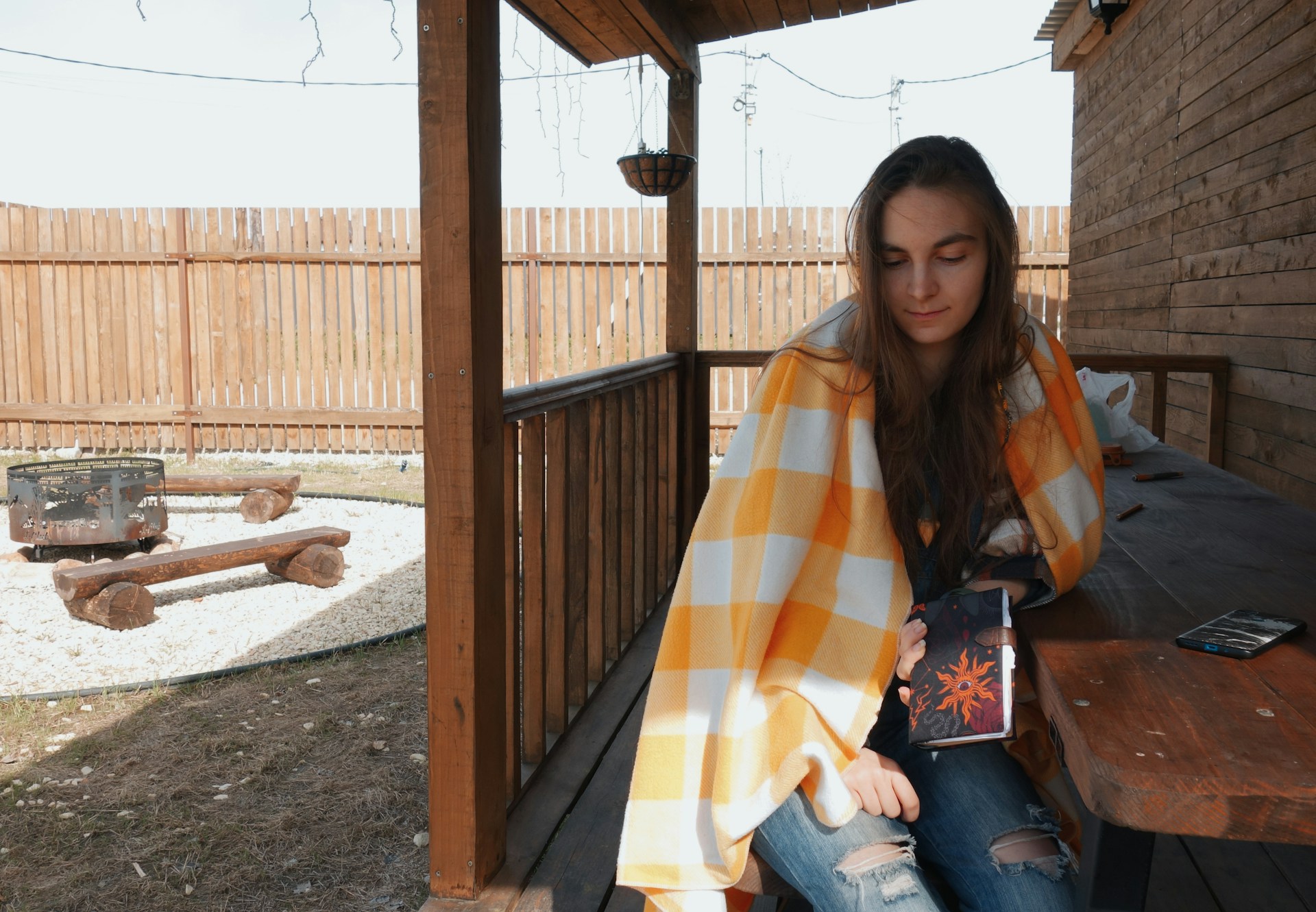
    • Find your reading spot. A shady corner of the porch, a hammock or an armchair by a window. Outdoors, choose shade, since bright sun on a white page can tire the eyes.

    Give it a time of day

    Habits stick best when they are tied to a regular moment. For some people, that is twenty minutes with coffee before the house wakes up. For others, it is the hottest part of the afternoon, when going outside is out of the question anyway. Many people like reading as part of their bedtime routine, in place of a screen. A paper book, or an e-reader without a bright backlight, is gentler for that last stretch of the evening.

    A family reading hour can work beautifully in summer, too: everyone in the same room, each with a different book, the only sound pages turning.

    Let it be slow

    There is no reading goal to meet and no prize for finishing the most books. Read slowly. Reread a sentence you love. Put the book on your chest and look at the sky for a while. Summer reading is not about productivity. It is about giving yourself a few hours in another world and coming back a little more rested than you left.

  • Early Birds in the Heat: Moving Your Routine Toward the Cool of the Morning

    Early Birds in the Heat: Moving Your Routine Toward the Cool of the Morning

    Every Georgia summer teaches the same lesson: the morning is the good part. By May the afternoons are already warm enough to make a walk feel like work, while the hour after sunrise is soft, cool and quiet. Shifting a few pieces of your routine toward that hour is one of the simplest ways to enjoy the season rather than endure it.

    What the early hours offer

    Between first light and about nine in the morning, the air is at its coolest, the humidity feels less oppressive and the light is gentle. Birds are loud, streets are empty and the garden is still damp. People who make a habit of being outside then often say it is the calmest part of their whole day.

    The sun is also lower, which means less intense exposure for skin and eyes than you would get at noon. That does not replace sunscreen and a hat, but it does make the outdoors more comfortable.

    Move the things that suffer in the heat

    Not everything belongs in the morning, but a few things clearly do:

    • Walks, runs and bike rides
    • Watering, weeding and other garden work
    • Errands that involve parking lots and hot cars
    • Outdoor play with children or dogs
    • A quiet cup of coffee on the porch before the day gets loud

    Pushing these earlier leaves the hottest hours for indoor tasks, rest or anything with air conditioning.

    Shift gradually and guard your sleep

    The mistake most people make is setting the alarm an hour earlier overnight and then feeling wrecked by Thursday. Move your wake time in small steps of fifteen or twenty minutes over a week or two, and move bedtime to match. An earlier morning only works if it is paired with an earlier night.

    Evening light helps here. Dimming lamps and screens after dinner, and keeping the bedroom cool and dark, makes it easier to fall asleep while the sky is still bright. If you find you cannot fall asleep earlier no matter what you try, or you wake exhausted every day, talk to your doctor rather than forcing it.

    Make the morning worth getting up for

    You will not keep this habit on discipline alone. Give the early hour something pleasant. A favorite route that passes a creek or a flowering yard. A thermos of coffee carried to a park bench. A friend who meets you at the same corner twice a week. The point is to let the morning become a reward rather than a duty.

    Accept that the afternoon will be slower

    When you front-load the day, the hot afternoon can be what it wants to be: slower. A rest after lunch, an indoor project, a nap on the weekend. Hot climates around the world have organized their days this way for centuries, and there is wisdom in it.

    By the time full summer arrives, you will have a rhythm that works with the weather instead of against it, and you will know the particular pleasure of having already enjoyed the best part of the day before most people are awake.

  • Drinking Enough Water as the Heat Arrives: Pacing Habits for Hot Georgia Days

    Drinking Enough Water as the Heat Arrives: Pacing Habits for Hot Georgia Days

    There is a moment every May in Middle Georgia when the air changes. The mornings are still pleasant, but by early afternoon the heat has weight to it, and you notice you are thirstier than you were a week ago. This is a good time to rebuild your water habits before the real summer arrives.

    Sip steadily rather than catching up

    The most common pattern on a hot day is to drink very little while busy, then gulp a large amount in the evening. Steady sipping tends to feel more comfortable. A glass when you wake, another with each meal and a few sips every time you step inside from the heat adds up without ever feeling like a chore.

    Thirst is a reasonable guide, but it often lags behind the day. In warm weather it helps to drink a little before you feel the need, especially if you are outside or active.

    Make water easy to reach

    Most of the battle is logistics. If the water is in front of you, you will drink it.

    • Keep a bottle in the car, on your desk and by the bed, and refill it at set points in the day
    • Choose a bottle you enjoy using, whether that is insulated steel that keeps water cold or a light one you will carry on walks
    • Put a pitcher in the refrigerator so cold water is always ready
    • Add a few slices of cucumber, lemon or a sprig of mint if plain water bores you

    Pair water with the rhythms of your day

    Habits stick best when they ride on something you already do. Drink a glass while the coffee brews. Finish your bottle before lunch and refill it. Take a few sips at every stoplight on the drive home. Have a glass while you water the garden in the evening. None of these are dramatic, but by the end of the day they add up.

    Food helps too. Watermelon, cucumbers, oranges, tomatoes and lettuce all carry water, and a summer plate full of them is part of staying comfortable.

    What about coffee, tea and sports drinks?

    Coffee and tea count toward your fluids more than people assume, though water is still the simplest choice. Sports drinks are designed for long, sweaty exertion and often carry a good deal of sugar; for an ordinary day at the office or a short walk, water does the job.

    Everyone’s needs are different. If you have a health condition, take medication that affects fluids or have been told to limit what you drink, talk to your doctor about what is right for you. And if you ever feel dizzy, confused or unwell in the heat, treat it seriously: get out of the sun, cool down and seek help.

    Most of the time, though, staying hydrated in a Georgia summer is simply a matter of making water the easiest thing to reach for, and reaching for it a little before you think you need to.

  • Staying Hydrated in Winter: Simple, Practical Habits

    Staying Hydrated in Winter: Simple, Practical Habits

    In summer, thirst is hard to ignore. In winter, it is easy to forget. Cooler temperatures, heated indoor air and a preference for coffee and cocoa can mean we reach for water less often. Building a few simple habits can make it easier to drink regularly through the colder months.

    How much fluid a person needs varies with age, activity, health and other factors. If you have questions about your own needs, or a health condition that affects fluid intake, talk with your doctor.

    Why Winter Can Be Tricky

    When it is hot, we feel thirsty and notice ourselves sweating. In cold weather, those cues are less obvious. Dry indoor air from heating can also make the mouth, lips and skin feel dry. Many people simply do not think about water as often when it is chilly outside.

    Make Water Easy to Reach

    The simplest habit is keeping water nearby. Ideas:

    • Keep a reusable bottle on your desk or in your bag.
    • Place a glass by the kitchen sink as a visual reminder.
    • Set a glass on your nightstand.
    • Fill a pitcher in the morning and aim to finish it by evening.

    When water is right in front of you, it becomes a natural part of the day.

    Warm Options for Cold Days

    Cold water may not be appealing on a chilly morning. Warm drinks count too, and they can feel comforting:

    • Warm water with a slice of lemon
    • Caffeine-free herbal teas
    • Clear broths or soups

    Many people enjoy starting the day with a warm mug of water or tea before their coffee.

    Pair Water With Daily Routines

    Linking water to things you already do helps the habit stick:

    • Drink a glass when you wake up.
    • Have water with each meal.
    • Take a few sips each time you return to your desk.
    • Drink a glass when you take a break or step outside.

    Add a Little Flavor

    If plain water feels dull, try adding fresh fruit, cucumber slices or a sprig of mint. Sparkling water is another option many people enjoy. These small changes can make drinking water feel more like a treat.

    Notice How You Feel

    Staying aware of your body is part of mindful self-care. Some people notice they feel more comfortable when they keep water nearby through the day. Pay attention to your own patterns without obsessing over numbers. The aim is a gentle, steady habit, not a strict quota or another item to feel guilty about.

    Hydration also pairs naturally with other winter self-care habits, such as moisturizing skin and running a humidifier. Together, they help counter the dryness that many people notice at this time of year. A simple glass of water, held and sipped with attention, can also be a small moment of pause in a busy day.