
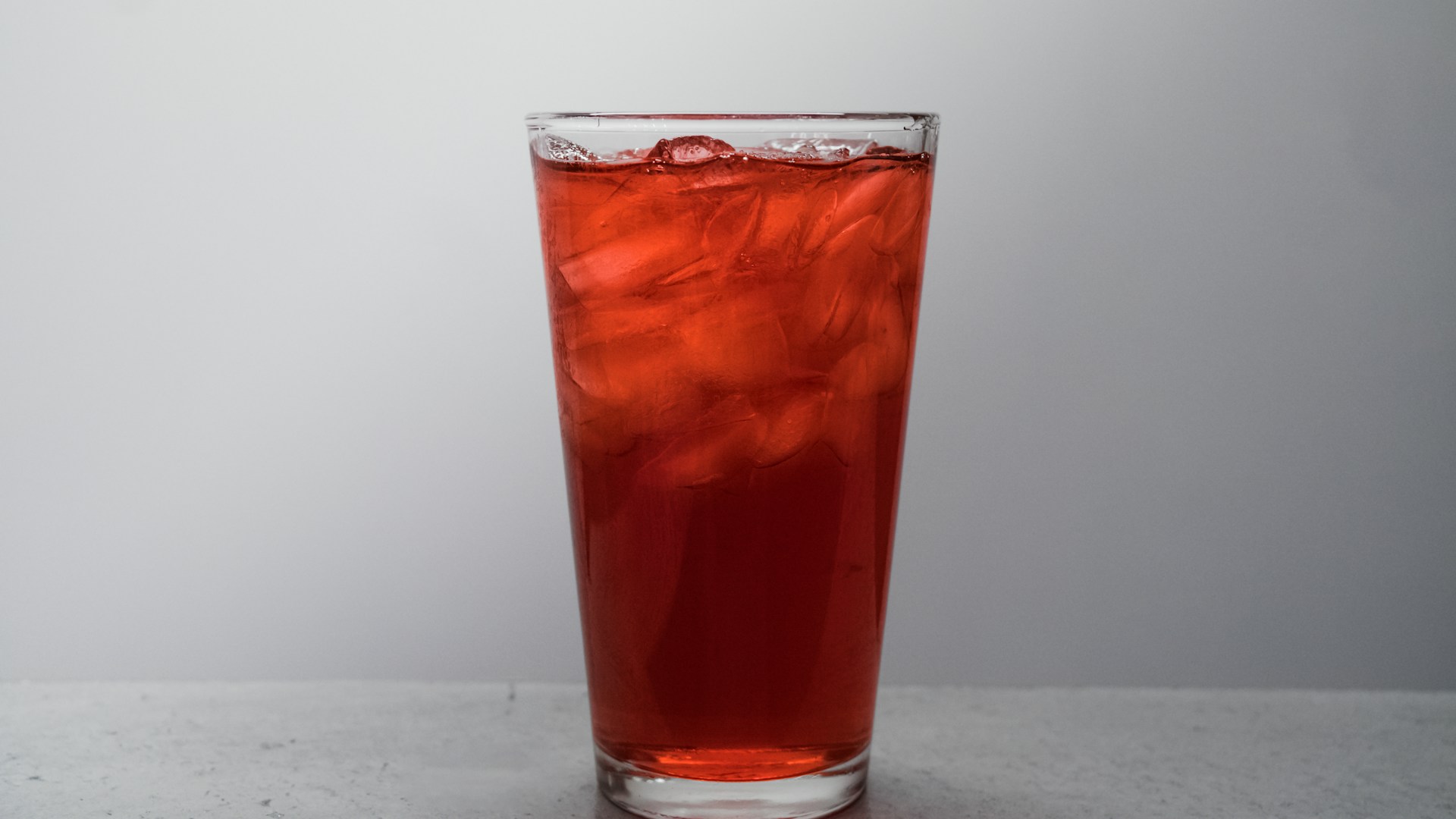
In the South, a pitcher of iced tea in the refrigerator is almost a household rule. Sweet or unsweet, it is offered to guests, carried to porches and poured over ice at every summer supper. Herbal iced teas, made from flowers, leaves and roots rather than the tea plant, are a lovely companion to the classic: naturally caffeine-free, endlessly varied and well suited to sipping in the late afternoon or evening.
A short history of iced tea
Recipes for iced tea appear in American cookbooks in the 1800s, and sweetened versions show up in Southern cookbooks before the end of that century. The drink’s fame grew in the early twentieth century, and the 1904 World’s Fair in St. Louis is often credited with introducing it to a wider audience during a hot summer. Refrigeration and cheap ice did the rest. By the middle of the twentieth century, iced tea was a fixture of Southern tables.
Herbal blends worth trying
- Hibiscus: dried hibiscus calyces brew into a ruby-red, tart, cranberry-like drink. It is known as agua de jamaica in Mexico, bissap in parts of West Africa and sorrel in the Caribbean, where it is a holiday tradition.
- Mint: fresh spearmint or peppermint, alone or added to almost anything else, is the simplest cool flavor there is.
- Rooibos: a South African plant, sometimes called red bush, that brews into a smooth, naturally sweet, reddish tea.
- Lemon herbs: lemon balm, lemon verbena or a few blades of lemongrass give a bright citrus note without any fruit.
- Chamomile: usually thought of as a hot bedtime tea, it is also mild and honeyed served over ice.
- Peach and ginger: a few slices of ripe Georgia peach and fresh ginger steeped with any of the above.
Hot brew or cold brew
For a hot brew, steep about one tablespoon of dried herbs, or a small handful of fresh ones, per cup of just-boiled water for five to ten minutes. Strain, let it cool and then refrigerate. Hibiscus turns very tart if steeped too long, so taste as you go.
For a gentler cold brew, combine herbs and cold water in a jar and leave it in the refrigerator for six to twelve hours, then strain. The flavor is softer and less bitter. Cold brewing in the refrigerator is also a food-safe alternative to old-fashioned sun tea, which sits for hours at the warm temperatures bacteria enjoy.
Either way, keep herbal tea refrigerated and drink it within a couple of days. Sweeten lightly, if at all, with honey or simple syrup stirred in while the tea is still warm.
A note on herbs and health
Herbal teas are plants, and some can interact with medications or may not suit everyone. If you drink an herbal tea regularly, are pregnant or nursing, or take prescription medication, talk to your doctor or pharmacist about your choices. We enjoy these teas for their flavor and the pleasure of the ritual, and we encourage you to do the same.
Pour a tall glass over ice, add a sprig of mint and carry it out to the shadiest spot you have. Summer afternoons were made for exactly this.