Tag: herbs

  • From Monastery Plots to Savannah’s Trustees’ Garden: A Short History of the Herb Garden

    A small herb garden by the kitchen door can feel like a modern pleasure, but it is part of a very old tradition. For well over a thousand years, people have set aside special plots for fragrant, useful plants, and the shape of those gardens tells a story about how people lived, cooked, worshiped and studied the natural world. Georgia has its own chapter in that story.

    Gardens of the ancient world

    People have gathered and grown herbs since long before written history. In ancient Egypt, Greece and Rome, herbs flavored food, scented homes and played a part in religious rites. Greek and Roman writers described hundreds of plants and their uses, and one first-century Greek work on plants, written by a physician named Dioscorides, was copied and consulted for well over a thousand years.

    Monastery gardens

    After the fall of the Western Roman Empire, much of Europe’s garden knowledge was kept alive in monasteries. Monks and nuns grew herbs for the kitchen, the infirmary and the chapel, often in neat, rectangular beds inside walled enclosures. A famous early medieval drawing of an ideal monastery, known as the Plan of Saint Gall, includes a dedicated herb garden laid out in tidy beds near the infirmary.

    Around the year 800, the emperor Charlemagne issued a decree, often called the Capitulare de villis, that listed the plants to be grown on royal estates. It included dozens of herbs that remain familiar today, among them sage, rosemary, fennel and mint.

    Knot gardens and physic gardens

    By the Renaissance, herb gardens had become art as well as practice. In Tudor England, knot gardens arranged low hedges of herbs into intricate interlacing patterns meant to be admired from above, often from an upstairs window. Plants such as thyme, hyssop and germander were trimmed into living ribbons.

    At the same time, universities and scholars began creating physic gardens, collections of plants grown for study. The botanical garden at Padua, in Italy, founded in 1545, is often described as the oldest academic botanical garden still in its original location. In London, the Chelsea Physic Garden was established in 1673 by the city’s society of apothecaries.

    A Georgia chapter: the Trustees’ Garden

    When the colony of Georgia was founded in 1733, its leaders laid out an experimental garden in Savannah, known as the Trustees’ Garden, modeled in part on the Chelsea Physic Garden. The hope was to test which plants might thrive in the new colony. Mulberry trees were planted in support of a hoped-for silk industry, along with fruit trees, grapes, herbs and other plants brought from distant places. Not every experiment succeeded, and the silk dream faded, but the garden is remembered as one of the earliest public experimental gardens in the American colonies.

    What the old gardens can teach us

    Through all these centuries, a few ideas stayed constant. Herb gardens were close to the house, easy to reach and organized so each plant could be found and tended. Many included a path, a border and a place to sit. Even a few pots on a sunny step can borrow that wisdom. Group your herbs where you pass every day, label them, give yourself a place to pause and enjoy the scents of plants that people have loved for so long.
  • Infused Water at Home: Fruit, Herb and Cucumber Pairings, Plus Simple Food-Safety Habits

    A tall pitcher of cold water with slices of lemon, a few crushed berries or a sprig of mint looks like something from a spa, but it takes only a few minutes to make at home. Infused water is simply water that has been lightly flavored by fruit, vegetables or herbs. It does not have special powers, and it does not need any. Its gift is that it makes reaching for water a little more pleasant on a hot July day.

    The basic method

    • Start with a clean pitcher or large jar and cold, clean water.
    • Wash fruit, vegetables and herbs under running water before cutting, even if you plan to remove the peel.
    • Slice fruit thinly to release more flavor. Lightly crush berries and gently bruise herb leaves between your fingers.
    • Add a generous handful of ingredients for each quart or so of water, adjusting to taste.
    • Cover and refrigerate for one to four hours. Taste as you go, since some flavors develop quickly.

    Citrus peel can turn bitter if it steeps for many hours, so remove lemon, lime or orange slices once the flavor is where you like it.

    Pairings to try

    • Cucumber and mint: the classic, crisp and cooling
    • Strawberry and basil: sweet with a peppery, green edge
    • Lemon and rosemary: bright and a little piney
    • Watermelon and mint: soft and summery
    • Peach and thyme: a gentle nod to Georgia’s favorite fruit
    • Blueberry and orange: colorful and mild
    • Lime with a few thin slices of fresh ginger: lively and clean

    Herbs from your own pots work beautifully, as long as you know exactly what they are and they have not been sprayed with anything not meant for food.

    Keeping it fresh and safe

    Infused water is still food, and cut fruit in water can spoil, especially in heat. A few habits keep it fresh:

    • Keep the pitcher in the refrigerator rather than on the counter or the porch table.
    • Enjoy it within about a day, then discard the fruit and start a new batch.
    • If you take infused water on an outing, use an insulated bottle or keep it in a cooler, and do not leave it in a hot car.
    • Wash pitchers, bottles and infuser baskets well between batches.

    For more general guidance on handling fresh produce, FoodSafety.gov is a helpful federal resource.

    A few gentle cautions

    If you sip citrus water all day long, you might ask your dentist whether it makes sense to rinse with plain water now and then, since citrus is acidic. Anyone with food allergies should skip ingredients that are a concern, and anyone on a special diet or with a health condition should check with their doctor before making big changes to what they drink.

    Making it a ritual

    Part of the pleasure of infused water is the making. Rinsing berries, slicing a cucumber, bruising a few mint leaves and watching the colors bloom in the pitcher can be a quiet five minutes in a busy day. Make a fresh pitcher each morning or evening, set it where you will see it, and let a little beauty nudge you toward the glass.

  • Basil, the Royal Herb: Its Long History and Simple Ways to Enjoy It in the Heat

    Basil, the Royal Herb: Its Long History and Simple Ways to Enjoy It in the Heat

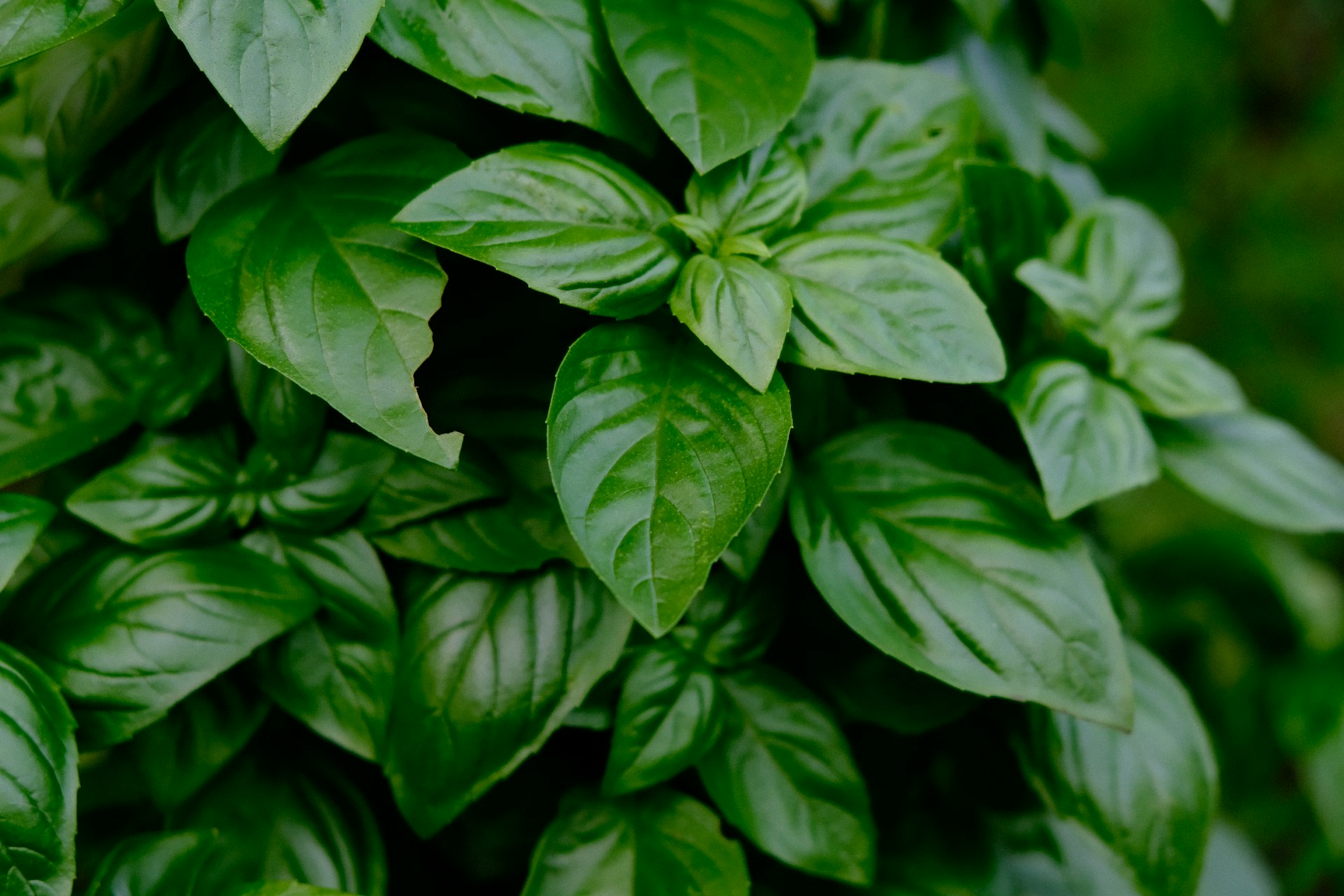
    When much of a Georgia garden starts to droop in late June, basil is just getting going. It loves heat, sun and long days, and a single healthy plant can produce more leaves than one household can easily use. Brush against it and your hands carry its sweet, peppery, faintly clove-like scent for an hour. Few herbs say summer so clearly.

    A herb with a royal name

    The name basil comes from the Greek basilikon, meaning royal, and the herb has long been held in something like reverence. Sweet basil, the kind most of us grow, is thought to have originated in tropical Asia and spread west over many centuries to the Mediterranean, where it became inseparable from the cooking of Italy and southern France. Pesto, the famous basil sauce, comes from Genoa and the surrounding region of Liguria.

    Basil has a place in literature, too. In a story from Boccaccio’s Decameron, later retold in John Keats’s poem Isabella, or the Pot of Basil, a grieving young woman keeps a pot of basil that she waters with her tears. It is a melancholy tale, but it shows how closely the herb was woven into everyday life and imagination.

    A sacred cousin

    Holy basil, known in India as tulsi, is a related species with a sweeter, spicier, more clove-like scent. In Hindu tradition it is considered sacred, and many households keep a tulsi plant in a special container in a courtyard or by the door, where it is cared for each day. If you grow holy basil, you may notice how different its fragrance is from the familiar Italian kind.

    Growing basil in a Georgia summer

    • Plant after nights stay warm. Basil dislikes cold and can be damaged by temperatures below about fifty degrees.
    • Give it full sun and steady water, especially in pots, which dry out quickly in July.
    • Harvest from the top, cutting just above a pair of leaves. The plant will branch and grow bushier.
    • Pinch off flower buds as they appear to keep the plant producing tender leaves longer.
    • Keep cut basil in a glass of water on the counter, like a bouquet, rather than in the refrigerator, where the leaves tend to darken.

    Simple ways to enjoy it

    Tear a few leaves over sliced tomatoes with a little salt and olive oil. Drop a sprig into a pitcher of cold water with lemon slices. Set a small vase of basil stems on the kitchen windowsill, where the scent drifts with each breeze. Or just pause in the garden, rub a leaf between your fingers and take a slow breath.

    Basil essential oil appears in some blends, but it is strong and should always be well diluted. Keep it away from children and pets, and talk with your doctor before using it during pregnancy or if you have a health concern. For most of us, the living plant is the better pleasure: green, generous and at its best in exactly the heat we would otherwise complain about.

  • Drying Herbs and Flowers From the Summer Garden: Bundles, Sachets and the Story of Potpourri

    Drying Herbs and Flowers From the Summer Garden: Bundles, Sachets and the Story of Potpourri

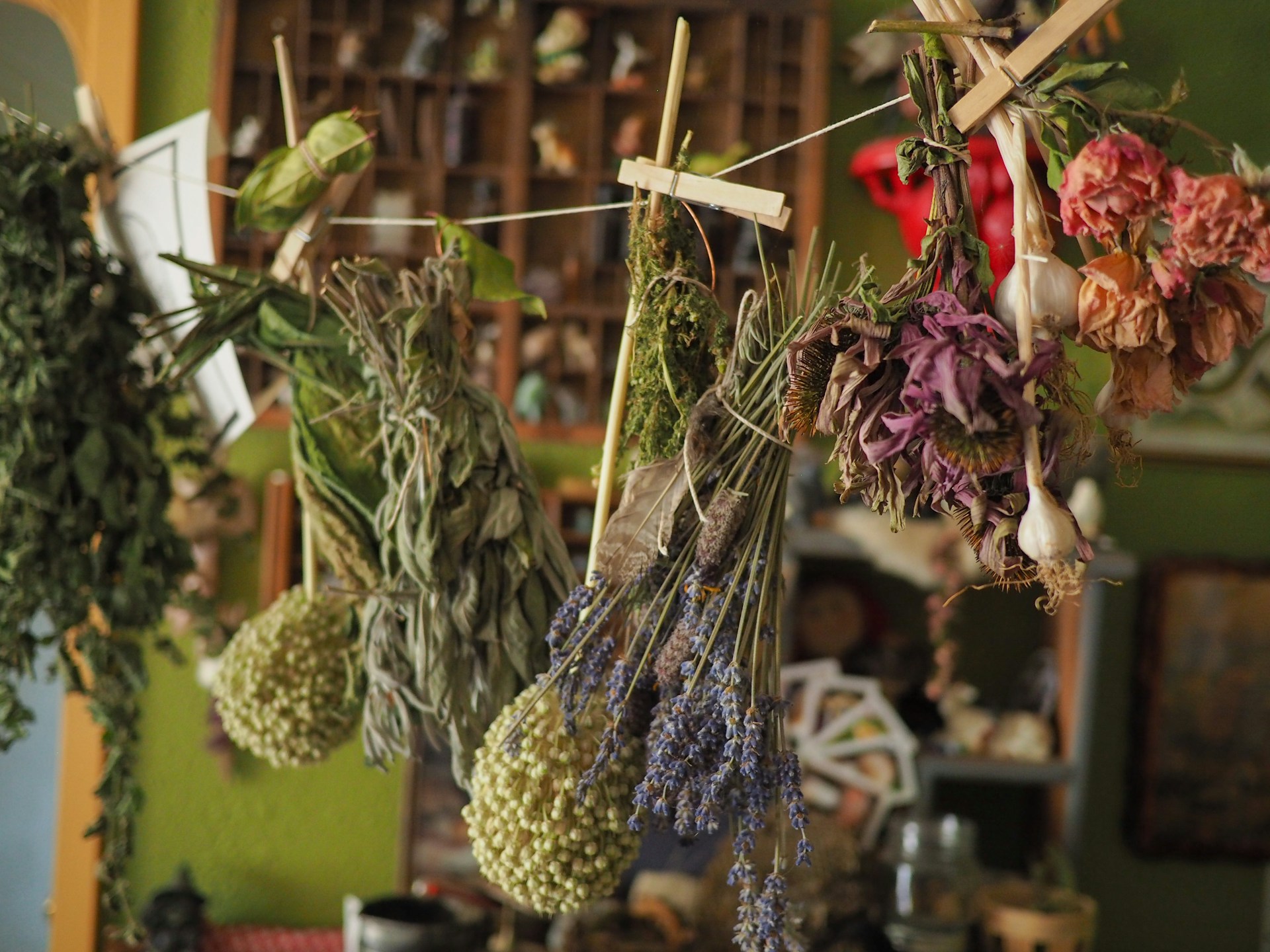
    By late June, a Georgia herb garden is often producing faster than anyone can keep up with. The mint has climbed out of its pot, the rosemary is bushy and the basil needs cutting every few days. Drying some of that abundance is an old and satisfying way to keep summer’s scents for the months ahead, in sachets, bowls and jars of tea.

    Why potpourri means rotten pot

    The word potpourri comes from French and means, quite literally, rotten pot. It was borrowed from the Spanish olla podrida, a slow-cooked stew of many ingredients. The earliest scented potpourris were made by a moist method: layers of partly dried petals and salt were packed into a crock and left to ferment for weeks, producing a damp, unattractive but intensely fragrant mixture kept in lidded jars and opened to scent a room. The pretty bowls of dried petals we know today come from the later dry method, which favors color and appearance as well as scent.

    Air-drying in humid weather

    Georgia humidity makes drying slower than it is in drier climates, and mold is the main risk. A few habits help:

    • Harvest on a dry morning, after the dew has evaporated but before the heat of the day.
    • Gather small bundles of five to ten stems and secure them with a rubber band, which tightens as the stems shrink.
    • Hang bundles upside down indoors, in an air-conditioned room out of direct sunlight. Garages, porches and attics are usually too humid in summer.
    • Check after a week or two. Herbs are ready when the leaves crumble easily between your fingers.
    • If a bundle stays limp or shows any sign of mold, compost it and try again with smaller bundles.

    Rosemary, mint, lemon balm, oregano, thyme and sage all dry well this way. Among flowers, roses, statice, strawflowers and globe amaranth hold their color. Hydrangeas are a special case: many people stand the cut blooms in a vase with a little water and simply let them dry as the water evaporates.

    Simple sachets

    A sachet is just a small fabric pouch filled with dried, fragrant plant material. Use a cotton or muslin bag, or sew a simple square from scrap fabric. Fill it with dried lavender, rosemary, mint or rose petals, alone or mixed, and tie it closed. Tuck sachets into drawers, closets, suitcases and pillowcases. When the scent fades, squeeze the sachet gently to release more, or refill it with fresh herbs.

    Storing herbs for tea and the kitchen

    Herbs you plan to use for tea or cooking deserve a little extra care. Strip the dried leaves from the stems, keep them as whole as possible and store them in clean, airtight glass jars away from heat and light. Label each jar with the name and date. Most dried herbs are at their best within about a year.

    Keep bowls of potpourri out of reach of children and pets, who may be tempted to taste it, and be especially careful with simmering liquid potpourri around cats and dogs. Your veterinarian can answer questions about specific plants. Then, some gray morning next winter, open a jar of summer mint or a drawer with a sachet inside, and the garden will come back to you for a moment.

  • Lemon Balm: The Gentle Lemon-Scented Herb of Early Summer Gardens

    Lemon Balm: The Gentle Lemon-Scented Herb of Early Summer Gardens

    Brush past a lemon balm plant in May and the air fills with a scent somewhere between fresh lemon and sweet green leaves. It is a modest herb, easy to overlook next to showier flowers, but it has been loved in gardens for a very long time. Late spring is when it looks and smells its best in Georgia.

    A herb named for the bees

    Lemon balm’s botanical name is Melissa officinalis. “Melissa” comes from the Greek word for honeybee, and the connection is no accident: bees are drawn to its small, pale flowers, and beekeepers in the ancient Mediterranean world grew it near their hives. Greek and Roman writers mentioned it, medieval monastery gardens kept it and it became a standard plant in the kitchen gardens of Europe.

    In the 1600s a lemon-balm-based toilet water made by Carmelite nuns in Paris became fashionable across Europe, one of many scented waters of the period. From there the plant crossed the Atlantic with European settlers and has been growing in American gardens ever since.

    What it is like to grow

    Lemon balm is a member of the mint family, and it behaves like one. It is vigorous, happy in sun or part shade, tolerant of ordinary soil and inclined to spread. In a Georgia garden it appreciates a little afternoon shade once the summer heat arrives. Many gardeners keep it in a pot for exactly that reason: the plant stays where it is put and can be moved out of the harshest sun.

    Cutting it back after it flowers keeps it bushy and fresh. The leaves are most fragrant before the plant blooms, so late spring is the sweet spot for harvesting.

    Simple ways to enjoy it

    • Steep a handful of fresh leaves in hot water for a mild, lemony tisane, or add them to a pitcher of cold water in the refrigerator
    • Tuck a few sprigs into a vase with other garden cuttings so the scent drifts through a room
    • Crush a leaf between your fingers during a garden break and simply breathe it in
    • Dry the leaves on a screen in a warm, airy spot and keep them in a jar for winter

    If you make an herb a daily habit, or you are pregnant, nursing or taking medication, it is sensible to mention it to your doctor first. We enjoy lemon balm for its scent and its place in the garden, not as a remedy, and we encourage you to think of it the same way.

    Lemon balm and aromatherapy

    True lemon balm essential oil, usually sold as melissa oil, is one of the most expensive oils on the market because the plant yields so little. Much of what is sold cheaply under that name is blended or substituted with lemongrass or citronella. If you buy it, buy from a supplier that lists the botanical name, dilute it well and treat it as a rare pleasure rather than an everyday oil.

    For most of us, the plant itself is the better experience: a pot by the back door, a leaf crushed in passing, and a scent that says early summer in Georgia as surely as cut grass and warm rain.

  • Rosemary: History, Lore and Everyday Enjoyment

    Rosemary: History, Lore and Everyday Enjoyment

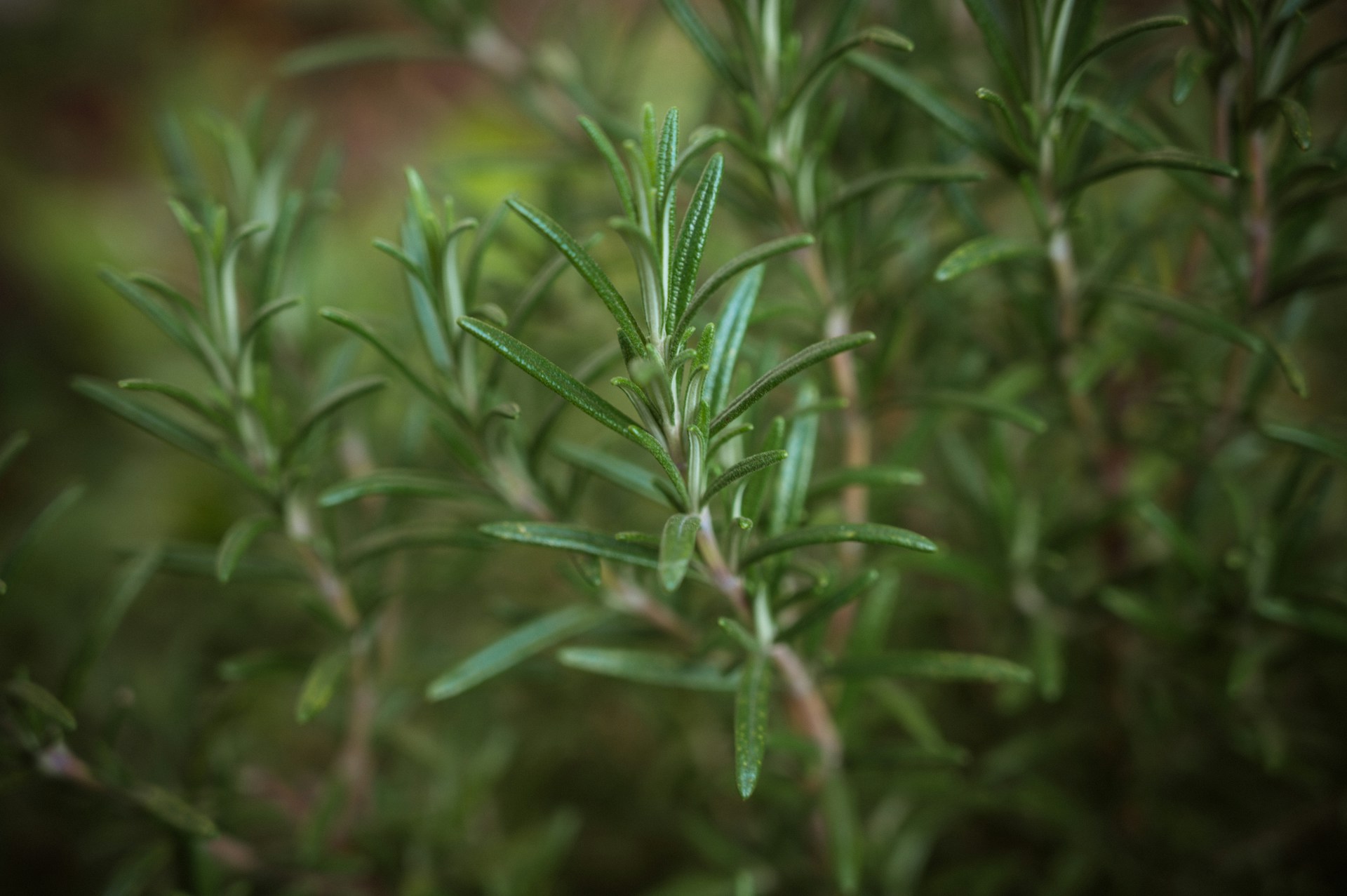
    Rosemary is one of the most familiar scents in the kitchen and the garden: sharp, piney, a little like camphor, with a hint of something sweet underneath. It has been grown around the Mediterranean for thousands of years and carries a long trail of stories about memory, loyalty and remembrance. It is also a plant that thrives in Georgia gardens, which makes it an easy herb to know well.

    Dew of the Sea

    The name comes from the Latin ros marinus, meaning dew of the sea, a nod to the plant’s habit of growing on sunny coastal hillsides where it needs little more than sea mist to survive. Botanists long called it Rosmarinus officinalis; in recent years it was reclassified into the sage family as Salvia rosmarinus, though gardeners and cooks still use the old name. It is a woody evergreen shrub with needle-like leaves and small blue, purple or white flowers that bees love.

    A Herb of Remembrance

    In the ancient world, students in Greece were said to wear rosemary garlands while studying, and the plant became associated with memory. That link endured for centuries. In Shakespeare’s Hamlet, Ophelia hands out rosemary for remembrance. The herb appeared at both weddings, as a symbol of fidelity, and funerals, where sprigs were carried or cast into graves. In parts of Europe, it was burned in sickrooms and tucked into linen chests, more for its fresh scent than for anything proven about it.

    Rosemary also traveled with cooks. Roman recipes used it, medieval monastery gardens grew it, and it remains a cornerstone of Mediterranean cooking, from roasted lamb to focaccia.

    Rosemary in Aromatherapy

    Rosemary essential oil is steam distilled from the leaves and flowering tops. Its scent is clean, herbal and bracing, and many people describe it as the smell of alertness. It appears often in morning diffuser blends, in combination with citrus oils, and in scented products for the bath and shower.

    The oil comes in several chemotypes, which means plants of the same species grown in different places produce oils with noticeably different chemistry and scent. Some lean more camphorous, others softer and more herbal. The label may note the chemotype, and it is worth sniffing a few if you can.

    Using It Thoughtfully

    Rosemary is enjoyed as a fragrance and a flavor, not as a remedy, and we make no claims about it beyond that. A few sensible habits:

    • Dilute rosemary essential oil in a carrier oil before any skin contact, and patch test first.
    • Keep diffuser sessions short, around thirty minutes, in a ventilated room.
    • Many aromatherapy references advise caution for people who are pregnant, have high blood pressure or have a seizure disorder. If any of those apply to you, talk with your doctor before using the oil.
    • Keep it away from children and pets, and never swallow essential oil.
    • For most everyday purposes, the fresh herb is the gentlest way to enjoy the scent.

    Simple Ways to Enjoy Rosemary

    Grow a plant by the back door and brush it as you pass. Add a sprig to a bowl of steaming water for a facial steam. Simmer a few stems with lemon peel on the stove for a natural room scent. Tie a small bundle with twine and hang it in the shower, where the warm water releases its fragrance. Tuck dried sprigs into a drawer of linens. None of these take more than a minute, and all of them bring a little of the sunny Mediterranean hillside into a Georgia spring.