
Tag: hydration

  • Keeping Your Water Bottle Fresh: A Simple Cleaning Routine for Bottles, Lids and Straws

    In a Georgia summer, a reusable water bottle becomes something close to a constant companion. It rides in the car, sits on the desk, waits by the bed and tags along on every walk. All that use is a good thing. It also means the bottle deserves a little care, because the places you cannot easily see, such as the lid, the straw and the rubber gasket, are where residue and odors tend to build.

    Why bottles need regular washing

    Every sip leaves a little behind. Saliva, traces of food and anything other than water you put in the bottle can collect in threads, seals and straws. Warmth and moisture help microbes grow, and a bottle that rides around in a hot car or sits half full overnight provides plenty of both. A bottle that smells musty or feels slick inside is telling you it is time for a good scrub.

    A simple daily routine

    • Empty the bottle at the end of the day rather than leaving water sitting overnight.
    • Take it apart. Remove the lid, the straw and any removable silicone gasket or seal.
    • Wash every piece in hot, soapy water. A long bottle brush reaches the bottom, and a thin straw brush cleans inside straws and spouts.
    • Rinse well and let everything air-dry fully, upside down with the lid off, before putting it back together.

    Check the manufacturer’s instructions before using the dishwasher. Many insulated stainless steel bottles are hand-wash only, because high heat can damage the seal that keeps drinks cold, though their lids are sometimes dishwasher safe.

    A weekly deep clean

    Once a week, or any time a bottle starts to smell, give it a longer soak. Fill it with warm water and a splash of white vinegar, or a spoonful of baking soda, and let it sit for several hours or overnight. Soak the lid and straw in a bowl of the same solution. Scrub, rinse thoroughly and dry completely. Never mix cleaning products, and avoid harsh abrasives that can scratch the inside of a bottle and make it harder to clean.

    If you fill your bottle with anything besides water, such as tea, juice, smoothies or infused water with fruit, wash it the same day. Sugars and pulp cling to surfaces and spoil quickly in summer heat.

    Choosing a bottle that is easy to keep fresh

    When it is time for a new bottle, think about cleaning before you think about color.

    • A wide mouth is easier to scrub and to fill with ice.
    • Fewer parts mean fewer hiding places. Complicated lids with many small pieces are harder to clean thoroughly.
    • Stainless steel is durable and, when insulated, keeps water cold for hours. Glass is easy to see into and does not hold flavors, though it needs a protective sleeve. Plastic is light and inexpensive. If you prefer to avoid certain plastics, check the label.
    • Replace worn parts. Many brands sell replacement straws and gaskets, which costs far less than a new bottle.

    A small habit with a big payoff

    A clean bottle simply tastes better, and water that tastes good is water you are more likely to drink. Pairing the cleaning with an existing routine, such as washing the bottle while the evening dishes soak, keeps it easy. Rinse, dry, refill in the morning and head out into the heat with one less thing to think about.
  • Infused Water at Home: Fruit, Herb and Cucumber Pairings, Plus Simple Food-Safety Habits

    A tall pitcher of cold water with slices of lemon, a few crushed berries or a sprig of mint looks like something from a spa, but it takes only a few minutes to make at home. Infused water is simply water that has been lightly flavored by fruit, vegetables or herbs. It does not have special powers, and it does not need any. Its gift is that it makes reaching for water a little more pleasant on a hot July day.

    The basic method

    • Start with a clean pitcher or large jar and cold, clean water.
    • Wash fruit, vegetables and herbs under running water before cutting, even if you plan to remove the peel.
    • Slice fruit thinly to release more flavor. Lightly crush berries and gently bruise herb leaves between your fingers.
    • Add a generous handful of ingredients for each quart or so of water, adjusting to taste.
    • Cover and refrigerate for one to four hours. Taste as you go, since some flavors develop quickly.

    Citrus peel can turn bitter if it steeps for many hours, so remove lemon, lime or orange slices once the flavor is where you like it.

    Pairings to try

    • Cucumber and mint: the classic, crisp and cooling
    • Strawberry and basil: sweet with a peppery, green edge
    • Lemon and rosemary: bright and a little piney
    • Watermelon and mint: soft and summery
    • Peach and thyme: a gentle nod to Georgia’s favorite fruit
    • Blueberry and orange: colorful and mild
    • Lime with a few thin slices of fresh ginger: lively and clean

    Herbs from your own pots work beautifully, as long as you know exactly what they are and they have not been sprayed with anything not meant for food.

    Keeping it fresh and safe

    Infused water is still food, and cut fruit in water can spoil, especially in heat. A few habits keep it fresh:

    • Keep the pitcher in the refrigerator rather than on the counter or the porch table.
    • Enjoy it within about a day, then discard the fruit and start a new batch.
    • If you take infused water on an outing, use an insulated bottle or keep it in a cooler, and do not leave it in a hot car.
    • Wash pitchers, bottles and infuser baskets well between batches.

    For more general guidance on handling fresh produce, FoodSafety.gov is a helpful federal resource.

    A few gentle cautions

    If you sip citrus water all day long, you might ask your dentist whether it makes sense to rinse with plain water now and then, since citrus is acidic. Anyone with food allergies should skip ingredients that are a concern, and anyone on a special diet or with a health condition should check with their doctor before making big changes to what they drink.

    Making it a ritual

    Part of the pleasure of infused water is the making. Rinsing berries, slicing a cucumber, bruising a few mint leaves and watching the colors bloom in the pitcher can be a quiet five minutes in a busy day. Make a fresh pitcher each morning or evening, set it where you will see it, and let a little beauty nudge you toward the glass.

  • Sparkling, Still or Ice Cold? Common Hydration Questions, Answered

    Water seems like the simplest thing in the world, yet summer brings a steady stream of questions about it. Here are straightforward answers to some of the most common ones. They are general information, not personal advice, so if you have a health condition or take medication that affects fluids, talk to your doctor about what is right for you.

    Do I really need eight glasses a day?

    The eight-glasses rule is easy to remember, but it is not a universal prescription. How much fluid a person needs depends on body size, activity, the weather, health and more. A tall gardener working outside in July needs more than someone spending a cool day indoors.

    It also helps to know that plain water is not your only source. National nutrition guidelines count the water in all beverages and foods, and fruits and vegetables carry a surprising amount of it. Rather than counting glasses, many people find it easier to keep water close by and drink a little throughout the day.

    Does sparkling water count?

    Yes. Plain sparkling water is simply water with carbon dioxide added, and it counts toward your fluids just like still water. If the bubbles make water more appealing, that is a good reason to enjoy it. Flavored sparkling waters vary, so read the label if you want to avoid added sugar or sweeteners. Some people find carbonation makes them feel full or bloated, in which case still water may be more comfortable.

    Is ice-cold water better on a hot day?

    The best temperature is the one you will actually drink. Many people find cold water more refreshing in the heat and naturally drink more of it, which is a real advantage. Others find very cold water uncomfortable, especially on sensitive teeth, and prefer it cool or at room temperature. Either way, the water is doing the same job.

    How can I tell if I am drinking enough?

    Thirst is one clue. Another commonly used everyday guide is the color of your urine: pale yellow generally suggests you are well hydrated, while dark yellow can be a sign you need more fluid. Some vitamins, foods and medications change urine color, so this is a rough guide rather than a test. Feeling unusually tired, light-headed or headachy on a hot day can also be a cue to drink, rest and cool down.

    Can you drink too much water?

    It is possible, though uncommon for most healthy people. Drinking very large amounts in a short time, particularly during long, sweaty exercise, can dilute the sodium in the blood, which can be dangerous. People with certain heart, kidney or other conditions may be told to limit fluids. Steady sipping over the day is usually more comfortable than drinking a lot at once. Anyone with questions about electrolytes, sports drinks or fluid limits should ask their doctor.

    Most of the time, staying hydrated in summer is less about rules and more about ease: a cold bottle within reach, a glass with meals and a little attention to how you feel. And if anyone with you seems confused, faint or very unwell in the heat, move them to a cool place and seek medical help right away.

  • Herbal Iced Teas for Hot Afternoons: Hibiscus, Mint and Other Caffeine-Free Blends

    Herbal Iced Teas for Hot Afternoons: Hibiscus, Mint and Other Caffeine-Free Blends

    In the South, a pitcher of iced tea in the refrigerator is almost a household rule. Sweet or unsweet, it is offered to guests, carried to porches and poured over ice at every summer supper. Herbal iced teas, made from flowers, leaves and roots rather than the tea plant, are a lovely companion to the classic: naturally caffeine-free, endlessly varied and well suited to sipping in the late afternoon or evening.

    A short history of iced tea

    Recipes for iced tea appear in American cookbooks in the 1800s, and sweetened versions show up in Southern cookbooks before the end of that century. The drink’s fame grew in the early twentieth century, and the 1904 World’s Fair in St. Louis is often credited with introducing it to a wider audience during a hot summer. Refrigeration and cheap ice did the rest. By the middle of the twentieth century, iced tea was a fixture of Southern tables.

    Herbal blends worth trying

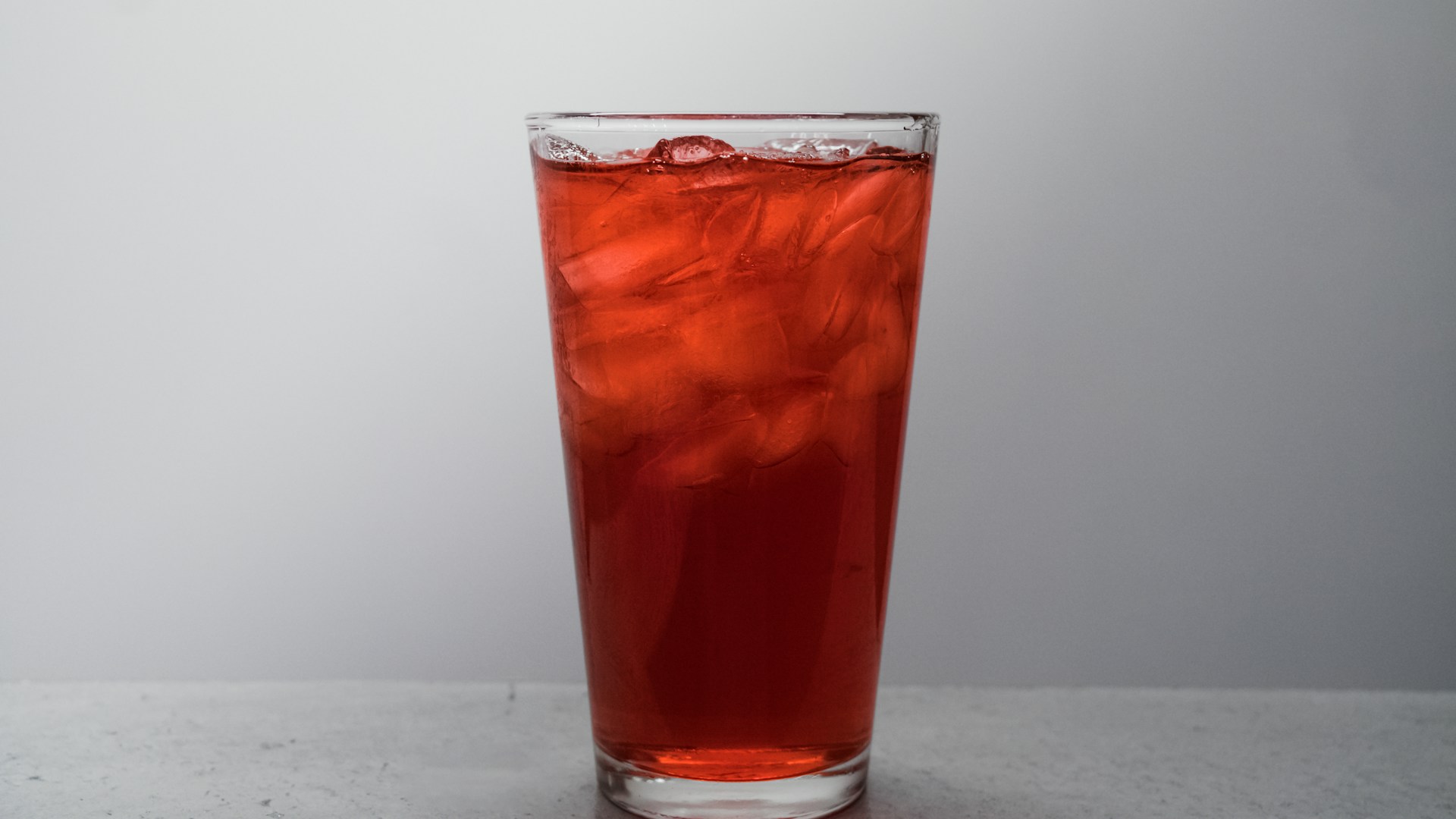
    • Hibiscus: dried hibiscus calyces brew into a ruby-red, tart, cranberry-like drink. It is known as agua de jamaica in Mexico, bissap in parts of West Africa and sorrel in the Caribbean, where it is a holiday tradition.
    • Mint: fresh spearmint or peppermint, alone or added to almost anything else, is the simplest cool flavor there is.
    • Rooibos: a South African plant, sometimes called red bush, that brews into a smooth, naturally sweet, reddish tea.
    • Lemon herbs: lemon balm, lemon verbena or a few blades of lemongrass give a bright citrus note without any fruit.
    • Chamomile: usually thought of as a hot bedtime tea, it is also mild and honeyed served over ice.
    • Peach and ginger: a few slices of ripe Georgia peach and fresh ginger steeped with any of the above.

    Hot brew or cold brew

    For a hot brew, steep about one tablespoon of dried herbs, or a small handful of fresh ones, per cup of just-boiled water for five to ten minutes. Strain, let it cool and then refrigerate. Hibiscus turns very tart if steeped too long, so taste as you go.

    For a gentler cold brew, combine herbs and cold water in a jar and leave it in the refrigerator for six to twelve hours, then strain. The flavor is softer and less bitter. Cold brewing in the refrigerator is also a food-safe alternative to old-fashioned sun tea, which sits for hours at the warm temperatures bacteria enjoy.

    Either way, keep herbal tea refrigerated and drink it within a couple of days. Sweeten lightly, if at all, with honey or simple syrup stirred in while the tea is still warm.

    A note on herbs and health

    Herbal teas are plants, and some can interact with medications or may not suit everyone. If you drink an herbal tea regularly, are pregnant or nursing, or take prescription medication, talk to your doctor or pharmacist about your choices. We enjoy these teas for their flavor and the pleasure of the ritual, and we encourage you to do the same.

    Pour a tall glass over ice, add a sprig of mint and carry it out to the shadiest spot you have. Summer afternoons were made for exactly this.

  • Drinking Enough Water as the Heat Arrives: Pacing Habits for Hot Georgia Days

    Drinking Enough Water as the Heat Arrives: Pacing Habits for Hot Georgia Days

    There is a moment every May in Middle Georgia when the air changes. The mornings are still pleasant, but by early afternoon the heat has weight to it, and you notice you are thirstier than you were a week ago. This is a good time to rebuild your water habits before the real summer arrives.

    Sip steadily rather than catching up

    The most common pattern on a hot day is to drink very little while busy, then gulp a large amount in the evening. Steady sipping tends to feel more comfortable. A glass when you wake, another with each meal and a few sips every time you step inside from the heat adds up without ever feeling like a chore.

    Thirst is a reasonable guide, but it often lags behind the day. In warm weather it helps to drink a little before you feel the need, especially if you are outside or active.

    Make water easy to reach

    Most of the battle is logistics. If the water is in front of you, you will drink it.

    • Keep a bottle in the car, on your desk and by the bed, and refill it at set points in the day
    • Choose a bottle you enjoy using, whether that is insulated steel that keeps water cold or a light one you will carry on walks
    • Put a pitcher in the refrigerator so cold water is always ready
    • Add a few slices of cucumber, lemon or a sprig of mint if plain water bores you

    Pair water with the rhythms of your day

    Habits stick best when they ride on something you already do. Drink a glass while the coffee brews. Finish your bottle before lunch and refill it. Take a few sips at every stoplight on the drive home. Have a glass while you water the garden in the evening. None of these are dramatic, but by the end of the day they add up.

    Food helps too. Watermelon, cucumbers, oranges, tomatoes and lettuce all carry water, and a summer plate full of them is part of staying comfortable.

    What about coffee, tea and sports drinks?

    Coffee and tea count toward your fluids more than people assume, though water is still the simplest choice. Sports drinks are designed for long, sweaty exertion and often carry a good deal of sugar; for an ordinary day at the office or a short walk, water does the job.

    Everyone’s needs are different. If you have a health condition, take medication that affects fluids or have been told to limit what you drink, talk to your doctor about what is right for you. And if you ever feel dizzy, confused or unwell in the heat, treat it seriously: get out of the sun, cool down and seek help.

    Most of the time, though, staying hydrated in a Georgia summer is simply a matter of making water the easiest thing to reach for, and reaching for it a little before you think you need to.

  • Staying Hydrated in Winter: Simple, Practical Habits

    Staying Hydrated in Winter: Simple, Practical Habits

    In summer, thirst is hard to ignore. In winter, it is easy to forget. Cooler temperatures, heated indoor air and a preference for coffee and cocoa can mean we reach for water less often. Building a few simple habits can make it easier to drink regularly through the colder months.

    How much fluid a person needs varies with age, activity, health and other factors. If you have questions about your own needs, or a health condition that affects fluid intake, talk with your doctor.

    Why Winter Can Be Tricky

    When it is hot, we feel thirsty and notice ourselves sweating. In cold weather, those cues are less obvious. Dry indoor air from heating can also make the mouth, lips and skin feel dry. Many people simply do not think about water as often when it is chilly outside.

    Make Water Easy to Reach

    The simplest habit is keeping water nearby. Ideas:

    • Keep a reusable bottle on your desk or in your bag.
    • Place a glass by the kitchen sink as a visual reminder.
    • Set a glass on your nightstand.
    • Fill a pitcher in the morning and aim to finish it by evening.

    When water is right in front of you, it becomes a natural part of the day.

    Warm Options for Cold Days

    Cold water may not be appealing on a chilly morning. Warm drinks count too, and they can feel comforting:

    • Warm water with a slice of lemon
    • Caffeine-free herbal teas
    • Clear broths or soups

    Many people enjoy starting the day with a warm mug of water or tea before their coffee.

    Pair Water With Daily Routines

    Linking water to things you already do helps the habit stick:

    • Drink a glass when you wake up.
    • Have water with each meal.
    • Take a few sips each time you return to your desk.
    • Drink a glass when you take a break or step outside.

    Add a Little Flavor

    If plain water feels dull, try adding fresh fruit, cucumber slices or a sprig of mint. Sparkling water is another option many people enjoy. These small changes can make drinking water feel more like a treat.

    Notice How You Feel

    Staying aware of your body is part of mindful self-care. Some people notice they feel more comfortable when they keep water nearby through the day. Pay attention to your own patterns without obsessing over numbers. The aim is a gentle, steady habit, not a strict quota or another item to feel guilty about.

    Hydration also pairs naturally with other winter self-care habits, such as moisturizing skin and running a humidifier. Together, they help counter the dryness that many people notice at this time of year. A simple glass of water, held and sipped with attention, can also be a small moment of pause in a busy day.