
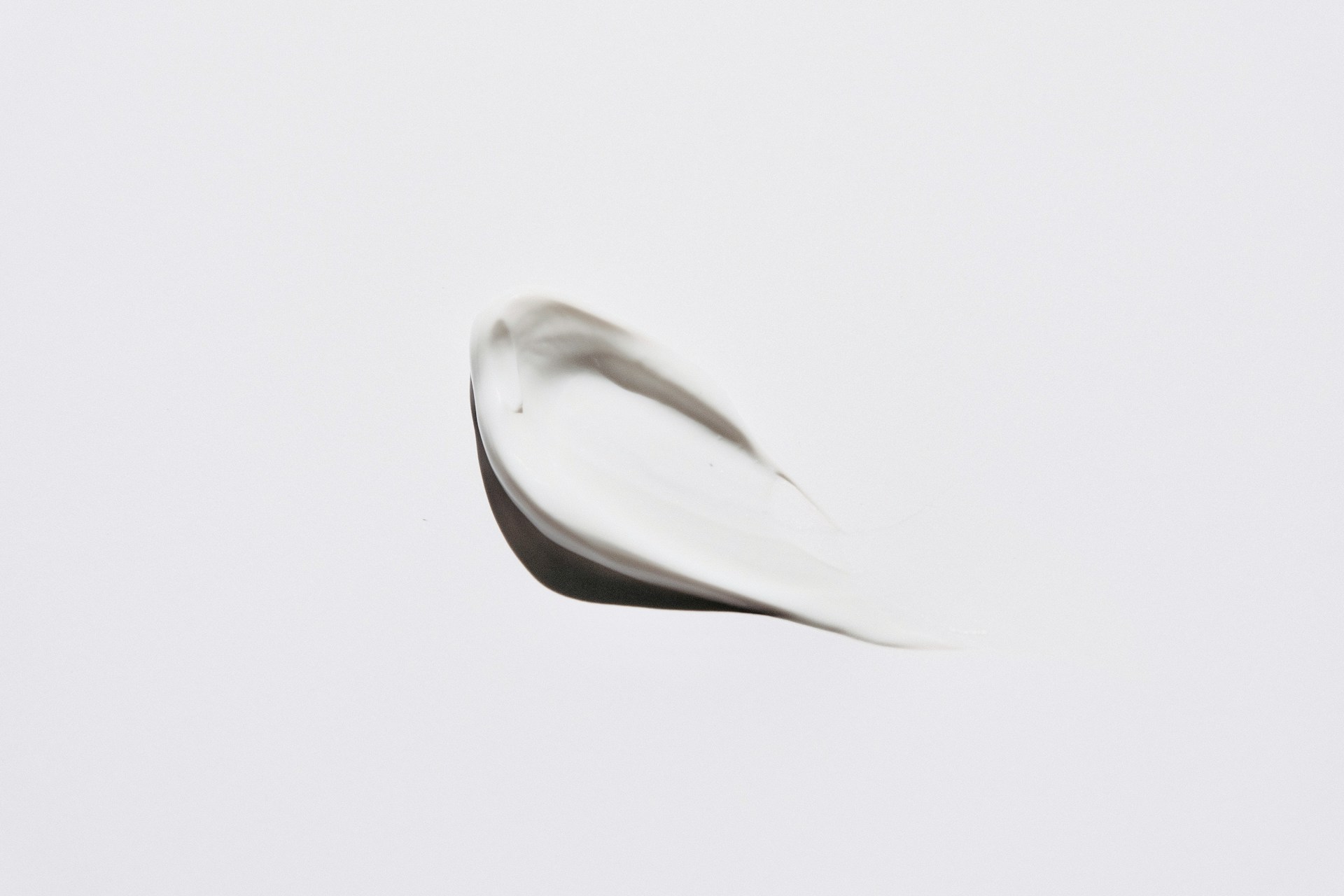
A moisturizer seems simple: you apply it, and your skin feels softer. Behind that feeling, most moisturizers combine three kinds of ingredients that work in different ways. Knowing the difference can help you choose a product that suits your skin and the season, especially as Middle Georgia moves from dry winter air into the humidity of spring. This is general skincare information, not medical advice. For a skin condition, see a dermatologist.
Humectants Draw Water In
Humectants are ingredients that attract water. They pull moisture from the deeper layers of skin and, when the air is humid, from the environment, and hold it in the outer layer. Common examples include glycerin, hyaluronic acid, honey, aloe and urea. Glycerin is one of the oldest and most widely used.
Because humectants draw water, they work best when applied to slightly damp skin. In very dry air, a humectant alone can leave skin feeling less comfortable than expected, which is why most products pair them with the next two categories.
Emollients Smooth the Surface
Emollients fill in the tiny gaps between skin cells and give skin a softer, smoother feel. They are the ingredients that make a cream feel like a cream. Examples include plant oils such as jojoba, sunflower and squalane, as well as shea butter, fatty alcohols and ceramides, which are naturally present in skin. Many emollients are light and absorb easily; others are richer and leave a bit of a sheen.
Occlusives Seal Moisture In
Occlusives form a thin layer on the surface that slows the evaporation of water from the skin. Petrolatum, often sold as petroleum jelly, is the classic example, and it is widely used in dermatology because it is gentle and does this one job well. Other occlusives include beeswax, lanolin, mineral oil, dimethicone and some heavier plant butters.
Occlusives feel heavier, which is why they are common in overnight creams and hand balms and less common in daytime face lotions. Applying a thin layer of an occlusive over a lighter moisturizer at night is sometimes called slugging.
Reading a Label With This in Mind
Most moisturizers contain all three categories in different proportions. A quick way to guess the texture before you buy:
- Water listed first, with glycerin near the top and dimethicone or oils farther down, usually means a light lotion.
- Oils, butters or petrolatum high on the list usually mean a richer cream or balm.
- Products labeled gel or gel-cream tend to lean on humectants and feel weightless.
Ingredients are listed in descending order by amount, so the first five or six tell most of the story.
Adjusting for the Season
In winter, when indoor heat dries the air, many people prefer a moisturizer with more emollients and occlusives. As spring humidity arrives in Georgia, the same cream can start to feel heavy, and a lighter lotion built on humectants may be more comfortable. Some people keep two products: a light one for mornings under sunscreen and a richer one for night. You can also layer, applying a thin gel first and a cream on top where skin feels driest.
Moisturizers often include fragrance, botanical extracts and other additions. They can make a product pleasant to use, but if your skin is sensitive, a fragrance-free formula with a short ingredient list is a safer starting point. Introduce one new product at a time and give it a couple of weeks before judging. The right moisturizer is simply the one that leaves your skin comfortable through the day, whatever the label says.
