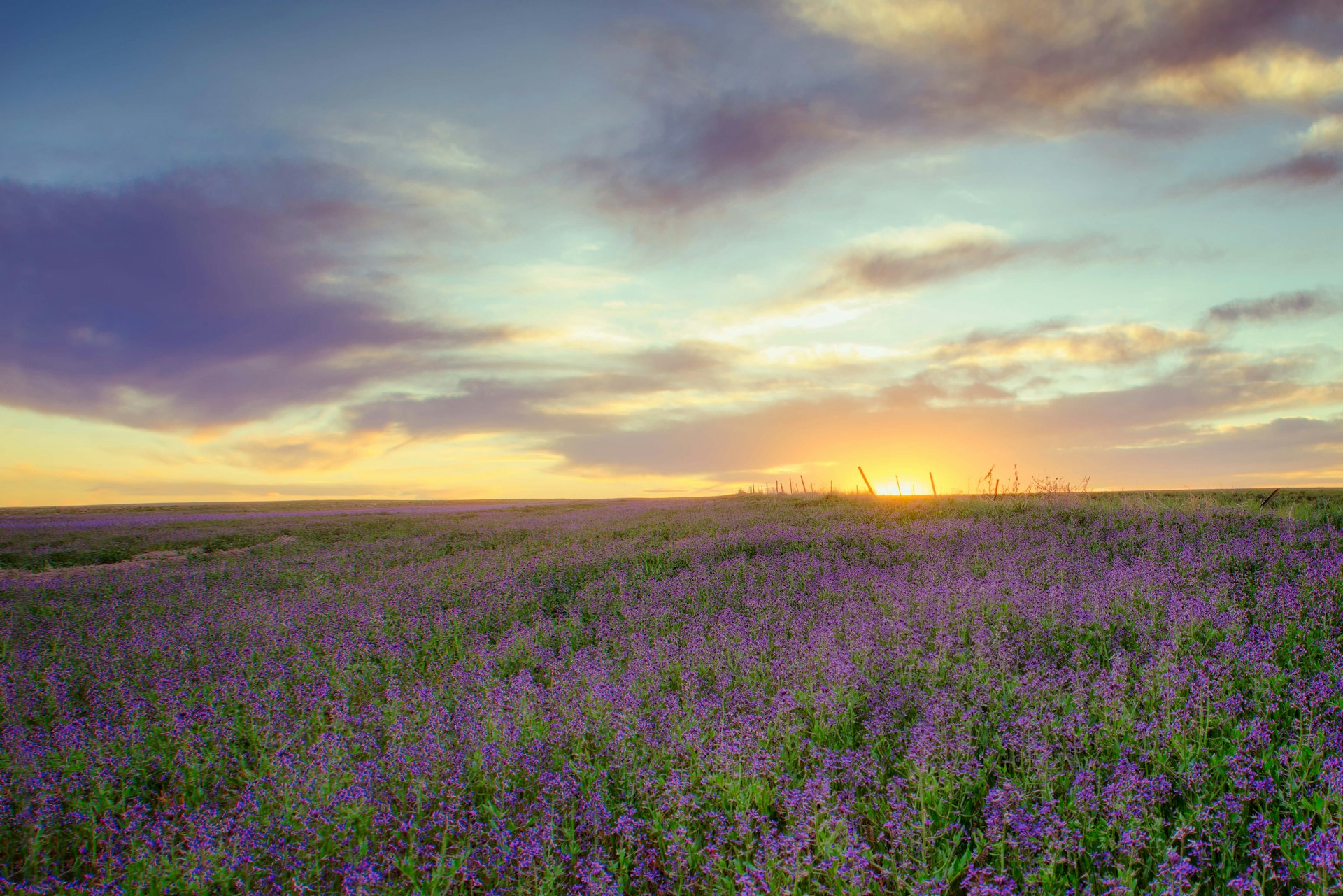
Each year around June 20 or 21, the Northern Hemisphere reaches its longest day. In Middle Georgia, daylight stretches a little past fourteen hours, the sun rises early and dusk lingers well past eight-thirty in the evening. It is a natural moment to pause at the top of the year’s arc and notice where you are.
What the solstice is
The solstice happens because Earth’s axis is tilted. Around late June, the Northern Hemisphere leans most directly toward the sun, so the sun climbs highest in the midday sky and stays up longest. After that, days slowly begin to shorten again, a few seconds at first and then minutes, until the winter solstice in December.
The word comes from the Latin sol, sun, and sistere, to stand still. In the weeks around the solstice, the sun’s rising and setting points along the horizon seem to pause before turning around and moving the other way.
Oddly, the longest day is not the hottest. Land and water keep absorbing heat for weeks afterward, which is why the steamiest stretch of a Georgia summer usually comes in July and August.
Midsummer around the world
People have marked this turning point for thousands of years. At Stonehenge in England, the great stones are aligned with the sunrise on the summer solstice. In Sweden, Midsummer is one of the most beloved holidays of the year, celebrated with flower crowns, dancing around a leafy maypole and long meals outdoors in the bright northern evening. Across much of Europe, the feast of St. John the Baptist on June 24 absorbed older midsummer customs, with bonfires and the gathering of herbs. St. John’s wort takes its name from blooming around that day.
These traditions share a theme: gratitude for light and abundance, and an awareness that the season is turning.
A simple solstice day at home
- Greet the sunrise. Take coffee or tea outside early, before the heat, and watch the light come up.
- Gather something. Cut a handful of herbs or flowers from the yard for the table, in the old midsummer spirit.
- Make a flower crown with children, twisting soft stems, herbs and greenery around a ring of florist wire or a flexible vine.
- Eat outdoors once the evening cools, keeping the meal simple.
- Watch the long dusk. Leave the lights off and notice the slow fading of color across the sky.
A question for the longest day
Many people like to pair the solstice with a moment of reflection. At the winter solstice, the questions are often about rest and what we hope will return. At midsummer, they can be about what has grown. Sit somewhere comfortable at dusk and ask: what has flourished in my life since winter? What would I like to tend more carefully as the days begin to shorten?
Write a few lines, light a candle on the porch table or simply sit with the question until the first fireflies appear. There is nothing to achieve. The point is to notice the turning of the year and to let a little of the long light settle in.