
Tag: keeping cool

  • Fans, Parked Cars and the Hottest Hour: Summer Cooling Myths and Facts

    Fans, Parked Cars and the Hottest Hour: Summer Cooling Myths and Facts

    Southerners have been finding ways to beat the heat for a very long time, and a good deal of folk wisdom has gathered along the way. Some of it is sound. Some of it is not. Here are six common summer beliefs, gently checked against what is actually known.

    At home

    Myth: A fan cools the room. Fans do not lower the temperature of the air. They create a breeze that helps sweat evaporate from your skin, which makes you feel cooler. That means a fan running in an empty room is cooling no one. The U.S. Department of Energy suggests turning fans off when you leave a room.

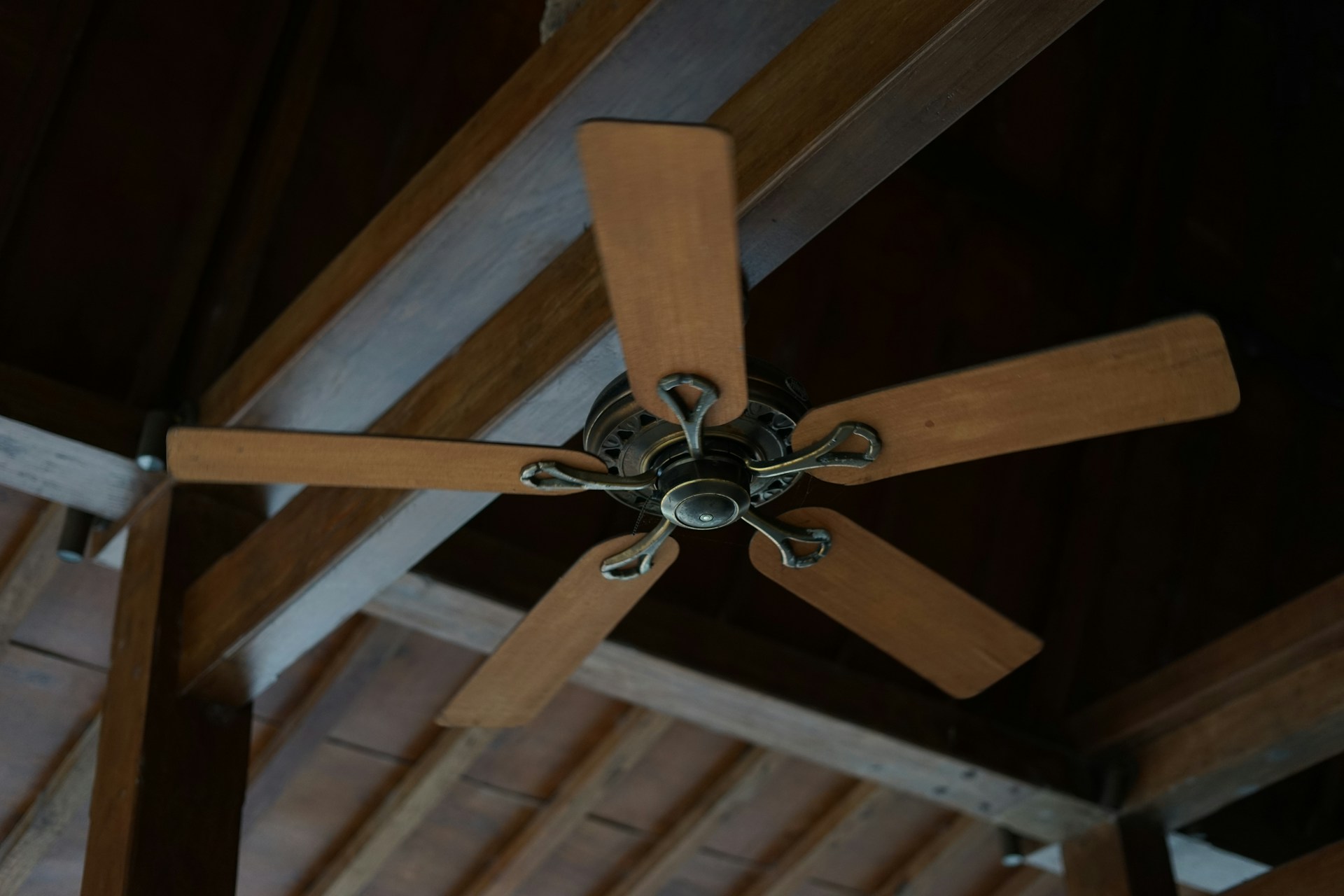
    Myth: Ceiling fan direction does not matter. It does. In summer, a ceiling fan should spin counterclockwise when you look up at it, pushing air down toward you for a cooling breeze. Most fans have a small switch on the motor housing to change direction, and many people reverse it for winter.

    Myth: Setting the thermostat very low cools the house faster. Most home air conditioners cool at the same rate no matter how low you set them. A much lower setting simply makes the system run longer and use more energy, and the house may end up colder than you wanted. Choose the temperature you actually want and give the system time to reach it.

    On the road

    Myth: Cracking the windows keeps a parked car safe. A closed car heats up very quickly in the sun, even on a day that feels only warm, and cracking the windows does little to slow it. Never leave a child, an older adult or a pet in a parked car, not even for a quick errand. It is also wise to check the back seat every time you leave the car, and to keep cars locked so children cannot climb in on their own.

    Outdoors

    Myth: Noon is the hottest part of the day. It depends on what you mean by hot. The sun’s ultraviolet light is strongest around the middle of the day, when the sun is highest. Air temperature, though, usually keeps climbing into mid to late afternoon, because the ground and pavement go on absorbing heat for hours. For outdoor plans in summer, the most comfortable hours are early morning and evening.

    Myth: If it is not raining, lightning is not a danger. Lightning can strike miles away from the rain. The National Weather Service advises that if you can hear thunder, you are close enough to be struck, and recommends going indoors and waiting until thirty minutes after the last thunder before heading back out. On summer afternoons in Georgia, when storms build quickly, that is worth remembering at the pool, the ballfield and the lake.

    The common thread

    Most of these myths grow from good instincts: wanting to cool off quickly, trusting the breeze, making a quick stop. The facts simply refine them. Use fans for people, not rooms. Let the thermostat do its work. Think of a parked car as dangerous, always. Plan around both the midday sun and the afternoon heat, and respect the thunder. A Georgia summer is easier to enjoy when the habits we lean on are ones that truly work.
  • The Hand Fan: A Short History of Keeping Cool in Style

    The Hand Fan: A Short History of Keeping Cool in Style

    Long before ceiling fans and central air, people kept cool with a flick of the wrist. The hand fan is one of humanity’s oldest comforts, and its history stretches from royal courts to small-town church pews. Even today, on a hot afternoon at an outdoor wedding or a ballgame in July, there is something pleasing about the slow, rhythmic sweep of a fan.

    Fans of the ancient world

    In ancient Egypt, large fans made of feathers on long handles were held by attendants to cool royalty and to mark their status. Fans were found among the treasures in the tomb of Tutankhamun, including one with a gold handle that once held ostrich feathers. Ancient China had rigid fans of silk, bamboo and feathers, and the round silk fan became a classic object of art, often painted with landscapes, flowers or poetry.

    The folding fan and its travels

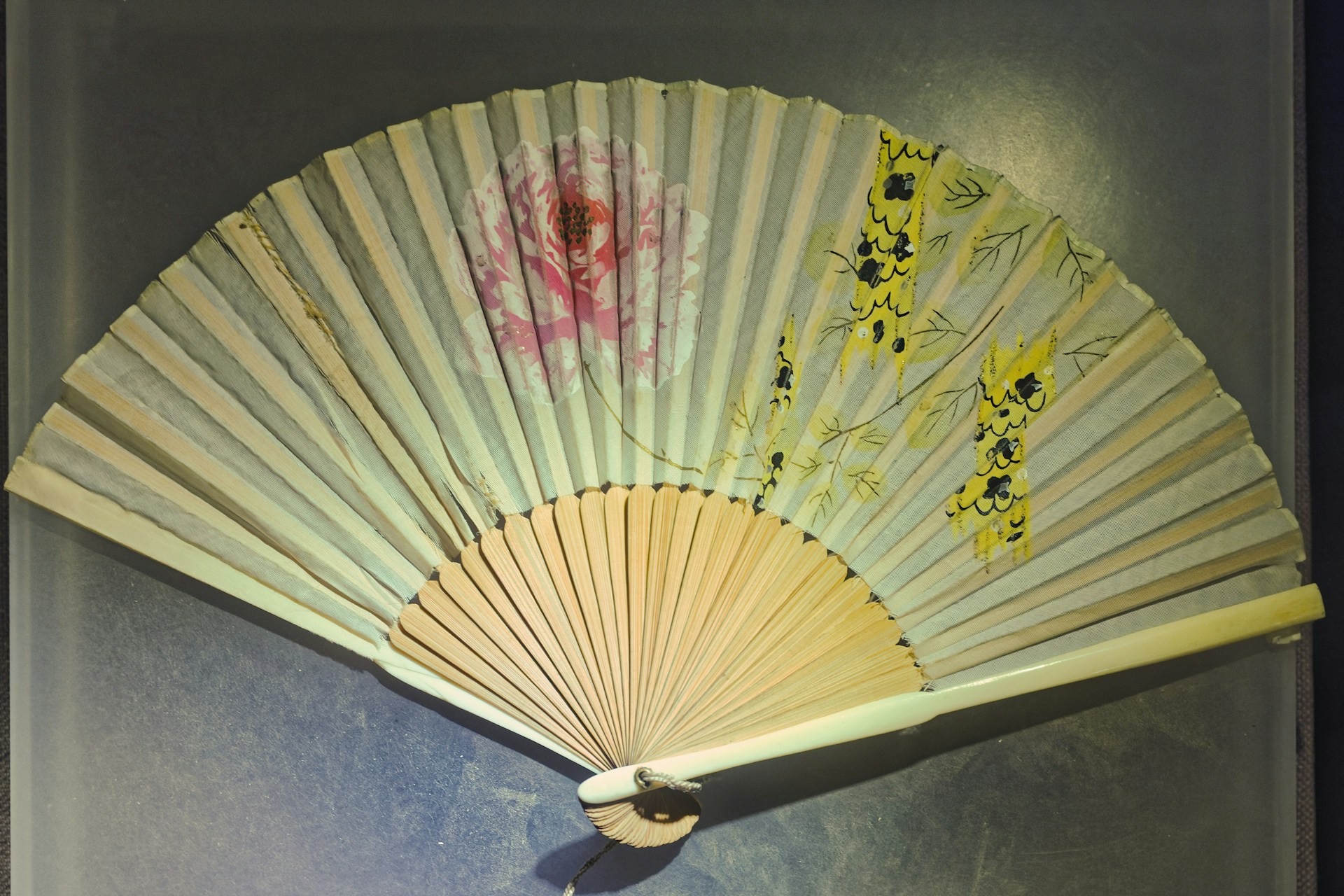
    The folding fan, which opens like a wing and closes into a slim baton, is generally thought to have developed in Japan, where early versions were made of thin strips of wood. It spread to China and later, through trade, to Europe. By the seventeenth and eighteenth centuries, fans had become essential fashion accessories in European society, made from painted paper, silk, lace, ivory and mother-of-pearl.

    Victorian booklets claimed to decode a secret language of the fan, in which the way a fan was held or moved sent messages across a crowded room. How often anyone actually used such signals is doubtful, but the idea captures the fan’s place in social life as much more than a cooling device.

    The church fan of the South

    In the American South, the most familiar fan is far humbler: a piece of printed cardboard stapled to a flat wooden stick. Before air conditioning, these fans were a fixture in church pews, often printed with a religious image on one side and an advertisement for a local funeral home or business on the other. On a Sunday morning in August, a whole congregation might be fanning in slow waves during the sermon. Many people still keep one tucked in a drawer, as much for memory as for cooling.

    Scented fans have their own tradition. Fans made from thin slats of sandalwood, common in parts of Asia, release a soft, woody fragrance with every stroke, combining cool air and scent in a single gesture.

    The quiet pleasure of fanning

    A hand fan does not lower the air temperature, but the breeze it creates helps sweat evaporate from your skin, which is why it feels cooler. There is more to it than physics, though. The steady back-and-forth has a calming rhythm, a little like rocking in a porch chair. It slows you down.

    • Keep a folding fan in your bag for outdoor events, hot waiting rooms and summer services.
    • Try fanning slowly in time with your breath: one sweep as you breathe in, another as you breathe out.
    • With children, fold a sheet of paper back and forth into an accordion, pinch one end and decorate it together.
    • Look for fans made from natural materials, such as paper, bamboo or wood, that will last for years.

    In an age of thermostats, the hand fan may seem old-fashioned. But on a sticky Georgia afternoon, it remains one of the most graceful ways to make the heat a little more bearable, one gentle stroke at a time.