Tag: macon

  • A Staycation That Feels Like a Real Break: Ground Rules and Small Escapes Close to Home

    Not every summer includes a trip. Sometimes the budget is tight, the calendar is crowded or the idea of packing, driving and unpacking simply sounds exhausting. A staycation, a word that became popular in the late 2000s, offers another option: time off spent at or near home but honored as a genuine vacation.

    The challenge is that home is full of reminders of everyday life. The laundry is right there. The leaky faucet is right there. Without a little planning, a staycation can quietly turn into a week of errands. These ground rules help keep it a real break.

    Set it up like a trip

    • Choose firm dates and take them as seriously as you would a plane ticket.
    • Set an out-of-office message and tell colleagues you will be unavailable, just as you would if you were traveling.
    • Do a quick tidy and grocery run before the first day, so you start with a calm house and a full refrigerator.
    • Plan easy meals: takeout from a favorite local spot, simple cold suppers and breakfasts that need no cooking.

    Make rules about chores

    This is the heart of a good staycation. Decide in advance what is off limits. For many people, that means no projects, no deep cleaning and no catching up on paperwork. A short daily reset, such as fifteen minutes of dishes and tidying, can keep the house pleasant without letting chores creep into the day.

    It also helps to hide the reminders. Close the door on the home office, tuck the to-do list in a drawer and turn off work notifications on your phone.

    Make home feel a little different

    Part of what makes a vacation restful is novelty. You can create some of that at home with small changes:

    • Put fresh sheets on the bed and fold the towels like a hotel.
    • Rearrange a corner of the porch into a reading nook with a fan, a pillow and a stack of books.
    • Eat breakfast somewhere new, such as on a tray in bed or at a table in the yard.
    • Keep a pitcher of something cold in the refrigerator and fresh flowers on the table.
    • Change your soundtrack: a new playlist, or the radio instead of the television.

    Be a tourist in your own town

    Most of us rarely visit the places visitors come to see. Middle Georgia has plenty to explore close by: riverside trails such as those at Amerson River Park, the water and shade at Lake Tobesofkee, historic homes, museums and the quiet grounds of local parks. Pick one outing a day at most, plan it for the cooler morning or evening hours, and check the official website for current hours, fees and conditions before you go.

    You might also book something you would normally save for a special trip, such as a long lunch, a massage or a facial. If you would like an hour of quiet care, our services page lists what we currently offer.

    Protect the rest

    Leave at least a few days with nothing planned. Sleep without an alarm, nap in the afternoon, read for hours and let boredom turn into daydreaming. A staycation does not need to be packed to be worthwhile. Often the best moments are the slow ones: a long swim, an evening on the porch, a morning that drifts into midday with nowhere you have to be.

    When the week ends, notice what felt most restful. Those small pleasures, a breakfast outside or an afternoon with a book, are worth keeping long after the out-of-office message comes down.
  • A Mindful Walk at Ocmulgee Mounds: Slowing Down in an Ancient Landscape

    A Mindful Walk at Ocmulgee Mounds: Slowing Down in an Ancient Landscape

    On the east side of Macon, across the river from downtown, a series of great earthen mounds rises above the floodplain. Ocmulgee Mounds National Historical Park preserves one of the most significant archaeological landscapes in the Southeast, a place where people have lived for many thousands of years. It is also one of the quietest places in the city to walk slowly and think. A visit in April, when the fields are green and the trees have leafed out, is a gift.

    A Very Old Place

    Archaeologists have found evidence of human presence at Ocmulgee stretching back to the end of the last ice age. The large mounds that define the park were built roughly a thousand years ago by people of the Mississippian culture, who constructed a town here with earthen platforms for ceremonial buildings and the homes of leaders. The Great Temple Mound is the tallest, rising from the edge of the plateau with a view across the river bottom.

    One of the park’s most remarkable features is the Earth Lodge, a reconstructed ceremonial building whose clay floor is original and roughly a thousand years old. Visitors can step inside and see the raised seats and the central fire pit arranged as they were when the town was alive.

    The land is part of the ancestral homeland of the Muscogee (Creek) people, who were removed from Georgia in the 1800s. Their descendants in Oklahoma maintain a deep connection to the site today. Visiting with that history in mind is part of what makes the place feel weighty.

    Planning a Visit

    The park has a visitor center with exhibits and a short film, and several miles of trails connect the mounds, the Earth Lodge, wetland boardwalks and river views. Hours, trail conditions, fees and programs can change, so check the park’s official website at nps.gov/ocmu before you go. Wear sturdy shoes, bring water and plan for at least an hour and a half if you want to walk the full loop.

    A Slow Way to Walk It

    Many visitors climb the Great Temple Mound, take a photograph and leave within half an hour. Try a different approach:

    • Begin at the Earth Lodge. Sit inside for several minutes in the dim light. Notice the temperature, the smell of earth and the quiet.
    • Walk the trail toward the mounds at half your usual pace. Stop whenever something catches your eye.
    • At the top of the Great Temple Mound, sit rather than stand. Watch the river, the trains and the sky for ten minutes. Think about the people who looked at this same view a thousand years ago.
    • On the way back, take the wetland boardwalk if it is open. Spring is full of frogs, turtles and birds.
    • Before you leave, pause at the edge of the parking lot and notice how you feel compared with when you arrived.

    Why Old Places Feel Steadying

    We make no health claims about walking among mounds. But there is a quiet effect that many people notice at ancient sites: the sense of one’s own worries shrinking to scale. A deadline, a difficult week, a crowded calendar all look different from the top of a structure that has stood through a thousand springs. The mounds are not a wellness destination. They are something older and plainer, and that is exactly their gift.

    If you live in Macon, you have one of the great contemplative landscapes of the South a few minutes from home. Go on a weekday morning in April, before the heat, and let it be slow.

  • Macon’s Cherry Blossoms: The Story of the Yoshino Trees and a Mindful Way to See Them

    Macon’s Cherry Blossoms: The Story of the Yoshino Trees and a Mindful Way to See Them

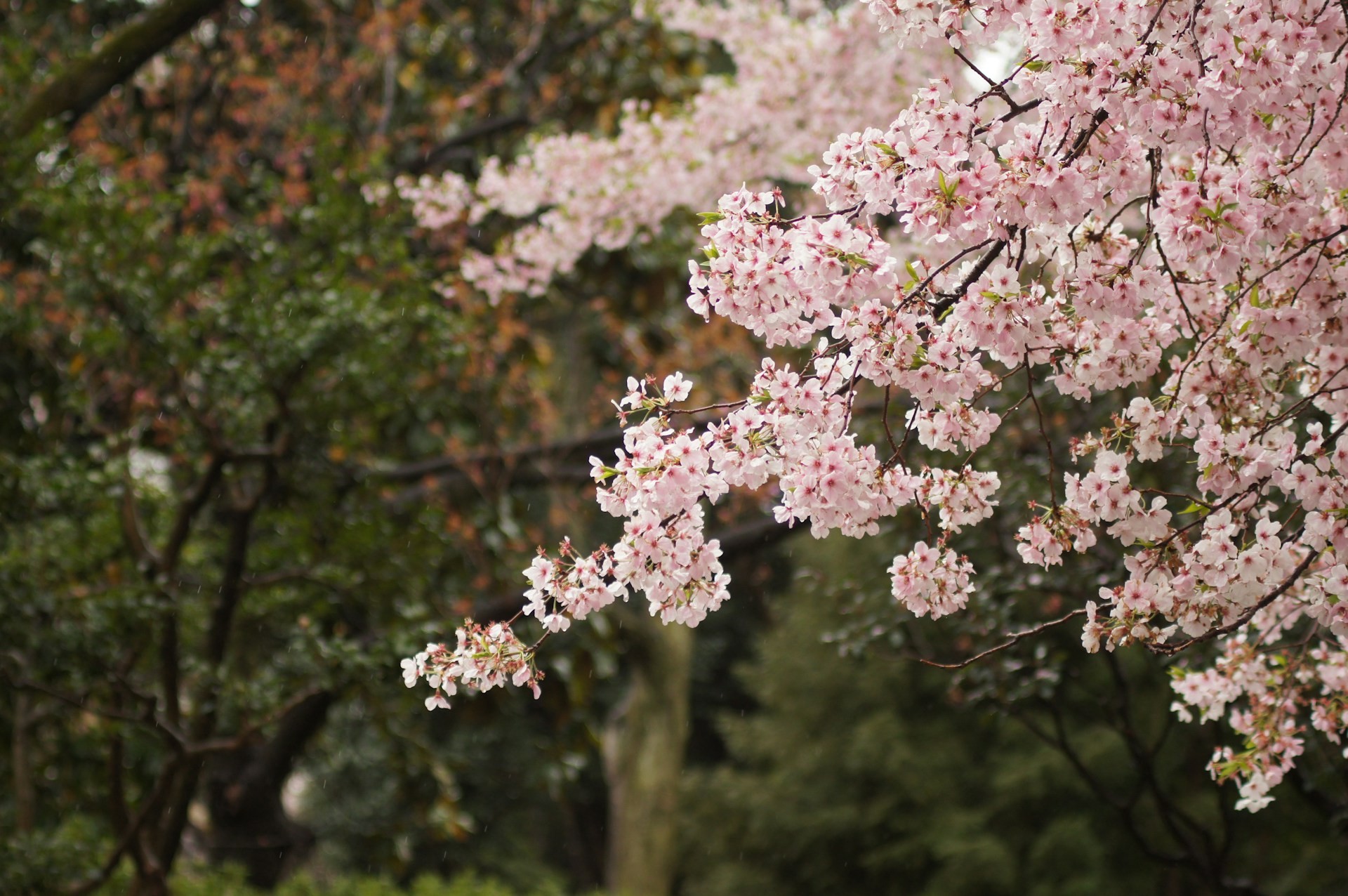
    Each March, Macon turns pink. Yoshino cherry trees bloom along streets, in parks and in front yards across the city, and for a week or two the whole town seems to slow down and look up. The display is one of the great pleasures of living in Middle Georgia, and it has a story worth knowing.

    How the Trees Came to Macon

    The Yoshino cherry is a Japanese variety known for clouds of pale pink blossoms that appear before the leaves. Macon’s association with the tree began in the middle of the twentieth century, when a local realtor named William A. Fickling Sr. noticed an unfamiliar flowering tree in his yard. He later recognized the same tree during a visit to Washington, D.C., where Yoshino cherries had been planted along the Tidal Basin, and identified his as the same variety.

    Fickling learned to propagate the trees and began giving them away. Over the following decades, he and his family donated enormous numbers of saplings to neighbors, schools and civic groups. Community volunteers, in particular a resident named Carolyn Crayton, organized plantings and in the early 1980s founded the International Cherry Blossom Festival to celebrate the bloom. The city has since called itself the Cherry Blossom Capital of the World.

    Festival dates, events and routes change from year to year, so check the festival’s official website for current information before planning a visit.

    When and Where to Look

    Bloom timing depends on the weather. A warm February can bring flowers in early March, while a cool one pushes them later. The full show usually lasts about a week, with petals drifting down for several days afterward. Many neighborhoods have their own displays, and gift trees from the Fickling family can still be found around the city. Local parks and the roadsides of older residential areas are reliable places to start.

    A Mindful Way to Walk Under the Blossoms

    In Japan, the practice of gathering beneath cherry trees is called hanami, or flower viewing, and it has been part of spring for more than a thousand years. The point is not to photograph the flowers and move on but to sit with them. You can borrow the spirit of hanami on any Macon street.

    • Leave your phone in your pocket for the first ten minutes.
    • Stand under a single tree and look up. Notice the layers of blossoms against the sky.
    • Listen. Bees are usually working the flowers, and there is a faint hum beneath the street noise.
    • Breathe in. Yoshino blossoms have a light, faintly almond-like scent that many people miss entirely.
    • Pick one branch and watch it for a full minute. See how it moves in the breeze.

    If you can, bring a blanket and a thermos and sit for a while. A short picnic under the trees is one of the simplest and loveliest things you can do in March.

    The Lesson of a Short Bloom

    Part of what makes cherry blossoms beloved in Japan is that they do not last. The Japanese phrase mono no aware describes the gentle, bittersweet awareness that beautiful things pass. Macon’s bloom is the same. A single storm can bring the petals down overnight.

    That brevity is a quiet lesson in attention. The blossoms ask you to notice them now, not next week. Spend an afternoon among them, let the petals land in your hair, and carry that habit of noticing into the rest of the spring.

  • Pollen Season Self-Care: A Simple After-Outdoors Routine for Yellow Days

    Pollen Season Self-Care: A Simple After-Outdoors Routine for Yellow Days

    Every spring, usually from mid-March into April, Middle Georgia turns yellow. Pine pollen settles on cars, porches, patio furniture and anything else left outside. Whether or not pollen bothers you, the season calls for a few extra habits to keep skin, hair and home feeling fresh. This is general self-care information. If you have allergies, breathing concerns or skin irritation, talk with your doctor about what is right for you.

    Know the Rhythm of the Day

    Pollen is not constant. Many local weather forecasts include a pollen count, and counts tend to run highest on dry, breezy mornings and lowest after a soaking rain. Planning longer outdoor time for the hours after a shower, or for a still evening, can mean coming home with less dust on you. On the heaviest days, a shorter walk may feel better than a long one.

    A Simple Routine When You Come Inside

    Pollen is a fine powder that clings to fabric, hair and skin. The goal of an after-outdoors routine is to leave it at the door rather than carry it to the sofa and the pillow.

    • Take shoes off at the entrance and keep a mat outside for a quick scuff.
    • Change out of the clothes you wore outside, especially after yard work, and put them straight into the hamper.
    • Wash your hands and face with lukewarm water and a gentle cleanser.
    • Rinse or wash your hair in the evening if you spent a long time outdoors, so the pollen does not transfer to your pillowcase.
    • Wipe glasses and sunglasses, which collect a surprising film.

    None of this needs to be elaborate. Two or three minutes at the door and five minutes in the bathroom cover most of it.

    Gentle Care for Skin and Eyes

    Some people find their skin feels dusty or dull during pollen season. A gentle cleanser morning and evening, followed by a light moisturizer, is generally enough. Avoid scrubbing, which can leave skin feeling raw, and stick to lukewarm rather than hot water.

    For eyes, a cool damp washcloth laid over closed lids for a few minutes can simply feel pleasant after a windy day. Saline or any other eye product is a question for your doctor or pharmacist, especially if you wear contact lenses.

    Protecting Your Sleep Space

    The bedroom deserves special attention because you spend so many hours there with your face against fabric.

    • Keep bedroom windows closed on high-pollen days, even when the breeze is tempting.
    • Wash pillowcases more often than usual during the peak weeks.
    • Keep pets who go outdoors off the bed, or wipe them down with a damp cloth when they come in.
    • Shower before bed on days you spent a lot of time outside.

    Remember the Upside

    It is easy to resent the yellow dust, but it comes with the best weeks of the Georgia year: cherry blossoms, azaleas, dogwoods and evenings warm enough to sit outside. The pollen is a sign that the trees are doing what trees do. A simple routine lets you enjoy the season rather than hide from it. And when the first hard rain finally washes the porch clean, it feels like a small celebration.

  • Winter Walks in Macon: Enjoying the Outdoors in the Quiet Season

    One of the gifts of living in Middle Georgia is that winter rarely keeps us indoors for long. Many January days are crisp and bright, perfect for a walk. The trees are bare, the trails are quieter and the low winter sun brings out colors you might miss in summer.

    Walking is a gentle form of movement that many people enjoy. If you have a health condition or have not been active in a while, check with your doctor before starting a new walking routine.

    Why Winter Walks Feel Different

    Walking in winter has its own character. Without leaves on the trees, you can see farther into the woods and spot birds more easily. Paths are often less crowded. The cool air can feel refreshing, and there is a special pleasure in coming home to a warm drink afterward.

    Places to Explore Around Macon

    Macon has several lovely spots for walking. A few to consider:

    • Ocmulgee Mounds National Historical Park, which preserves a landscape tied to more than ten thousand years of human history, including large earthen mounds built by Native American peoples. It has walking trails through fields and woods. Check nps.gov/ocmu for current hours, trail information and any closures before you go.
    • Amerson River Park, along the Ocmulgee River, with paths near the water and open green spaces.
    • The Ocmulgee Heritage Trail, which follows the river and connects several parks and areas in the city.
    • Your own neighborhood, which can feel new when you walk it slowly and pay attention.

    Trail conditions, hours and access can change, so check official sources for the latest information.

    Dressing for Comfort

    Middle Georgia winter weather can swing from frosty mornings to warm afternoons. Layers make it easy to adjust:

    • A light base layer that does not hold sweat
    • A sweater or fleece for warmth
    • A wind-resistant jacket on blustery days
    • A hat and gloves for early mornings
    • Comfortable, supportive shoes with good grip, since trails can be muddy after rain

    Carry water even in cool weather, and consider a small bag with a phone, a snack and a tissue or two.

    Walking Safely

    A few general safety habits help any walk go well:

    • Let someone know where you are going if you walk alone on trails.
    • Stick to marked paths and respect posted signs.
    • Wear something bright if you walk near roads, especially since it gets dark early in winter.
    • Plan to finish before sunset.
    • Watch for slick spots on boardwalks and leaves after rain or frost.

    Making the Walk a Mindful Practice

    A walk can be exercise, but it can also be a moment of calm. Try leaving your headphones at home for part of the way. Notice the sound of your footsteps, the smell of the air after rain, the feel of the wind on your face. Pick one thing to look for, such as a certain bird or the shapes of bare branches against the sky.

    When you return home, take a moment to notice how you feel. Maybe warmer, maybe more awake, maybe simply glad you went. A winter walk is a small, simple gift you can give yourself on almost any day.