
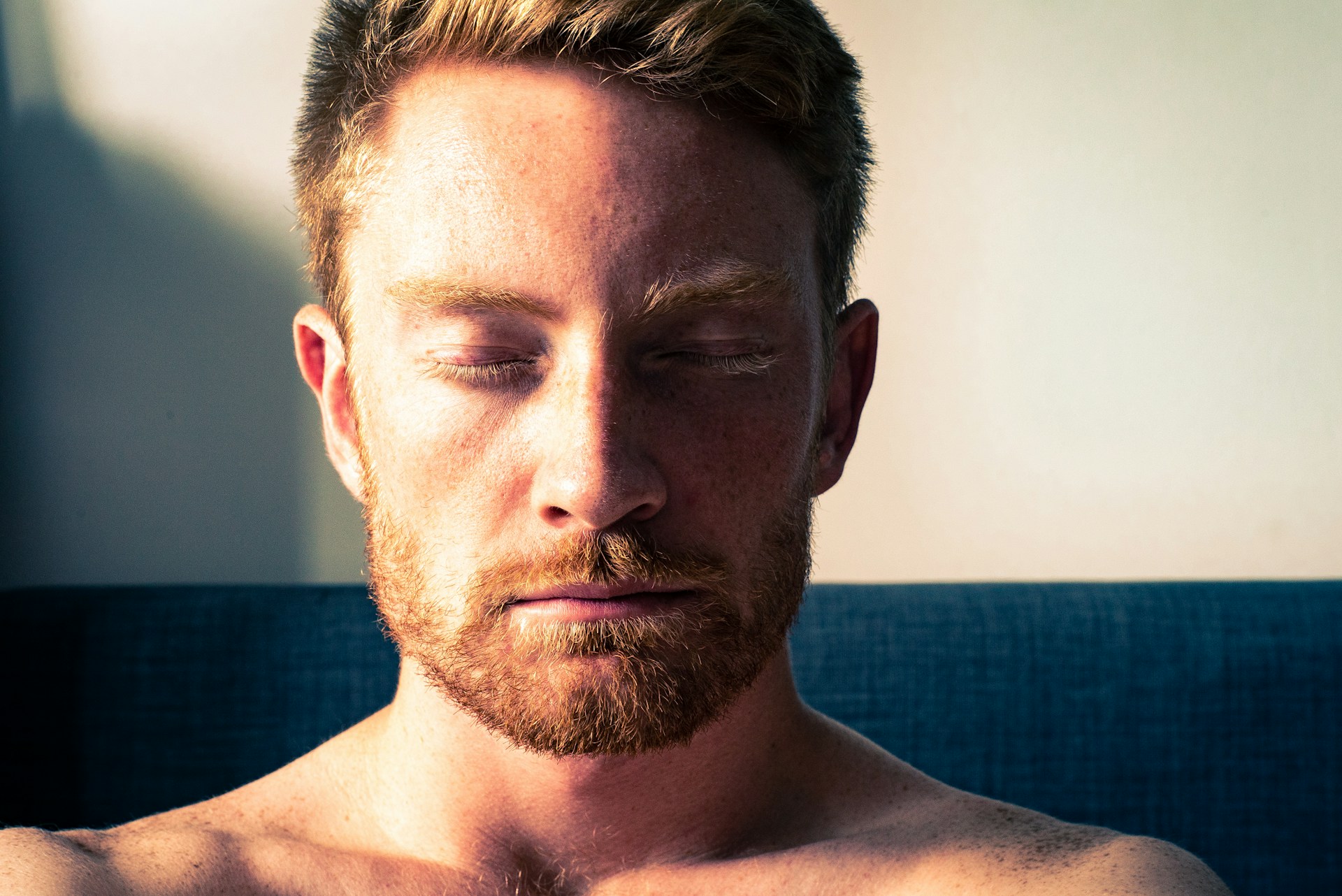
Progressive muscle relaxation is one of the oldest formal relaxation techniques and one of the simplest. You tense a group of muscles, hold briefly, and let go, moving through the body from one end to the other. The contrast between tension and release makes it easier to notice where you hold stress and what it feels like to let it soften. Many people use it at bedtime or during a long afternoon. It is a relaxation practice, not a treatment, and if you have an injury, chronic pain or a muscle condition, check with your doctor before trying it.
Where It Comes From
The technique was developed in the 1920s and 1930s by Edmund Jacobson, an American physician who studied the relationship between muscle tension and the feeling of being on edge. His original method was long and detailed. Over the decades it was shortened into the version most people learn today, which takes ten to twenty minutes and covers the major muscle groups in a set order.
Getting Ready
Find a quiet place where you can lie down or sit in a supportive chair. Loosen tight clothing, take off your shoes and let your arms rest at your sides. Close your eyes if that feels comfortable. Take three slow breaths, letting each exhale be a little longer than the inhale.
Throughout the practice, tense each muscle group firmly but not painfully, hold for about five seconds, then release all at once and rest for ten or fifteen seconds before moving on. Breathe in as you tense and out as you release.
The Sequence
- Feet: curl your toes downward, then release.
- Calves: point your toes toward your face so the calves tighten, then release.
- Thighs: press your knees together or push your heels into the floor, then release.
- Hips: squeeze, then release.
- Stomach: tighten as if bracing, then release.
- Chest: take a deep breath, hold it, then let it out slowly.
- Hands: make fists, then release and let the fingers go loose.
- Arms: bend your wrists back, then flex your upper arms, releasing after each.
- Shoulders: raise them toward your ears, then let them drop.
- Neck: press your head gently back into the surface behind you, then release.
- Face: raise your eyebrows, then squeeze your eyes shut, then clench your jaw, releasing after each. Finish by letting your whole face go slack.
When you reach the top, lie still for a minute or two. Scan the body from feet to head and notice any area that still feels tight. Give it one more gentle tense-and-release, or simply breathe into it.
Tips for a Better Practice
Tense less than you think you need to. The goal is noticing, not straining. Skip any area that hurts. If a guided recording helps you keep the rhythm, there are many free ones; choose a voice you find pleasant. Practicing at the same time each day, such as right before bed, helps the routine become familiar, and familiarity is what makes it work as a wind-down.
A Shorter Version
Once you know the sequence, you can compress it. Tense the whole lower body at once, then the torso, then the arms, then the face and neck. Four cycles take about three minutes and can be done sitting at a desk or in a parked car. Some people do a single whole-body tense-and-release, squeezing everything for five seconds and letting go, as a quick reset in a stressful moment.
Progressive muscle relaxation asks nothing but a few minutes and a little attention. The payoff is a clearer sense of what tension feels like in your own body, and a reliable way to invite it to leave.