Tag: relaxation

  • Legs Up the Wall: A Restful Evening Pose for the End of a Long Summer Day

    After a long July day of errands, yard work or hours on your feet, there is something wonderful about lying down and letting your legs rest up against a wall. This simple position, known in yoga as viparita karani, is one of the gentlest restful poses there is. It asks almost nothing of you, needs no special flexibility and can become a quiet part of your evening wind-down.

    As with any new movement practice, check with your doctor first if you have concerns. People who are pregnant, have glaucoma or other eye conditions, high blood pressure, heart conditions, or back, neck or hip problems should get personal advice before trying it.

    Setting up

    You need a clear stretch of wall and a soft surface to lie on, such as a rug, a yoga mat or a folded blanket. Some people like to do the pose on the bed with their legs against the wall behind the headboard.

    • Sit sideways with one hip close to the wall.
    • Lean back onto your elbows, then swing your legs up the wall as you lower your back to the floor. It may take a little wriggling to get comfortable.
    • Let your sitting bones rest a few inches from the wall. You do not need to be right up against it; a little distance often feels better, especially if the backs of your legs feel tight.
    • Rest your arms by your sides, palms up, or place your hands on your belly.

    A folded blanket or a small pillow under your head can make the position more comfortable. Some people like a folded blanket under the hips as well, but keep it simple to start.

    Settling in

    Once you are in position, let the wall hold your legs. Allow your feet to relax and your knees to soften slightly if they want to. Close your eyes or let your gaze rest softly on the ceiling.

    Turn your attention to your breath. Notice the rise and fall of your belly without trying to change it. You might feel your shoulders melting toward the floor and your jaw softening. If your mind starts making lists, gently bring it back to the breath or to the sensations in your legs and feet.

    Stay for five to ten minutes, or as long as feels comfortable. Many people describe a pleasant feeling of lightness in their legs and a sense of stillness in the rest of the body. If your feet begin to tingle or feel uncomfortable, bend your knees and bring the soles of your feet together, or come out of the pose.

    Coming out slowly

    When you are ready to finish, bend your knees toward your chest and roll gently onto one side. Rest there for a few breaths before pressing yourself up to sitting. Take a moment before standing, especially if you feel light-headed.

    Making it part of your evening

    Legs up the wall fits easily into a summer night. Try it after a cool shower, before reading in bed, or while listening to a calming piece of music. Dim the lights, run a fan for a gentle breeze and let this be the moment the day officially ends. A few quiet minutes with your legs resting against the wall can turn an ordinary evening into a small ritual of rest.
  • Sitali, the Cooling Breath: A Yoga Breathing Practice for Hot Days

    Sitali, the Cooling Breath: A Yoga Breathing Practice for Hot Days

    On a sweltering afternoon, most of us reach for a cold drink or a fan. Yoga offers another small tool: a breathing practice traditionally described as cooling. It is called sitali, and it takes only a few minutes, needs no equipment and can be done in a chair. Many people find the sensation of cool air moving across the tongue surprisingly refreshing.

    Where sitali comes from

    Sitali, also spelled shitali or sheetali, is one of the pranayama practices of hatha yoga. Pranayama refers to the deliberate shaping of the breath. The Hatha Yoga Pradipika, a well-known yoga text from the fifteenth century, describes sitali alongside a related practice called sitkari. The name comes from a Sanskrit word meaning cool, and the practice has long been associated with hot weather.

    We share it here as a pleasant, simple experience to try, not as a remedy for anything.

    How to practice sitali

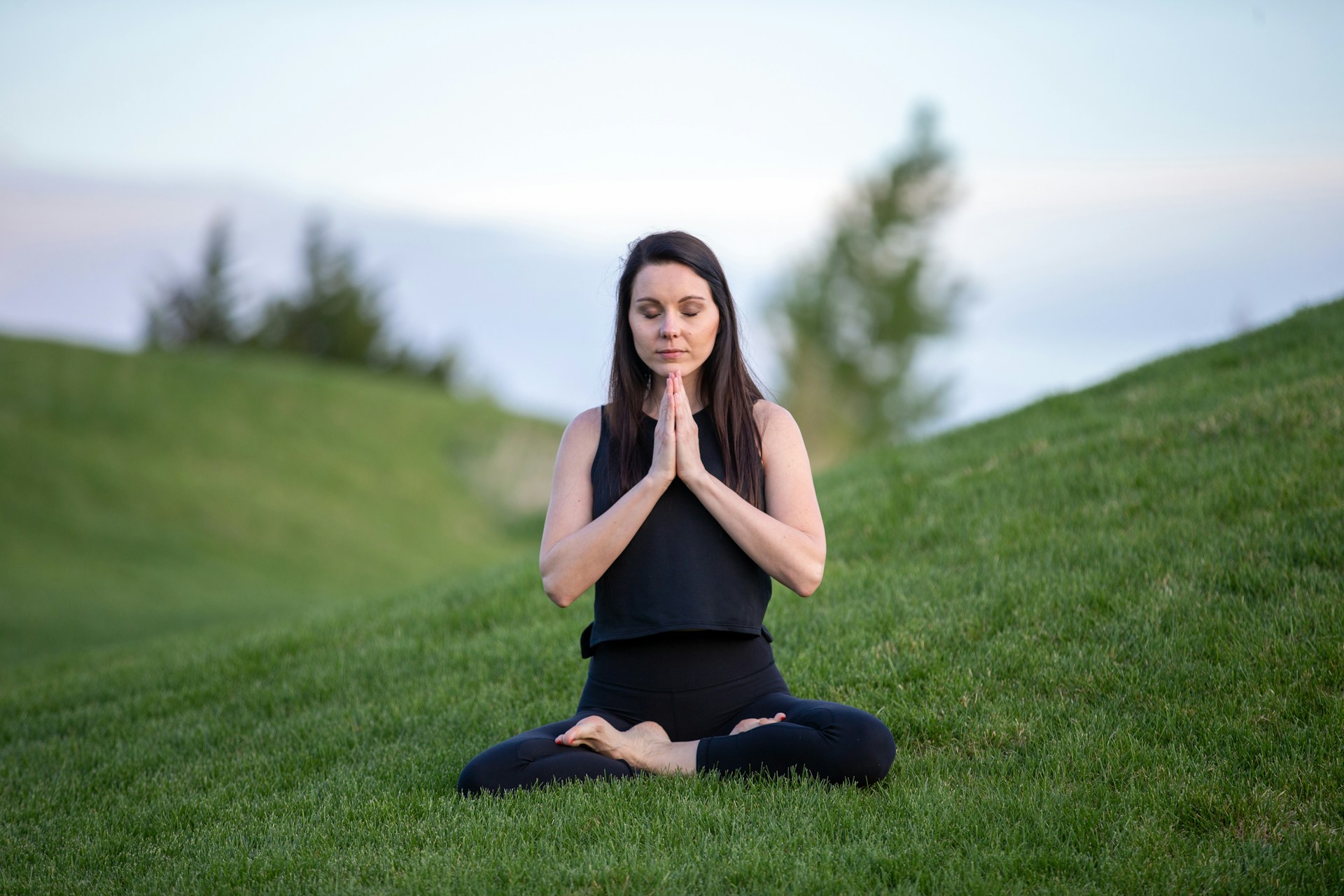
    • Sit comfortably, with your back upright but relaxed. A chair is fine.
    • Take one or two ordinary breaths and let your shoulders drop.
    • Open your mouth and curl the sides of your tongue upward to form a tube, letting the tip extend slightly past your lips.
    • Inhale slowly and smoothly through the tube of your tongue, as if sipping air through a straw. Notice the coolness.
    • Close your mouth and exhale slowly through your nose.
    • Repeat for five to ten rounds, then return to normal breathing for a minute and notice how you feel.

    If you cannot curl your tongue

    Not everyone can roll the tongue into a tube, and that is perfectly fine. The alternative, sitkari, works for anyone. Bring your upper and lower teeth lightly together, part your lips and draw the breath in slowly through the gaps between your teeth, making a soft hissing sound. Close your mouth and exhale through your nose. The incoming air feels cool on the teeth and tongue in much the same way.

    When to try it, and when to skip it

    Sitali can be a nice companion to a summer day: after coming inside from the heat, after an evening walk, during an afternoon slump or as part of a wind-down routine on a warm night. Pair it with a cool shower or a glass of water rather than using it in place of them.

    Because you are breathing in through the mouth, practice where the air is clean. Skip it outdoors on heavy pollen days or anywhere smoky or dusty. Go slowly, and stop if you feel lightheaded, dizzy or uncomfortable. If you have a respiratory or heart condition, are pregnant or have any other health concern, talk to your doctor before trying new breathing practices. And on genuinely dangerous heat days, no breathing technique replaces shade, water, air conditioning and medical help when it is needed.

    Used gently, sitali is a small summer ritual: a few cool breaths, a few quiet moments and a reminder that even in the heaviest heat, you can pause, slow down and come back to yourself.

  • Yoga Nidra: An Introduction to the Practice of Deep Rest

    Yoga Nidra: An Introduction to the Practice of Deep Rest

    Yoga nidra is sometimes translated as yogic sleep, which is both accurate and slightly misleading. The practice is done lying down, usually with a blanket and an eye pillow, and many people drift close to sleep during it. But the intention is not to fall asleep. It is to rest deeply while remaining faintly aware, following a guide’s voice through a structured journey of attention. For people who find seated meditation difficult, yoga nidra is often a welcome alternative. It is a relaxation practice, not a treatment; if you have a health concern, talk with your doctor.

    Where It Comes From

    The term appears in old Indian texts, where it refers to a state of conscious rest. The modern, structured practice most studios teach today was developed in the mid-twentieth century by Swami Satyananda Saraswati, a teacher who drew on traditional tantric practices and arranged them into a guided sequence that could be taught to ordinary people. Other teachers have since created their own variations, and recordings are widely available, but most follow a similar shape.

    What a Session Looks Like

    A session usually lasts twenty to forty-five minutes and is entirely guided. You do nothing but lie still and listen. A typical sequence:

    • Settling. You lie on your back, get comfortable with props and are invited to let the body grow heavy.
    • Intention. The guide asks you to bring to mind a short, positive statement about how you want to live, sometimes called a sankalpa, and to repeat it silently.
    • Rotation of awareness. The guide names parts of the body in a set order, often quite quickly, and you move your attention to each one without moving the body itself.
    • Breath awareness. You notice the breath moving in and out, sometimes counting backward.
    • Sensations and images. The guide may invite you to notice opposites, such as heaviness and lightness or warmth and coolness, or to picture a series of simple images.
    • Return. You revisit your intention, then slowly bring awareness back to the room before moving.

    If you fall asleep partway through, that is fine. Many people do. The practice still counts.

    Setting Up at Home

    You need very little:

    • A quiet room and a yoga mat, carpet or bed.
    • A blanket, since body temperature drops during deep rest.
    • A pillow under the head and perhaps a rolled towel under the knees.
    • An eye pillow or a folded cloth over the eyes.
    • A recording. Many free ones exist; choose a voice you find pleasant and a length that fits your schedule.

    Late afternoon or early evening is a popular time, but any hour works. Some people use a short session as a reset between the workday and the evening.

    How It Differs From a Nap

    A nap is unstructured sleep. Yoga nidra is a guided practice in which you aim to stay on the edge of awareness. Many people describe the state as being awake and asleep at the same time, hearing the voice but feeling very far away. That borderline is where the practice lives, and it tends to get easier to find with repetition.

    A Gentle Beginning

    Start with a short recording of fifteen or twenty minutes, two or three times a week. Lie down, cover up and let the voice do the work. Do not try to do it well. There is no wrong way to lie still. On a warm April afternoon with the windows open and the birds outside, yoga nidra is one of the most restful half hours you can give yourself, and it costs nothing but the time.

  • Progressive Muscle Relaxation: A Step-by-Step Guide

    Progressive Muscle Relaxation: A Step-by-Step Guide

    Progressive muscle relaxation is one of the oldest formal relaxation techniques and one of the simplest. You tense a group of muscles, hold briefly, and let go, moving through the body from one end to the other. The contrast between tension and release makes it easier to notice where you hold stress and what it feels like to let it soften. Many people use it at bedtime or during a long afternoon. It is a relaxation practice, not a treatment, and if you have an injury, chronic pain or a muscle condition, check with your doctor before trying it.

    Where It Comes From

    The technique was developed in the 1920s and 1930s by Edmund Jacobson, an American physician who studied the relationship between muscle tension and the feeling of being on edge. His original method was long and detailed. Over the decades it was shortened into the version most people learn today, which takes ten to twenty minutes and covers the major muscle groups in a set order.

    Getting Ready

    Find a quiet place where you can lie down or sit in a supportive chair. Loosen tight clothing, take off your shoes and let your arms rest at your sides. Close your eyes if that feels comfortable. Take three slow breaths, letting each exhale be a little longer than the inhale.

    Throughout the practice, tense each muscle group firmly but not painfully, hold for about five seconds, then release all at once and rest for ten or fifteen seconds before moving on. Breathe in as you tense and out as you release.

    The Sequence

    • Feet: curl your toes downward, then release.
    • Calves: point your toes toward your face so the calves tighten, then release.
    • Thighs: press your knees together or push your heels into the floor, then release.
    • Hips: squeeze, then release.
    • Stomach: tighten as if bracing, then release.
    • Chest: take a deep breath, hold it, then let it out slowly.
    • Hands: make fists, then release and let the fingers go loose.
    • Arms: bend your wrists back, then flex your upper arms, releasing after each.
    • Shoulders: raise them toward your ears, then let them drop.
    • Neck: press your head gently back into the surface behind you, then release.
    • Face: raise your eyebrows, then squeeze your eyes shut, then clench your jaw, releasing after each. Finish by letting your whole face go slack.

    When you reach the top, lie still for a minute or two. Scan the body from feet to head and notice any area that still feels tight. Give it one more gentle tense-and-release, or simply breathe into it.

    Tips for a Better Practice

    Tense less than you think you need to. The goal is noticing, not straining. Skip any area that hurts. If a guided recording helps you keep the rhythm, there are many free ones; choose a voice you find pleasant. Practicing at the same time each day, such as right before bed, helps the routine become familiar, and familiarity is what makes it work as a wind-down.

    A Shorter Version

    Once you know the sequence, you can compress it. Tense the whole lower body at once, then the torso, then the arms, then the face and neck. Four cycles take about three minutes and can be done sitting at a desk or in a parked car. Some people do a single whole-body tense-and-release, squeezing everything for five seconds and letting go, as a quick reset in a stressful moment.

    Progressive muscle relaxation asks nothing but a few minutes and a little attention. The payoff is a clearer sense of what tension feels like in your own body, and a reliable way to invite it to leave.

  • Sound and Relaxation: Nature Sounds, White Noise and Quiet

    Sound and Relaxation: Nature Sounds, White Noise and Quiet

    Sound has a powerful effect on how we feel. A sudden car alarm can make us tense, while the sound of rain on the roof can make us want to curl up with a book. Thoughtfully choosing the sounds around us, or the absence of sound, is a simple way to support relaxation, focus and rest.

    This is general wellness information. If you have hearing concerns, tinnitus or ongoing sleep problems, please talk with your doctor.

    Nature Sounds

    Many people find nature sounds soothing. Common favorites include:

    • Gentle rain
    • Ocean waves
    • A flowing creek or river
    • Birdsong in the morning
    • Wind through trees
    • Crickets and frogs on a summer night

    You can enjoy these sounds outdoors, through an open window or through recordings. Many people use nature sounds to help them relax in the evening or to create a calm atmosphere while reading or working.

    White Noise and Its Relatives

    White noise is a steady sound that contains a broad mix of frequencies, a bit like the hiss of a radio between stations. People often use it to mask other sounds. You may also hear about related types:

    • Pink noise, which sounds deeper and softer, a bit like steady rainfall
    • Brown noise, which is deeper still, a bit like a low rumble or distant waterfall

    A fan, an air purifier or a dedicated sound machine can all provide steady background sound. Many people find that a consistent sound helps mask sudden noises, like a door closing or a dog barking, that might otherwise disturb them.

    Music for Relaxation

    Music can also be a lovely part of a calming routine. Slow, gentle music without lyrics is often preferred for relaxation, because lyrics can draw your attention. Classical pieces, soft piano, ambient music or instrumental acoustic guitar are all good choices. Choose music you genuinely enjoy, since personal taste makes a big difference.

    Keep the Volume Comfortable

    Whatever you listen to, keep the volume at a comfortable, moderate level, especially with headphones. If you use sound to help you sleep, a timer that turns it off after a while can be helpful.

    The Value of Quiet

    Sometimes the most restful sound is no sound at all. Many people rarely experience true quiet, with televisions, phones and traffic filling their days. Try spending a few minutes in silence each day, perhaps in the early morning or late evening. Notice what you hear when you stop adding sound: the hum of the house, the wind outside, your own breath.

    Creating Your Sound Routine

    Experiment with different sounds for different moments:

    • Birdsong or soft music in the morning
    • Instrumental music or gentle background sound during focused work
    • Nature sounds or quiet during an evening wind-down
    • Steady background sound, or silence, for sleep

    Notice which sounds help you feel calm and which feel distracting. Over time, you can build a sound routine that supports how you want to feel throughout the day.

  • The Body Scan: A Simple Relaxation Practice You Can Do Lying Down

    The Body Scan: A Simple Relaxation Practice You Can Do Lying Down

    The body scan is a classic relaxation and mindfulness practice. It involves slowly moving your attention through each part of your body, noticing sensations without trying to change them. It can be done lying in bed, on a mat or in a comfortable chair, and it takes anywhere from five to thirty minutes.

    Many people enjoy a body scan as part of an evening wind-down routine. If you have chronic pain, a health condition or a history of trauma, consider talking with your doctor or a licensed professional before starting new mindfulness practices, and feel free to keep your eyes open or stop at any time.

    Getting Ready

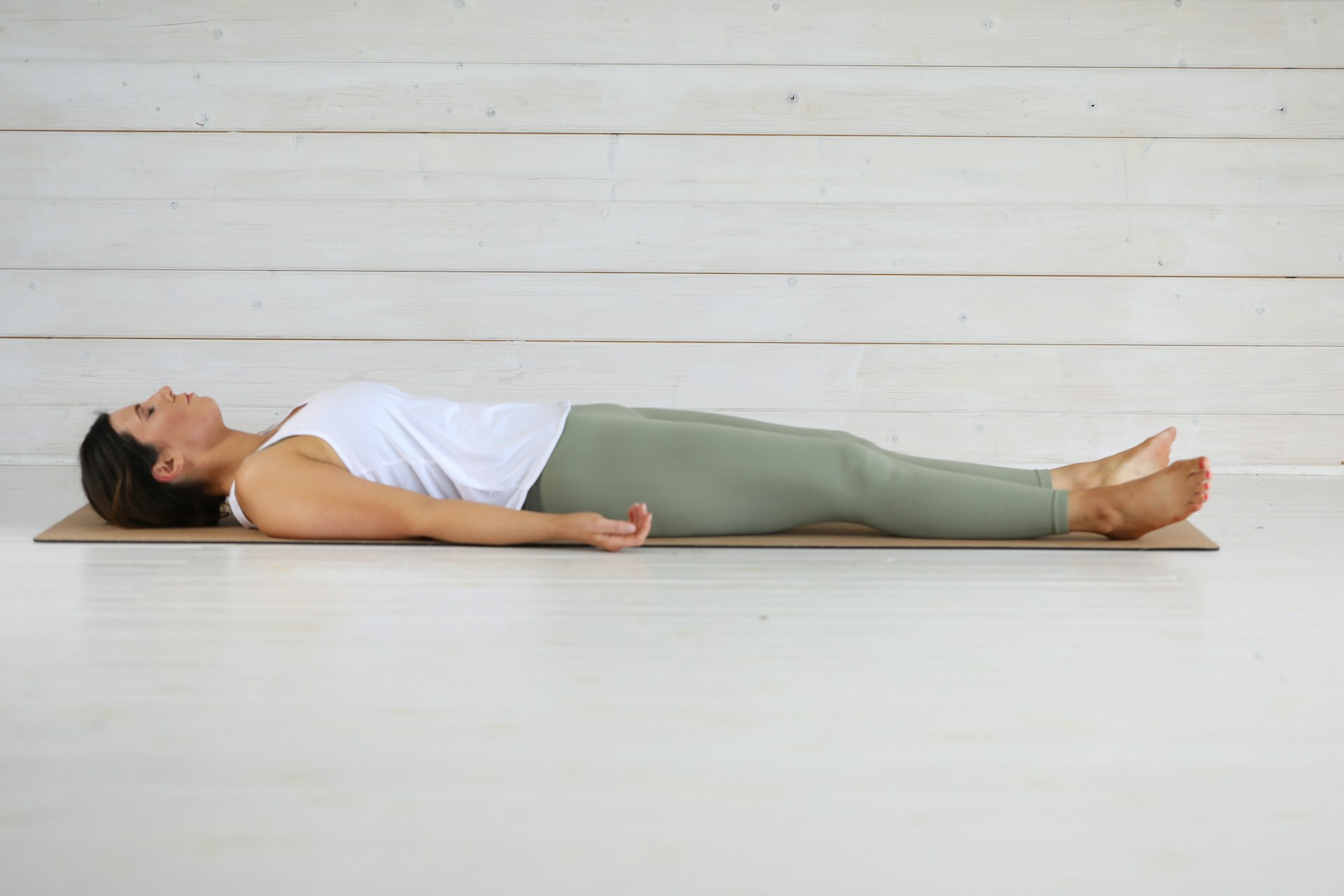
    Choose a quiet space where you will not be interrupted. Lie on your back with your arms resting by your sides and your legs comfortably apart. You can place a pillow under your knees for comfort. If lying down is uncomfortable, sit in a supportive chair instead.

    Close your eyes or soften your gaze. Take a few slow, natural breaths.

    The Practice, Step by Step

    Feet and Legs

    Bring your attention to your toes. Notice any sensations: warmth, coolness, tingling or nothing at all. There is no right thing to feel. Slowly move your attention to the soles of your feet, your heels, your ankles. Then move up through your calves, knees and thighs. Take your time.

    Hips, Belly and Back

    Notice where your body makes contact with the bed or floor. Move your attention through your hips and lower back. Notice your belly gently rising and falling with each breath. Then move up through your middle and upper back.

    Chest, Arms and Hands

    Notice your chest and the rhythm of your breathing. Then bring your attention to your shoulders, which often hold tension. Move down through your upper arms, elbows, forearms, wrists, palms and each finger.

    Neck, Face and Head

    Notice your neck and throat. Then move to your jaw, which many people clench without realizing. Notice your lips, cheeks, nose, eyes and forehead. Finally, bring your attention to the top of your head.

    When Your Mind Wanders

    Your mind will wander. When you notice it has, gently return your attention to the last part of the body you remember. There is no need to start over or criticize yourself. Returning is the practice.

    If You Notice Tension

    When you find areas of tightness, you can simply notice them. Some people like to imagine breathing into the tense area, or allowing it to soften slightly as they exhale. Others prefer to simply observe. Either approach is fine.

    Finishing the Practice

    After you have scanned your whole body, take a few moments to notice it as a whole. Feel the breath moving through you. Then slowly wiggle your fingers and toes, stretch gently and open your eyes. If you are practicing before sleep, you may simply let yourself drift off.

    Making It a Habit

    Body scans can feel unfamiliar at first, but they often become easier with practice. Try one a few nights a week, perhaps as the last step of your bedtime routine. You can also find guided body scan recordings from many sources if you prefer a voice to follow. Over time, this simple practice can help you feel more at home in your own body.

  • The Bath as a Ritual: History, Epsom Salt and Simple Comforts

    A warm bath on a cool February evening is one of life’s simple comforts. But bathing as a ritual of relaxation and community is far older than modern bathtubs. Across cultures and centuries, people have gathered at baths, springs and bathhouses to wash, rest and connect.

    Bathing Through History

    The ancient Romans built enormous public baths, called thermae, where people bathed in pools of different temperatures, exercised and socialized. The city of Bath in England takes its name from the Roman baths built around natural hot springs there, which visitors can still see today.

    Other cultures developed their own bathing traditions. In Japan, onsen, or hot spring baths, have a long history, as does the custom of public bathhouses called sento. In Finland, the sauna is a deep part of national culture. The Turkish hammam, a steam bath tradition, spread across the Ottoman world.

    In the United States, mineral springs became popular destinations in the nineteenth century. Georgia has its own famous example: Warm Springs, where Franklin D. Roosevelt visited and later established a facility for people affected by polio. The Little White House he built there is now a state historic site.

    The Story of Epsom Salt

    Epsom salt takes its name from the town of Epsom in Surrey, England. According to local history, a spring with bitter-tasting water was found there in the early seventeenth century, and it became a popular destination for visitors. The mineral salt found in the water is magnesium sulfate, which is what Epsom salt is today.

    Many people enjoy adding Epsom salt to a warm bath as part of a relaxing ritual. It is widely available and inexpensive. As with any bath product, it is best enjoyed for the experience. If you have health concerns, skin conditions or diabetes, or are pregnant, check with your doctor before adding salts or other products to your bath.

    Creating a Calm Bath Ritual

    A relaxing bath is less about products and more about atmosphere:

    • Tidy the bathroom and clear the edge of the tub.
    • Dim the lights or use battery candles.
    • Run the water comfortably warm, not hot.
    • Add Epsom salt, a gentle bath product or simply plain water.
    • Keep a glass of water nearby.
    • Play soft music or enjoy the quiet.

    A Note on Essential Oils in the Bath

    Essential oils do not mix with water, so drops added directly to the bath may float on the surface and come into concentrated contact with skin. If you want to add scent, many aromatherapy references suggest first mixing a small amount of essential oil with a carrier oil or another dispersing ingredient. Use low amounts, avoid oils known to irritate skin and skip essential oils for children’s baths unless your pediatrician has approved them.

    After the Bath

    Take your time getting out, since a warm bath can leave some people feeling lightheaded. Pat your skin dry and apply moisturizer while skin is still slightly damp. Slip into something cozy and move slowly into the rest of your evening.

    Whether you are soaking in a hot spring or your own tub at home, bathing connects you to one of the oldest relaxation rituals in human history.

  • Planning a Relaxing Day for Two: Calm Ideas for Couples and Close Friends

    Planning a Relaxing Day for Two: Calm Ideas for Couples and Close Friends

    When February rolls around, many couples feel pressure to plan something impressive. But a crowded restaurant and a rushed evening are not the only way to celebrate. A relaxing day together, focused on rest and connection, can be just as meaningful. These ideas also work beautifully for close friends, siblings or a parent and grown child.

    Start With a Slow Morning

    Let the day begin without an alarm if you can. Make a simple breakfast together, perhaps pancakes, eggs or a bowl of fruit and yogurt. Eat at the table rather than in front of a screen. Linger over coffee or tea and talk about something other than chores or schedules.

    A few conversation starters:

    • What is a favorite memory we share?
    • Where would you love to travel someday?
    • What is something you are looking forward to this year?
    • What small thing made you happy this week?

    Step Outside Together

    A walk is a lovely way to spend time together without distractions. In Middle Georgia, February often brings mild days, and early signs of spring may start to appear. Choose a quiet park, a trail or simply your neighborhood. Walking side by side often makes conversation feel easy and natural.

    Plan Something Restful

    The heart of the day is rest. Consider:

    • Booking relaxing appointments, such as facials or another calming experience, at the same time
    • Creating a home spa afternoon with warm towels, masks and soft music
    • Trading simple hand or foot massages with a little lotion
    • Reading side by side in a cozy corner
    • Napping without guilt

    Choose activities that both of you enjoy. The aim is shared comfort, not an agenda.

    Cook a Simple Dinner

    Cooking together can be its own kind of date. Pick a recipe that is easy and fun, not stressful. Put on music, divide up the tasks and enjoy the process. Set the table with a candle or a few flowers. Afterward, leave the dishes for a while and enjoy the meal.

    If cooking feels like work, there is no shame in ordering takeout and eating it by candlelight. The setting matters more than the menu.

    Unplug for the Evening

    Consider putting phones away for the evening. Without the constant pull of notifications, you may find yourselves talking, laughing or simply sitting together more comfortably. Play a board game, look through old photos or watch a favorite movie together.

    Close the Day Gently

    End the evening with something calm. Take a warm shower, sip herbal tea or step outside to look at the stars. Share one thing you appreciated about the day.

    A relaxing day together is not about doing everything perfectly. It is about setting aside the usual rush and simply enjoying each other’s company. That kind of time is a gift, whether it falls on Valentine’s Day or any other day of the year.

  • How to Create a Home Spa Night on a Cold Winter Evening

    How to Create a Home Spa Night on a Cold Winter Evening

    A cold January evening is the perfect excuse to stay in and take care of yourself. A home spa night does not require special equipment or expensive products. It is mostly about atmosphere, intention and a little time set aside just for you.

    Set the Scene

    Start by preparing your space. A calm environment helps you shift out of the busy mode of the day.

    • Tidy the bathroom or the room you plan to use.
    • Lower the lights and use a lamp, a nightlight or battery candles.
    • Put on soft music or simple nature sounds.
    • Lay out a clean towel, a robe and slippers.
    • Put your phone on silent and leave it in another room.

    If you enjoy scent, a diffuser with a few drops of a favorite essential oil can add to the mood. Run it for a short time in a ventilated room, and be mindful of pets and family members.

    Begin With Warmth

    Warmth is a big part of the spa feeling. A warm shower or bath is a natural starting point. Keep the water comfortably warm rather than very hot, which can dry out skin in winter. If you prefer not to bathe, a warm footbath in a basin can be just as relaxing.

    Make a warm, caffeine-free drink, such as an herbal tea, to sip as you go.

    Treat Your Skin Gently

    Choose one or two simple skincare steps:

    • Cleanse your face with a gentle cleanser.
    • Apply a mask you already own, or simply lay a warm, damp washcloth over your face for a minute.
    • Smooth on a rich moisturizer while skin is still slightly damp.
    • Massage cream into your hands, elbows and feet.

    Avoid trying several new products at once, especially on your face. If you want to try something new, patch test it first.

    A Simple Self-Massage

    Massage can be one of the most relaxing parts of the evening. Using a little lotion or a carrier oil, gently massage your hands, working from the palm out to each finger. Then try your feet, using your thumbs to make slow circles along the sole. Use light pressure and stop if anything feels uncomfortable.

    Rest and Unwind

    After your skincare, wrap yourself in a blanket and spend a few minutes doing something quiet. You might read, journal, listen to music, or simply lie still and breathe. This is not the time to catch up on email or scroll the news. Let yourself do nothing for a while.

    Make It a Ritual

    A home spa night is even more relaxing when it becomes a regular part of your week or month. Pick a night that tends to be quiet, put it on your calendar and protect it. Over time, simply lighting the same lamp or pouring the same tea may begin to feel like a signal to slow down.

    Some evenings you may want an elaborate routine. Other times, a warm shower and a good book are enough. Either way, the goal is simply to give yourself an unhurried evening of rest.

  • Oxygen Bars Explained: What a Session Is Like

    Oxygen Bars Explained: What a Session Is Like

    Oxygen bars first gained popularity in the 1990s, appearing in nightclubs, casinos, airports and spas. Today you can find them in many wellness studios. If you have seen one and wondered what it involves, this explainer walks through the basics.

    For details about our own oxygen bar, please visit our services page or contact us.

    The Basic Idea

    At an oxygen bar, guests breathe air with a higher concentration of oxygen than ordinary room air, usually through a lightweight plastic tube called a nasal cannula that rests just under the nose. The oxygen is typically produced on site by a machine called an oxygen concentrator.

    Many oxygen bars pass the air through small bottles or chambers containing water and aromatic additives. As the air bubbles through, it picks up a light scent. That is where the colorful bottles you may have seen come in, and it is why oxygen bars are often described as having flavors.

    What a Session Feels Like

    A typical session is short and simple:

    • You sit in a comfortable chair.
    • A staff member gives you a fresh, single-use cannula.
    • You choose an aroma, if aromas are offered.
    • The cannula is placed gently in front of your nostrils.
    • You breathe normally through your nose and relax.

    Many people use the time to sit quietly, close their eyes or listen to music. The experience is generally described as calm and pleasant, with the scent being one of the most noticeable parts.

    Keeping Expectations Realistic

    It is best to think of an oxygen bar as a relaxing, sensory experience rather than a health treatment. Medical oxygen is something a doctor prescribes for specific conditions, and an oxygen bar is not a substitute for that kind of care. If you have any concern about your breathing or health, talk with your doctor.

    Who Should Talk to a Doctor First

    Some people should check with their doctor before visiting an oxygen bar. This includes anyone with:

    • Lung conditions, such as COPD or asthma
    • Heart conditions
    • Allergies or sensitivities to scents
    • Pregnancy
    • Any condition for which they are under a doctor’s care

    If you feel lightheaded, uncomfortable or short of breath at any point, remove the cannula, breathe normally and let a staff member know.

    Safety and Hygiene Basics

    Oxygen supports combustion, so open flames, smoking and sparks should always be kept away. A well-run oxygen bar will use clean equipment, provide a new cannula for each guest and keep the area tidy. It is perfectly reasonable to ask how equipment is cleaned and maintained.

    Pairing It With Other Self-Care

    Some guests enjoy an oxygen bar session on its own as a quick break in the middle of a busy day. Others pair it with a facial or another relaxing experience. However you approach it, the appeal is much the same as any calm ritual: a few quiet minutes, a pleasant scent and permission to pause.