
Tag: rest

  • Yoga Nidra: An Introduction to the Practice of Deep Rest

    Yoga Nidra: An Introduction to the Practice of Deep Rest

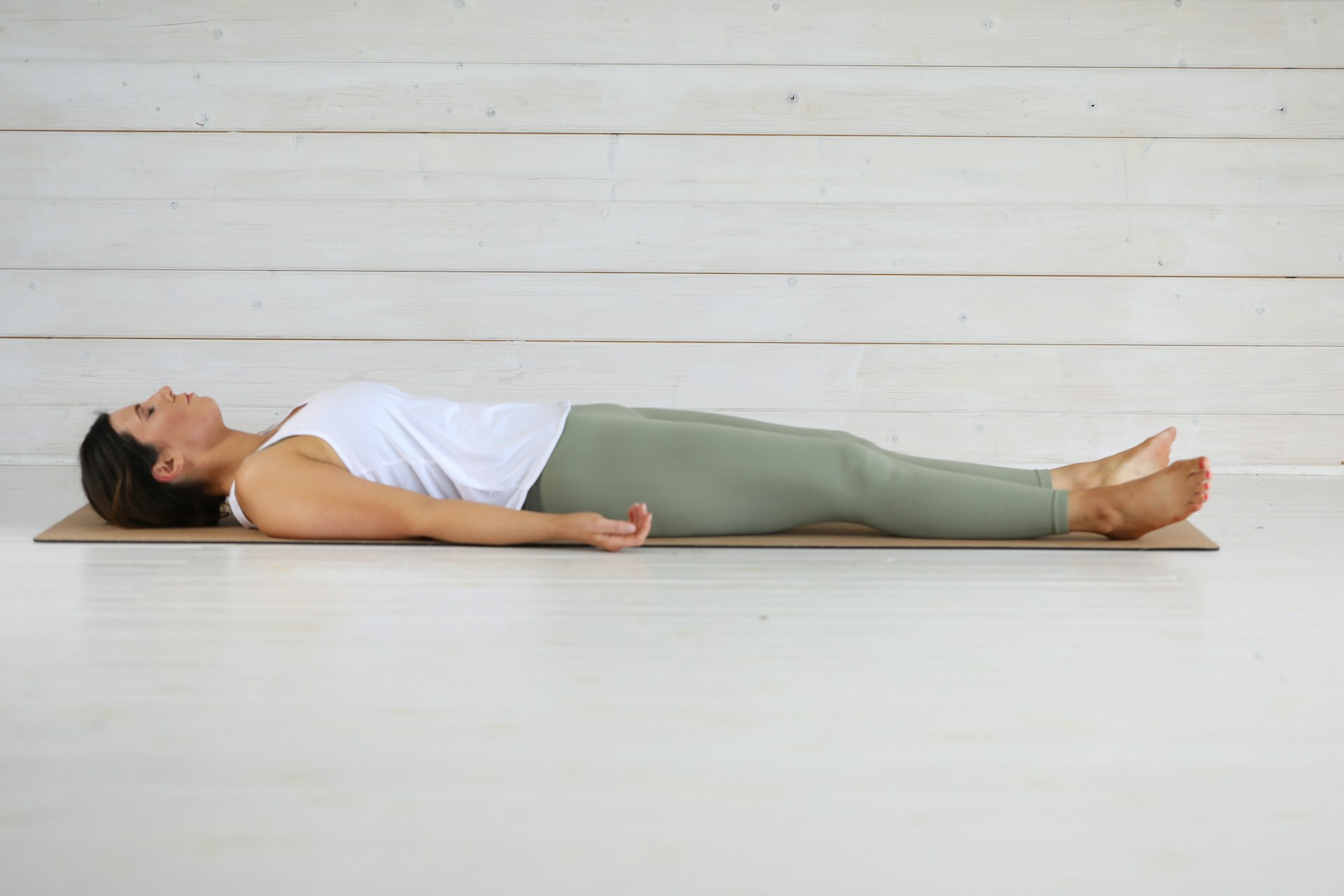
    Yoga nidra is sometimes translated as yogic sleep, which is both accurate and slightly misleading. The practice is done lying down, usually with a blanket and an eye pillow, and many people drift close to sleep during it. But the intention is not to fall asleep. It is to rest deeply while remaining faintly aware, following a guide’s voice through a structured journey of attention. For people who find seated meditation difficult, yoga nidra is often a welcome alternative. It is a relaxation practice, not a treatment; if you have a health concern, talk with your doctor.

    Where It Comes From

    The term appears in old Indian texts, where it refers to a state of conscious rest. The modern, structured practice most studios teach today was developed in the mid-twentieth century by Swami Satyananda Saraswati, a teacher who drew on traditional tantric practices and arranged them into a guided sequence that could be taught to ordinary people. Other teachers have since created their own variations, and recordings are widely available, but most follow a similar shape.

    What a Session Looks Like

    A session usually lasts twenty to forty-five minutes and is entirely guided. You do nothing but lie still and listen. A typical sequence:

    • Settling. You lie on your back, get comfortable with props and are invited to let the body grow heavy.
    • Intention. The guide asks you to bring to mind a short, positive statement about how you want to live, sometimes called a sankalpa, and to repeat it silently.
    • Rotation of awareness. The guide names parts of the body in a set order, often quite quickly, and you move your attention to each one without moving the body itself.
    • Breath awareness. You notice the breath moving in and out, sometimes counting backward.
    • Sensations and images. The guide may invite you to notice opposites, such as heaviness and lightness or warmth and coolness, or to picture a series of simple images.
    • Return. You revisit your intention, then slowly bring awareness back to the room before moving.

    If you fall asleep partway through, that is fine. Many people do. The practice still counts.

    Setting Up at Home

    You need very little:

    • A quiet room and a yoga mat, carpet or bed.
    • A blanket, since body temperature drops during deep rest.
    • A pillow under the head and perhaps a rolled towel under the knees.
    • An eye pillow or a folded cloth over the eyes.
    • A recording. Many free ones exist; choose a voice you find pleasant and a length that fits your schedule.

    Late afternoon or early evening is a popular time, but any hour works. Some people use a short session as a reset between the workday and the evening.

    How It Differs From a Nap

    A nap is unstructured sleep. Yoga nidra is a guided practice in which you aim to stay on the edge of awareness. Many people describe the state as being awake and asleep at the same time, hearing the voice but feeling very far away. That borderline is where the practice lives, and it tends to get easier to find with repetition.

    A Gentle Beginning

    Start with a short recording of fifteen or twenty minutes, two or three times a week. Lie down, cover up and let the voice do the work. Do not try to do it well. There is no wrong way to lie still. On a warm April afternoon with the windows open and the birds outside, yoga nidra is one of the most restful half hours you can give yourself, and it costs nothing but the time.

  • April Showers: A Cozy Self-Care Afternoon for a Rainy Spring Day

    April Showers: A Cozy Self-Care Afternoon for a Rainy Spring Day

    April brings rain to Middle Georgia, often in the form of a gray, steady day that cancels plans and keeps everyone indoors. It is tempting to treat these days as lost. They are not. A rainy spring afternoon, with the pollen washed out of the air and the garden drinking, is one of the best settings for unhurried self-care. Here is how to make the most of one.

    Let the Rain Set the Pace

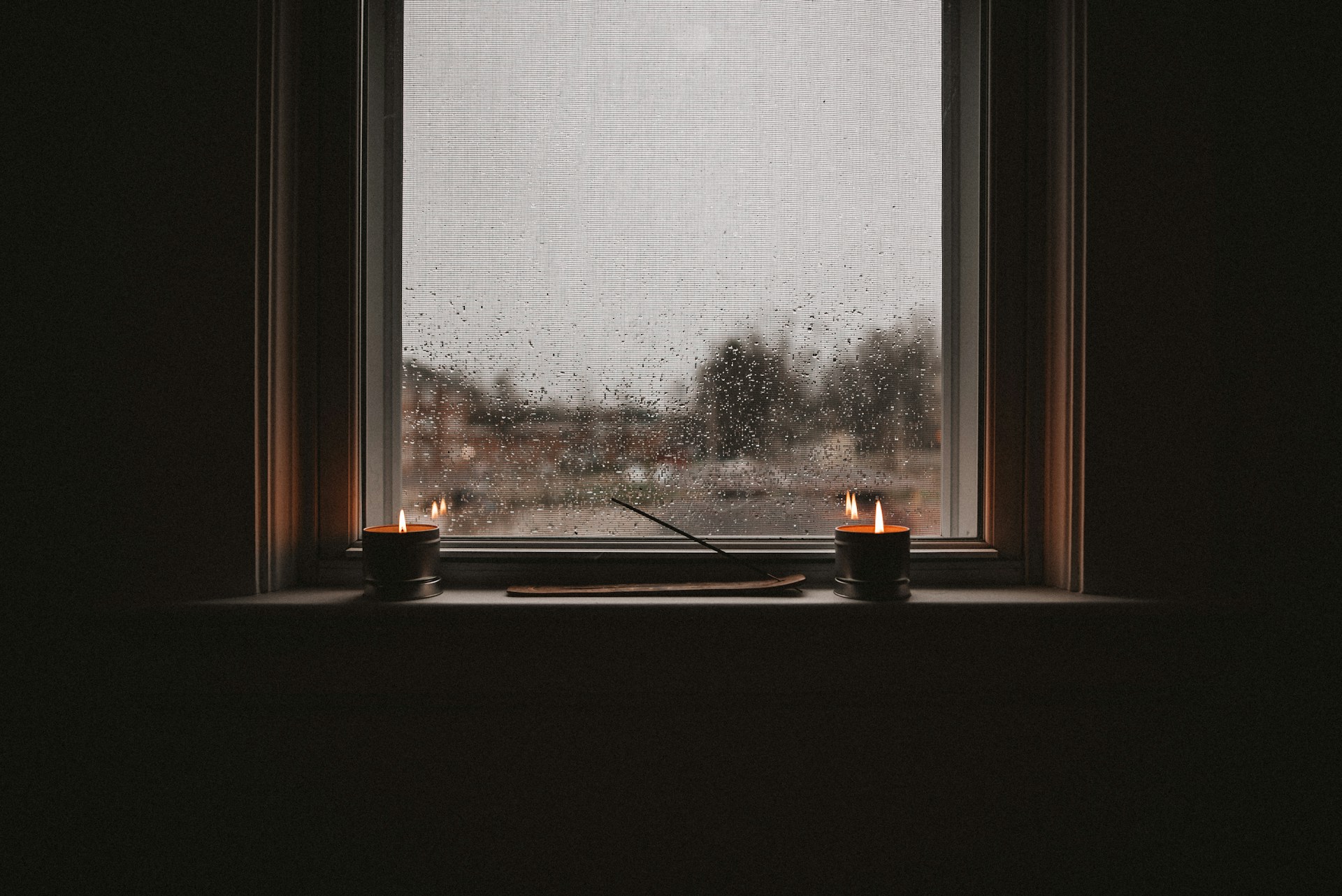
    The first step is to stop fighting the weather. Cancel what can be cancelled and move what can be moved. Then open the blinds rather than closing them. Rain on windows, the gray light and the sound on the roof are the atmosphere for the afternoon, not something to shut out. If you have a covered porch, a few minutes sitting there with a blanket, listening, is a lovely way to begin.

    A Loose Plan for the Afternoon

    You do not need a schedule, but a gentle sequence keeps the hours from dissolving into a screen. One version:

    • Start with a warm drink and ten minutes of doing nothing, watching the rain.
    • Move into something with your hands: baking, a puzzle, sketching, tending houseplants.
    • Take a bath or a long shower in the middle of the afternoon, which feels indulgent precisely because it is the middle of the afternoon.
    • Follow with your full skincare routine, unhurried: cleanse, a mask if you like, a facial massage, moisturizer.
    • Read, nap or listen to music until dinner.

    Any one of these alone is enough. The point is to choose rather than drift.

    Scents for a Rainy Day

    Rain has its own smell, the earthy scent called petrichor that rises when rain hits dry ground. Indoors, people often reach for warm, cozy scents on gray days: vanilla, sandalwood, cedar, a little orange. Others prefer something green and fresh to echo the garden. A diffuser running for half an hour, a candle or a pot of simmering water with citrus peel and a cinnamon stick all work. Keep a window cracked a little for ventilation, and enjoy the way the damp air seems to hold scent longer.

    Something Warm From the Kitchen

    Rainy days and ovens belong together. Bread, muffins, a pot of soup or a tray of roasted vegetables fills the house with warmth and smell and gives the afternoon a center. Cooking slowly, without rushing toward a result, is a mindfulness practice in disguise. If baking is not your thing, a pot of tea made properly, in a teapot, with a few minutes spent watching it steep, offers the same small ceremony.

    Rest Without Guilt

    A rainy day gives permission that a sunny one does not. There is no garden to tend, no walk you should be taking. If you want to nap, nap. If you want to lie on the sofa and watch the ceiling, that is allowed. Many people find that a day of genuine rest in the middle of a busy spring does more for their mood than a week of trying to squeeze relaxation into the gaps. We make no claims about health, only the observation that rest is good, and rain makes it easier.

    Spring showers in Georgia often end abruptly, with sun breaking through in late afternoon. Step outside when it does. The air is washed clean of pollen, the greens are brighter, everything drips and shines, and the birds come back all at once. A short walk around the block after rain is one of the finest free pleasures of April. Then come back in, having spent a gray day exactly as it asked to be spent.

  • How to Take a Good Nap: Timing, Length and Setting

    How to Take a Good Nap: Timing, Length and Setting

    Napping has a mixed reputation. Some people see it as a luxury for children and retirees; others swear by a quick afternoon rest. The truth is that a nap can be either refreshing or counterproductive, and the difference comes down to timing, length and how you set it up. Here is a plain guide to napping well. This is general information; if you feel sleepy every day despite a full night’s rest, mention it to your doctor.

    Why the Afternoon Dip Happens

    Most people feel a drop in alertness in the early afternoon, often between about one and three o’clock. It is not only about lunch. The body’s daily rhythm has a natural low point then, which is why so many cultures developed a tradition of resting after the midday meal, from the Spanish siesta to the Italian riposo. A short nap in that window works with your rhythm rather than against it.

    How Long

    Length matters more than anything else:

    • Ten to twenty minutes is the sweet spot for most people. You stay in lighter stages of sleep and tend to wake feeling refreshed rather than groggy.
    • Thirty to sixty minutes often lands you in deeper sleep, and waking from it can bring a heavy, foggy feeling called sleep inertia that takes a while to shake.
    • Around ninety minutes allows a full sleep cycle, which some people find restorative on a day off, but it is a serious commitment and can cut into nighttime sleep.

    Set an alarm. Naps that drift are the ones that leave you feeling worse.

    Early afternoon is the ideal time. Napping after about three or four o’clock makes it harder to fall asleep that night for many people. If you are trying to improve your nighttime sleep, it is often better to skip naps entirely for a while so that you arrive at bedtime genuinely tired.

    Setting the Scene

    A good nap needs less than a good night’s sleep, but a few things help:

    • Lie down if you can. A sofa, a bed or a reclined chair all work. Napping upright at a desk is possible but less restful.
    • Dim the room or use an eye mask. Light makes it harder to drop off quickly.
    • Cover up with a light blanket. Body temperature dips a little as you rest.
    • Put your phone face down and out of reach after setting the alarm.
    • Try a familiar cue, such as the same quiet playlist or a particular scent, so your body learns that nap time has begun.

    The Coffee Nap

    One popular trick is to drink a cup of coffee right before a twenty-minute nap. Caffeine takes a little while to take effect, so it kicks in around the time you wake up. Plenty of people find this leaves them sharper than either coffee or a nap alone. It is best done well before mid-afternoon so the caffeine does not linger into the evening.

    If You Cannot Fall Asleep

    Not everyone can nap, and that is fine. Lying quietly with your eyes closed for fifteen minutes, breathing slowly, still offers real rest. Some people prefer a short body scan or a guided relaxation recording instead of trying to sleep. The goal is a pause in the day, not necessarily unconsciousness.

    There is a lingering idea that resting during the day is lazy. It is not. A twenty-minute nap on a slow Sunday afternoon in spring, with the window cracked and the sound of birds outside, is one of life’s small, honest pleasures. Taken wisely, it gives you back the rest of the day.

  • The Slow Sunday: A Weekly Ritual for Rest and Reset

    The Slow Sunday: A Weekly Ritual for Rest and Reset

    For many people, Sunday has a special rhythm. Traditionally, it has been a day of worship, family meals and rest across many communities. Today, it can easily fill up with errands, chores and the low hum of worry about the week ahead. A slow Sunday is an intentional choice to protect at least part of the day for rest and simple pleasures.

    You do not need a full day to make it meaningful. Even a slow Sunday morning or afternoon can make a difference.

    Begin Without Rushing

    If you can, let yourself wake up without an alarm. Make a simple breakfast and enjoy it at the table. Linger over coffee or tea. Many people enjoy reading, journaling or simply sitting by a window in the early part of the day.

    For those who attend church or another faith gathering, that time can be a natural centerpiece of a slow Sunday, followed by a relaxed meal with family or friends.

    Keep Plans Light

    The heart of a slow Sunday is having little on the calendar. A few gentle ideas:

    • A walk in a park or around the neighborhood
    • A long phone call with a family member
    • Cooking a favorite meal slowly
    • Reading for pleasure
    • Working on a hobby, such as gardening, knitting or painting
    • An afternoon nap without guilt

    Choose activities that feel restful rather than productive. The goal is enjoyment, not accomplishment.

    Limit Screens and Errands

    Consider setting some boundaries for the day. You might keep your phone in another room for a few hours, skip checking work email or save errands for another day. If chores must be done, try doing them early or slowly, with music playing, so they feel less like a burden.

    Gather With People You Enjoy

    Sunday dinner is a cherished tradition in many Southern families. Sharing a meal, whether it is an elaborate supper or a simple pot of soup, can be one of the most restful parts of the week. Invite family, friends or neighbors, keep things casual and let the conversation linger.

    Prepare Gently for the Week

    Many people feel a familiar sense of dread on Sunday evenings. A little gentle preparation can help ease the transition into Monday without taking over the day:

    • Glance at your calendar for the week ahead.
    • Set out clothes for Monday morning.
    • Prepare a simple lunch or breakfast.
    • Write down anything on your mind so you can set it aside.

    Keep this short, perhaps fifteen or twenty minutes, and then return to rest.

    End the Day Calmly

    Close your slow Sunday with something soothing: a warm bath, a cup of herbal tea, a few pages of a book or a short gratitude practice. Try to go to bed at your usual time so Monday morning feels manageable.

    A slow Sunday is not about doing nothing. It is about doing less, and doing it with attention. Over time, this weekly ritual can become something you look forward to, a steady rhythm of rest woven into the busy fabric of life.

  • Seven Kinds of Rest and Why Sleep Is Only One of Them

    Seven Kinds of Rest and Why Sleep Is Only One of Them

    Have you ever slept a full night and still woken up feeling worn out? Many people have. Sleep is essential, but it is not the only kind of rest we need. Writers and wellness educators often describe rest as having several dimensions. Thinking about rest this way can help you notice what kind of recharging you might be missing.

    This framework is a helpful way to reflect, not a scientific classification. If you feel persistently exhausted, please talk with your doctor, since ongoing fatigue can have many causes worth checking.

    Physical Rest

    Physical rest includes sleep, naps and passive rest, as well as gentle activities that help the body relax, such as stretching or a slow walk. Signs you may need more physical rest include feeling stiff, achy or heavy.

    Ideas: a consistent bedtime, a short afternoon pause, gentle stretching before bed.

    Mental and Sensory Rest

    Mental rest is a break from thinking hard, planning and problem-solving. If your mind races at night or you find it hard to concentrate, you may need more mental rest.

    Ideas: short breaks during the workday, writing down your to-do list before bed, a few minutes of quiet breathing.

    Sensory rest is a break from constant input: bright lights, screens, noise and notifications. Modern life is full of stimulation, and many people feel better after stepping away from it.

    Ideas: dimming lights in the evening, turning off notifications, spending time in a quiet room or outdoors.

    Emotional and Social Rest

    Emotional rest means having space to be honest about how you feel, rather than always putting on a cheerful face. Signs you may need it include feeling drained from caring for others or always saying yes.

    Ideas: journaling, talking with a trusted friend, setting boundaries around your time.

    Social rest involves balancing time with people who drain you and people who restore you. It might mean spending time alone, or it might mean seeking out friends who make you feel at ease.

    Ideas: an evening alone with a book, coffee with a close friend, skipping an event you do not have energy for.

    Creative and Spiritual Rest

    Creative rest is about letting yourself be inspired, especially if your work involves constant problem-solving. Beauty, nature and art can all be restorative.

    Ideas: a walk in a garden, visiting a museum, listening to music, sitting outside at sunset.

    Spiritual rest is a sense of connection to something larger than yourself. For some, that comes through faith and prayer. For others, it comes through service, community or time in nature.

    Ideas: a quiet moment of prayer or reflection, volunteering, attending a gathering that feels meaningful to you.

    Finding What You Need

    Take a moment to ask yourself which kind of rest feels most lacking in your life right now. You may find that you need more than one. Start with one small change, such as a screen-free hour or a walk in nature, and notice how you feel.

    Rest is not a reward for finishing everything on your list. It is an essential part of a balanced life. Making room for the kinds of rest you need is one of the kindest things you can do for yourself.

  • An Unplugged Evening: How to Take a Gentle Digital Break

    For many of us, the evening has become a stretch of scrolling, streaming and checking messages, often all at once. Screens bring connection and entertainment, but they can also make it hard to truly rest. An unplugged evening is a simple experiment: setting devices aside for a few hours and seeing how it feels.

    You do not have to give up technology for good. Even one evening a week can be a welcome change of pace.

    Why an Unplugged Evening Can Feel Good

    Screens keep our attention busy. Notifications pull us in, and endless feeds make it easy to lose track of time. Many sleep resources also recommend reducing bright screens before bed. Stepping away, even briefly, gives your mind a chance to slow down and gives you time for activities you may have been putting off.

    Plan Ahead

    A little preparation makes the evening easier:

    • Choose a night when you have no work obligations.
    • Let close family or friends know how to reach you in an emergency, perhaps by a landline or a phone left on with only calls enabled.
    • Gather a few things you want to do, like a book, a puzzle or a recipe.
    • Decide on a start and end time, such as from dinner until bedtime.

    Put Devices Out of Sight

    Out of sight really does help. Place your phone in a drawer or another room. Close the laptop and put the tablet away. If you watch television, consider choosing one show or movie in advance rather than flipping through endless options, or skip the screen entirely for the night.

    Ideas for Your Evening

    Not sure what to do without a screen? Here are some ideas:

    • Cook a slow, simple meal and eat it at the table.
    • Read a book or a magazine.
    • Play a board game or card game with family or friends.
    • Work on a puzzle, a craft or a hobby.
    • Take a warm bath or have a home spa night.
    • Write a letter to someone you care about.
    • Listen to a record or the radio.
    • Sit by a window and simply rest.

    If You Feel Restless

    At first, you might feel the urge to check your phone. That is common. Notice the urge without judging it. Take a slow breath, and return to whatever you were doing. Many people find the restlessness fades as the evening goes on.

    Reflect Afterward

    The next morning, take a moment to notice how the evening felt. Did you sleep differently? Did you enjoy the quiet? Was there anything you missed? Your answers can help you decide whether to make unplugged evenings a regular habit, and how often.

    Some people come to look forward to these evenings as a weekly ritual. Others find a shorter version, such as screen-free dinners or a phone-free last hour before bed, fits their life better. There is no right answer. The goal is simply to reclaim a little time for rest and connection.

  • Making Room for Rest: How to Set Gentle Boundaries

    Making Room for Rest: How to Set Gentle Boundaries

    Many of us know we need more rest, but finding it is another matter. Work, family, community commitments and the constant pull of phones can fill every spare hour. Setting boundaries is one of the most practical ways to make room for rest. It is not about shutting people out. It is about deciding, thoughtfully, where your time and energy go.

    What a Boundary Really Is

    A boundary is simply a limit you choose to protect your well-being. It might be a time limit, such as not checking work email after a certain hour. It might be a limit on commitments, such as volunteering for one event per month instead of three. Or it might be about space, such as keeping the bedroom free of screens.

    Boundaries are not punishments or ultimatums. At their best, they are clear and kind, both to yourself and to others.

    Start by Noticing What Drains You

    Before setting a boundary, it helps to understand where your energy goes. For a week, pay attention to moments when you feel tired, resentful or stretched thin. Ask yourself:

    • Which commitments do I dread?
    • When do I feel I have no time to myself?
    • What do I say yes to out of habit rather than desire?
    • What would I do with an extra free hour?

    Patterns usually appear quickly. Those patterns point to where a boundary might help.

    Practice Simple, Kind Language

    Many people avoid boundaries because they fear disappointing others. Clear, warm language can make it easier:

    • “Thank you for thinking of me. I cannot take that on right now.”
    • “I am keeping my evenings free this month, but I would love to help another time.”
    • “I will reply to messages in the morning.”
    • “I need a little quiet time before we talk.”

    You do not owe a long explanation. A short, honest answer is often best.

    Protect Rest on Your Calendar

    It can help to schedule rest just as you would an appointment. Block out an evening for a quiet night at home, a Saturday morning for a slow breakfast or an hour on Sunday for reading. When someone asks for that time, you can honestly say you already have plans. Your plans are simply with yourself.

    Boundaries With Technology

    Phones and screens can blur the line between work and rest. A few small boundaries can help:

    • Turn off nonessential notifications.
    • Set a time in the evening to put your phone away.
    • Keep devices out of the bedroom if possible.
    • Take one tech-free afternoon each week.

    Be Patient With Yourself

    Setting boundaries is a skill, and like any skill it takes practice. You may feel guilty at first or slip back into old habits. That is normal. Each time you protect a little rest, you are learning what you need.

    If stress feels overwhelming or persistent, talk with your doctor or a licensed counselor. They can help you sort through what is weighing on you. Meanwhile, every small boundary you set is a way of saying that your rest matters too.