
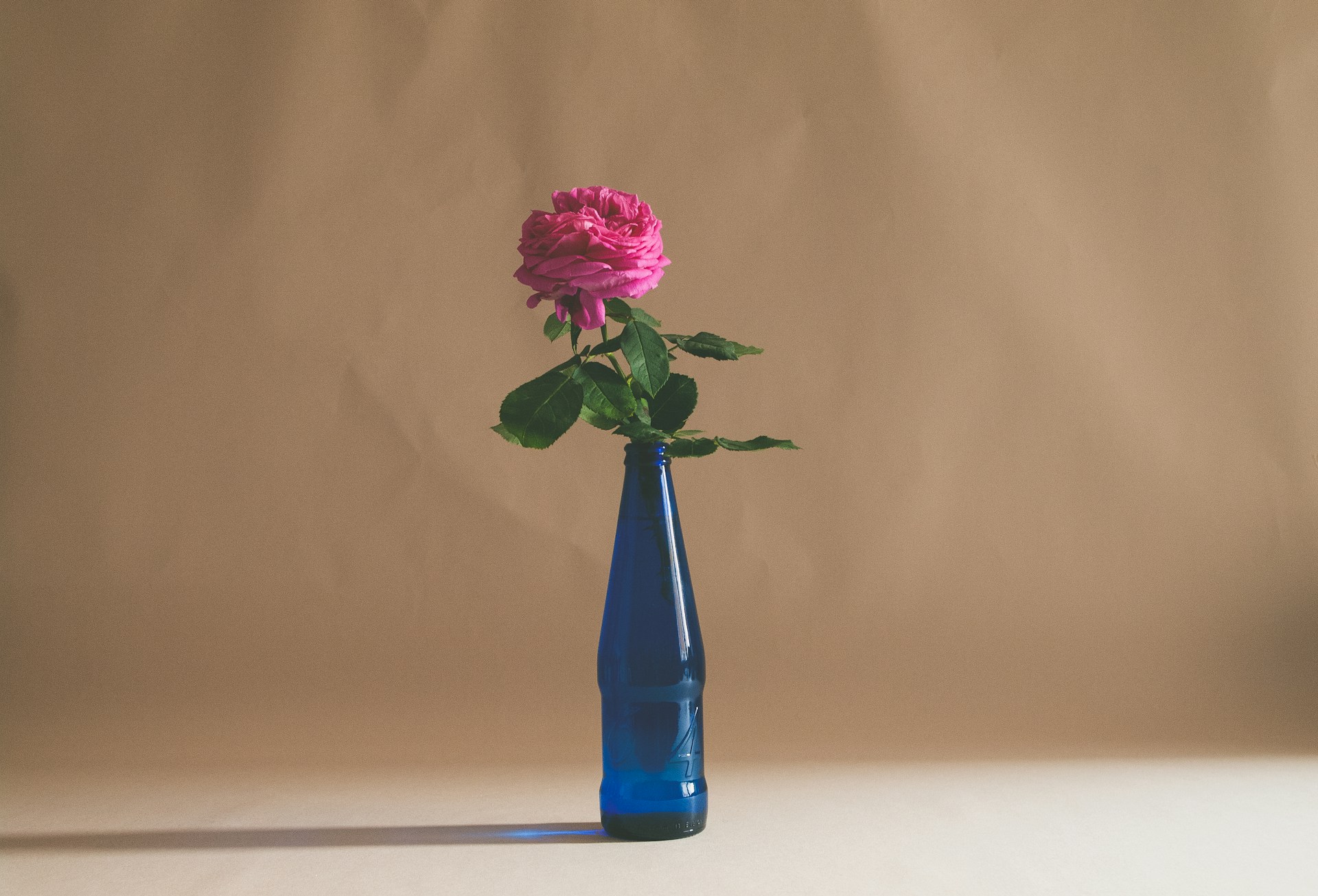
If you have ever used rose water or orange blossom water, you have used a hydrosol. These fragrant waters are the lesser-known partner of essential oils, produced in the same still at the same time, and they offer a gentler, lighter way to enjoy aromatic plants. They have a long history in kitchens and on dressing tables, and they are having a quiet revival among people who find essential oils too strong for everyday use.
What a Hydrosol Is
When plant material is steam distilled, hot steam passes through flowers, leaves or bark and carries their aromatic compounds upward. The vapor is cooled, and it condenses into two layers: a thin layer of essential oil, which usually floats on top, and a much larger quantity of water. That water is the hydrosol, sometimes called a hydrolat or distillate. It contains a small amount of the water-loving aromatic compounds from the plant, which gives it a soft scent, often quite different from the oil.
Rose hydrosol, for example, smells fresh and a little green rather than like the deep, jammy scent of rose absolute. Peppermint hydrosol is cool and clean rather than sharp.
A Long History
Distillation of aromatic waters dates back more than a thousand years in the Middle East, where rose water became a staple of cooking, hospitality and religious ceremony. It was sprinkled on guests, stirred into sweets and used to wash hands. Orange blossom water followed a similar path across the Mediterranean, and both remain common ingredients in pastries, syrups and drinks. In Europe, flower waters were dressing-table staples for centuries before modern cosmetics arrived.
Hydrosol or Floral Water?
Not everything labeled floral water is a hydrosol. Some products are simply water mixed with a few drops of essential oil and a solubilizer, which is a different thing with a stronger scent. A true hydrosol will typically say steam distilled or distillate on the label and list a single plant. Price can be a clue as well, since large quantities of plant material go into a small bottle.
Ways People Enjoy Them
- As a light facial mist after cleansing or on a warm afternoon. Keep it away from the eyes.
- Spritzed on a pillowcase or in a stuffy room for a gentle freshening.
- Added to a bowl of cool water for a compress on the forehead or the back of the neck.
- In the kitchen, where food-grade rose or orange blossom water flavors syrups, rice puddings and lemonade. Only use products sold for culinary use.
Hydrosols are enjoyed for their scent and the pleasant feeling of a cool mist. We make no claims about them beyond that. If you have a skin condition or allergies, check with your doctor or dermatologist before adding any new product, and patch test on your inner arm first.
Storing Them Well
Hydrosols are mostly water, so unlike essential oils they can spoil. Most keep best in the refrigerator and are used within several months to a year of opening. Look for cloudiness, floating particles or a sour or off smell, and discard the bottle if you notice any. Buy small quantities, keep the cap tight and avoid dipping fingers into the bottle. A spray top is the most practical and keeps the water clean.
For anyone curious about aromatherapy who finds essential oils too intense, hydrosols are a kind introduction. A mist of rose or lavender water on a spring morning is a small, cooling pleasure, and the scent fades quickly enough to leave you wanting the next one.