
Tag: safety

  • When the Afternoon Storm Rolls In: Staying Safe and Finding Stillness Indoors

    On a July afternoon in Middle Georgia, the sky can change in the time it takes to fold a load of laundry. A bright, steamy morning gives way to towering clouds, the light turns dim and gray, and the first thunder rolls in from somewhere past the tree line. For many of us, these storms are as much a part of summer as peaches and cicadas.

    They can also be a gift: a forced pause in the middle of a busy day. With a little knowledge and a few safe habits, the wait can become one of the calmer moments of the week.

    Why storms favor the afternoon

    Summer thunderstorms here usually follow a simple recipe. The sun heats the ground through the morning, and the ground warms the humid air above it. Warm, moist air rises, cools as it climbs and condenses into clouds. On the most humid days, those clouds keep building into tall thunderheads by mid to late afternoon, which is why so many storms seem to arrive just as the workday winds down.

    These storms are often short. Many blow through in under an hour, leaving cooler air and dripping trees behind them. But they can bring lightning, sudden downpours and strong gusts, so they deserve respect.

    Safety comes first

    The National Weather Service sums up lightning safety in four words: when thunder roars, go indoors. If you can hear thunder, you are close enough to be struck, even if the rain has not reached you yet. A few basics are worth keeping in mind:

    • Go inside a fully enclosed building or a hard-topped vehicle with the windows up. Porches, picnic shelters, tents and open garages are not safe places to wait.
    • Indoors, stay off corded phones, away from plumbing and electrical equipment, and back from windows and doors.
    • Wait thirty minutes after the last thunder before heading back out to the pool, the ballfield or the garden.
    • Keep a flashlight and a charged phone handy in case the power flickers.

    For forecasts and warnings, the National Weather Service is the official source.

    A quiet ritual for the wait

    Once you are safely inside, the storm itself can become something to notice instead of something to endure. Settle into a comfortable seat in an interior room or well back from the glass. Turn off the television and put the phone face down.

    Then simply listen. Notice the first heavy drops, the rising roar of rain on the roof, the long rumble of distant thunder and the sharper crack of a near strike. Let your breathing slow and lengthen as the sounds rise and fall. If your mind wanders to the to-do list, let the next roll of thunder call you back. You might sip something cool, rest your eyes or wrap up in a light throw while the house hums along around you.

    Children who feel frightened by thunder often take comfort in a routine of their own: a blanket fort, a story read aloud, or counting the seconds between flash and rumble together as the storm moves away.

    After the storm

    When thirty minutes have passed without thunder, step outside and see what the storm left behind. The air often feels several degrees cooler and freshly washed. Leaves drip, gutters gurgle and the birds start up again. A short, slow walk around the yard or down the block is a lovely way to mark the end of the pause before the evening carries on.
  • Incense Through the Ages: History and Safe Enjoyment

    Incense Through the Ages: History and Safe Enjoyment

    Incense is among the oldest ways humans have used fragrance. Long before essential oils or perfume bottles, people burned resins, woods, barks and dried herbs and let the smoke carry scent into the air and, they believed, toward the heavens. The practice is found on nearly every continent and remains part of worship, meditation and daily life for hundreds of millions of people. Here is a short history and a guide to enjoying it thoughtfully at home.

    Ancient Smoke

    The word incense comes from the Latin for something burned, and the earliest evidence of its use goes back thousands of years. Ancient Egyptians burned resins such as frankincense and myrrh in temples and made elaborate blends for ceremonies. Frankincense and myrrh were traded across the Arabian Peninsula and East Africa along routes that enriched some of the ancient world’s wealthiest kingdoms, and both appear in Hebrew scripture and later in Christian liturgy.

    In India, incense has been part of religious practice for millennia, and the stick incense most people recognize today, with a bamboo core coated in fragrant paste, developed there. In China, incense accompanied Buddhist and Daoist worship and was used to mark time, with incense clocks burning at a known rate. In Japan, the appreciation of incense became a refined art called kodo, the way of fragrance, in which participants listen to incense, savoring subtle differences between rare woods.

    Forms of Incense

    • Sticks, with or without a bamboo core. The most common and easiest to use.
    • Cones, which burn down to a small pile of ash and release scent more intensely.
    • Coils, which burn for many hours and are common in East Asian temples.
    • Loose resins such as frankincense, myrrh, copal and benzoin, burned on a charcoal disc or an electric heater.
    • Dried herb bundles, used in several traditions around the world.

    Quality varies enormously. Inexpensive incense is often made with synthetic fragrance on a sawdust base, while traditional Japanese and Indian makers use natural woods, resins and herbs. The difference in scent is noticeable, and higher-quality incense usually produces less smoke.

    Enjoying It Safely

    Incense is smoke, and smoke in a closed room is worth taking seriously. A few sensible habits:

    • Burn in a ventilated room with a window open, and keep sessions short. One stick is plenty for most spaces.
    • Use a proper holder with a tray that catches ash, placed on a heat-resistant surface away from anything that can catch.
    • Never leave burning incense unattended, and make sure it is fully out before you leave the room.
    • Keep it away from children and pets, and consider whether smoke is appropriate in a home with birds or other small animals, which are sensitive to air quality.
    • If you have asthma or another breathing concern, talk with your doctor before burning incense, and consider gentler alternatives such as a diffuser.

    We make no health claims about incense. It is enjoyed for its scent and for the quiet ritual of lighting it.

    Incense as a Ritual

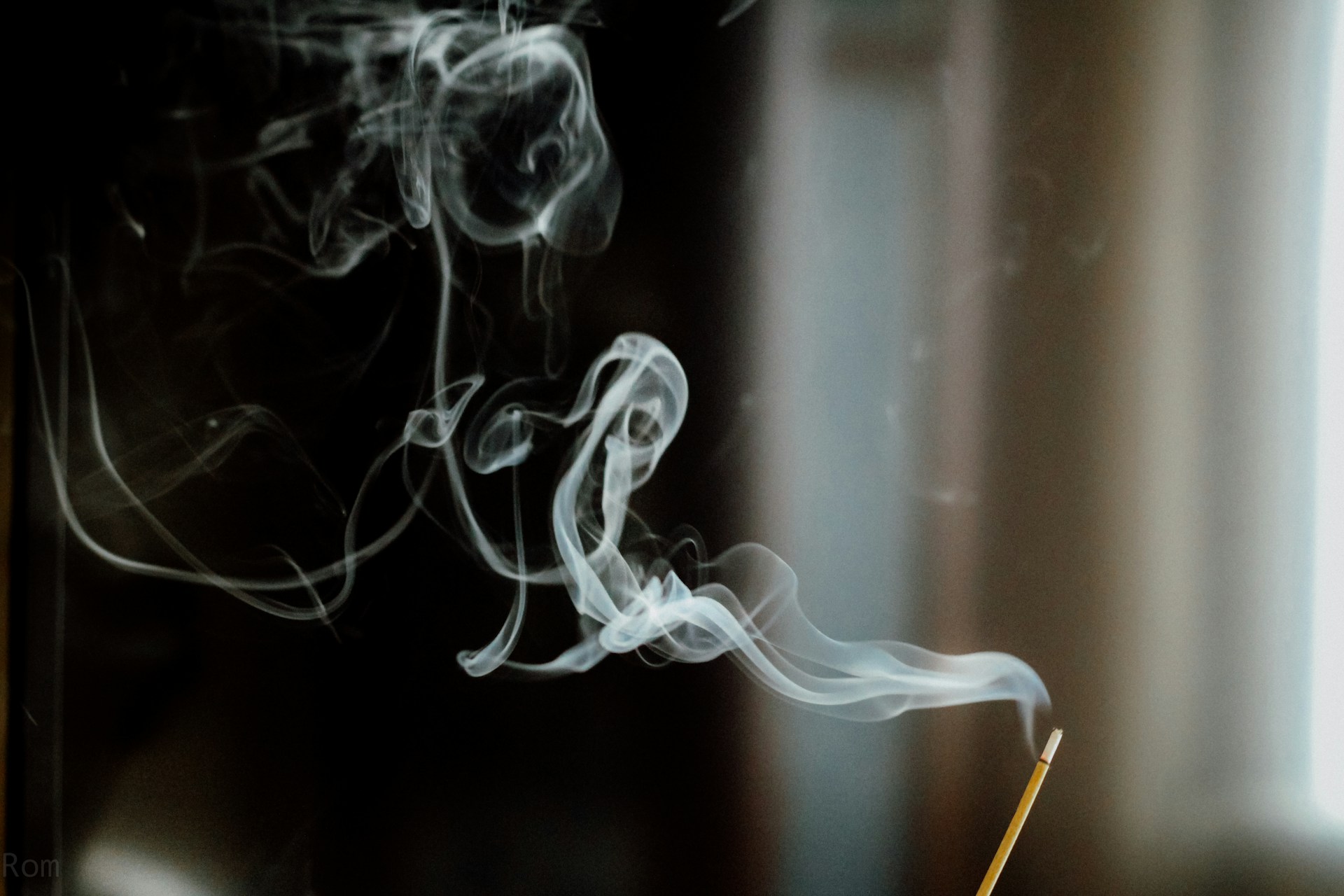
    Part of incense’s lasting appeal is that it takes time. A stick burns for twenty or thirty minutes, and the scent builds slowly. Many people light one at the start of a meditation or journaling session, letting the burn mark the length of the practice as the old incense clocks did. Others burn a little in the evening as a signal that the day is winding down. The smoke itself can be an object of attention: watching it curl and drift is a simple, ancient form of mindfulness.

    On a mild April evening, with the window open and the sounds of the neighborhood drifting in, a single stick of good sandalwood or a pinch of frankincense on a warm coal connects you to one of the longest unbroken traditions in human life.

  • Choosing a Candle: Soy, Beeswax, Paraffin and Scent Safety

    Choosing a Candle: Soy, Beeswax, Paraffin and Scent Safety

    A candle is one of the simplest ways to change the feel of a room. The small flame, the slow pool of melted wax and a scent chosen with care turn an ordinary evening into something gentler. But candles vary a great deal in what they are made of and how they burn, and the labels can be confusing. Here is a plain guide to choosing a candle and enjoying it safely.

    What Candles Are Made Of

    Most candles use one of a few waxes, each with its own character:

    • Paraffin is the most common and least expensive. It is a petroleum byproduct, holds fragrance well and burns with a bright flame.
    • Soy wax is made from hydrogenated soybean oil. It burns cooler and slower than paraffin, which stretches a candle’s life, and it has a softer, more muted scent throw. Many soy candles are blends, so check the label if it matters to you.
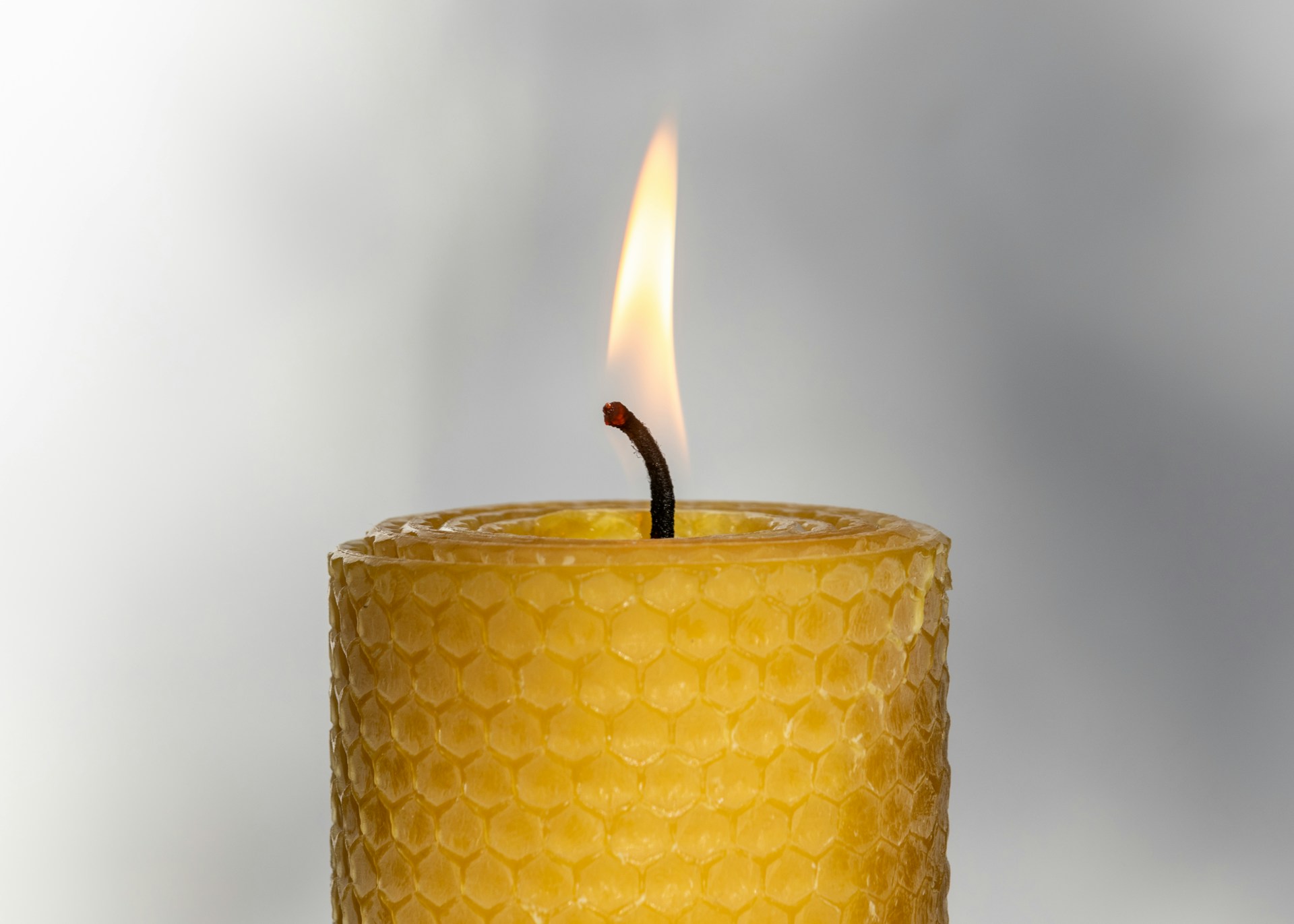
    • Beeswax is the oldest candle wax and the most expensive. It burns slowly and cleanly, with a faint natural honey scent and a warm glow. Pure beeswax candles are rarely heavily fragranced.

    None of these is wrong. Soy and beeswax are often marketed as cleaner, and they do tend to produce less soot when burned properly, but a well-made candle of any wax, with a properly trimmed wick, burns reasonably cleanly.

    Wicks

    Most wicks today are braided cotton, sometimes with a paper or thin zinc core for stability. Lead-core wicks were banned in the United States in 2003, so this is no longer a concern for candles sold here. Whatever the material, the wick should be trimmed to about a quarter of an inch before each lighting. A long wick is the main cause of smoking, soot and a flame that flickers too high.

    Scent

    Candles are scented with fragrance oils, essential oils or a mix. Fragrance oils are blends created by perfumers and include synthetic and natural components; they offer the widest range of scents and the strongest throw. Essential oil candles smell more like the plant itself and tend to be subtler, since many essential oils do not survive heat well. A candle labeled natural is not necessarily made with essential oils, and one made with fragrance oil is not necessarily lower quality. Smell before you buy if you can, and remember that a scent that fills a shop may be too strong for a bedroom.

    If you are sensitive to fragrance, have asthma or live with someone who does, unscented beeswax or a very lightly scented candle is the gentler choice. Talk with your doctor if burning candles seems to bother your breathing.

    Burning Safely

    Candles are open flames, and the basic rules bear repeating:

    • Never leave a burning candle unattended or go to sleep with one lit.
    • Keep candles well away from curtains, bedding, books and anything else that can catch.
    • Burn on a stable, heat-resistant surface, out of reach of children and pets.
    • Let a new candle burn long enough on the first lighting for the melted wax to reach the edges of the container, usually an hour or two. This prevents tunneling later.
    • Do not burn for more than a few hours at a time, and stop when half an inch of wax remains.
    • Keep a window cracked in small rooms.

    Candles and Calm

    Part of a candle’s appeal is the small ceremony of lighting it. Many people light the same candle each evening as a signal that the working day has ended, or save one scent for bath nights. Battery candles provide the glow without the flame for bedrooms and bathrooms, and they are the right choice around small children. However you use them, a candle asks you to pause, strike a match and watch a flame catch, and that moment is part of the pleasure.

  • Using Essential Oils Around Children: A Cautious, Practical Guide

    Using Essential Oils Around Children: A Cautious, Practical Guide

    Families who enjoy aromatherapy often wonder whether essential oils are appropriate around children. Children are not small adults. Their skin is thinner, their breathing is more sensitive and they are naturally curious about bottles that smell nice. Caution and good communication with your pediatrician are key.

    This article offers general information only. Always talk with your child’s doctor before using essential oils around infants and children.

    Why Extra Caution Matters

    Children’s bodies are still developing, and they can react more strongly to concentrated substances than adults do. Some essential oils that adults commonly use are specifically noted in aromatherapy references as not being suitable for young children. Peppermint and eucalyptus, for example, are frequently mentioned as oils to avoid around infants and very young children.

    Storage Comes First

    The most important safety step is storage. Essential oil bottles can look like candy or drinks to young kids, and swallowing even a small amount can be dangerous.

    • Store oils in a locked cabinet or on a high shelf well out of reach.
    • Close bottles tightly every time.
    • Never leave bottles on counters, nightstands or bathroom sinks.
    • Keep diluted blends and roller bottles out of reach too.

    If a child swallows an essential oil or gets one in their eyes, contact Poison Control at 1-800-222-1222 or call emergency services right away. You can also learn more at poison.org.

    Diffusing Around Children

    If your pediatrician agrees that diffusing is appropriate, these general practices help:

    • Use fewer drops than you would for adults.
    • Diffuse for short periods in a well-ventilated room.
    • Avoid diffusing in a child’s bedroom overnight.
    • Place diffusers where they cannot be reached or knocked over.
    • Stop immediately if a child coughs, seems irritated or uncomfortable.

    Children with asthma or other breathing concerns need special consideration, so talk with their doctor first.

    Skin Application

    Do not apply essential oils to a baby’s skin unless a doctor has advised it. For older children, many references recommend much lower dilutions than for adults, and some oils should be avoided altogether. Always patch test, keep oils away from the face, hands and eyes, and wash hands after handling.

    Involving Older Kids Safely

    Older children can enjoy learning about plants and scents. You might grow lavender or mint in the garden, make dried flower sachets or smell fresh herbs while cooking. These activities introduce the world of fragrance without handling concentrated oils.

    Gentle Alternatives

    There are many ways to create a calm, cozy atmosphere for kids without essential oils:

    • A consistent bedtime routine with a story and soft lighting
    • A warm bath before bed
    • Quiet music or nature sounds
    • A favorite stuffed animal or blanket
    • Fresh air from an open window on a mild day

    Families can absolutely enjoy aromatherapy together, but children’s safety always comes first. Keep oils locked away, use them sparingly and let your pediatrician be your guide.

  • Essential Oils and Pets: Common-Sense Precautions for Animal Lovers

    Essential Oils and Pets: Common-Sense Precautions for Animal Lovers

    Many people who enjoy essential oils also share their homes with pets. It is natural to want your living space to smell pleasant, but animals are not small humans. They process substances differently, they have far more sensitive noses, and some can be affected by oils that people use without a second thought.

    This article offers general precautions. The most important step is simple: ask your veterinarian before using essential oils around your pets.

    Why Pets Are Different

    Dogs and cats have a much keener sense of smell than people, so a scent that seems light to you may be intense to them. Animals also groom themselves, which means oils that land on their fur or paws can end up being swallowed. And different species break down substances in different ways.

    Cats are frequently highlighted by veterinary sources as being especially sensitive to many essential oils. Birds have delicate respiratory systems and can be affected by airborne substances. Small animals like rabbits, guinea pigs and ferrets also deserve extra caution.

    Never Apply Oils Directly to Pets

    Do not put essential oils on your pet’s skin, fur or paws, and do not add them to food or water, unless your veterinarian has specifically advised it. Products intended for people are not formulated for animals.

    Diffusing With Care

    If you choose to diffuse oils in a home with pets, a few general precautions apply:

    • Talk with your veterinarian first about which oils, if any, are appropriate.
    • Diffuse for short periods in well-ventilated rooms.
    • Always leave a door open so pets can leave the area.
    • Never diffuse in a small, closed space with a pet inside.
    • Keep diffusers out of reach so they cannot be knocked over.
    • Avoid diffusing around birds altogether unless your veterinarian approves.

    Safe Storage

    Store essential oils in a closed cabinet or on a high shelf where curious pets cannot reach them. Clean up spills right away, and do not leave cotton balls, tissues or diffuser reeds with oil on them where pets can chew them. Keep potpourri and scented items out of reach too.

    Know the Warning Signs

    If a pet is exposed to an essential oil, possible warning signs can include drooling, vomiting, coughing, trouble breathing, wobbliness, pawing at the face, lethargy or unusual behavior. If you notice anything concerning, move your pet to fresh air and contact your veterinarian or an animal poison control service right away. Bring the product bottle with you if you go to the vet.

    Scent-Free Ways to Freshen Your Home

    If you prefer to skip essential oils around pets, there are many other ways to make your home feel fresh:

    • Open windows on mild days to let in fresh air.
    • Wash pet bedding regularly.
    • Vacuum and clean floors often.
    • Use baking soda on carpets and in trash cans, then vacuum it up.
    • Keep litter boxes clean.

    Enjoying Both Your Pets and Your Self-Care

    You do not have to choose between pets and a peaceful home. With your veterinarian’s guidance, careful storage and a light touch, you can enjoy your self-care rituals while keeping your animal companions comfortable and safe. When in doubt, leave the oils out and enjoy the simple comfort of a clean, fresh home.

  • Essential Oil Myths and Facts: Separating Lore From Common Sense

    Essential Oil Myths and Facts: Separating Lore From Common Sense

    Essential oils have become enormously popular, and with popularity comes a lot of conflicting advice. Some of it is helpful. Some of it can lead to discomfort or worse. Here is a myth-versus-fact look at a few common beliefs, offered as general information. For any health question, talk with your doctor.

    Myth: Natural Means Safe

    Fact: Natural does not automatically mean harmless. Essential oils are highly concentrated plant materials, and many of them can irritate skin or cause reactions if used carelessly. Plants themselves produce many compounds that can be harsh. Treat essential oils with the same respect you would give any concentrated product.

    Myth: More Is Better

    Fact: When it comes to essential oils, a little goes a long way. Using more drops in a diffuser or a stronger blend on your skin does not make the experience better. It can make a room overwhelming and increase the chance of irritation. Many aromatherapy references recommend low dilutions for skin and short sessions for diffusing.

    Myth: If It Tingles, It Is Working

    Fact: Tingling, burning or redness are signs that your skin is irritated. They are not signs of benefit. If you feel discomfort, wash the area with soap and water, apply a plain carrier oil if helpful and do not use that blend again.

    Myth: You Can Use Them Neat Once You Are Used to Them

    Fact: Repeatedly applying undiluted oils can lead to sensitization, a process in which your skin becomes reactive to an oil over time. Some people develop reactions after months of using an oil with no problems. Diluting oils in a carrier is a wise everyday habit.

    Myth: Essential Oils Are Fine to Swallow

    Fact: Ingesting essential oils can be dangerous and should not be done unless a qualified healthcare professional has specifically advised it. Keep oils out of reach of children, and if anyone swallows an essential oil, contact Poison Control or emergency services right away.

    Myth: What Is Safe for Me Is Safe for My Pets

    Fact: Animals process substances differently than people do. Cats, in particular, are often described as being sensitive to many essential oils, and birds and small animals can be affected by diffused scents. Ask your veterinarian before using essential oils around pets, and always give animals a way to leave a scented room.

    Myth: Essential Oils Can Replace Medical Care

    Fact: Essential oils are best enjoyed as part of a pleasant self-care routine. Their scent can make a space feel calm and inviting. They are not a substitute for medical diagnosis or treatment. If you have a health concern, talk with your doctor rather than trying to address it with oils.

    A Sensible Approach

    Here is a simple set of habits to keep in mind:

    • Dilute oils before applying them to skin.
    • Patch test new blends.
    • Diffuse for short periods in ventilated rooms.
    • Store oils safely, away from heat, light, children and pets.
    • Check with your doctor if you are pregnant, nursing, have health conditions or take medications.

    With common sense and a light touch, essential oils can be a lovely part of everyday life.

  • How to Store Essential Oils and Know When They Are Past Their Best

    How to Store Essential Oils and Know When They Are Past Their Best

    It is easy to accumulate a small collection of essential oils, with some bottles used daily and others forgotten in a drawer. Unlike many household products, essential oils do change over time. Storing them well helps them keep their pleasant scent longer, and knowing the signs of an older oil helps you use them more comfortably.

    This is general information. Always follow the storage instructions and any dates listed on your product.

    Why Essential Oils Change

    Essential oils are made of many natural aromatic compounds. Over time, exposure to oxygen, heat and light can cause some of these compounds to break down or oxidize. When that happens, an oil’s scent can shift, and aromatherapy references note that oxidized oils may be more likely to irritate the skin.

    Some oils change more quickly than others. Citrus oils, such as lemon, orange and bergamot, and oils from conifer trees, like pine and fir, are often described as having a shorter shelf life. Many oils from woods and resins tend to change more slowly.

    The Basics of Good Storage

    A few habits make a meaningful difference:

    • Keep bottles tightly capped when not in use.
    • Store oils in dark glass bottles, such as amber or cobalt.
    • Keep them in a cool, dark place, away from windows, stoves and heaters.
    • Avoid leaving oils in a hot car, which can happen easily in a Georgia summer.
    • Keep bottles upright to protect the cap and dropper.

    Some people store a few of their more delicate oils in the refrigerator in a sealed container, away from food. If you do, let the bottle come to room temperature before opening to limit condensation.

    Mind the Air Space

    As you use up a bottle, more air fills the space inside, and that air contact contributes to changes in the oil. If you have a large bottle you use only occasionally, consider buying smaller sizes in the future so you can finish them while they are fresh.

    Signs an Oil May Be Past Its Best

    Trust your senses. An oil may be past its best if you notice:

    • A scent that smells sour, flat or noticeably different from when you bought it
    • A thicker or stickier texture than usual
    • Cloudiness or a change in color
    • A residue around the cap

    When in doubt, it is best not to apply an older oil to your skin.

    Keep Track of Your Collection

    A simple system helps. When you open a new bottle, write the date on a small label. Keep a short list of what you have, so you do not buy duplicates. Every few months, take inventory and set aside anything that seems to have changed.

    Storing Blends and Carrier Oils

    Diluted blends and carrier oils also change. Carrier oils can go rancid, especially in warm conditions. Mix blends in small batches, label them with the date and ingredients, and use them within a reasonable time. Store them like your essential oils: capped, cool and out of the light.

    Finally, always keep essential oils out of reach of children and pets. A high shelf or a closed cabinet is ideal. With a little care, your collection will stay pleasant to use and easy to enjoy.

  • How to Dilute Essential Oils Safely: A Beginner’s Checklist

    How to Dilute Essential Oils Safely: A Beginner’s Checklist

    Essential oils smell lovely, and that can make it easy to forget how concentrated they are. A single small bottle may hold the aromatic compounds from a large amount of plant material. Used thoughtfully, they can be a pleasant part of a self-care routine. Used carelessly, they can irritate skin or overwhelm the senses.

    This checklist covers the basics. It is general information, not medical advice, and it is always a good idea to follow the guidance on your product’s label.

    Why Dilution Matters

    Applying undiluted essential oil directly to the skin, often called using it neat, increases the chance of irritation or sensitization. Sensitization means your skin can become reactive to an oil over time, sometimes after repeated exposure that seemed fine at first. Diluting oils in a carrier lowers that risk and helps the scent spread more evenly.

    Choose a Carrier Oil

    A carrier oil is a mild, plant-based oil used to dilute essential oils. Common choices include:

    • Fractionated coconut oil, which stays liquid and has little scent
    • Sweet almond oil, a classic massage oil (avoid it if you have a nut allergy)
    • Jojoba, which is technically a liquid wax and has a long shelf life
    • Grapeseed oil, which feels light on the skin

    Choose one that feels comfortable to you and check for any allergies before use.

    General Dilution Guidelines

    Many aromatherapy references suggest low dilutions for everyday use on adults, often in the range of one to two percent for general body application and lower for the face. As a rough idea, a one percent dilution is about six drops of essential oil in one ounce of carrier oil. Some oils are recommended at even lower levels, and some should not be used on skin at all.

    Because guidance varies by oil, it is wise to look up each oil you plan to use in a reputable aromatherapy reference or ask a qualified aromatherapist. When in doubt, use less.

    Patch Test Before You Commit

    Before using a new blend more widely, try a patch test:

    • Apply a small amount of the diluted blend to the inside of your forearm.
    • Cover it loosely and wait about a day.
    • If you notice redness, itching, burning or swelling, wash the area with soap and water and do not use the blend.

    Everyday Safety Habits

    • Keep oils away from your eyes, inner ears and other sensitive areas.
    • Do not swallow essential oils unless a qualified healthcare professional has specifically advised it.
    • Store bottles tightly closed, away from heat and light, and out of reach of children and pets.
    • Wash your hands after handling oils.
    • Be cautious with citrus oils on skin before sun exposure, since some can increase sun sensitivity.

    Who Should Check First

    Some people should be especially careful and talk with a doctor before using essential oils. This includes anyone who is pregnant or nursing, people with asthma or other breathing concerns, people with sensitive skin or allergies, and anyone taking medications. Children and pets also have different needs, so ask your pediatrician or veterinarian before using oils around them.

    Approached with care, aromatherapy can be a simple, pleasant ritual. A little knowledge goes a long way toward keeping it comfortable.