Tag: self-care

  • Slow Mornings for Night Owls: An Unhurried Start Without the Dawn Alarm

    Much of the advice about mornings seems written for people who leap out of bed at five, journal by sunrise and finish a workout before the neighbors stir. In summer especially, we hear a lot about getting up early to beat the heat. That works beautifully for some people. For others, it feels like trying to wear someone else’s shoes.

    If you are a night owl, you can still have slow, gentle mornings. The secret is that a slow morning is about pace, not about the hour on the clock.

    Owls, larks and everyone in between

    People naturally differ in when they feel most alert and when they feel ready for sleep. Researchers call this a chronotype. Some people, often called larks, wake easily and fade early in the evening. Others, the owls, come alive later and find early mornings a struggle. Most of us fall somewhere in the middle. Chronotype is shaped by many things, including genetics and age; teenagers, for instance, tend to drift later for a number of years.

    Knowing where you fall can take some of the guilt out of the morning. Struggling to wake at dawn is not a character flaw. It may simply be your rhythm.

    Redefine what slow means

    A slow morning is one where the first part of your day is unhurried, whenever it begins. For a night owl with a flexible schedule, that might mean waking at nine and spending a quiet hour before getting to work. For a night owl with a fixed start time, it might mean a calm fifteen minutes rather than a frantic five.

    The goal is not to become a lark. It is to make the passage from sleep into the day feel kind.

    Let evening you help morning you

    Night owls have an advantage here: the evening is when they have energy. Use some of it to make the morning lighter.

    • Set out clothes, bag and keys before bed.
    • Prepare the coffee maker, or set the kettle and mug by the stove.
    • Put breakfast within easy reach, such as overnight oats, fruit or a muffin in a container.
    • Clear one surface, such as the kitchen table, so the morning starts with calm instead of clutter.

    Each small task you handle at night is one less decision for your groggy morning self.

    A gentle wake-up sequence

    Instead of trying to snap awake, give yourself a few minutes to arrive. Before reaching for the phone, take a few slow breaths and stretch your arms and legs. Sit up and drink a glass of water from your nightstand. Open the blinds or step outside briefly, since daylight is one of the strongest cues the body uses to set its daily rhythm. Then move to your one anchoring ritual, whether that is a cup of coffee in a quiet corner, a short walk or a few minutes with a book.

    In July, a late-rising owl may find the outdoors already hot by the time they are up. That is fine. A cool shower, a shaded porch for ten minutes or breakfast by a bright window can bring the same sense of a soft start.

    Keep the rhythm steady

    Many sleep specialists encourage keeping wake times fairly consistent, even on weekends, because big swings can make mornings harder. If you love sleeping in on Saturdays, try keeping the difference modest. And if you are regularly exhausted, have trouble falling or staying asleep, or feel unrested no matter what you try, talk to your doctor. For most owls, though, the answer is not a dawn alarm. It is a gentler start, whenever your morning begins.


  • Why Humidity Frizzes Hair, and Gentle Ways to Work With It

    You can step out of the house with smooth, carefully styled hair and arrive at your car looking like you walked through a cloud. In a Middle Georgia summer, humidity has a way of rewriting every hairstyle. The good news is that frizz is not a sign that you are doing anything wrong. It is simple chemistry, and once you understand it, it becomes easier to work with.

    What humidity does to a strand of hair

    Hair is made mostly of a protein called keratin. Inside each strand, the protein chains are held in shape by different kinds of chemical bonds. Some are strong and stable. Others, called hydrogen bonds, are weak and break and reform easily when water is present. That is why wet hair can be reshaped as it dries, and why a blowout holds its shape on a dry day.

    When the air is humid, hair absorbs moisture from it. Water slips into the strand, hydrogen bonds break and reform in new places, and the hair swells and bends. Smooth hair turns wavy, waves turn curly and strands lift away from one another. Hair that is dry or has been lightened, heat styled or otherwise roughened tends to absorb moisture more readily, which is why it often frizzes first.

    Hair responds to humidity so reliably that, in the late 1700s, a Swiss scientist built one of the first practical instruments for measuring humidity using a strand of human hair. As the hair absorbed moisture, it lengthened slightly and moved a pointer across a scale.

    Gentle ways to work with humid air

    • Keep hair conditioned. A good conditioner after every wash and a light leave-in product help smooth the surface of the strand.
    • Handle wet hair carefully. Use a wide-tooth comb, and blot with a soft towel or cotton T-shirt rather than rubbing.
    • Ease up on heat styling. Air-drying or using lower heat leaves hair less roughened over time.
    • Look at anti-humidity products. Many contain ingredients that form a light film over the hair, which can slow how quickly it takes up moisture from the air.
    • Try a silk or satin pillowcase or scarf. Many people find their hair looks smoother in the morning with less friction overnight.

    Styles that suit the season

    Sometimes the most restful choice is to stop fighting. Summer is a natural time to let your natural texture show, whether that is waves, curls or coils. Braids, buns, twists and low ponytails can keep hair off your neck and hold up well in the heat. A soft scarf or a wide-brimmed hat adds polish and shades your scalp and hair from the sun, which can fade color over time.

    It can also help to change your expectations for the season. A style that looks effortless in October may simply not be worth the fight in July. Many people find summer a freeing time to try a shorter cut, a simpler routine or a few new ways to wear their hair up.

    When to ask for help

    A trusted stylist can suggest cuts, products and routines suited to your hair type and our climate. If you notice sudden shedding, thinning, scalp irritation or other changes, talk to your doctor or a dermatologist. For the ordinary frizz of a muggy afternoon, though, a little understanding and a few gentle habits can turn humidity from an enemy into simply part of summer.

  • The Chilled Towel: Oshibori, Cool Cloths and a Simple Summer Comfort

    Few things feel better on a sticky July afternoon than pressing a cool, damp cloth to your face. It is one of the simplest comforts there is, and people in many parts of the world have turned it into a small act of hospitality. With a few washcloths and a spot in the refrigerator, you can make it part of your own summer routine.

    The story of the oshibori

    In Japan, guests at many restaurants are handed an oshibori before the meal: a small, moist towel, rolled neatly and often presented on a little tray. The name comes from the Japanese word for wringing, since the towel is soaked and wrung out before it is served. In colder months the towel is usually warm. In summer it is often chilled.

    The custom is often traced back to inns that offered travelers a damp cloth to wipe away the dust of the road. Today it is less about cleaning than about welcome. The towel says, in effect, you have arrived, you can rest now. Hotels, spas and some airlines around the world have adopted their own versions, and anyone who has been handed a cold towel after a long walk in the heat knows why.

    Closer to home, many Southern families have their own version: a cool washcloth draped over the back of the neck while sitting on the porch, or a damp handkerchief tucked in a pocket for a long afternoon outdoors.

    How to make chilled towels at home

    You need nothing more than a few clean washcloths or small hand towels and a covered container.

    • Soak each cloth in cool, clean water and wring it out well, so it is damp rather than dripping.
    • Roll each one tightly, starting from a short end.
    • Place the rolls in a lidded container or a clean zippered bag and chill them in the refrigerator for twenty minutes or more.
    • Use them within the day, then launder them and let them dry fully before reusing.

    For a light scent, you can soak the cloths in water with a few cucumber slices or a sprig of fresh mint, or use a gentle hydrosol in place of some of the water. We do not recommend adding undiluted essential oils to a cloth that will be pressed against your face, since concentrated oils can irritate skin and eyes. Unscented is always a perfectly good choice.

    A five-minute cooling ritual

    When the afternoon feels heavy, take a towel from the refrigerator and find a seat out of the sun. Unroll the cloth slowly and notice the first touch of coolness in your hands. Press it gently to your forehead and cheeks, then rest it across the back of your neck or drape it over your wrists.

    Close your eyes and take a few slow breaths. Notice where the coolness travels and how the rest of your body responds. When the towel warms, fold it to a fresh side or reach for a second one. Five quiet minutes like this can feel like a small reset in the middle of a long, hot day.

    A small comfort with real limits

    A chilled towel is a pleasant way to feel fresher, but it is not a substitute for real cooling when the heat becomes dangerous. If you or someone with you feels dizzy, confused, faint or very unwell in the heat, move to a cool place and seek medical help right away. For ordinary summer afternoons, though, a cool cloth and a quiet moment are a lovely small luxury, and one you can offer guests as easily as yourself.

  • A Calm Travel Kit: Small Comforts Worth Packing for the Road or the Air

    A Calm Travel Kit: Small Comforts Worth Packing for the Road or the Air

    Travel asks a lot of the senses. Bright airports, rumbling highways, dry cabin air and unfamiliar rooms all add up, even on a trip you have been looking forward to. A small kit of familiar comforts will not change any of that, but it can make each part of the journey a little softer. Many frequent travelers keep one packed all summer so it is ready to grab.

    For resting anywhere

    • An eye mask. Useful on planes, in the back seat and in hotel rooms where the curtains never quite close.
    • Earplugs or headphones. Foam earplugs weigh almost nothing. Noise-canceling headphones cost more, and many travelers find them worth it.
    • A light scarf or wrap. Planes, restaurants and hotel lobbies are often chilly in summer. A wrap doubles as a pillow or a blanket.
    • A neck pillow, if you sleep sitting up. Try it at home first to be sure it suits you.

    For staying comfortable

    • A refillable water bottle. On a flight, carry it empty through security and fill it at a fountain on the other side.
    • Lip balm with SPF and a small moisturizer, since cabin air can feel very dry.
    • Travel-size sunscreen for the moments between car and destination.
    • Tissues, hand wipes and a small bottle of hand sanitizer.
    • A few snacks you know you like, so a delayed meal is not a crisis.

    Liquid limits for carry-on bags can change, so check the current rules at tsa.gov before you pack toiletries for a flight.

    For calm moments in between

    • A paperback, or an e-reader loaded before you leave home.
    • Downloaded music, podcasts or a guided relaxation recording, in case there is no signal.
    • A small notebook for lists, thoughts and the details you want to remember from the trip.
    • A familiar scent just for you, such as a lavender sachet tucked into your bag. Skip anything strong in shared spaces like planes and buses, where others may be sensitive.

    For the road trip

    Driving brings its own list. A windshield sunshade keeps the car cooler during stops, and a small cooler with water and cold snacks means fewer detours. Plan regular breaks to get out, stretch and walk around for a few minutes. Remember that a parked car in a Georgia summer gets very hot very fast. Do not leave sunscreen, essential oils, medications or electronics sitting in it, and never leave a child or a pet in a parked car, even briefly.

    Keep any medications with you, in your carry-on or the front of the car rather than in checked luggage or the trunk, and talk with your doctor or pharmacist if you have questions about traveling with them.

    Once your kit is assembled, keep it stocked. Replace what you use when you get home, and it will be waiting for the next trip, one less thing to think about on the morning you leave.

  • A Cooling Foot Soak for Hot Evenings

    A Cooling Foot Soak for Hot Evenings

    Feet take the brunt of a hot day. They spend hours in shoes, carry you across hot parking lots and swell a little in the heat like everyone’s do. A cool foot soak at the end of a warm evening is a small ritual that asks almost nothing of you and feels far better than it has any right to. It is also pleasantly old-fashioned, the kind of thing people did on porches long before spas existed.

    What you need

    • A basin or dishpan wide enough for both feet, or a large pot in a pinch
    • Cool water, not icy; cool enough to feel refreshing without making you flinch
    • A towel, folded on the floor beneath the basin and another for drying
    • A chair you can sit back in, and something to drink

    That is the whole list. Everything else is optional.

    Pleasant additions, used thoughtfully

    A handful of Epsom salt dissolves easily and gives the water a soft, silky feel. A few slices of cucumber or lemon look lovely and add a faint scent. A sprig of fresh mint or lemon balm from the garden, crushed lightly, does the same.

    If you like essential oils, remember that they do not mix with water on their own and can float on the surface in concentrated drops. Mix one or two drops of a skin-friendly oil into a tablespoon of carrier oil or unscented liquid soap first, then stir that into the basin. Peppermint is a popular choice for a cooling sensation; use very little, and skip it entirely if you are pregnant, have sensitive skin or are soaking a child’s feet. We describe these as pleasant experiences, not treatments, and if you have any concerns about your feet or skin, talk to your doctor before trying additions.

    Making it a ritual

    The soak works best as a marker between the day and the evening. Set it up on the porch or in a cool room as the sun goes down. Sit back, put your feet in and stay for ten or fifteen minutes. Read, listen to the neighborhood, talk to whoever is nearby or do nothing at all.

    When you are done, pat your feet dry, paying attention between the toes, and apply a light lotion while the skin is still slightly damp. Many people find this a good time to look at their feet honestly: a rough heel that could use attention, a nail that needs trimming, a spot that has been bothering them.

    A few sensible cautions

    Keep the water comfortable rather than extreme. Very cold water can be a shock, and there is no prize for endurance. If you have diabetes, circulation concerns, numbness in your feet or open cuts, ask your doctor before soaking, since advice for your situation may differ. Rinse the basin after each use and let it dry.

    Why something this simple works

    Part of the pleasure is physical: cool water on warm skin is simply nice. The rest is the pause. For a quarter of an hour you are sitting still with your feet in a basin, and there is almost nothing you can do but rest. In a Georgia summer, that is worth more than any elaborate routine.

  • A Gentle After-Sun Evening: Cool Showers, Soft Fabrics and Rest

    A Gentle After-Sun Evening: Cool Showers, Soft Fabrics and Rest

    Some of the best days of late spring are spent entirely outdoors: a lake morning, an afternoon at a ballgame, a long walk, a porch that turned into a whole day. Then evening comes and the skin feels warm, the body feels heavier than usual and everything asks to slow down. An after-sun evening is simply a way of listening to that.

    Start with a cool, not cold, rinse

    A lukewarm or cool shower feels wonderful after hours in the heat, and it washes away sunscreen, sweat, chlorine and pollen in one go. Keep the water on the gentle side. Very hot water can leave sun-warmed skin feeling tight and uncomfortable, and a hard scrub does no favors either.

    Use a mild cleanser, skip the exfoliating gloves and pat yourself dry with a soft towel rather than rubbing. If your skin is red, stinging or blistered, that goes beyond an evening routine, and it is worth talking to your doctor.

    Moisture while the skin is still damp

    The minutes right after a shower are the easiest time to apply moisturizer, because damp skin takes it in smoothly. A light lotion, a bit of chilled aloe gel or a simple unscented cream all work. Pay attention to the places that caught the most sun: shoulders, nose, the back of the neck and the tops of the feet.

    This is not a night for strong actives, new products or anything with fragrance you have not tried before. Simple and familiar is the whole idea.

    Dress for air, not for style

    Loose cotton or linen, soft and light, lets warm skin breathe. Tight waistbands and synthetic fabrics tend to feel clammy after a day in the sun. If the house is warm, a ceiling fan on low moves air across the skin and makes a surprising difference to how the evening feels.

    Drink, eat lightly and dim the lights

    A full day outdoors is thirsty work. Keep a glass of water or a pitcher of iced herbal tea nearby and sip through the evening rather than all at once. Dinner can be light and cool: a salad, cold chicken, fruit, something that does not require standing over a hot stove.

    As the sun sets, lower the lights and let the room get quiet. Many people find they are ready for bed earlier than usual after a sun-filled day. There is no reason to fight it.

    A short sequence to keep in mind

    • Cool rinse with a mild cleanser
    • Pat dry and moisturize while damp
    • Loose, breathable clothes and moving air
    • Water within reach and a light supper
    • Dim lights, an early bedtime and a window cracked if the evening cools

    None of this is complicated, which is the point. A sun-soaked day deserves an evening that asks nothing more of you than to rinse off, slow down and rest.

  • The Word ‘Detox’: What It Means, What It Does Not, and Gentler Spring Alternatives

    The Word ‘Detox’: What It Means, What It Does Not, and Gentler Spring Alternatives

    Every spring the word detox blooms along with the azaleas. Juices, teas, foot pads, body wraps and week-long plans all promise to flush out toxins and leave you renewed. The impulse behind the trend is a good one: spring really is a natural time to lighten up and start fresh. The word itself, though, is doing a lot of work it cannot support. Here is a plain look at what detox means, what it does not, and some gentler ways to answer the urge behind it. This is general information, not medical advice; talk with your doctor before changing your diet or starting any program.

    The Medical Meaning

    In medicine, detoxification has a specific meaning. It refers to the supervised treatment of poisoning or of withdrawal from alcohol or drugs, carried out in a hospital or clinic. It is a serious process for serious situations. The everyday use of the word, applied to a smoothie or a bath salt, borrows the authority of that meaning without any of the substance.

    What the Body Already Does

    Your body has an elaborate, continuous system for processing and removing waste and unwanted substances. The liver breaks down compounds so they can be excreted; the kidneys filter the blood; the lungs, skin and digestive system all play their parts. This system runs all day, every day, whether or not you drink a particular juice. When it is not working, the result is a medical emergency, not a feeling of sluggishness that a cleanse can fix.

    Products that claim to detox rarely say which toxins they remove, how, or how anyone would measure it. That vagueness is a reliable sign that the claim is marketing rather than information.

    Why the Idea Is So Appealing

    None of this means the people buying detox products are foolish. The appeal is understandable. After a winter of heavy food, less daylight and more time indoors, many people feel dull and want a clear turning point. A detox program offers a ritual, a beginning and an end, and a sense of taking control. Those are real needs. The question is whether there are ways to meet them that are honest and kind to your body.

    Gentler Spring Alternatives

    If what you want is to feel lighter and fresher, these ordinary habits tend to deliver that feeling without the promises:

    • Eat more vegetables and fruit, which are abundant and cheap in spring. A plate with more green on it is a reasonable goal.
    • Drink water through the day. Add cucumber, mint or citrus if plain water bores you.
    • Go to bed a little earlier for a week and notice the difference.
    • Walk outside every day, ideally in the morning light.
    • Cut back gradually on whatever you have been leaning on too heavily, whether that is sugar, alcohol or late-night scrolling.
    • Cook a few simple meals from scratch and eat them sitting down.

    None of these removes toxins. They do tend to help people feel better, and they do not require buying anything. If you have specific health questions, your doctor or a registered dietitian is the right person to ask.

    A Ritual Without the Claims

    If the ritual is what you are after, build one. Choose a week in April, clear the calendar of what you can, and plan simple meals, early nights, daily walks and an unhurried evening or two of self-care: a bath, a face mask, a facial steam with a sprig of rosemary, a slow cup of tea. Call it a spring reset rather than a detox. It will feel every bit as fresh, and you will not have to believe anything that is not true to enjoy it.

  • April Showers: A Cozy Self-Care Afternoon for a Rainy Spring Day

    April Showers: A Cozy Self-Care Afternoon for a Rainy Spring Day

    April brings rain to Middle Georgia, often in the form of a gray, steady day that cancels plans and keeps everyone indoors. It is tempting to treat these days as lost. They are not. A rainy spring afternoon, with the pollen washed out of the air and the garden drinking, is one of the best settings for unhurried self-care. Here is how to make the most of one.

    Let the Rain Set the Pace

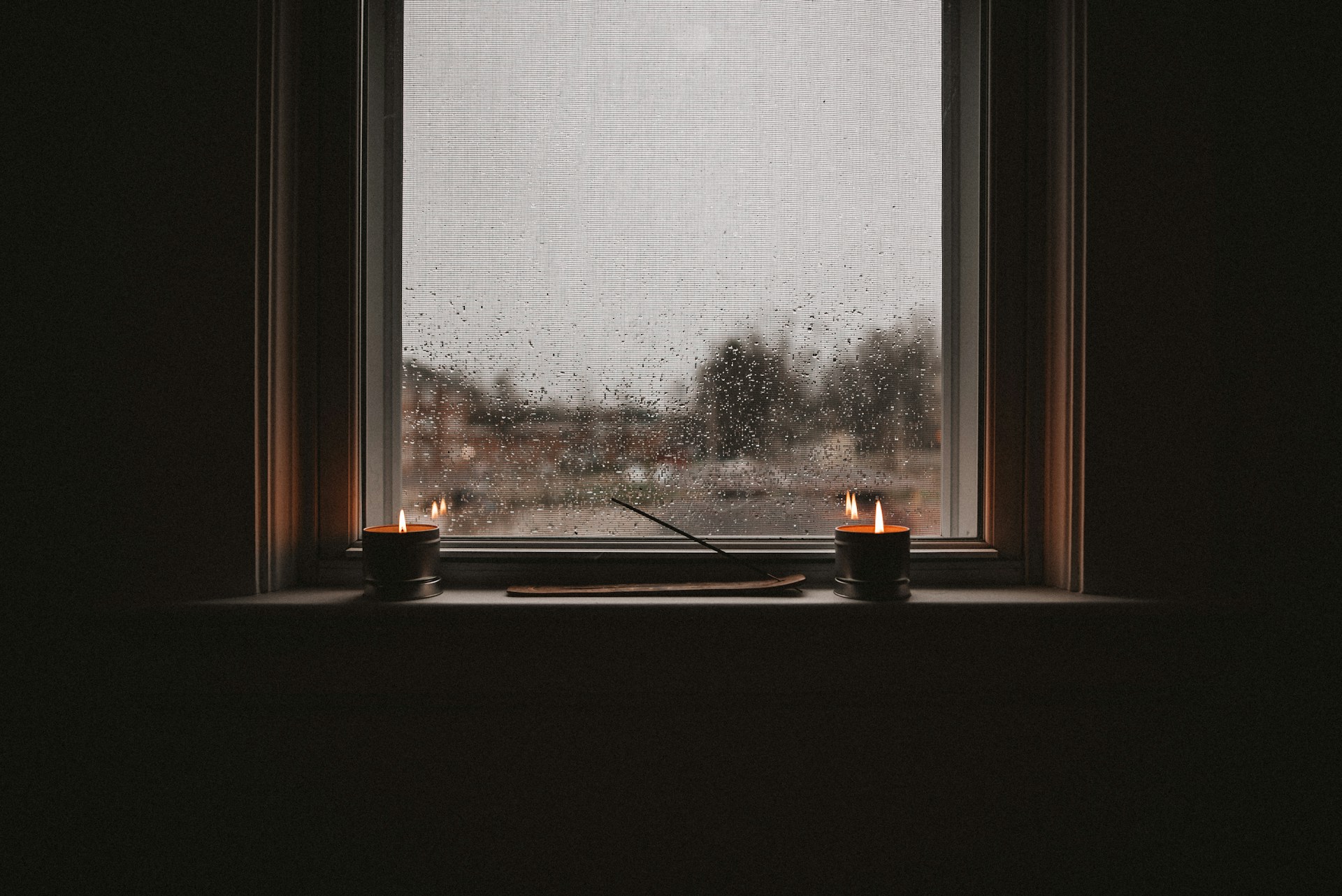
    The first step is to stop fighting the weather. Cancel what can be cancelled and move what can be moved. Then open the blinds rather than closing them. Rain on windows, the gray light and the sound on the roof are the atmosphere for the afternoon, not something to shut out. If you have a covered porch, a few minutes sitting there with a blanket, listening, is a lovely way to begin.

    A Loose Plan for the Afternoon

    You do not need a schedule, but a gentle sequence keeps the hours from dissolving into a screen. One version:

    • Start with a warm drink and ten minutes of doing nothing, watching the rain.
    • Move into something with your hands: baking, a puzzle, sketching, tending houseplants.
    • Take a bath or a long shower in the middle of the afternoon, which feels indulgent precisely because it is the middle of the afternoon.
    • Follow with your full skincare routine, unhurried: cleanse, a mask if you like, a facial massage, moisturizer.
    • Read, nap or listen to music until dinner.

    Any one of these alone is enough. The point is to choose rather than drift.

    Scents for a Rainy Day

    Rain has its own smell, the earthy scent called petrichor that rises when rain hits dry ground. Indoors, people often reach for warm, cozy scents on gray days: vanilla, sandalwood, cedar, a little orange. Others prefer something green and fresh to echo the garden. A diffuser running for half an hour, a candle or a pot of simmering water with citrus peel and a cinnamon stick all work. Keep a window cracked a little for ventilation, and enjoy the way the damp air seems to hold scent longer.

    Something Warm From the Kitchen

    Rainy days and ovens belong together. Bread, muffins, a pot of soup or a tray of roasted vegetables fills the house with warmth and smell and gives the afternoon a center. Cooking slowly, without rushing toward a result, is a mindfulness practice in disguise. If baking is not your thing, a pot of tea made properly, in a teapot, with a few minutes spent watching it steep, offers the same small ceremony.

    Rest Without Guilt

    A rainy day gives permission that a sunny one does not. There is no garden to tend, no walk you should be taking. If you want to nap, nap. If you want to lie on the sofa and watch the ceiling, that is allowed. Many people find that a day of genuine rest in the middle of a busy spring does more for their mood than a week of trying to squeeze relaxation into the gaps. We make no claims about health, only the observation that rest is good, and rain makes it easier.

    Spring showers in Georgia often end abruptly, with sun breaking through in late afternoon. Step outside when it does. The air is washed clean of pollen, the greens are brighter, everything drips and shines, and the birds come back all at once. A short walk around the block after rain is one of the finest free pleasures of April. Then come back in, having spent a gray day exactly as it asked to be spent.

  • Earth Day at Home: Low-Waste Self-Care Habits That Last All Year

    Earth Day at Home: Low-Waste Self-Care Habits That Last All Year

    Earth Day has been observed on April 22 since 1970, when millions of Americans took part in the first nationwide events focused on the environment. More than half a century later, it is a good annual prompt to look at the small habits of daily life. Self-care routines in particular tend to generate a lot of packaging, single-use items and water. The gentler, lower-waste versions are often simpler and more pleasant, which is a happy coincidence.

    Start With What You Already Have

    The most sustainable product is the one already in your cabinet. Before buying anything new, use up what you have. Many bathroom shelves hold half-finished bottles that were abandoned for the next promising thing. Finishing them clears space, saves money and reduces waste in one stroke. Keep a small basket of partially used products in plain view so they are the ones you reach for.

    Rethink the Disposables

    A few swaps remove a surprising amount of trash from a weekly routine:

    • Reusable cotton or bamboo rounds instead of disposable cotton pads. Toss them in a mesh bag and wash with towels.
    • A soft washcloth instead of single-use cleansing wipes.
    • A safety razor or a razor with replaceable blades instead of fully disposable ones.
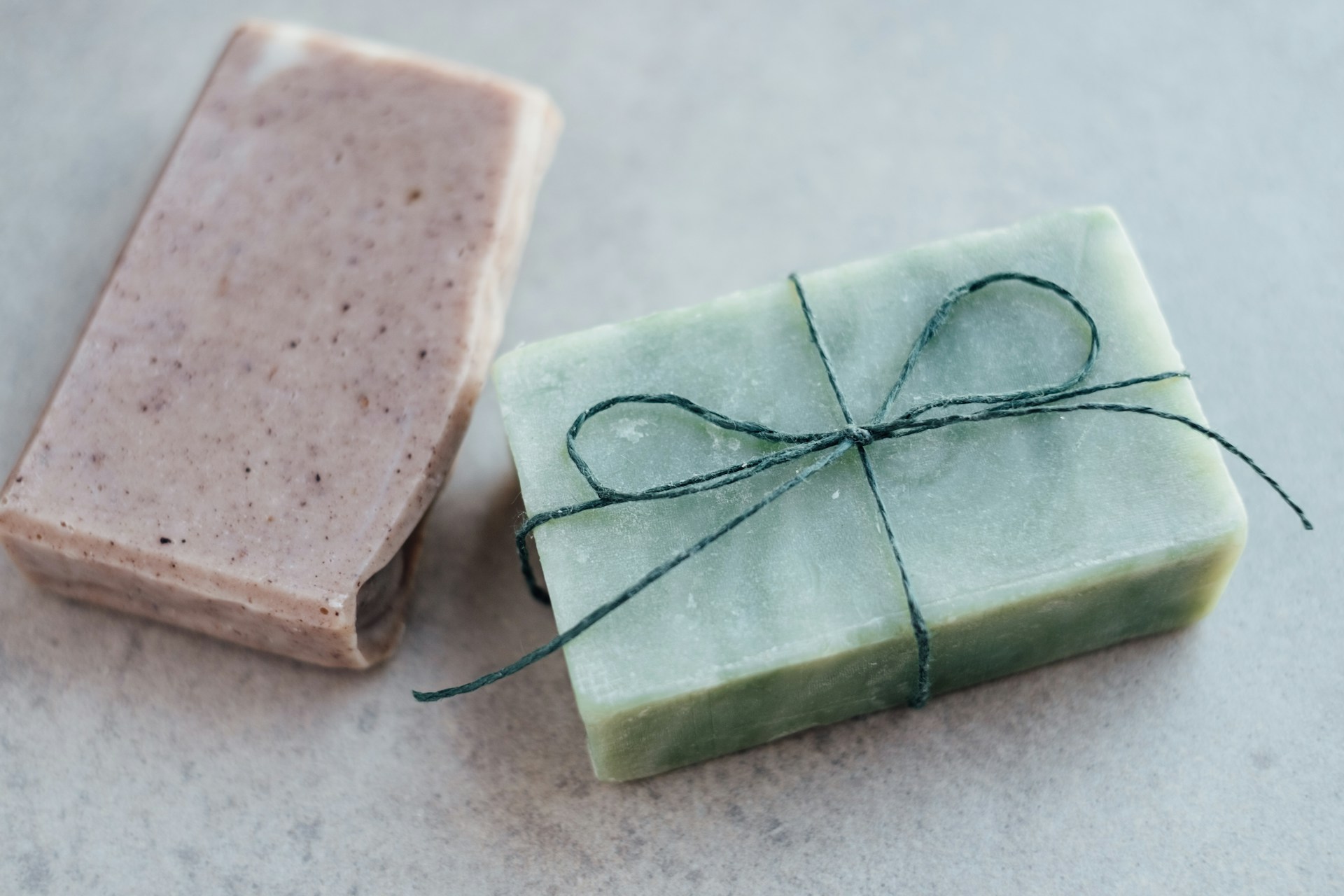
    • Bar soap, shampoo bars and solid conditioner, which arrive in paper rather than plastic and travel well.
    • A refillable water bottle kept by your bed and your desk.

    None of these require sacrificing comfort. Many people find a warm washcloth more pleasant than a cold wipe.

    Mind the Water

    Self-care uses a lot of water, and a few habits reduce it without reducing the pleasure. Turn off the tap while brushing teeth or massaging in cleanser. Keep showers a little shorter on ordinary days and save the long soak for when you really want it. Run the bath a few inches lower than usual. If you steam your face, let the cooled water go to the houseplants.

    Shop Slowly

    When you do need something new, buy fewer, better things. Look for products in glass, metal or paper where practical, and for brands that offer refills. Concentrated products stretch further and ship lighter. Choose multipurpose items: a plain plant oil can serve as a makeup remover, a body moisturizer and a carrier for essential oils. Resist the pull of a new product for every concern. Most routines are better with less.

    Low-waste self-care is also an invitation to use what the season offers. A sprig of rosemary from the garden in a bowl of steaming water, a handful of mint in a glass of cold water, a walk among blooming trees instead of a purchased experience. Dried herbs from your own pots make sachets for drawers. Spent coffee grounds go to the compost or the garden rather than the bin.

    Make It Last

    The point of Earth Day is not a single day of effort. Pick one or two changes from this list and give them a month to become habits before adding another. Keep the swaps that feel good and quietly drop the ones that do not. A lower-waste routine that you enjoy will outlast an ambitious one that you resent, and over years, those steady small choices add up to a real difference. It is a kind of care that extends a little beyond yourself, which is fitting for a season when everything outside is coming back to life.

  • April Is Stress Awareness Month: A Gentle Look at What Stress Is

    April Is Stress Awareness Month: A Gentle Look at What Stress Is

    April is observed in the United States as Stress Awareness Month, a time set aside each year to talk plainly about something nearly everyone lives with. Stress is not a disease, and feeling it is not a failure. It is a normal response to demands, and in the right dose it helps us meet deadlines, dodge traffic and show up for the people we love. The trouble comes when it never lets up. This article is general information, not medical or psychological advice. If stress is affecting your sleep, mood, relationships or daily life, please talk with your doctor or a licensed counselor.

    What Stress Is

    At its simplest, stress is the body’s response to a perceived challenge. When something feels demanding or threatening, the body shifts into a state of readiness: the heart beats faster, breathing quickens, muscles tense and attention narrows. This response is ancient and useful. It is designed to be brief, switching on for a challenge and switching off when the challenge passes.

    Modern life rarely cooperates. Deadlines, bills, caregiving, traffic and a phone that never stops delivering news keep the response humming at a low level for days or weeks. Many people describe this as feeling wound up, tired but unable to rest, or irritable for no clear reason. That is what people usually mean when they say they are stressed.

    How It Shows Up

    Stress looks different in different people. Some notice it in the body: a tight jaw, clenched shoulders, headaches, an unsettled stomach, trouble sleeping. Others notice it in their thinking: racing thoughts, difficulty concentrating, forgetting small things. Still others notice it in behavior: snapping at family, reaching for snacks or screens, withdrawing from friends, skipping the things that usually bring pleasure.

    Learning your own signals is useful. They are the early warning that it is time to slow down, not evidence that something is wrong with you.

    What Generally Helps

    There is no single fix, but certain habits are widely recognized as supportive. None of these is a treatment, and they work best as a steady practice rather than an emergency measure:

    • Movement, especially outdoors. A daily walk is the most accessible version.
    • Sleep. Protecting a consistent bedtime does more than almost anything else.
    • Connection. Talking with someone you trust, even briefly, changes how a hard day feels.
    • Breathing and relaxation practices. A few slow breaths, a body scan or progressive muscle relaxation give the body a signal that the challenge has passed.
    • Boundaries. Saying no to one thing to make room for rest.
    • Small pleasures. A bath, a cup of tea on the porch, music, a hobby, an hour at a wellness studio. These are not indulgences. They are how a nervous system remembers what calm feels like.

    When to Reach Out

    Everyday stress eases when the demand passes or when rest arrives. If it does not, if you feel overwhelmed most days, cannot sleep, are using alcohol or other substances to cope, or have thoughts of harming yourself, please reach out to a doctor or a mental health professional. In the United States, the 988 Suicide and Crisis Lifeline is available by call or text at any hour. Asking for help is a sign of good judgment, not weakness.

    Using the Month Well

    Stress Awareness Month is a prompt, not a program. You might use April to notice your own signals, to add one supportive habit, or to have an honest conversation with someone about how you are really doing. Spring in Georgia offers plenty of help: longer evenings, blooming yards, warm air that makes a walk easy. Awareness is the first step, and it costs nothing at all.