
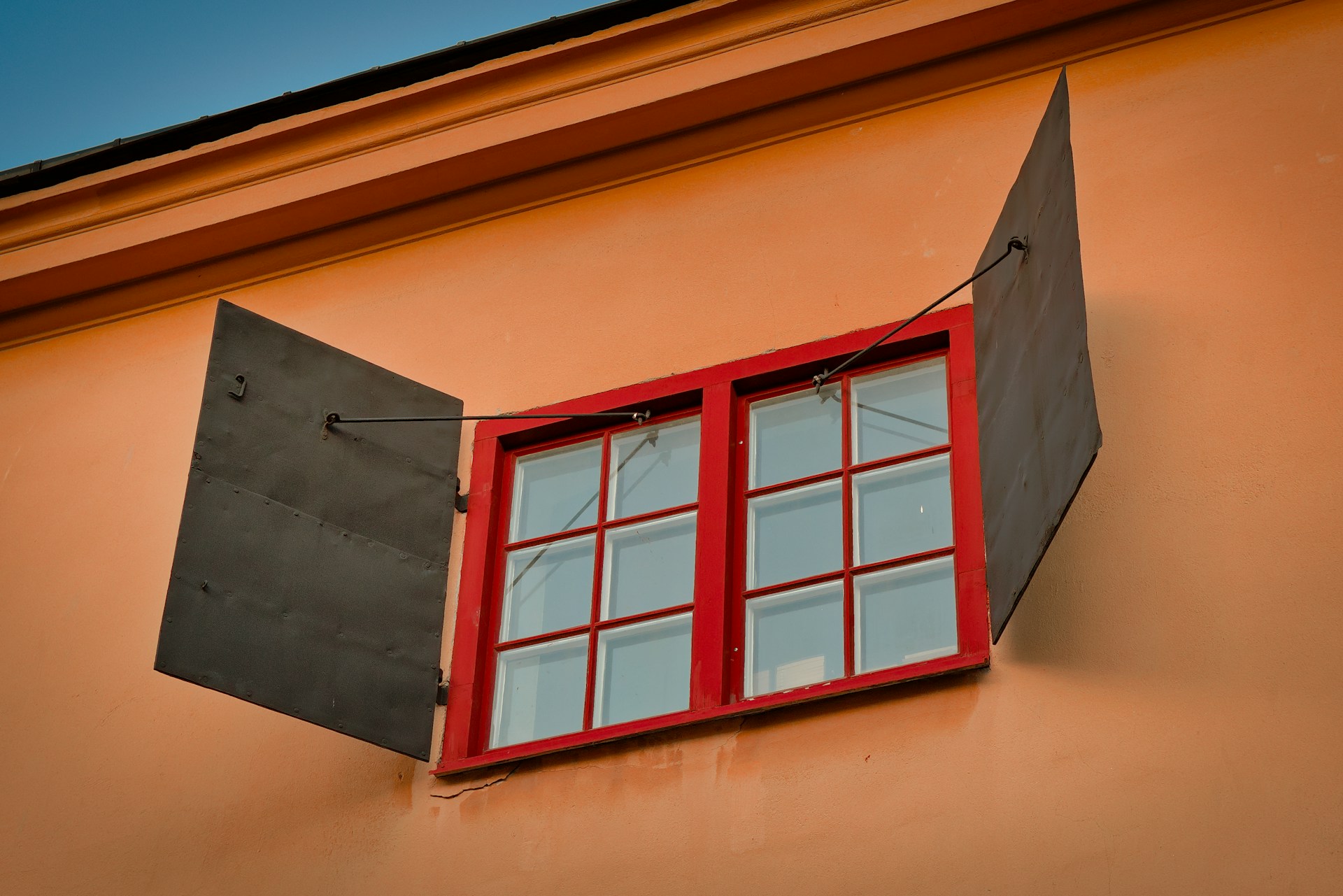
In many hot parts of the world, the middle of the day has traditionally been a time to slow down. Shops close, streets empty and people retreat indoors to eat, rest and wait out the worst of the heat. The Spanish word siesta has become the shorthand for this habit, but the idea is older and more widespread than any one country, and the old South knew it well.
The sixth hour
The word siesta comes from the Latin hora sexta, the sixth hour. In the Roman way of counting, the hours of daylight began at dawn, so the sixth hour fell around midday. Over time, the phrase came to mean the rest taken at that time. Similar customs took shape in many warm places: the Italian riposo, the long quiet afternoon in parts of Greece and midday rest in parts of Latin America, the Philippines, North Africa, the Middle East and South Asia.
The details vary, and modern work schedules have changed the habit in many cities. But the logic is the same everywhere: in a hot climate, it makes sense to work early and late and to protect the middle of the day.
Before air conditioning in the South
For generations in the rural South, the largest meal of the day was often eaten at midday and called dinner, with a lighter supper in the evening. Farm work started at first light and paused during the hottest hours. Afternoons were for shade, porches, fans and quiet indoor tasks, and work resumed as the day cooled. Many older Southerners still remember a slower summer afternoon, from the years before air conditioning made it possible to ignore the heat.
Why it still makes sense
Two things line up in the early afternoon. Most people feel a natural dip in alertness after midday, part of the body’s daily rhythm. And in summer, the sun’s ultraviolet light is strongest around the middle of the day, while air temperatures usually peak later, in mid to late afternoon. A pause in that window works with both the body and the weather rather than against them.
Borrowing the siesta, even with a schedule
Few of us can close up shop for two hours. But the spirit of the siesta can still shape a summer day:
- Move outdoor errands, exercise and yard work to the morning or evening.
- Take a real lunch break away from your desk, ideally somewhere cool and quiet.
- Keep early afternoon for lighter tasks, such as reading, email or planning, rather than demanding work.
- On weekends, try a true siesta: a light meal, a darkened room and twenty minutes of rest, whether or not you sleep.
- Close the blinds and let the house be quiet for an hour.
If you find you need long naps every day, or feel exhausted no matter how much you rest, talk to your doctor. For everyone else, the siesta is simply an old, sensible idea: the heat of the day is not the time to push. It is the time to pause, so that the cooler evening finds you rested and ready to enjoy it.