Tag: skincare

  • Traveling With Essential Oils and Skincare: Your Questions, Answered

    Traveling With Essential Oils and Skincare: Your Questions, Answered

    Summer trips often come with a small bag of comforts: a favorite face cream, a sunscreen that does not sting, a bottle of lavender oil for the hotel pillow. Getting them there intact, and using them considerately once you arrive, raises a few practical questions. Here are answers to some common ones.

    Can I bring essential oils and skincare in my carry-on?

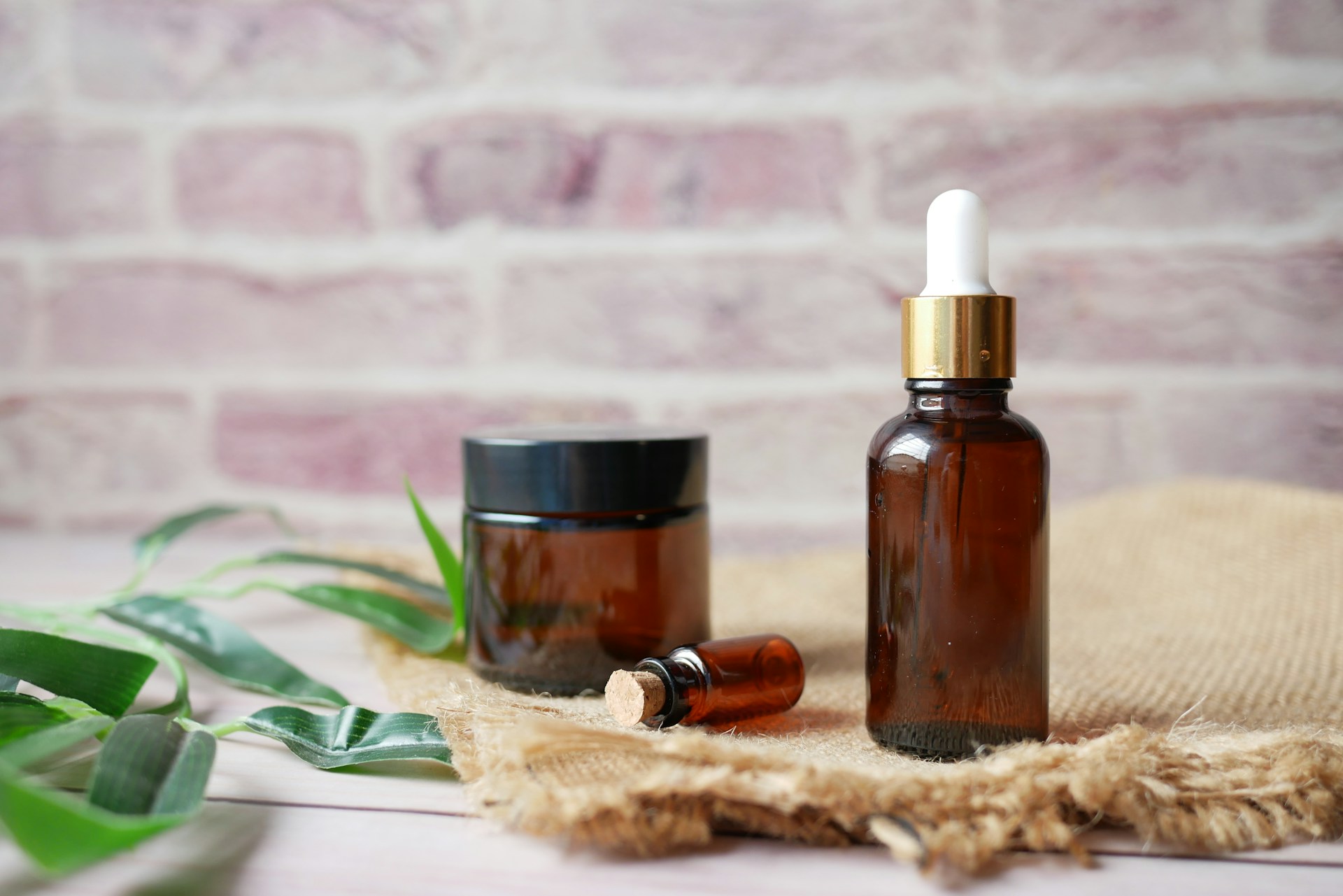
    Generally, yes, within the limits for liquids. Under the Transportation Security Administration’s liquids rule, carry-on liquids, gels, creams and aerosols must be in containers of 3.4 ounces, or 100 milliliters, or less, and all of them must fit in a single quart-size bag. Larger bottles belong in checked luggage. Rules can change and exceptions exist, so check the current guidance at tsa.gov before you pack. If you are flying internationally, check the rules of your airline and destination, too.

    How do I keep bottles from leaking?

    Changes in cabin pressure can push liquid out of loosely closed containers. A few habits help:

    • Fill travel bottles only partway, leaving a little air at the top.
    • Tighten caps firmly, and consider wrapping a strip of tape around each lid.
    • For extra protection, place a small square of plastic wrap over the opening before screwing on the cap.
    • Pack each bottle in its own zip-top bag, so one leak does not spoil everything else.
    • Keep essential oil bottles upright and away from anything they could stain.

    Is it okay to use essential oils on a plane or in a hotel room?

    Think of shared spaces first. On planes, buses and trains, people sit close together, and strong scents can bother neighbors who are sensitive to fragrance. Keep scent personal there: a sachet in your bag, or a small amount of a well-diluted oil you can enjoy without filling the cabin.

    In a hotel or rental, check the property’s policies before running a diffuser, and never burn candles where they are not allowed. A drop of oil on a cotton ball tucked near your pillow is a subtle way to bring a familiar scent to an unfamiliar room. Ventilate the room, and stop if anyone traveling with you finds the scent unpleasant.

    What about the heat?

    Heat is hard on essential oils, fragrances, sunscreen and many medications. A parked car in a Georgia summer can get dangerously hot within minutes, so take these things inside with you rather than leaving them in the glove box. At the beach or pool, keep them in a shaded bag or a cooler. If you travel with medications that need special storage, ask your pharmacist how to carry them.

    Any special precautions for beach and pool days?

    Yes. Several cold-pressed citrus oils, including bergamot, lemon and lime, can make skin more sensitive to sunlight when applied before sun exposure. On beach and pool days, save citrus blends for the evening, apply them only to skin that will stay covered or choose products made without these oils. Reapply sunscreen as the label directs, and pack a gentle moisturizer for after-sun comfort. As always, if you have a health concern, are pregnant or are traveling with young children, talk to your doctor before using essential oils on your trip. A little planning lets your favorite comforts travel as well as you do.
  • Beyond Sunscreen: Hats, Shade and Timing for Spring Days Outdoors

    Beyond Sunscreen: Hats, Shade and Timing for Spring Days Outdoors

    Sunscreen gets most of the attention in conversations about sun, and it deserves it. But sun care is more than a bottle. Shade, clothing, timing and a good hat have protected people for far longer than any lotion, and they work alongside sunscreen rather than instead of it. As spring pulls everyone outdoors in Georgia, here is a look at the habits beyond the bottle. This is general information; for personal guidance, especially if you have a history of skin concerns or take medications that affect sun sensitivity, talk with your doctor or dermatologist.

    Spring Sun Is Stronger Than It Feels

    Because the air is still mild in April, it is easy to underestimate the sun. The strength of ultraviolet light depends on the sun’s angle, not the temperature, and by late spring the angle is high. A cool, breezy afternoon in the garden can leave the back of your neck pink. Cloud cover reduces UV but does not block it, and light bounces off water, sand and pale pavement.

    Timing

    UV exposure is generally strongest in the middle of the day, roughly from late morning through midafternoon. If you have a choice about when to garden, walk or run, early morning and evening are gentler on skin and more pleasant in the Georgia heat anyway. A simple rule of thumb that many sun safety organizations share: when your shadow is shorter than you are, the sun is strong enough to warrant care.

    Shade

    Shade is the oldest sun protection there is. Trees, porches, umbrellas and awnings all reduce exposure, though none of them block it entirely because light scatters from the surroundings. A few habits:

    • Plan the shadiest route for a walk, which in Macon’s older neighborhoods usually means the streets with big oaks.
    • Set up outdoor seating under a tree or umbrella rather than in open sun.
    • Take breaks in the shade during long stretches of yard work.
    • Carry a compact umbrella on bright days. It is a common sight in many parts of the world and a sensible one.

    Hats and Clothing

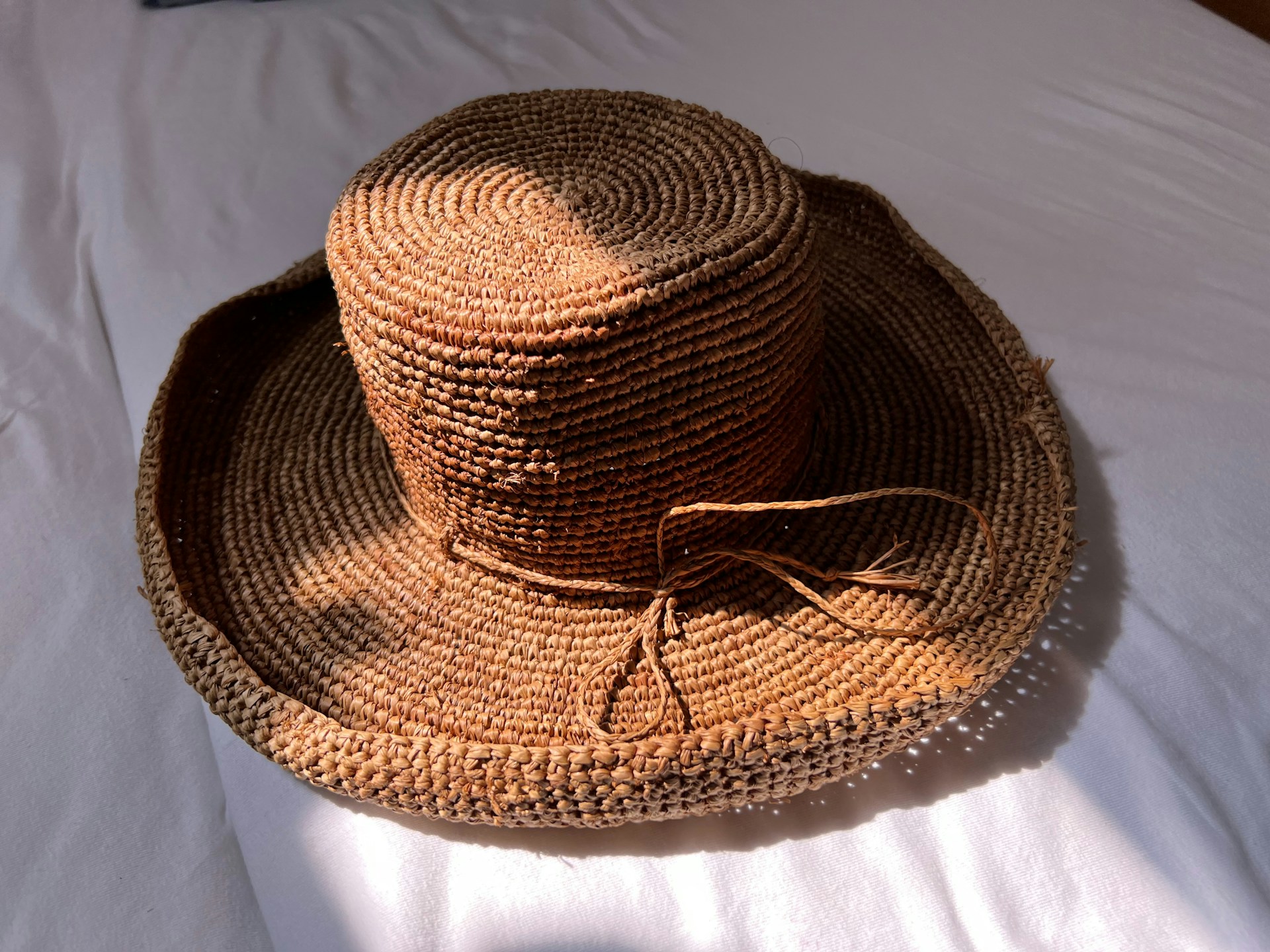
    A wide-brimmed hat protects the face, ears and neck better than a baseball cap, which leaves the ears and the back of the neck exposed. Look for a brim of three inches or more and a tightly woven fabric. For clothing, long sleeves and long pants in lightweight, breathable fabrics are surprisingly comfortable in spring heat and spare you a layer of sunscreen. Darker colors and denser weaves block more light than thin, pale fabrics. Some clothing is labeled with an ultraviolet protection factor, or UPF, which works like SPF for fabric. Sunglasses that block UV protect the eyes and the delicate skin around them.

    None of these replaces sunscreen on exposed skin. The point is that layering habits makes each one easier. A morning walk under oaks in a hat and long sleeves asks very little of your sunscreen. An afternoon in open sun at the lake asks a great deal of it, and that is when generous application and reapplication matter most. Many dermatology organizations suggest combining shade, protective clothing and broad-spectrum sunscreen as the standard approach, and that combination is also simply more comfortable.

    A Few Spring Reminders

    • Check that last year’s sunscreen is not expired.
    • Keep a hat by the door and a spare in the car.
    • Apply sunscreen to the easily forgotten spots: ears, the back of the neck, the tops of feet in sandals, the part in your hair.
    • Drink water. Sun care and hydration go together.

    Spring in Georgia is made for being outside. A hat, a shady route and a little attention to the hour let you enjoy all of it without paying for it later.

  • A Short History of the Facial: From Ancient Cosmetics to the Treatment Room

    A Short History of the Facial: From Ancient Cosmetics to the Treatment Room

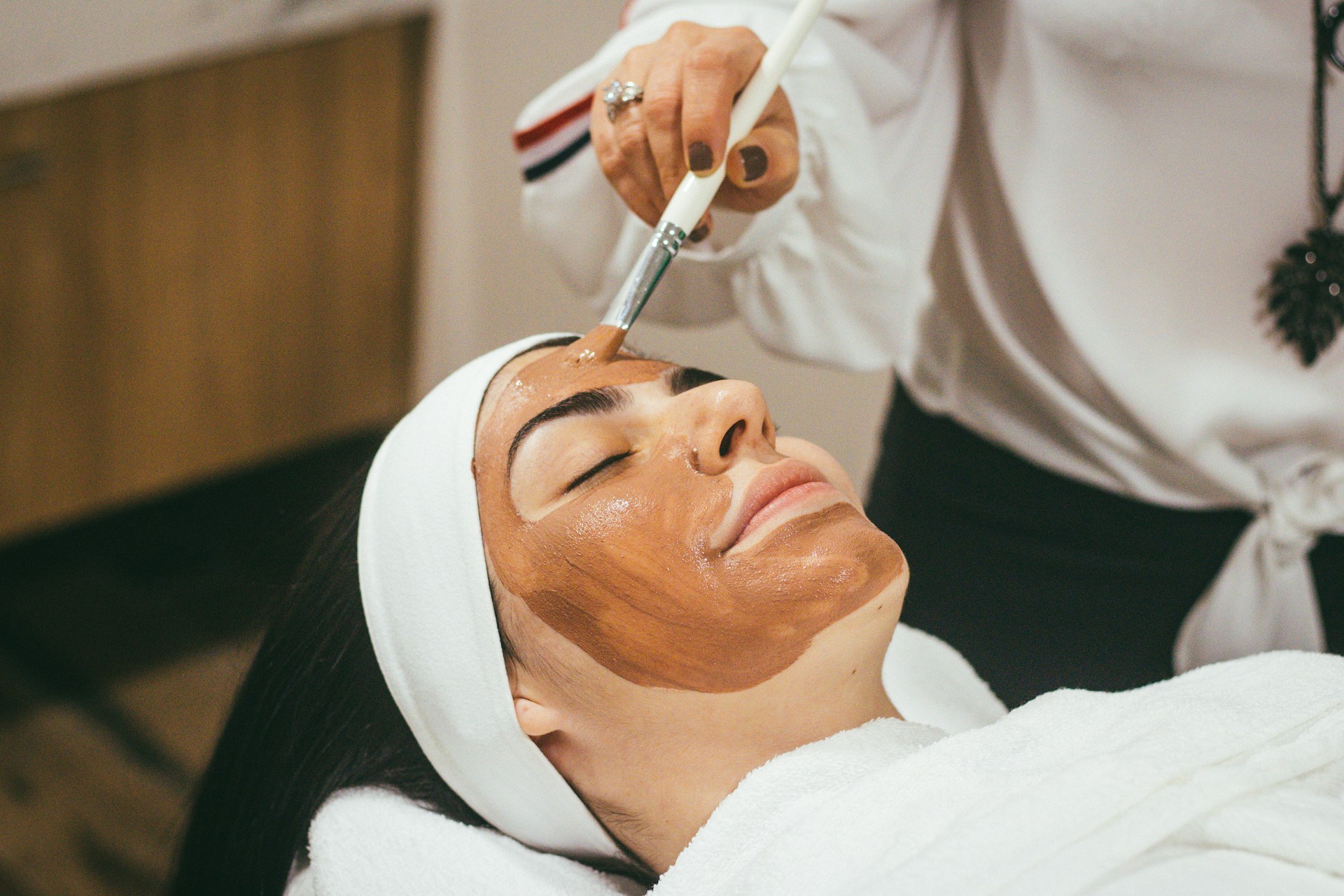
    A facial today is a quiet hour on a comfortable table: cleansing, gentle steam, a mask, a little massage, moisturizer. It feels modern, but caring for the skin of the face is one of the oldest grooming practices there is. The story runs from clay and honey in ancient kitchens through royal courts and nineteenth-century beauty parlors to the licensed treatment rooms of today. This article is a history, not a guide to any particular service. For details about the facials we offer, please visit our services page or contact us.

    Ancient Beginnings

    Egyptians thousands of years ago used oils, honey, milk and clay on their skin, and their tomb paintings and cosmetic jars show how seriously they took it. Greek and Roman writers described face masks made from ingredients such as barley flour, eggs and honey, and the Roman bathhouse routine included oiling and scraping the skin clean. Galen, a Greek physician of the second century, is credited with an early recipe for cold cream, a blend of water, oil and beeswax that is the ancestor of nearly every moisturizer since.

    In Asia, skincare traditions developed along their own lines. Chinese and Japanese texts describe rice water, herbal infusions and pearl powder used on the face, and some of those ingredients remain popular today.

    Courts and Kitchens

    Through the medieval and early modern periods, recipes for the face circulated in household books alongside remedies and cooking. Rose water, almond milk, cucumber and oatmeal were common. Wealthy women in European courts used elaborate preparations, some of them dangerous, including lead-based whiteners that caused real harm over time. For most people, though, skincare meant washing with water and perhaps a little homemade lotion.

    The Birth of the Beauty Salon

    The facial as a professional service took shape in the late nineteenth and early twentieth centuries. As cities grew and department stores appeared, salons opened offering face treatments, massage and manufactured creams. Entrepreneurs such as Helena Rubinstein and Elizabeth Arden built international businesses around the idea that skincare could be a ritual performed by a trained professional, with products to continue at home. Steam, massage and masks became standard elements of a salon facial during this period, and the basic sequence has changed less than you might expect.

    The Modern Treatment Room

    In the second half of the twentieth century, the facial became more widely available and more regulated. In the United States, estheticians, the professionals who perform facials, are licensed in most states after completing formal training and an exam. Licensing rules vary by state, so if you want to know what is required where you live, your state’s licensing board is the authority.

    Today a typical facial includes cleansing, an assessment of the skin, exfoliation, steam or warm towels, a mask, massage of the face and often the neck and shoulders, and moisturizer and sunscreen. Variations are endless, and the experience ranges from clinical to deeply relaxing depending on the setting.

    What Has Stayed the Same

    Across all those centuries, a few things are constant. People have always wanted to feel cared for, and touch on the face is a particularly intimate kind of care. Ingredients from the kitchen and garden, honey, oats, rose, clay, have never gone out of fashion. And the most valuable part of a facial has always been the time itself: lying still, eyes closed, while someone attends to you. That has not changed since the first warm cloth was laid on a face a very long time ago.

  • Humidity Returns: Keeping Skin Comfortable as Georgia Warms Up

    Humidity Returns: Keeping Skin Comfortable as Georgia Warms Up

    By mid-April, the air in Middle Georgia has changed. Mornings are soft, afternoons are warm and the humidity that defines a Southern summer begins to creep back. Skin notices before the calendar does. Products that felt perfect in February suddenly feel heavy, foreheads shine by lunchtime and sweat becomes part of the day. A few adjustments keep skin comfortable as the season turns. This is general skincare information; for a skin condition or persistent concern, see a dermatologist.

    What Humidity Does to Skin

    Humid air holds more water, and skin loses less moisture to it. For many people that is good news: the tightness and flaking of winter ease without any help. At the same time, warmth tends to increase oil production, and sweat mixes with oil, sunscreen and pollen on the surface. The result is skin that may feel both more comfortable and more congested than it did in the cold months.

    Lighten the Layers

    The simplest spring adjustment is to use less. Try these one at a time and give each a week:

    • Switch a rich cream for a lotion or gel-cream, or save the cream for night only.
    • Use a smaller amount of whatever you apply. A pea-sized dab of moisturizer often covers the face in humid weather.
    • Trade a cream cleanser for a gel if your skin feels oily by midday.
    • Set aside heavy facial oils until fall, or use a single drop only where skin still feels dry.

    Lighter does not mean skipping. Even oily skin generally feels better with a light moisturizer than with none, and sunscreen remains essential every day.

    Sunscreen in Warm Weather

    Thick, greasy sunscreens are the main reason people stop wearing them when it gets hot. Look for a lightweight, broad-spectrum formula labeled for the face, apply it generously in the morning and reapply if you are outdoors for long stretches or sweating heavily. A mineral powder sunscreen or a spray can make midday reapplication easier over makeup.

    Managing Sweat and Shine

    Sweat itself is not bad for skin, but letting it sit mixed with sunscreen and grime can feel uncomfortable. After a workout or a hot afternoon of yard work, rinse your face with lukewarm water and a gentle cleanser as soon as is practical, then apply a light moisturizer. For shine during the day, blotting papers absorb oil without disturbing sunscreen; powder adds coverage but can build up. Avoid the temptation to wash more than twice a day with cleanser, which tends to leave skin tight and can make it feel oilier in response.

    Body Skin Needs Attention Too

    Humidity affects more than the face. Areas where skin rubs or stays damp, such as under arms, beneath clothing bands and between toes, benefit from being washed and thoroughly dried each day. Breathable fabrics such as cotton and linen help. A lighter body lotion replaces the heavy winter butter, and a quick rinse in the evening after a sweaty day makes bed feel better. For feet, let sandals and shoes dry out fully between wearings.

    Spring in Georgia is changeable, and a cool snap can send skin back to winter behavior for a week. Rather than following a fixed routine, pay attention each morning. Does your skin feel tight, comfortable or oily? Adjust that day’s products to match. By late May the humidity will be here to stay, and a lighter routine that you settled into gradually in April will already feel like second nature.

  • Caring for Your Skin and Hands After a Day in the Garden

    Caring for Your Skin and Hands After a Day in the Garden

    Few things feel as satisfying as an afternoon in the garden in spring, and few leave hands and skin in rougher shape. Soil dries the skin, sun catches the back of the neck, thorns and rough stems leave scratches, and pollen settles on everything. A simple care routine after yard work keeps the pleasure without the sting. This is general skincare information; for cuts that look infected, rashes or persistent irritation, see your doctor.

    Before You Start

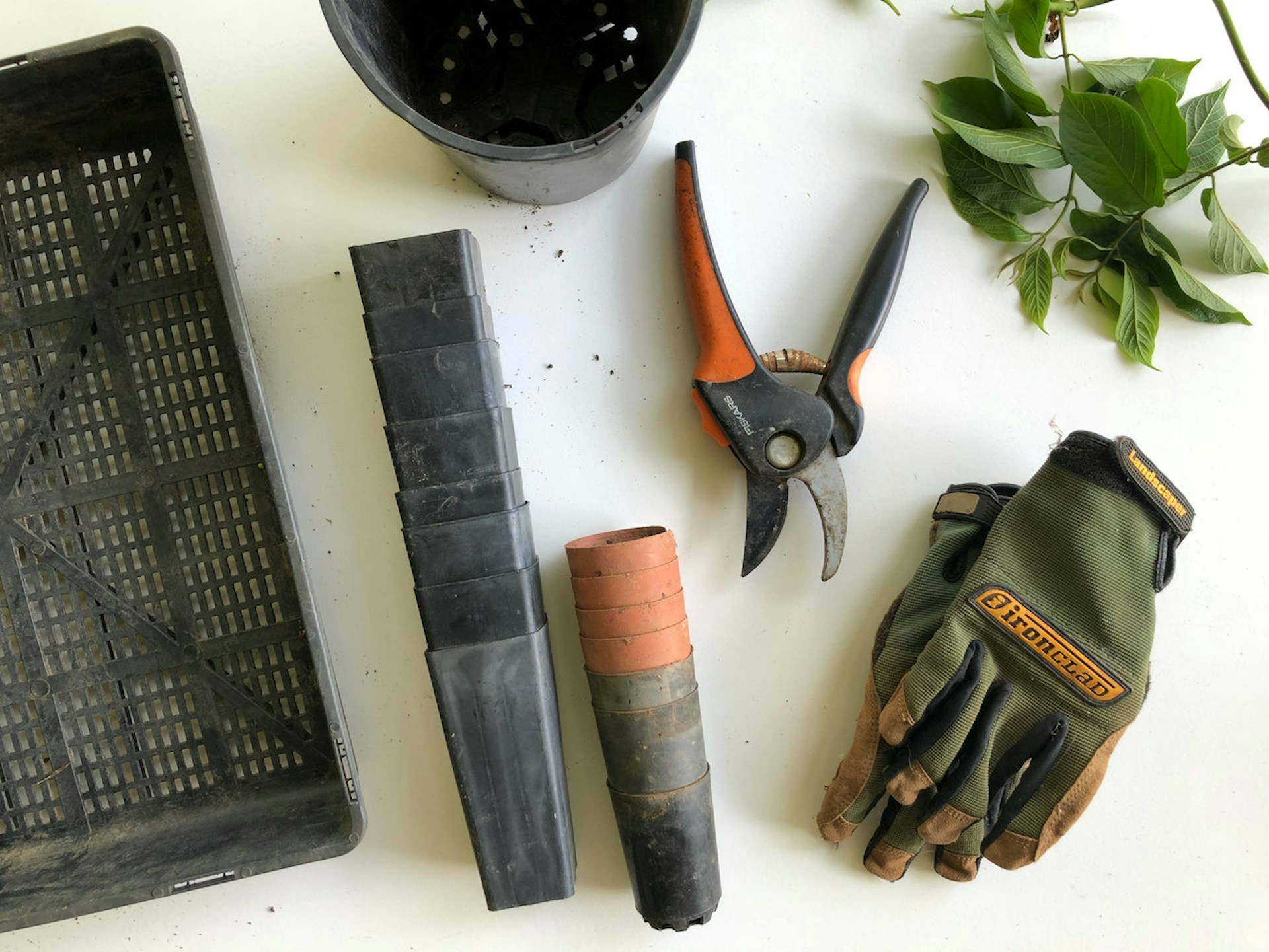
    The gentlest after-care begins before you pick up a trowel. Apply a broad-spectrum sunscreen to your face, neck, ears and the backs of your hands, and reapply if you are out for more than a couple of hours. Wear a wide-brimmed hat and, if the sun is strong, a lightweight long-sleeved shirt. Put on gloves. Many gardeners also rub a little hand cream or balm into their hands before gloving up, so that soil has less chance to settle into dry skin. Scrape your nails over a bar of soap to keep dirt from packing underneath them.

    Washing Up

    When you come in, wash your hands first with lukewarm water and a gentle soap. A soft nail brush helps with the creases of knuckles and under nails. Resist the urge to scrub with harsh grit, which leaves skin raw. Then wash your face and the back of your neck, where sweat, sunscreen and pollen have been collecting all afternoon.

    If you have been working around plants with sap, such as figs or euphorbias, wash any skin that touched them promptly, since some plant saps can irritate skin, especially in sunlight. If you suspect you brushed against poison ivy, which is common along Georgia woods and fencelines, wash the area thoroughly with soap and cool water as soon as possible and launder the clothes you were wearing separately.

    Scratches and Splinters

    Rinse small scratches with clean water, pat dry and cover them if they are in a spot that will get dirty again. Remove splinters with clean tweezers. Keep an eye on any break in the skin from soil or thorns; if it becomes red, warm, swollen or painful over the next day or two, see a doctor. Rose thorns and old wood in particular are worth watching.

    Moisturize Generously

    Soil, water and sun are a drying combination. After washing, apply a rich hand cream while your hands are still slightly damp and work it around the nails and cuticles. Many gardeners keep a thick balm by the bed and wear thin cotton gloves over it overnight once or twice a week during the busy season. For the face and neck, use your usual moisturizer, and consider a lighter lotion for arms and legs if they were exposed.

    Kneeling and crouching are hard on knees and the tops of feet, and sandals let dirt in everywhere. A kneeling pad saves both knees and clothes. In the evening, a warm foot soak with a handful of plain salt, followed by a pumice stone on rough patches and a layer of cream, is a pleasant way to close a gardening day.

    Making It a Ritual

    None of this takes long. Fifteen minutes of washing, tending and moisturizing is a small price for an afternoon outside. Many people come to enjoy it as the last act of the day’s work: a slow wash, a scented cream, a glass of cold water and a look out the window at what they have planted. The garden rewards care, and so does the gardener.

  • Facial Steaming at Home: What It Is and How to Do It Gently

    Facial Steaming at Home: What It Is and How to Do It Gently

    Facial steaming is one of the oldest and simplest spa rituals, and it needs nothing more than a bowl of hot water and a towel. The warm, damp air feels soothing, softens the surface of the skin and makes the whole routine of cleansing feel more deliberate. Done gently, it is a pleasant addition to a self-care evening. Done carelessly, it can leave skin red and irritated, so a little know-how matters. This is general information; if you have rosacea, very sensitive skin, a skin condition or breathing concerns, ask your dermatologist or doctor before steaming.

    What Steam Actually Does

    Steam does not open pores, which have no muscles and cannot open or close. What warm, moist air does do is soften the outer layer of skin and loosen the oil and debris sitting on the surface, which can make cleansing feel more thorough. It also brings a flush of warmth to the face, which many people find relaxing. Think of it as a comfort ritual rather than a treatment.

    A Simple Method

    • Cleanse your face first so you are not steaming makeup into your skin.
    • Boil water and pour it into a heatproof bowl set on a stable table. Let it cool for a minute or two; it should be steaming, not boiling.
    • Sit comfortably and hold your face eight to twelve inches above the bowl. Closer is not better.
    • Drape a towel over your head and the bowl to trap the steam if you like, leaving a gap for fresh air.
    • Stay for five minutes or less. If your skin feels hot or uncomfortable, stop.
    • Pat your face with a soft towel, then apply moisturizer while skin is still damp.

    Once a week is plenty for most people. Daily steaming is more than most skin wants.

    Adding Scent

    A few fresh herbs in the bowl, such as a sprig of rosemary or a handful of mint, make steaming feel more like a ritual. Dried chamomile flowers or a green tea bag are other gentle options. If you want to use essential oils, be cautious: steam carries scent strongly, and a single drop in a large bowl is enough. Skip oils entirely if you are pregnant, have asthma or are sensitive to scent, and never use essential oils in a steam for young children.

    Who Should Skip It

    Steaming is not for everyone. People with rosacea or skin that flushes easily often find heat makes redness worse. Those with very dry or eczema-prone skin may feel tighter afterward. Anyone with a sunburn, recent facial procedures or broken skin should wait. If you are unsure, ask a dermatologist or esthetician.

    Countertop facial steamers produce a fine, steady mist and are easier to control than a bowl. If you use one, follow the manufacturer’s instructions on distance and duration, use distilled water if the maker recommends it, and clean the unit regularly so it does not grow mildew. Never add essential oils to a steamer unless the instructions say it is designed for them.

    Making It a Ritual

    Steaming works best as the center of a quiet half hour. Dim the lights, put on soft music and set out your cleanser, towel and moisturizer before you start. Breathe slowly while you sit over the bowl; the warm air invites long, easy breaths. When you finish, take your time with the rest of your routine. The point is less about your skin than about the pause itself, which is a rare and welcome thing in a busy week.

  • Pollen Season Self-Care: A Simple After-Outdoors Routine for Yellow Days

    Pollen Season Self-Care: A Simple After-Outdoors Routine for Yellow Days

    Every spring, usually from mid-March into April, Middle Georgia turns yellow. Pine pollen settles on cars, porches, patio furniture and anything else left outside. Whether or not pollen bothers you, the season calls for a few extra habits to keep skin, hair and home feeling fresh. This is general self-care information. If you have allergies, breathing concerns or skin irritation, talk with your doctor about what is right for you.

    Know the Rhythm of the Day

    Pollen is not constant. Many local weather forecasts include a pollen count, and counts tend to run highest on dry, breezy mornings and lowest after a soaking rain. Planning longer outdoor time for the hours after a shower, or for a still evening, can mean coming home with less dust on you. On the heaviest days, a shorter walk may feel better than a long one.

    A Simple Routine When You Come Inside

    Pollen is a fine powder that clings to fabric, hair and skin. The goal of an after-outdoors routine is to leave it at the door rather than carry it to the sofa and the pillow.

    • Take shoes off at the entrance and keep a mat outside for a quick scuff.
    • Change out of the clothes you wore outside, especially after yard work, and put them straight into the hamper.
    • Wash your hands and face with lukewarm water and a gentle cleanser.
    • Rinse or wash your hair in the evening if you spent a long time outdoors, so the pollen does not transfer to your pillowcase.
    • Wipe glasses and sunglasses, which collect a surprising film.

    None of this needs to be elaborate. Two or three minutes at the door and five minutes in the bathroom cover most of it.

    Gentle Care for Skin and Eyes

    Some people find their skin feels dusty or dull during pollen season. A gentle cleanser morning and evening, followed by a light moisturizer, is generally enough. Avoid scrubbing, which can leave skin feeling raw, and stick to lukewarm rather than hot water.

    For eyes, a cool damp washcloth laid over closed lids for a few minutes can simply feel pleasant after a windy day. Saline or any other eye product is a question for your doctor or pharmacist, especially if you wear contact lenses.

    Protecting Your Sleep Space

    The bedroom deserves special attention because you spend so many hours there with your face against fabric.

    • Keep bedroom windows closed on high-pollen days, even when the breeze is tempting.
    • Wash pillowcases more often than usual during the peak weeks.
    • Keep pets who go outdoors off the bed, or wipe them down with a damp cloth when they come in.
    • Shower before bed on days you spent a lot of time outside.

    Remember the Upside

    It is easy to resent the yellow dust, but it comes with the best weeks of the Georgia year: cherry blossoms, azaleas, dogwoods and evenings warm enough to sit outside. The pollen is a sign that the trees are doing what trees do. A simple routine lets you enjoy the season rather than hide from it. And when the first hard rain finally washes the porch clean, it feels like a small celebration.

  • Exfoliation Basics: How Often, What Kind and When to Skip It

    Exfoliation Basics: How Often, What Kind and When to Skip It

    Exfoliation is the process of removing dead skin cells from the surface of the skin. Our skin sheds cells naturally, but many people enjoy the smooth feeling that comes with gentle exfoliation. As with most things in skincare, the key is moderation. Too much exfoliation can leave skin red, raw or sensitive.

    This is general information. If you have a skin condition, such as eczema or rosacea, or use prescription skincare, talk with a dermatologist before exfoliating.

    Two Main Types

    Physical Exfoliation

    Physical, or mechanical, exfoliation uses texture to remove dead cells. Examples include:

    • Scrubs with fine particles
    • Soft washcloths
    • Cleansing brushes
    • Exfoliating mitts for the body

    If you use a scrub, choose one with fine, smooth particles and use light pressure. Harsh, jagged particles can be rough on facial skin.

    Chemical Exfoliation

    Chemical exfoliation uses ingredients that help loosen dead skin cells. Common examples include alpha hydroxy acids, such as glycolic and lactic acid, beta hydroxy acids, such as salicylic acid, and enzymes derived from fruits like papaya and pineapple.

    Chemical exfoliants come in many strengths. Start with gentle, low-concentration products, follow the label directions and introduce them slowly.

    How Often to Exfoliate

    There is no single answer. Many people with normal skin find that exfoliating the face once or twice a week is plenty. People with sensitive or dry skin may prefer less often, or not at all. Oilier skin may tolerate a little more. Pay attention to how your skin responds and adjust accordingly.

    The body can often handle a little more exfoliation than the face, but the same principle applies: gentle and consistent is better than harsh and frequent.

    Signs You Are Overdoing It

    Watch for signs that your skin needs a break:

    • Redness or stinging
    • A tight, shiny or raw appearance
    • Burning when you apply other products
    • Increased sensitivity or flaking

    If you notice these, stop exfoliating, use a simple, gentle routine and let your skin recover. If irritation does not improve, see a dermatologist.

    When to Skip It

    There are times when it is wise to skip exfoliation:

    • On sunburned, broken or irritated skin
    • Right before or after a professional facial or treatment, unless your esthetician advises otherwise
    • When using prescription skincare that already increases sensitivity, unless your doctor approves
    • Before significant sun exposure

    Do Not Forget Sunscreen

    Many exfoliating products, especially those with alpha hydroxy acids, can increase sun sensitivity. Wear broad-spectrum sunscreen daily, and follow any warnings on your product labels.

    Finding Your Balance

    Exfoliation can be a pleasant part of a skincare routine, but it is not something to do aggressively. Start slowly, listen to your skin and remember that less is often more. A gentle, consistent routine tends to keep skin feeling comfortable and smooth.

  • Facial Massage at Home: A Gentle Five-Minute Routine

    Facial massage is one of the simplest pleasures in self-care. A few minutes of slow, gentle touch can feel soothing after a long day, and it pairs naturally with your evening skincare routine. You do not need special tools, though some people enjoy using them.

    This routine is for relaxation. If you have a skin condition, active breakouts, recent cosmetic procedures or facial pain, talk with your dermatologist or doctor before practicing facial massage.

    Getting Ready

    Start with clean hands and a clean face. Apply a small amount of facial oil, serum or moisturizer to give your fingers a little glide. This helps prevent tugging on the skin. Sit comfortably or stand in front of a mirror, relax your shoulders and take a few slow breaths.

    Throughout the routine, use light pressure. The skin on the face, especially around the eyes, is delicate. Massage should always feel comfortable, never painful.

    A Simple Five-Minute Routine

    Forehead

    Place your fingertips at the center of your forehead and glide them outward toward your temples. Repeat several times. Then make small, slow circles at the temples.

    Around the Eyes

    Using your ring fingers, which tend to apply the lightest pressure, gently tap along the bone beneath your eyes, moving from the inner corners outward. Avoid pulling or dragging the skin.

    Cheeks

    Place your fingertips beside your nose and glide them outward across your cheekbones toward your ears. Repeat several times.

    Jaw

    Many people hold tension in the jaw. Make slow circles with your fingertips along the jawline, moving from the chin toward the ears. You might also gently open and close your mouth a few times.

    Neck

    Finish by gliding your fingertips gently down the sides of your neck toward your collarbone. Take a slow breath and let your shoulders drop.

    About Gua Sha and Facial Rollers

    Gua sha is a traditional East Asian practice that involves scraping the skin with a smooth tool. Facial gua sha, which uses a much lighter touch, has become popular in recent years. Facial gua sha tools are usually flat, smooth stones shaped to fit the contours of the face. Facial rollers, often made of jade or rose quartz, are another popular tool.

    If you try these tools:

    • Use them on skin prepared with oil or moisturizer.
    • Hold flat tools at a low angle against the skin.
    • Use light, gliding strokes.
    • Clean tools after each use according to their care instructions.
    • Avoid using them on broken, irritated or sunburned skin.

    Many people enjoy the cool, smooth feel of stone tools. Your hands work just as well, though, and they are always available.

    Making It a Ritual

    Facial massage is a lovely addition to an evening wind-down routine. You might dim the lights, play soft music or enjoy a pleasant scent while you practice. Some people like to massage while their moisturizer absorbs, while others prefer a dedicated few minutes before bed.

    Treat the routine as a chance to slow down rather than a beauty task. A few minutes of gentle, caring touch can be a quiet way to close the day and give yourself a moment of rest.

  • Why Sunscreen Still Matters in Winter

    On a cool, gray February day, sunscreen may be the last thing on your mind. Many people think of it as a summer product, packed in a beach bag and forgotten until June. But many dermatology organizations, including the American Academy of Dermatology, recommend using sunscreen year-round on skin that will be exposed to the sun.

    This is general information. For personal skincare advice, especially if you have a skin condition or concerns about sun exposure, talk with a dermatologist.

    The Sun Is Still Shining

    Even when the air is cold, the sun’s ultraviolet light still reaches the earth. UV light comes in two main types that affect skin: UVA and UVB. UVB is more closely associated with sunburn, and its intensity varies with the season. UVA is present throughout the year and can pass through clouds and glass windows.

    That means time outdoors on a cloudy day, sitting by a sunny window or driving can all involve some sun exposure.

    Choosing a Sunscreen

    When choosing a sunscreen, many dermatologists suggest looking for:

    • Broad-spectrum protection, which means it is designed to protect against both UVA and UVB
    • An SPF of 30 or higher for daily use
    • A formula you actually enjoy wearing, since you are more likely to use it

    There are two main types: mineral sunscreens, which use ingredients such as zinc oxide or titanium dioxide, and chemical sunscreens, which use other ingredients that absorb UV light. Both can be effective. People with sensitive skin sometimes prefer mineral formulas, but everyone is different.

    Making It Part of Your Routine

    The easiest way to use sunscreen consistently is to make it part of your morning routine:

    • Cleanse your face.
    • Apply moisturizer.
    • Apply sunscreen as the last step before makeup.

    Some moisturizers include SPF, which can simplify the routine. Remember your ears, neck and the backs of your hands, which are often exposed.

    Reapplication

    Sunscreen labels typically recommend reapplying at least every two hours when you are outdoors, and more often if you are sweating or swimming. On a winter day spent mostly indoors, your needs may be different. Follow the directions on your sunscreen’s label.

    Beyond Sunscreen

    Sunscreen is one part of sun care. Other simple habits include:

    • Wearing a hat and sunglasses outdoors
    • Seeking shade during the brightest part of the day
    • Wearing lip balm with SPF

    A Year-Round Habit

    Building a sunscreen habit in winter means you are already in the routine when spring arrives. Keep a bottle by the bathroom sink, a small tube in your bag and another in the car. Like brushing your teeth, it soon becomes something you do without thinking.

    If you notice any changes in your skin, such as new spots, changing moles or patches that do not heal, see a dermatologist or your doctor. Regular skin checks are an important part of caring for your skin.