
Tag: slow living

  • From Slow Food to Slow Mornings: A Short History of the Slow Living Idea

    The phrase slow living can sound like a luxury, something for people with endless free time and a farmhouse kitchen. Its roots are more practical and more interesting than that. The idea began as a pushback against fast food and grew into a broader way of thinking about how we spend our hours. And one of the easiest places to try it is the first part of the day.

    It started with a meal

    The slow movement is usually traced to Italy in the 1980s. As the story is often told, protests over a fast-food restaurant opening near Rome’s famous Spanish Steps helped spark a new organization. Founded by a group led by the Italian writer and activist Carlo Petrini, it became known as Slow Food, and it grew into an international movement by the end of the decade.

    Slow Food was not simply against hamburgers. It championed local and traditional foods, the farmers and cooks who produce them and the pleasure of sharing a meal without hurry. Its symbol, fittingly, is a snail.

    From food to towns to everyday life

    The idea spread. In 1999, a group of Italian towns launched Cittaslow, the slow city movement, committing to protect local character, support local businesses and keep their communities livable at a human pace. Over the following years, writers and thinkers began describing a broader slow movement that touched work, parenting, travel, fashion and design.

    Across all its forms, the central idea stayed the same. Slowness is not about doing everything at a crawl. It is about matching the pace to the task, doing fewer things with more attention and making room for quality, connection and pleasure in ordinary life.

    Borrowing the idea for summer mornings

    Mornings are a natural place to practice slow living, because they set the tone for everything after. In July, they also hold the coolest, quietest hours of the day. A few ideas inspired by the movement’s spirit:

    • Make one thing by hand. Brew coffee in a pour-over cone or a stovetop pot, steep loose tea or squeeze fresh juice. Let the making be part of the pleasure.
    • Eat something in season. Georgia peaches, blueberries, tomatoes and melons are at their best in July. A simple plate of local fruit honors the Slow Food idea without any fuss.
    • Sit down for the first sip. Even five minutes at the table or on the porch, rather than drinking on the move, changes the feel of a morning.
    • Delay the phone. Let the news and messages wait until after breakfast.
    • Notice the place. The light through the trees, the sound of the neighborhood waking, the feel of the air before the heat arrives.

    Slow, not perfect

    Slow living can be turned into one more thing to get right, and that misses the point entirely. A slow morning does not need linen napkins or a two-hour window. It can be ten unhurried minutes before a busy day, a single cup made with care, or one meal a week eaten with full attention.

    The snail is a good mascot for more than one reason. It carries its home with it, moves at its own pace and still gets where it is going. On a hot summer morning, that seems like a good model to follow.
  • Cooking Less in the Heat: Simple No-Cook Suppers for Summer Evenings

    Cooking Less in the Heat: Simple No-Cook Suppers for Summer Evenings

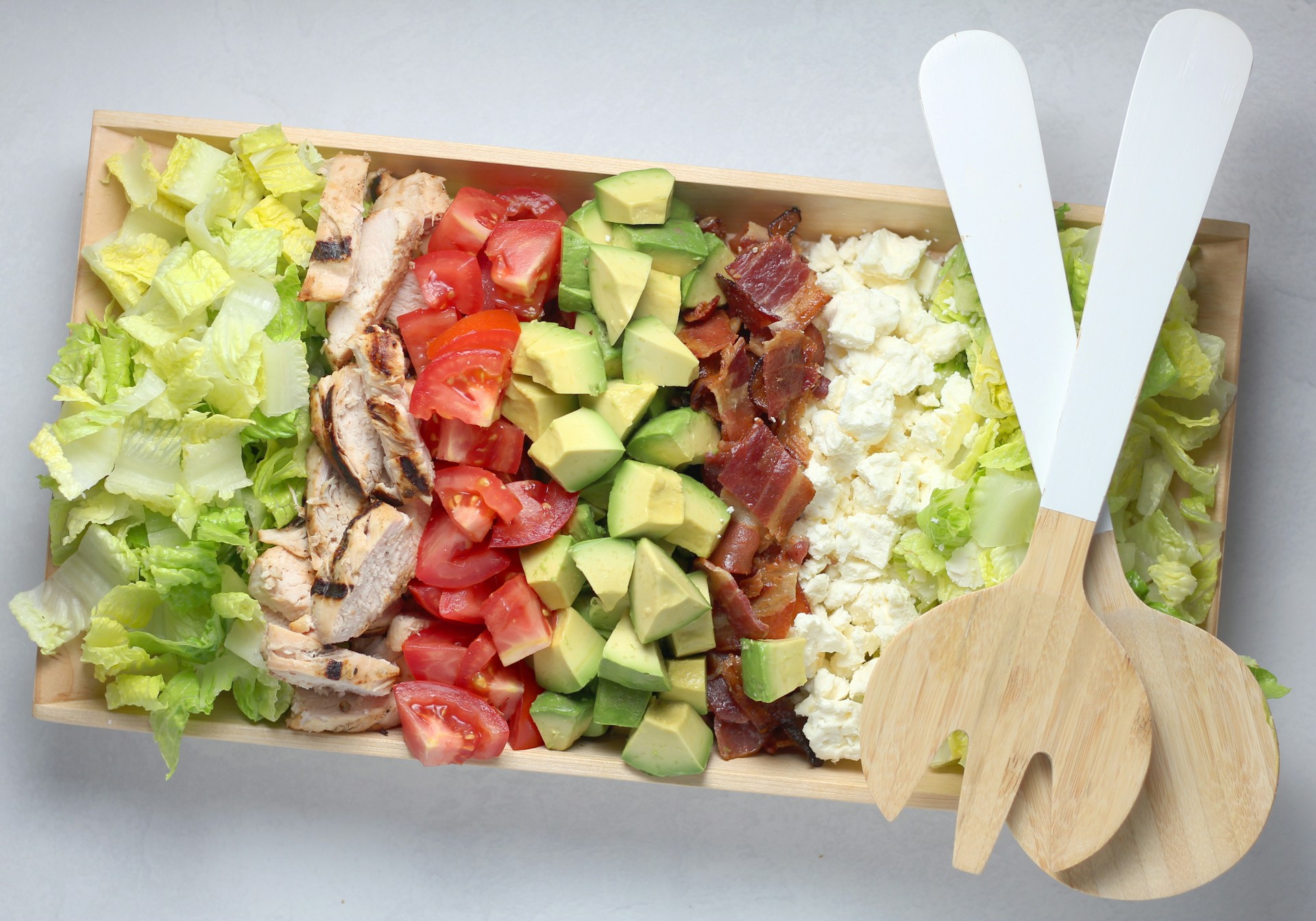
    By late June in Middle Georgia, the last thing anyone wants at six in the evening is a hot oven. Cooking heats the kitchen, the kitchen heats the house and the cook ends up sticky and tired before the meal is even on the table. One of the easiest ways to lighten a summer routine is to cook less, or not at all, on the hottest nights. Supper becomes a matter of assembly rather than effort.

    Build a supper from four parts

    Most satisfying no-cook meals combine a few simple building blocks:

    • Something hearty: good bread, tortillas, crackers or a grain salad made earlier in the week.
    • Something with protein: canned beans rinsed well, a store-bought rotisserie chicken, canned tuna or salmon, eggs boiled in the cool of the morning, cheese, hummus or nuts.
    • Plenty of produce: tomatoes, cucumbers, sweet peppers, fresh corn cut from the cob, peaches, melon, berries and leafy greens.
    • Something to tie it together: a simple vinaigrette, a squeeze of lemon, a spoonful of pesto or a handful of fresh herbs.

    Choose one from each group and you have dinner. Nobody has to stand over a stove.

    A few ideas to start

    A tomato and cucumber salad with herbs, olive oil, salt and torn bread that soaks up the juices makes a meal on its own. A bean salad with corn, peppers and lime keeps for days in the refrigerator. Wraps filled with chicken, greens and hummus come together in minutes. A summer supper board of cheese, crackers, fruit, nuts and sliced vegetables feels festive and asks nothing of the cook. Gazpacho, the chilled tomato soup of southern Spain, is made in a blender and served cold.

    Prep in the cool of the morning

    If some cooking is unavoidable, do it early, when the house is coolest. Boil eggs, cook a pot of rice or pasta for a salad or make a jar of dressing while the coffee brews. Wash and cut vegetables and keep them in containers in the refrigerator, ready to grab. On the weekend, a single batch of grain salad or a big bowl of beans can carry you through several weeknight suppers.

    Keep food safety in mind in hot weather. Refrigerate leftovers promptly, rinse produce before eating and do not leave perishable dishes sitting out on a warm evening longer than necessary.

    Make supper restful

    Once the cooking is out of the way, supper can become a pause instead of a chore. Eat outdoors when the evening cools, or by an open window as the light softens. Use real plates and a cloth napkin, even for a simple meal. Put phones away. Let the meal be slow, since there is no oven timer waiting.

    No-cook suppers are not about strict rules or perfect menus. They are about working with the season: eating what is ripe, keeping the house cool and giving the person who usually cooks a break. On a July evening in Georgia, that may be the most thoughtful recipe of all.

  • Cloud Watching as Mindfulness: Lying Back on a Late-Spring Afternoon

    Cloud Watching as Mindfulness: Lying Back on a Late-Spring Afternoon

    When did you last lie on your back in the grass and watch the clouds? For most of us the answer is somewhere in childhood. Yet cloud watching is one of the easiest mindfulness practices there is. It costs nothing, needs no instructions and works anywhere with a patch of sky. Late spring in Middle Georgia, with its tall white afternoon clouds, is an ideal time to start again.

    The man who named the clouds

    For most of history, clouds had no agreed names. That changed in 1802, when Luke Howard, a London pharmacist and devoted amateur weather watcher, gave a lecture proposing a simple system based on Latin words. Cumulus meant heap. Stratus meant layer. Cirrus meant a curl or wisp of hair. Nimbus referred to rain clouds. Howard’s essay was published the following year and caught on quickly. The German writer Goethe admired it enough to write poems in his honor, and the names meteorologists use around the world today still build on Howard’s original idea.

    It is a pleasing thought while you lie in the grass: the vocabulary of the sky was invented by someone who simply loved looking up.

    A few clouds to look for

    • Cumulus: the classic puffy, flat-bottomed fair-weather clouds that drift across warm afternoons. These are the best for finding shapes.
    • Cirrus: thin, feathery streaks very high in the sky, made of ice crystals.
    • Stratus: a gray, featureless sheet that can make a whole day feel hushed.
    • Cumulonimbus: the towering thunderheads that build on hot Georgia afternoons, sometimes flattening into an anvil shape at the top.

    That last one is your signal to fold up the blanket. The National Weather Service puts it simply: when thunder roars, go indoors. If you can hear thunder, lightning is close enough to be a danger.

    Turning it into a practice

    Find a shady spot with a view of open sky, such as the edge of a tree’s shadow, and spread a blanket. Wear sunglasses, and never look toward the sun itself. Lie back and let your eyes settle on one cloud. Watch its edges change. Notice how slowly or quickly it moves and how it thins or grows.

    When your mind wanders to the grocery list or tomorrow’s meeting, notice that, too, and bring your attention back to the sky. Many meditation teachers use clouds as a picture of thoughts themselves: they drift into view, change shape and pass on without needing to be chased or held. Ten or fifteen minutes is plenty.

    Seeing shapes

    The habit of seeing a dragon, a face or a rabbit in a cloud has a name: pareidolia, the mind’s tendency to find familiar patterns in random shapes. It is the same instinct that sees a face in the front of a car. With children, it turns cloud watching into a gentle game. Take turns pointing out shapes, then watch together as each one slowly melts into something else.

    Bring water, take breaks in the shade and head inside if the heat builds. Then let the sky do what it has always done, moving slowly overhead whether or not anyone is watching. It is a fine thing to be the one who is.

  • The Unhurried Picnic: How to Plan a Simple, Restful Meal Outdoors

    The Unhurried Picnic: How to Plan a Simple, Restful Meal Outdoors

    A picnic is one of the oldest ways of slowing down. You take a meal you could eat at the kitchen table, carry it somewhere with a view and a breeze, and suddenly the same sandwich feels like an occasion. Late May, before the full weight of a Georgia summer arrives, is one of the best times of the year to try it.

    The word comes from the French pique-nique, recorded in the late 1600s, and early picnics were often meals to which every guest contributed a share. That spirit still works. A picnic does not need to be elaborate. It needs to be easy enough that you actually go.

    Choose the spot and the hour

    Shade comes first. A big oak, a pavilion or the shadow of a building makes the difference between lingering and packing up after twenty minutes. Morning picnics and early-evening suppers are more comfortable than midday ones once the heat builds, and the light is lovelier at both ends of the day.

    If you are heading to a public park or garden, check its official website for hours and any rules about food, grills or glass containers before you go. A backyard picnic counts, too. Spreading a blanket under your own tree can feel like a small trip.

    Food that travels well

    • Sandwiches or wraps that hold together without getting soggy
    • Grain or pasta salads dressed with oil and vinegar rather than mayonnaise
    • Whole fruit and sturdy vegetables: grapes, peaches, cherry tomatoes, cucumber spears
    • Cheese, crackers and nuts for easy nibbling
    • Plenty of water, plus a jar of iced tea or lemonade

    Pack food in the order you will eat it, bring a damp cloth in a bag for sticky hands and include a bag for trash so you can leave the spot as you found it.

    Keeping food safe in warm weather

    Warm weather and food safety deserve a moment of attention. Federal food safety guidance recommends keeping cold foods at 40 degrees Fahrenheit or below and not leaving perishable food out for more than two hours, or more than one hour when the temperature is above 90 degrees. On a hot Georgia afternoon, that hour passes quickly.

    A cooler with ice packs is your friend. Many people use one cooler for drinks, which gets opened constantly, and another for perishable food, which stays closed and colder. Put leftovers back on ice promptly, and when in doubt, throw it out. You can find more guidance at foodsafety.gov.

    Making it restful

    The point of a picnic is not really the food. It is the permission to sit still somewhere pleasant. Leave the schedule at home. Put your phone in the bottom of the basket. Bring a book, a deck of cards or nothing at all. Lie back on the blanket after eating and watch the leaves move overhead. Let the conversation wander.

    Some of the best picnics are the simplest: two people, a loaf of bread, a few peaches and an hour with nowhere else to be. That is the whole recipe, and it is enough.

  • The Slow Sunday: A Weekly Ritual for Rest and Reset

    The Slow Sunday: A Weekly Ritual for Rest and Reset

    For many people, Sunday has a special rhythm. Traditionally, it has been a day of worship, family meals and rest across many communities. Today, it can easily fill up with errands, chores and the low hum of worry about the week ahead. A slow Sunday is an intentional choice to protect at least part of the day for rest and simple pleasures.

    You do not need a full day to make it meaningful. Even a slow Sunday morning or afternoon can make a difference.

    Begin Without Rushing

    If you can, let yourself wake up without an alarm. Make a simple breakfast and enjoy it at the table. Linger over coffee or tea. Many people enjoy reading, journaling or simply sitting by a window in the early part of the day.

    For those who attend church or another faith gathering, that time can be a natural centerpiece of a slow Sunday, followed by a relaxed meal with family or friends.

    Keep Plans Light

    The heart of a slow Sunday is having little on the calendar. A few gentle ideas:

    • A walk in a park or around the neighborhood
    • A long phone call with a family member
    • Cooking a favorite meal slowly
    • Reading for pleasure
    • Working on a hobby, such as gardening, knitting or painting
    • An afternoon nap without guilt

    Choose activities that feel restful rather than productive. The goal is enjoyment, not accomplishment.

    Limit Screens and Errands

    Consider setting some boundaries for the day. You might keep your phone in another room for a few hours, skip checking work email or save errands for another day. If chores must be done, try doing them early or slowly, with music playing, so they feel less like a burden.

    Gather With People You Enjoy

    Sunday dinner is a cherished tradition in many Southern families. Sharing a meal, whether it is an elaborate supper or a simple pot of soup, can be one of the most restful parts of the week. Invite family, friends or neighbors, keep things casual and let the conversation linger.

    Prepare Gently for the Week

    Many people feel a familiar sense of dread on Sunday evenings. A little gentle preparation can help ease the transition into Monday without taking over the day:

    • Glance at your calendar for the week ahead.
    • Set out clothes for Monday morning.
    • Prepare a simple lunch or breakfast.
    • Write down anything on your mind so you can set it aside.

    Keep this short, perhaps fifteen or twenty minutes, and then return to rest.

    End the Day Calmly

    Close your slow Sunday with something soothing: a warm bath, a cup of herbal tea, a few pages of a book or a short gratitude practice. Try to go to bed at your usual time so Monday morning feels manageable.

    A slow Sunday is not about doing nothing. It is about doing less, and doing it with attention. Over time, this weekly ritual can become something you look forward to, a steady rhythm of rest woven into the busy fabric of life.