
Tag: Southern traditions

  • Seersucker, Linen and Cotton: Dressing Comfortably for a Humid Southern Summer

    Seersucker, Linen and Cotton: Dressing Comfortably for a Humid Southern Summer

    In a Georgia summer, what you wear can make the difference between a pleasant afternoon and a miserable one. Some fabrics breathe, absorb and dry. Others trap heat and cling. Generations of Southerners, long before air conditioning, learned which materials made the heat easier to bear, and three of them still stand out: seersucker, linen and cotton.

    Seersucker: milk and sugar

    The name seersucker comes from the Persian phrase shir o shakar, meaning milk and sugar, a reference to its alternating stripes of smooth and puckered texture. The fabric is woven so that some threads bunch together, creating that crinkled surface. Those puckers help hold the cloth away from the skin, letting air circulate, and they mean seersucker rarely needs ironing.

    The fabric reached Britain through trade with India and later crossed to the United States, where it was first a practical, inexpensive cloth for workwear. In the early twentieth century, a New Orleans clothier is often credited with turning it into a lightweight summer suit, and seersucker became a Southern warm-weather classic, especially in pale blue and white.

    Linen: one of the oldest fabrics

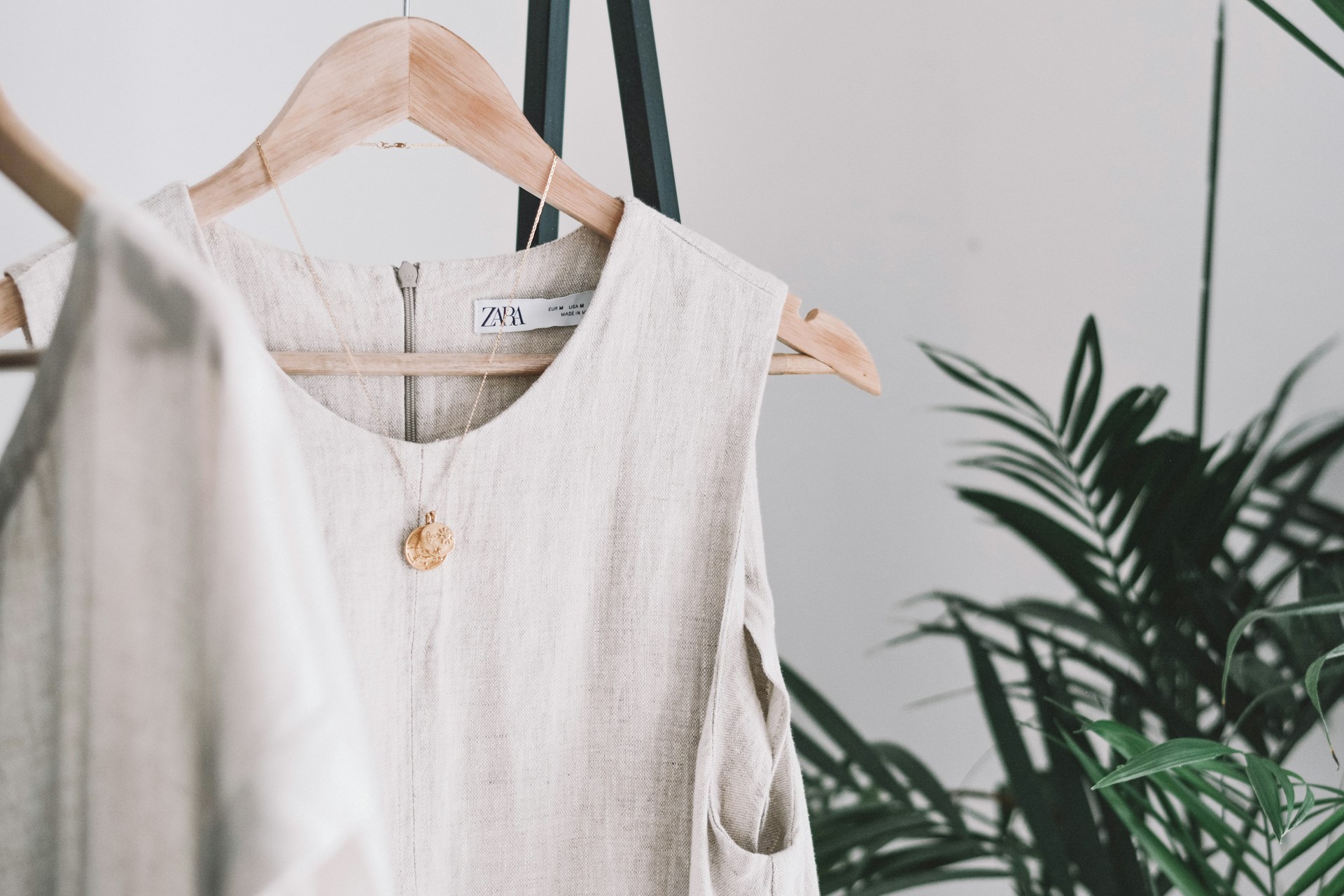
    Linen is made from the fibers of the flax plant and is among the oldest textiles known. The ancient Egyptians wove fine linen and used it for clothing and for wrapping the dead. Linen is prized in hot climates because it is highly breathable, absorbs moisture readily and dries quickly. It feels cool to the touch, and it softens beautifully with every wash.

    Its one drawback is wrinkling, which many linen lovers simply embrace as part of its relaxed, lived-in character. In a humid Southern July, a slightly rumpled linen shirt is a sign of good sense, not carelessness.

    Cotton: the everyday workhorse

    Cotton is soft, breathable and absorbent, which is why it remains the backbone of most summer wardrobes. Lightweight weaves such as voile, lawn and chambray are especially comfortable in heat, as is madras, a light cotton named for the Indian city once called Madras, now Chennai. The one thing to know is that cotton holds on to moisture once it is soaked, so a heavy cotton shirt can stay damp after a sweaty afternoon.

    Modern synthetic performance fabrics are designed to pull moisture away from the skin, and many people find them useful for exercise. For everyday wear, though, plenty of people still prefer the feel of natural fibers.

    Simple tips for staying comfortable

    • Choose loose fits over tight ones. Air moving between fabric and skin does much of the cooling.
    • Light colors reflect more sunlight and tend to feel cooler in direct sun.
    • Pick lightweight fabrics for everyday wear; for long hours in the sun, a tighter weave or sun-protective clothing covers you better.
    • Change out of damp clothes after yard work or exercise rather than letting them dry on you.
    • Carry a light layer for chilly offices, restaurants and stores.

    Dressing for the heat is a small act of self-care that pays off every hour of a summer day. The old Southern wardrobe of seersucker, linen and cotton was never only about style. It was about comfort, and that wisdom still holds.
  • The Hand Fan: A Short History of Keeping Cool in Style

    The Hand Fan: A Short History of Keeping Cool in Style

    Long before ceiling fans and central air, people kept cool with a flick of the wrist. The hand fan is one of humanity’s oldest comforts, and its history stretches from royal courts to small-town church pews. Even today, on a hot afternoon at an outdoor wedding or a ballgame in July, there is something pleasing about the slow, rhythmic sweep of a fan.

    Fans of the ancient world

    In ancient Egypt, large fans made of feathers on long handles were held by attendants to cool royalty and to mark their status. Fans were found among the treasures in the tomb of Tutankhamun, including one with a gold handle that once held ostrich feathers. Ancient China had rigid fans of silk, bamboo and feathers, and the round silk fan became a classic object of art, often painted with landscapes, flowers or poetry.

    The folding fan and its travels

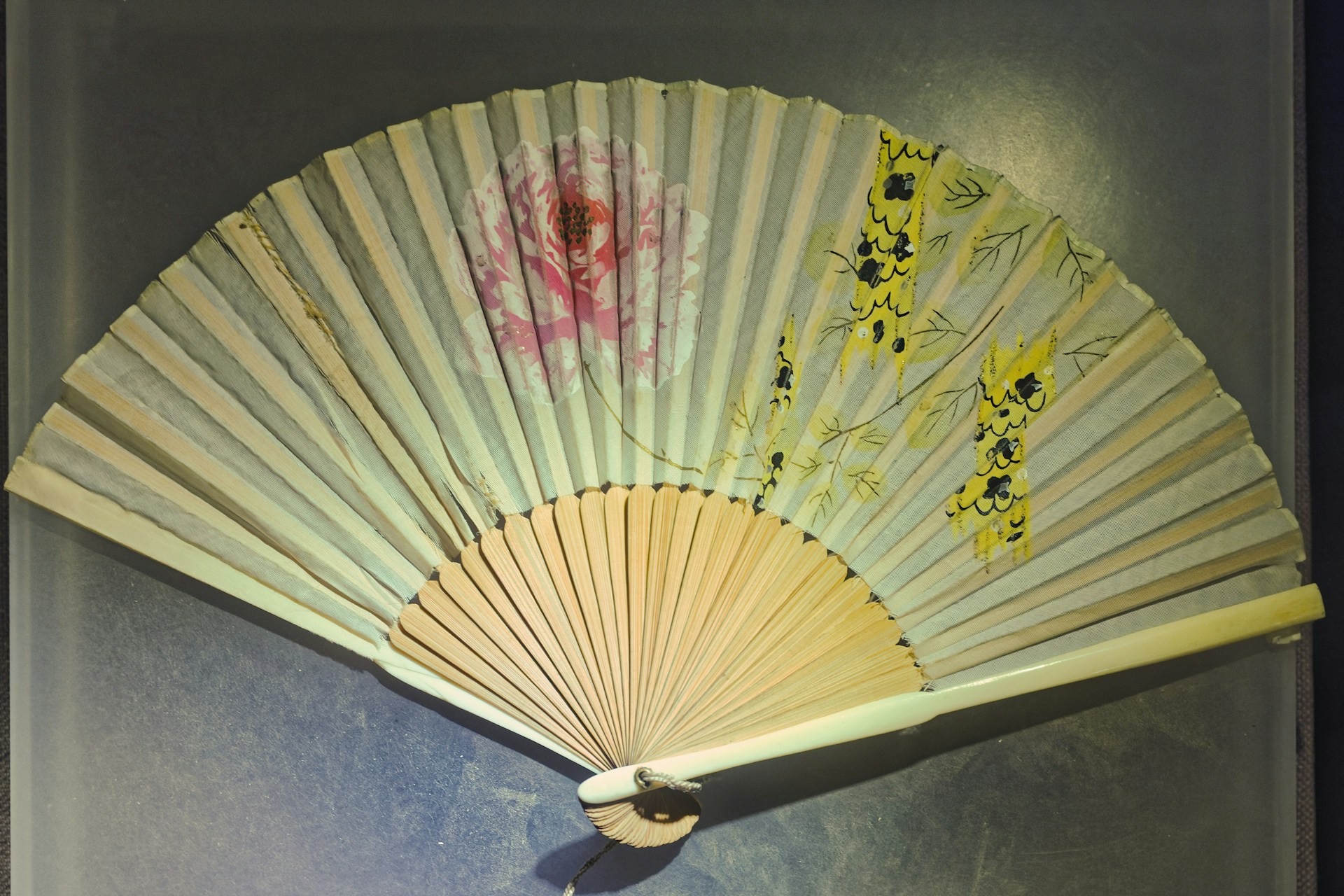
    The folding fan, which opens like a wing and closes into a slim baton, is generally thought to have developed in Japan, where early versions were made of thin strips of wood. It spread to China and later, through trade, to Europe. By the seventeenth and eighteenth centuries, fans had become essential fashion accessories in European society, made from painted paper, silk, lace, ivory and mother-of-pearl.

    Victorian booklets claimed to decode a secret language of the fan, in which the way a fan was held or moved sent messages across a crowded room. How often anyone actually used such signals is doubtful, but the idea captures the fan’s place in social life as much more than a cooling device.

    The church fan of the South

    In the American South, the most familiar fan is far humbler: a piece of printed cardboard stapled to a flat wooden stick. Before air conditioning, these fans were a fixture in church pews, often printed with a religious image on one side and an advertisement for a local funeral home or business on the other. On a Sunday morning in August, a whole congregation might be fanning in slow waves during the sermon. Many people still keep one tucked in a drawer, as much for memory as for cooling.

    Scented fans have their own tradition. Fans made from thin slats of sandalwood, common in parts of Asia, release a soft, woody fragrance with every stroke, combining cool air and scent in a single gesture.

    The quiet pleasure of fanning

    A hand fan does not lower the air temperature, but the breeze it creates helps sweat evaporate from your skin, which is why it feels cooler. There is more to it than physics, though. The steady back-and-forth has a calming rhythm, a little like rocking in a porch chair. It slows you down.

    • Keep a folding fan in your bag for outdoor events, hot waiting rooms and summer services.
    • Try fanning slowly in time with your breath: one sweep as you breathe in, another as you breathe out.
    • With children, fold a sheet of paper back and forth into an accordion, pinch one end and decorate it together.
    • Look for fans made from natural materials, such as paper, bamboo or wood, that will last for years.

    In an age of thermostats, the hand fan may seem old-fashioned. But on a sticky Georgia afternoon, it remains one of the most graceful ways to make the heat a little more bearable, one gentle stroke at a time.