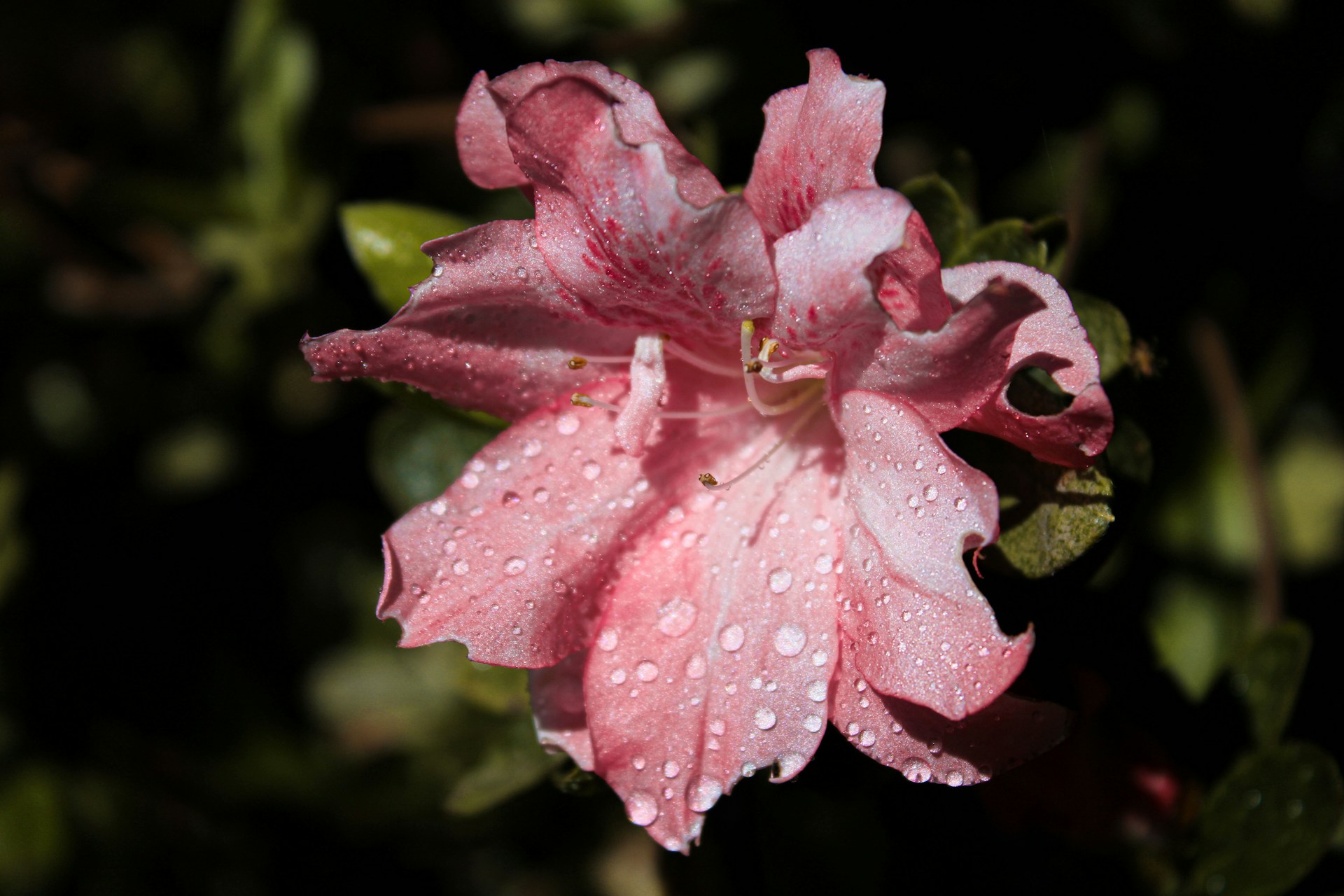
Late May in Georgia belongs to the Southern magnolia. Its blossoms are enormous, sometimes wider than a dinner plate, creamy white against dark glossy leaves, and they carry a lemony sweetness that hangs in the warm air. They are also fleeting. A single flower lasts only a few days, which makes the season an invitation to pay attention.
An ancient flower
Magnolias are among the oldest lineages of flowering plants still living. Their basic form appeared long before bees existed, and they are pollinated mainly by beetles, which is why the petals (botanists call them tepals) are thick and leathery enough to withstand a clumsy visitor. The center of the flower, with its cone-like cluster, looks ancient because it is.
The genus is named after Pierre Magnol, a French botanist of the 1600s. The Southern magnolia, Magnolia grandiflora, is native to the southeastern United States and has become a symbol of the region, appearing on state flags and seals and in the front yards of countless old homes.
A short practice for one tree
Find a magnolia you can reach, in a park, a neighbor’s yard or your own. Then give it five unhurried minutes.
- Look first at the whole tree: the shape, the way the leaves catch light on one side and show rusty brown fuzz on the other
- Choose one open flower and study it closely, noticing how the tepals curve and where the color shades from white to cream
- Lean in and breathe. Magnolia scent is clean and citrusy, nothing like gardenia’s heaviness
- Notice the sounds around you: bees in nearby plants, wind in the stiff leaves, traffic in the distance
- Find a bud that has not opened and a flower that is browning. Let yourself see the whole cycle in one tree
This is a simple form of mindfulness, a way of resting attention on one real thing. People often come away from it feeling calmer, though the point is the looking, not any result.
Bringing a bloom inside
A magnolia blossom in a wide, low bowl is a classic Southern centerpiece. Cut the flower with a short stem early in the morning, float it in water and expect a day or two of beauty. The tepals bruise where they are touched, so handle them as little as possible. The large leaves, by contrast, last for weeks and look handsome in a vase on their own.
Living with a magnolia
Anyone who has raked under a Southern magnolia knows the tree sheds all year: leaves, tepals, seed cones with their bright red seeds in the fall. It is a messy neighbor and a generous one, giving deep shade in summer and shelter to birds. If you are thinking of planting one, give it room; mature trees are large.
The bloom season moves fast. Blink and the white flowers are brown. That is exactly why it is worth stopping, this week, for one tree and one flower, before the Georgia heat closes in and the season moves on.