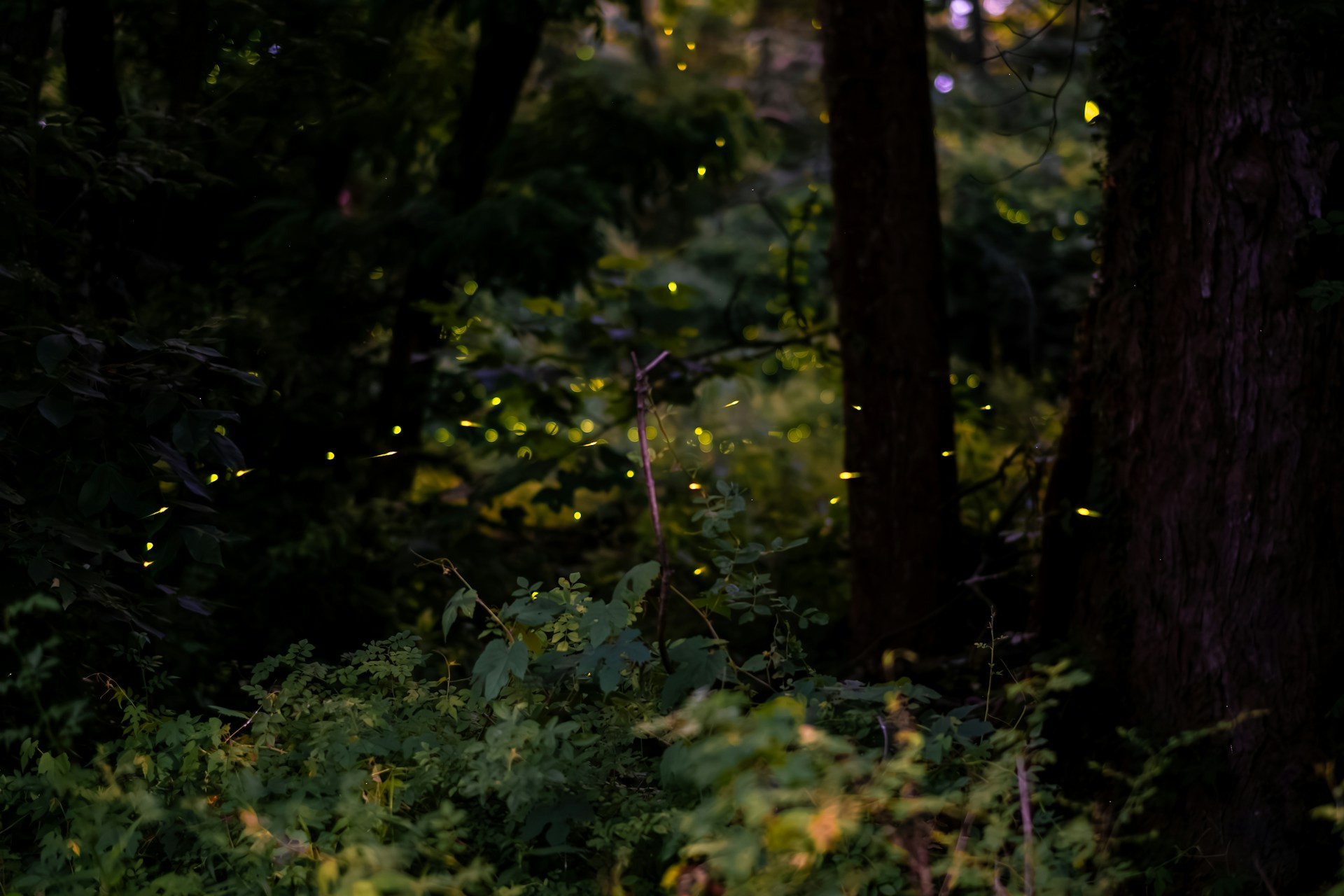
There is a stretch of time after the sun slips below the horizon when the world seems to pause. The bright colors of sunset soften, the sky deepens into blue and the trees turn into dark silhouettes. Photographers call it the blue hour. For anyone looking for a gentle way to end a summer day, it is an invitation to stop and watch.
The three stages of twilight
Twilight is the time between day and night when the sun is below the horizon but its light still brightens the sky. Astronomers divide it into three stages, based on how far the sun has dropped.
- Civil twilight begins at sunset and lasts until the sun is about six degrees below the horizon. There is usually enough light for most outdoor activities, and the brightest planets and stars begin to appear.
- Nautical twilight continues until the sun is twelve degrees below the horizon. The sky darkens, but the horizon can still be seen, which made this stage useful for sailors navigating by the stars.
- Astronomical twilight lasts until the sun is eighteen degrees below the horizon. After that, the sky is as dark as it will get, and the faintest stars become visible.
The blue hour is not an official term, but it usually refers to the deep blue sky of civil and early nautical twilight. In Middle Georgia during summer, civil twilight lasts roughly half an hour, so the most vivid blues come and go fairly quickly.
Look east, too
Most of us watch the western sky after sunset, but the eastern sky offers its own show. On clear evenings, look opposite the sunset for a soft pink band just above the horizon, sometimes called the Belt of Venus. Below it, a darker blue-gray band slowly rises: the shadow of the Earth itself, cast onto the atmosphere. Watching that shadow climb as the pink fades is a quiet reminder that the planet is turning beneath you.
A ritual for dusk
Watching twilight is one of the simplest evening practices there is. It needs no equipment and only about thirty minutes of your time.
- Check the time of sunset in a weather app and plan to be outside about ten minutes before.
- Choose a spot with a wide view of the sky, such as a porch, a field, a park or a lakeshore.
- Put your phone away, or take one photograph and then set it aside.
- Watch the colors shift from gold to pink to deep blue, and look for the first star or planet to appear.
- Notice the sounds changing as the day birds go quiet and the evening insects begin.
- When the blue has faded to dark, take a slow breath and head inside.
Why dusk feels restful
For most of human history, the fading of daylight marked the end of the working day. Even now, with electric lights and screens, there is something in the slow dimming of the sky that seems to invite us to slow down too. Taking a few minutes to witness the shift from day to night can make the day feel truly finished.
In July, when days are long and the heat lingers, twilight brings the first hint of cooler air and a natural pause between a busy day and a restful night. Make it a habit a few evenings a week and you may find yourself looking forward to it as one of the quietest, loveliest moments of summer.