
Tag: summer safety

  • Fans, Parked Cars and the Hottest Hour: Summer Cooling Myths and Facts

    Fans, Parked Cars and the Hottest Hour: Summer Cooling Myths and Facts

    Southerners have been finding ways to beat the heat for a very long time, and a good deal of folk wisdom has gathered along the way. Some of it is sound. Some of it is not. Here are six common summer beliefs, gently checked against what is actually known.

    At home

    Myth: A fan cools the room. Fans do not lower the temperature of the air. They create a breeze that helps sweat evaporate from your skin, which makes you feel cooler. That means a fan running in an empty room is cooling no one. The U.S. Department of Energy suggests turning fans off when you leave a room.

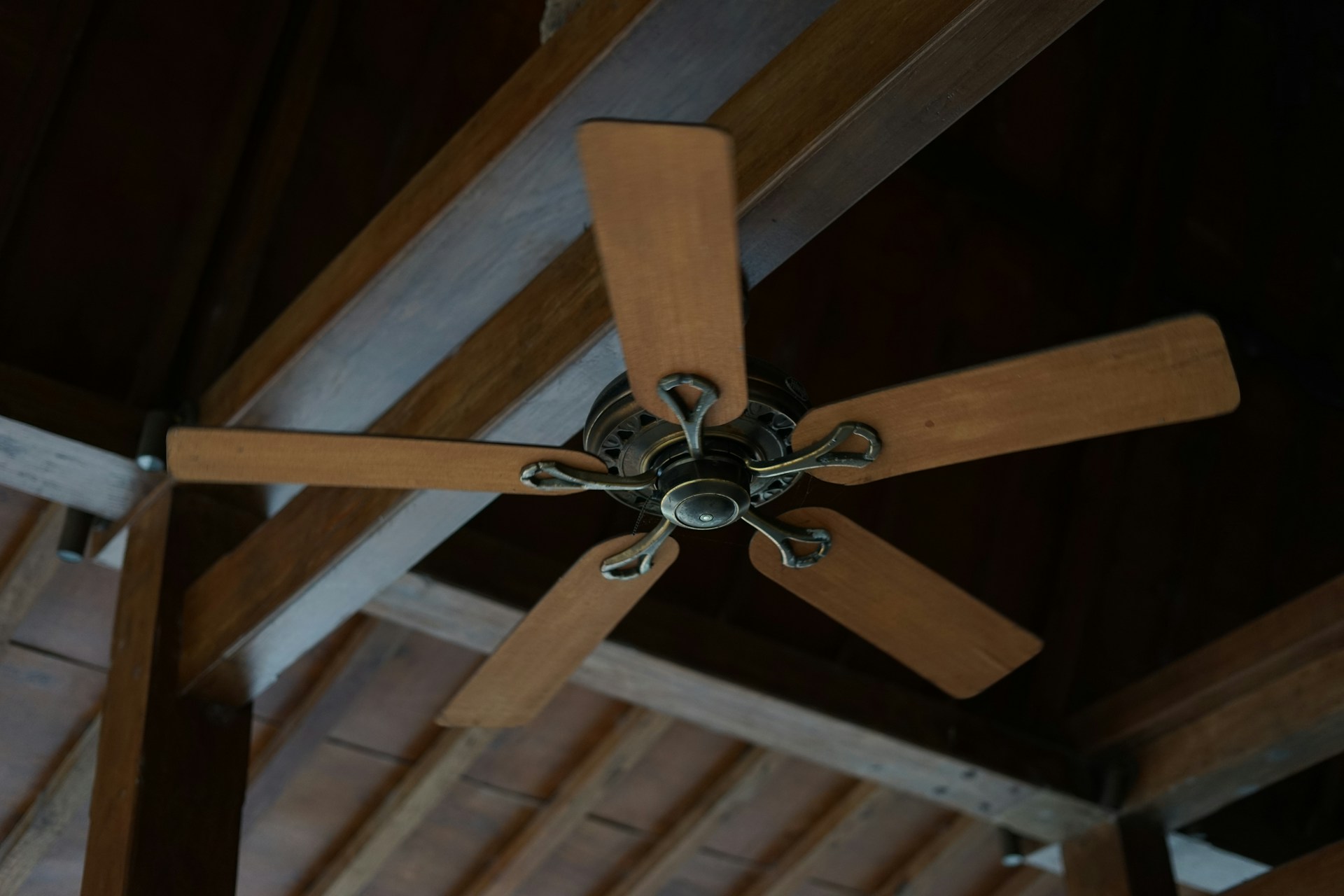
    Myth: Ceiling fan direction does not matter. It does. In summer, a ceiling fan should spin counterclockwise when you look up at it, pushing air down toward you for a cooling breeze. Most fans have a small switch on the motor housing to change direction, and many people reverse it for winter.

    Myth: Setting the thermostat very low cools the house faster. Most home air conditioners cool at the same rate no matter how low you set them. A much lower setting simply makes the system run longer and use more energy, and the house may end up colder than you wanted. Choose the temperature you actually want and give the system time to reach it.

    On the road

    Myth: Cracking the windows keeps a parked car safe. A closed car heats up very quickly in the sun, even on a day that feels only warm, and cracking the windows does little to slow it. Never leave a child, an older adult or a pet in a parked car, not even for a quick errand. It is also wise to check the back seat every time you leave the car, and to keep cars locked so children cannot climb in on their own.

    Outdoors

    Myth: Noon is the hottest part of the day. It depends on what you mean by hot. The sun’s ultraviolet light is strongest around the middle of the day, when the sun is highest. Air temperature, though, usually keeps climbing into mid to late afternoon, because the ground and pavement go on absorbing heat for hours. For outdoor plans in summer, the most comfortable hours are early morning and evening.

    Myth: If it is not raining, lightning is not a danger. Lightning can strike miles away from the rain. The National Weather Service advises that if you can hear thunder, you are close enough to be struck, and recommends going indoors and waiting until thirty minutes after the last thunder before heading back out. On summer afternoons in Georgia, when storms build quickly, that is worth remembering at the pool, the ballfield and the lake.

    The common thread

    Most of these myths grow from good instincts: wanting to cool off quickly, trusting the breeze, making a quick stop. The facts simply refine them. Use fans for people, not rooms. Let the thermostat do its work. Think of a parked car as dangerous, always. Plan around both the midday sun and the afternoon heat, and respect the thunder. A Georgia summer is easier to enjoy when the habits we lean on are ones that truly work.
  • The Heat Index Explained: Why a Humid Afternoon Feels Hotter Than the Thermometer Says

    The Heat Index Explained: Why a Humid Afternoon Feels Hotter Than the Thermometer Says

    Anyone who has spent a summer in Middle Georgia knows that ninety degrees is not always just ninety degrees. Some afternoons are bearable in the shade. Others feel like walking into a warm, wet towel. The difference is humidity, and the number that captures it is the heat index.

    What the heat index measures

    The heat index, sometimes called the apparent temperature, combines air temperature and relative humidity into a single number meant to describe how hot it actually feels to the human body. The National Weather Service uses it in forecasts and alerts, building on research published in the late 1970s. On a humid summer day, the heat index can run well above the thermometer. A ninety-degree afternoon with fairly high humidity, for example, can feel like a hundred or more.

    Why humidity makes heat feel worse

    Our bodies cool themselves largely by sweating. As sweat evaporates from the skin, it carries heat away. In dry air, evaporation happens quickly and cooling works well. In humid air, which already holds a great deal of moisture, sweat evaporates slowly. It sits on the skin, we feel sticky and our natural cooling system becomes much less effective. That is why a humid Georgia afternoon can feel more draining than a hotter day in a desert.

    One detail is easy to miss: heat index values are calculated for shady conditions with a light breeze. According to the National Weather Service, standing in full sunshine can raise the heat index by as much as fifteen degrees. The number on your app is the shady version.

    Planning a summer day around it

    • Check the heat index along with the temperature when you look at the forecast.
    • Schedule yard work, exercise and errands for early morning or evening, when the heat index is lower.
    • Take frequent breaks in the shade or indoors, and drink water steadily throughout the day.
    • Wear loose, light-colored, breathable clothing and a wide-brimmed hat.
    • Check on older neighbors and relatives during hot spells, especially those who live alone or without reliable air conditioning.
    • Never leave children, older adults or pets in a parked car, even for a minute.

    Some coaches, outdoor workers and event planners also use a measurement called the wet bulb globe temperature, which adds factors such as sun angle, wind and cloud cover. If your child plays a summer sport, you may hear it mentioned.

    Know when heat becomes dangerous

    When heat and humidity reach dangerous levels, the National Weather Service issues heat advisories and warnings, and you can find current alerts for your area at weather.gov. Heat-related illness is serious. The CDC publishes its warning signs at cdc.gov, and they are worth reading before the hottest weeks arrive. If someone becomes confused, faints or seems seriously unwell in the heat, call 911.

    Respecting the heat index is not about fear. It is about working with a Southern summer rather than against it, the way generations before air conditioning did: slow afternoons, early mornings and a long glass of water in the shade.