
Tag: summer travel

  • Why the First Days of Vacation Feel Restless, and How to Settle In Sooner

    You finally arrive. The bags are in the room, the view is lovely and the week ahead is wide open. And yet, for the first day or two, something feels off. You reach for your phone without meaning to, your mind replays a conversation from work and you feel oddly restless or even tired. Many people notice that it takes a few days of vacation before they truly begin to relax.

    This is a very common experience, and understanding it can help you settle in sooner instead of worrying that the vacation is not working.

    Why winding down takes time

    Our daily lives run on routines and momentum. For months, your mind has been scanning for the next task, the next email and the next obligation. That habit does not switch off just because the location changes. Psychologists have long observed that unfinished tasks tend to linger in the mind more than completed ones, so open loops at work or at home can keep tugging at your attention.

    Travel itself adds to the strain. Early alarms, long drives or flights, unfamiliar beds and the logistics of getting everyone settled all take energy. It is natural to feel a dip before you feel restored.

    Mark the shift with an arrival ritual

    A small ritual can tell your mind and body that the ordinary routine is over. Choose something simple and do it soon after you arrive:

    • Unpack fully, so you are not living out of a suitcase.
    • Change into vacation clothes and put work clothes out of sight.
    • Take a slow walk to get your bearings, or wade into the water.
    • Sit outside with a cool drink and take ten slow breaths while you notice what is new: the sounds, the light, the smell of the air.

    Doing the same ritual on every trip can make it even more meaningful over time, like a doorway you step through.

    Meet the urge to check in

    If you find yourself reaching for your phone every few minutes, be gentle with yourself. It is a habit, not a failure. Instead of fighting the urge, notice it and redirect it. Move work apps off your home screen for the week, or leave the phone charging in the room during meals and outings. If you have agreed to a short check-in at a set time, keep it to that window and then put the phone away.

    Let the first day be light

    It is tempting to fill the first day with the trip’s biggest plans, but the first day is often when energy is lowest. Keep it simple: a nap, a swim, an easy dinner nearby and an early night. You may find that by the second or third morning, you wake up already feeling lighter.

    Allow some boredom

    Many of us are so used to being busy that a quiet afternoon can feel uncomfortable at first. Let it. Boredom is often the threshold to real rest. Sitting on a porch with nothing to do, watching the waves or listening to the wind in the trees may feel strange for twenty minutes and then, slowly, become the very thing you came for.

    A vacation does not have to be perfectly relaxing from the first hour to be worthwhile. Give yourself time to arrive, and rest will usually find you.
  • Beach Days on the Georgia Coast: Sun, Salt Water and Sharing the Sand

    Beach Days on the Georgia Coast: Sun, Salt Water and Sharing the Sand

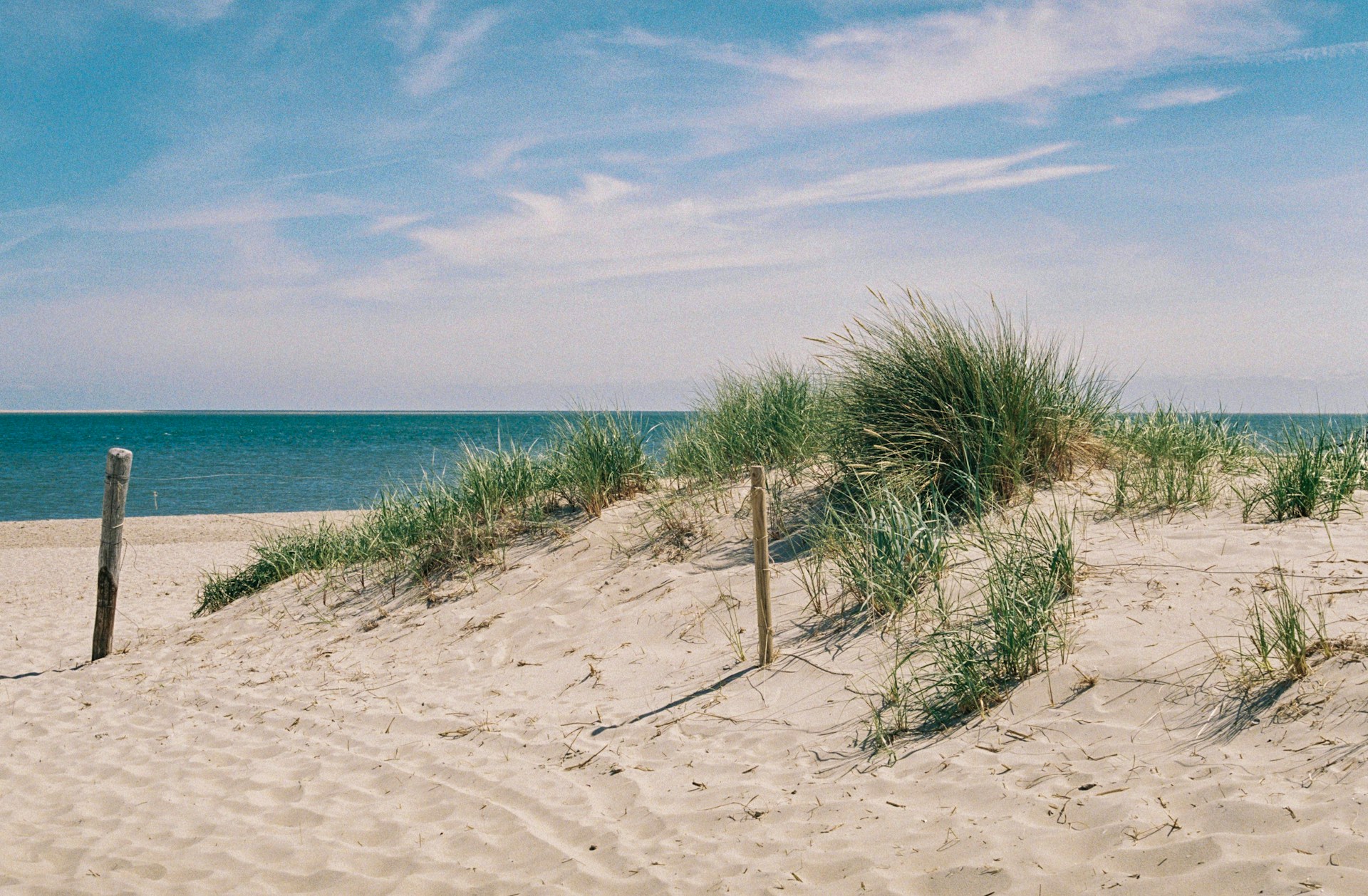
    For many families in Middle Georgia, summer means at least one trip to the coast. Georgia’s shoreline is short, roughly a hundred miles as the crow flies, but it is lined with barrier islands, salt marshes and wide, gently sloping beaches: Tybee Island near Savannah, the Golden Isles around Brunswick and the wild beaches of Cumberland Island National Seashore. A day there can be deeply restful with a little preparation.

    Sun care at the shore

    The beach asks more of your sun care than almost anywhere else. Sand and water reflect sunlight back toward you, and the ocean breeze can hide how strong the sun really is.

    • Apply a broad-spectrum, water-resistant sunscreen before you leave the car, and reapply as the label directs, including after swimming and toweling off.
    • Bring your own shade. A beach umbrella or a small tent makes long days far more comfortable.
    • Wear a wide-brimmed hat and sunglasses when you are out of the water.
    • Plan your longest stretch on the sand for the morning or late afternoon.
    • Pack more water than you think you need, and keep it in a cooler.

    Salt, sand and skin

    Salt water and wind can leave skin feeling tight and hair feeling stiff. Rinse off with fresh water as soon as you can after swimming, then apply a light moisturizer once you are dry. A sprinkle of cornstarch on sandy skin helps the sand brush off easily before you get back in the car. If you use citrus-scented body oils or perfumes, leave them at home for a beach day, since some citrus oils can make skin more sensitive to sunlight.

    Ocean safety

    Swim near a lifeguard when one is on duty, and pay attention to warning flags and posted signs. The National Weather Service publishes surf forecasts that include rip current risk at weather.gov. If you are ever caught in a rip current, do not fight it by swimming straight back to shore. Stay calm, float or swim parallel to the beach until you are out of the current, then wave and call for help if you need it. Keep children within arm’s reach in the water at all times.

    Sharing the sand with sea turtles

    From late spring through summer, loggerhead sea turtles come ashore at night to nest on Georgia’s beaches, and hatchlings keep emerging into early fall. Hatchlings find the ocean by heading toward the brightest horizon, which on a natural beach is the open water. Artificial light can lead them the wrong way. Loggerheads are a protected species, and a few simple habits help:

    • Fill in holes and knock down sandcastles before you leave, since they can trap hatchlings.
    • Take chairs, umbrellas and toys off the beach at the end of the day.
    • Keep flashlights and phone lights off the beach at night.
    • Give marked nests and any turtles you see plenty of room, and never touch them.

    Then settle in. Walk the tide line, collect a few shells, listen to the waves and let the long horizon do its work. Georgia’s tides are notably large, so the beach at low tide can look completely different from the beach at high tide. Watching it change is one of the quiet pleasures of a day by the sea.