
Tag: sun care

  • The Spots Sunscreen Often Misses: A Head-to-Toe Summer Checklist

    Most of us apply sunscreen the same way every time: a quick pass over the face, the arms and maybe the legs, then out the door. The trouble is that a few spots get skipped again and again, and by the end of a long July day they are often the ones that feel tight, warm and pink. Here is a head-to-toe checklist of the places people commonly miss, with a few simple fixes.

    Head and face

    • The tops and backs of the ears. Ears stick out into the sun and are easy to forget. A sunscreen stick makes them simple to cover.
    • The hairline and the part in your hair. A wide-brimmed hat is the easiest answer. Some sunscreens are made for the scalp, including powders and light sprays.
    • Around the eyes. Many people avoid this area because sunscreen can sting. A stick or a formula labeled for the eye area can help, and sunglasses do the rest.
    • The lips. Look for a lip balm with SPF and reapply it after eating and drinking.
    • Under the jaw and the sides of the nose. These areas tend to get a quick swipe rather than a full coat.

    Neck, chest and arms

    • The back of the neck. It is fully exposed when you garden, read on the porch or walk with your head bent toward a phone. Collared shirts and hats with a back brim help.
    • The chest and neckline. Open collars, sundresses and swimsuits leave this area out in the sun for hours.
    • The backs of the hands. Hands are washed often, which removes sunscreen. Reapply after washing, especially when you are driving or gardening.
    • The shoulders and upper back. These are hard to reach on your own. Ask for help, or choose a shirt or swim top that covers them.

    Legs and feet

    • The backs of the knees and legs. Easy to skip and easy to burn, especially when lying face down at the pool or the beach.
    • The tops of the feet. Sandal season means bare feet in the sun all day. Apply sunscreen to the tops of the feet and the ankles, and reapply after swimming or walking through wet grass.

    Habits that make it easier

    Coverage is less about the perfect product and more about routine. Apply sunscreen before you dress, so the edges of your clothes are covered too. Use a generous amount, following the directions on the label, and reapply as the label advises, especially after swimming, sweating or toweling off. Check expiration dates and replace bottles that are old or have spent the summer baking in a hot car.

    Shade, hats, sunglasses and lightweight long sleeves all help, and on the brightest days they do much of the work. Planning outdoor time for the early morning or evening keeps you out of the strongest midday sun.

    A note on sunglasses and skin checks

    When choosing sunglasses, look for a label that says they block 100 percent of UVA and UVB rays, sometimes listed as UV400. Darker lenses alone do not guarantee protection.

    Summer is also a natural time to notice your skin. If you see a spot that is new, changing, itching or bleeding, or anything that simply worries you, talk to your doctor or a dermatologist. Sun care is one of the simplest forms of self-care, and a few extra seconds on the ears, lips and feet make it complete.
  • Beyond Sunscreen: Hats, Shade and Timing for Spring Days Outdoors

    Beyond Sunscreen: Hats, Shade and Timing for Spring Days Outdoors

    Sunscreen gets most of the attention in conversations about sun, and it deserves it. But sun care is more than a bottle. Shade, clothing, timing and a good hat have protected people for far longer than any lotion, and they work alongside sunscreen rather than instead of it. As spring pulls everyone outdoors in Georgia, here is a look at the habits beyond the bottle. This is general information; for personal guidance, especially if you have a history of skin concerns or take medications that affect sun sensitivity, talk with your doctor or dermatologist.

    Spring Sun Is Stronger Than It Feels

    Because the air is still mild in April, it is easy to underestimate the sun. The strength of ultraviolet light depends on the sun’s angle, not the temperature, and by late spring the angle is high. A cool, breezy afternoon in the garden can leave the back of your neck pink. Cloud cover reduces UV but does not block it, and light bounces off water, sand and pale pavement.

    Timing

    UV exposure is generally strongest in the middle of the day, roughly from late morning through midafternoon. If you have a choice about when to garden, walk or run, early morning and evening are gentler on skin and more pleasant in the Georgia heat anyway. A simple rule of thumb that many sun safety organizations share: when your shadow is shorter than you are, the sun is strong enough to warrant care.

    Shade

    Shade is the oldest sun protection there is. Trees, porches, umbrellas and awnings all reduce exposure, though none of them block it entirely because light scatters from the surroundings. A few habits:

    • Plan the shadiest route for a walk, which in Macon’s older neighborhoods usually means the streets with big oaks.
    • Set up outdoor seating under a tree or umbrella rather than in open sun.
    • Take breaks in the shade during long stretches of yard work.
    • Carry a compact umbrella on bright days. It is a common sight in many parts of the world and a sensible one.

    Hats and Clothing

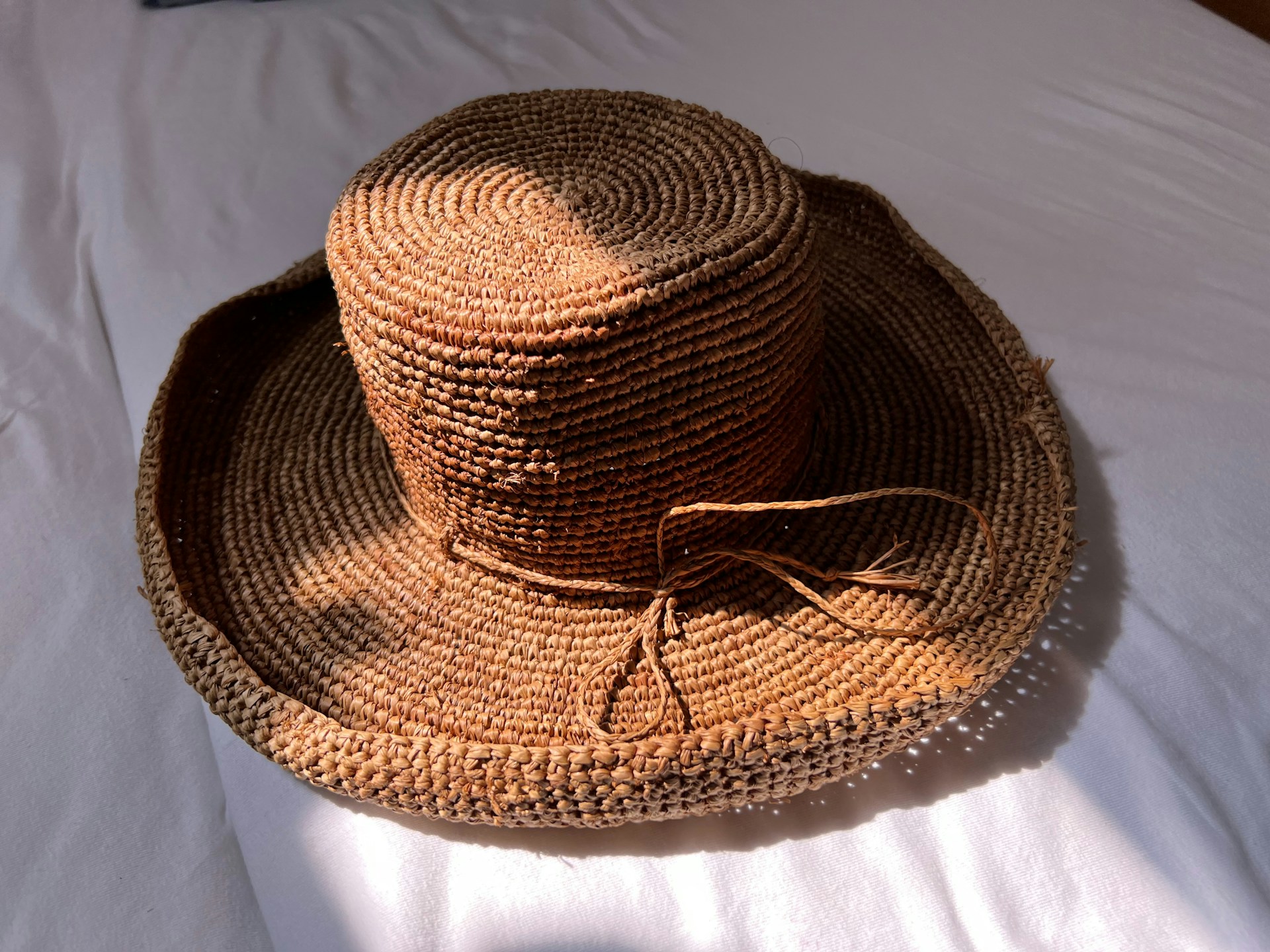
    A wide-brimmed hat protects the face, ears and neck better than a baseball cap, which leaves the ears and the back of the neck exposed. Look for a brim of three inches or more and a tightly woven fabric. For clothing, long sleeves and long pants in lightweight, breathable fabrics are surprisingly comfortable in spring heat and spare you a layer of sunscreen. Darker colors and denser weaves block more light than thin, pale fabrics. Some clothing is labeled with an ultraviolet protection factor, or UPF, which works like SPF for fabric. Sunglasses that block UV protect the eyes and the delicate skin around them.

    None of these replaces sunscreen on exposed skin. The point is that layering habits makes each one easier. A morning walk under oaks in a hat and long sleeves asks very little of your sunscreen. An afternoon in open sun at the lake asks a great deal of it, and that is when generous application and reapplication matter most. Many dermatology organizations suggest combining shade, protective clothing and broad-spectrum sunscreen as the standard approach, and that combination is also simply more comfortable.

    A Few Spring Reminders

    • Check that last year’s sunscreen is not expired.
    • Keep a hat by the door and a spare in the car.
    • Apply sunscreen to the easily forgotten spots: ears, the back of the neck, the tops of feet in sandals, the part in your hair.
    • Drink water. Sun care and hydration go together.

    Spring in Georgia is made for being outside. A hat, a shady route and a little attention to the hour let you enjoy all of it without paying for it later.