Tag: travel

  • Chasing Cooler Air: A Restful Getaway to the North Georgia Mountains

    For generations, Georgians have escaped the deep heat of July by heading north into the mountains. A few hours’ drive from Macon, the land rises into the southern end of the Blue Ridge, part of the great Appalachian chain. The air generally grows cooler as the elevation climbs, evenings may call for a light sweater, and creeks run cold and clear through the forest. For anyone craving rest, the North Georgia mountains offer a change of scenery without a plane ticket.

    What makes the mountains feel different

    Temperatures usually drop as you gain elevation, so mountain towns and ridgetops tend to feel milder than the Piedmont and coastal plain, especially in the evening and early morning. Brasstown Bald, the highest point in Georgia at 4,784 feet, rises above the surrounding forest with views that, on clear days, stretch across several states. Below the peaks, a thick canopy of hardwoods and rhododendron shades trails and streams.

    The sounds are different, too. Instead of traffic and air conditioners, you hear water over rocks, wind in the treetops and, at night, a deep forest quiet.

    Gentle ways to spend the days

    A restful mountain trip does not have to involve long, strenuous hikes. Some ideas for slow days:

    • Visit a waterfall. Short trails lead to many of North Georgia’s falls, and Amicalola Falls State Park is home to one of the most dramatic in the Southeast.
    • Sit by a creek. A camp chair beside a shallow stream, a book and the sound of running water can fill a whole afternoon.
    • Take a scenic drive. Mountain byways wind through forests and past overlooks, with plenty of places to pull over and simply look.
    • Walk a piece of history. The Appalachian Trail begins at Springer Mountain in North Georgia, and even a short walk on part of it, or on the approach trails nearby, carries a special feeling. The National Park Service has information about the trail.
    • Explore a small town. Mountain towns offer local shops, cafes and seasonal festivals.

    Practical notes for a summer visit

    Mountain weather can change quickly. Afternoon thunderstorms are common in summer, so plan hikes for the morning and head indoors when thunder rumbles. Pack layers, sturdy shoes, rain gear, water and sunscreen, since higher elevations still get strong sun. Cell service can be spotty in the hollows, so download maps ahead of time and tell someone your plans if you are heading out on a trail.

    Many of the most popular spots are state parks, national forest land or other public sites with their own rules, hours and fees. Check the official websites before you go, and follow posted guidance about trails, swimming and wildlife. Leave places as you found them, carrying out everything you bring in.

    Making it restful

    The best mountain getaways often involve less driving, not more. Choose one base, such as a cabin, a lodge or a campground, and explore from there rather than moving every night. Leave whole afternoons unscheduled. Spend evenings on a porch watching the light fade over the ridges, and let the cooler night air carry you into sleep.

    When you return to the heat of Middle Georgia, you may find you have carried a little of that mountain calm home with you.
  • Traveling With Essential Oils and Skincare: Your Questions, Answered

    Traveling With Essential Oils and Skincare: Your Questions, Answered

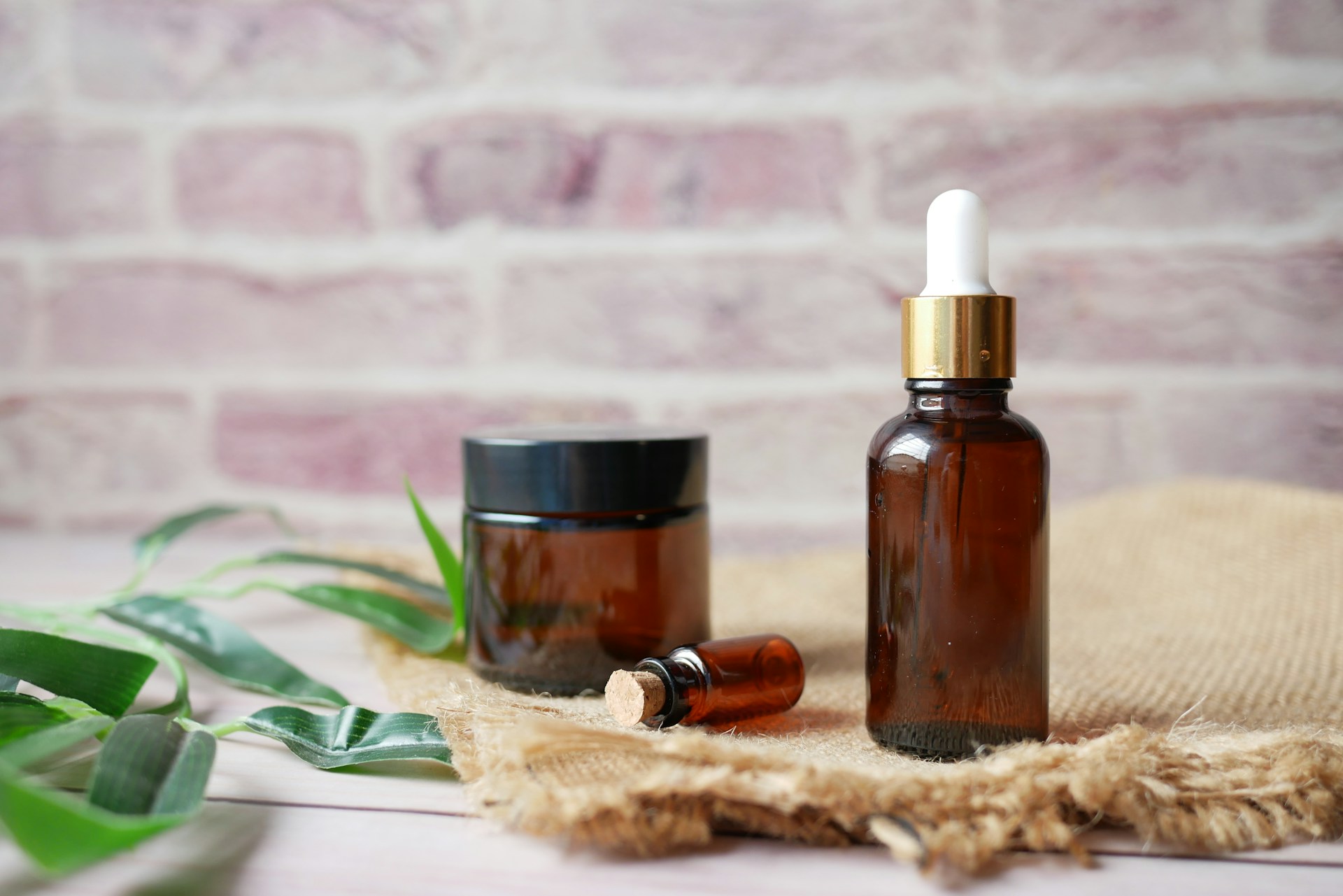
    Summer trips often come with a small bag of comforts: a favorite face cream, a sunscreen that does not sting, a bottle of lavender oil for the hotel pillow. Getting them there intact, and using them considerately once you arrive, raises a few practical questions. Here are answers to some common ones.

    Can I bring essential oils and skincare in my carry-on?

    Generally, yes, within the limits for liquids. Under the Transportation Security Administration’s liquids rule, carry-on liquids, gels, creams and aerosols must be in containers of 3.4 ounces, or 100 milliliters, or less, and all of them must fit in a single quart-size bag. Larger bottles belong in checked luggage. Rules can change and exceptions exist, so check the current guidance at tsa.gov before you pack. If you are flying internationally, check the rules of your airline and destination, too.

    How do I keep bottles from leaking?

    Changes in cabin pressure can push liquid out of loosely closed containers. A few habits help:

    • Fill travel bottles only partway, leaving a little air at the top.
    • Tighten caps firmly, and consider wrapping a strip of tape around each lid.
    • For extra protection, place a small square of plastic wrap over the opening before screwing on the cap.
    • Pack each bottle in its own zip-top bag, so one leak does not spoil everything else.
    • Keep essential oil bottles upright and away from anything they could stain.

    Is it okay to use essential oils on a plane or in a hotel room?

    Think of shared spaces first. On planes, buses and trains, people sit close together, and strong scents can bother neighbors who are sensitive to fragrance. Keep scent personal there: a sachet in your bag, or a small amount of a well-diluted oil you can enjoy without filling the cabin.

    In a hotel or rental, check the property’s policies before running a diffuser, and never burn candles where they are not allowed. A drop of oil on a cotton ball tucked near your pillow is a subtle way to bring a familiar scent to an unfamiliar room. Ventilate the room, and stop if anyone traveling with you finds the scent unpleasant.

    What about the heat?

    Heat is hard on essential oils, fragrances, sunscreen and many medications. A parked car in a Georgia summer can get dangerously hot within minutes, so take these things inside with you rather than leaving them in the glove box. At the beach or pool, keep them in a shaded bag or a cooler. If you travel with medications that need special storage, ask your pharmacist how to carry them.

    Any special precautions for beach and pool days?

    Yes. Several cold-pressed citrus oils, including bergamot, lemon and lime, can make skin more sensitive to sunlight when applied before sun exposure. On beach and pool days, save citrus blends for the evening, apply them only to skin that will stay covered or choose products made without these oils. Reapply sunscreen as the label directs, and pack a gentle moisturizer for after-sun comfort. As always, if you have a health concern, are pregnant or are traveling with young children, talk to your doctor before using essential oils on your trip. A little planning lets your favorite comforts travel as well as you do.

  • Coming Home Gently: Easing Back Into Routine After a Vacation

    Coming Home Gently: Easing Back Into Routine After a Vacation

    A good vacation can be undone remarkably fast. You walk in the door to a stuffy house, an empty refrigerator and a pile of mail, and by bedtime on the first night home the calm of the trip feels like a distant memory. A little planning can soften the landing, so the rest you found lasts a bit longer.

    Plan the landing before you leave

    The kindest thing you can do for your returning self happens before the trip begins:

    • Tidy the house before you go, so you come home to order rather than chaos.
    • Put fresh sheets on the bed. Climbing into a clean bed after a long trip is a small luxury.
    • Leave something easy in the freezer for the first night’s supper.
    • Set the thermostat so the house will not be sweltering when you arrive, or ask a neighbor to adjust it.
    • If you can, schedule a buffer day between coming home and going back to work.

    The first evening home

    Resist the urge to unpack everything and catch up on every chore that night. Bring in the bags, unpack only what you need and start one load of laundry if it makes you feel better. Then stop. Take a shower, eat something simple and go to bed at a reasonable hour. Tomorrow will be easier if tonight is gentle.

    Easing back into work

    Many people find the first morning back the hardest part. Consider keeping your out-of-office message on for one extra day, so you have time to catch up before new requests arrive. Block the first hour or two for reading email and sorting priorities rather than diving into meetings. Make a short list of what truly needs attention this week, and let the rest wait. Your inbox will still be there tomorrow; your sense of ease may not be, if you rush.

    Bring a little of the vacation home

    Ask yourself what you enjoyed most about being away, and look for a small way to keep it. If you loved slow breakfasts, try one on Saturday. If you walked every evening, keep walking. You might cook a dish you discovered on the trip, frame a favorite photo or light the candle that scented your rental. A familiar fragrance can call the feeling of a place back for a moment, which is one of the quiet gifts of scent.

    When the post-trip blues linger

    It is common to feel a little flat for a few days after a vacation ends. The contrast between relaxed days and ordinary routine can be sharp, and usually the feeling fades as you settle back in. If low feelings linger or deepen, talk to your doctor or a mental health professional. For most of us, though, a soft landing and one small habit carried home are enough to let the trip keep doing its quiet work long after the suitcase is put away.

  • Sleeping Well Away From Home: Hotel Rooms, Guest Rooms and Campsites

    Sleeping Well Away From Home: Hotel Rooms, Guest Rooms and Campsites

    You finally arrive, tired from the drive or the flight, and climb into a perfectly comfortable bed. Then you lie awake listening to the ice machine, the air conditioner and the unfamiliar creaks of a strange room. If the first night of a trip is often your worst, you are far from alone.

    The first-night effect

    Sleep researchers have a name for this: the first-night effect. People often sleep less deeply on their first night in an unfamiliar place, and some research suggests that part of the brain stays a little more alert, as if keeping watch in new surroundings. It usually eases by the second or third night. Knowing that can take some of the frustration out of a restless first night. It is normal, and it tends to pass.

    The rest of the work is helping a new space feel more familiar and more comfortable, as quickly as possible.

    In a hotel room

    • Control the light. Pack an eye mask, and a couple of binder clips or clothespins to pinch gaping curtains closed. Cover small glowing lights with a bit of tape or a folded tissue.
    • Soften the noise. Earplugs, a white noise app or the room’s fan setting can mask hallway sounds. When booking, it is reasonable to ask for a room away from elevators and ice machines.
    • Cool the room. Set the thermostat a little cool before you go to dinner, so the room is comfortable at bedtime.
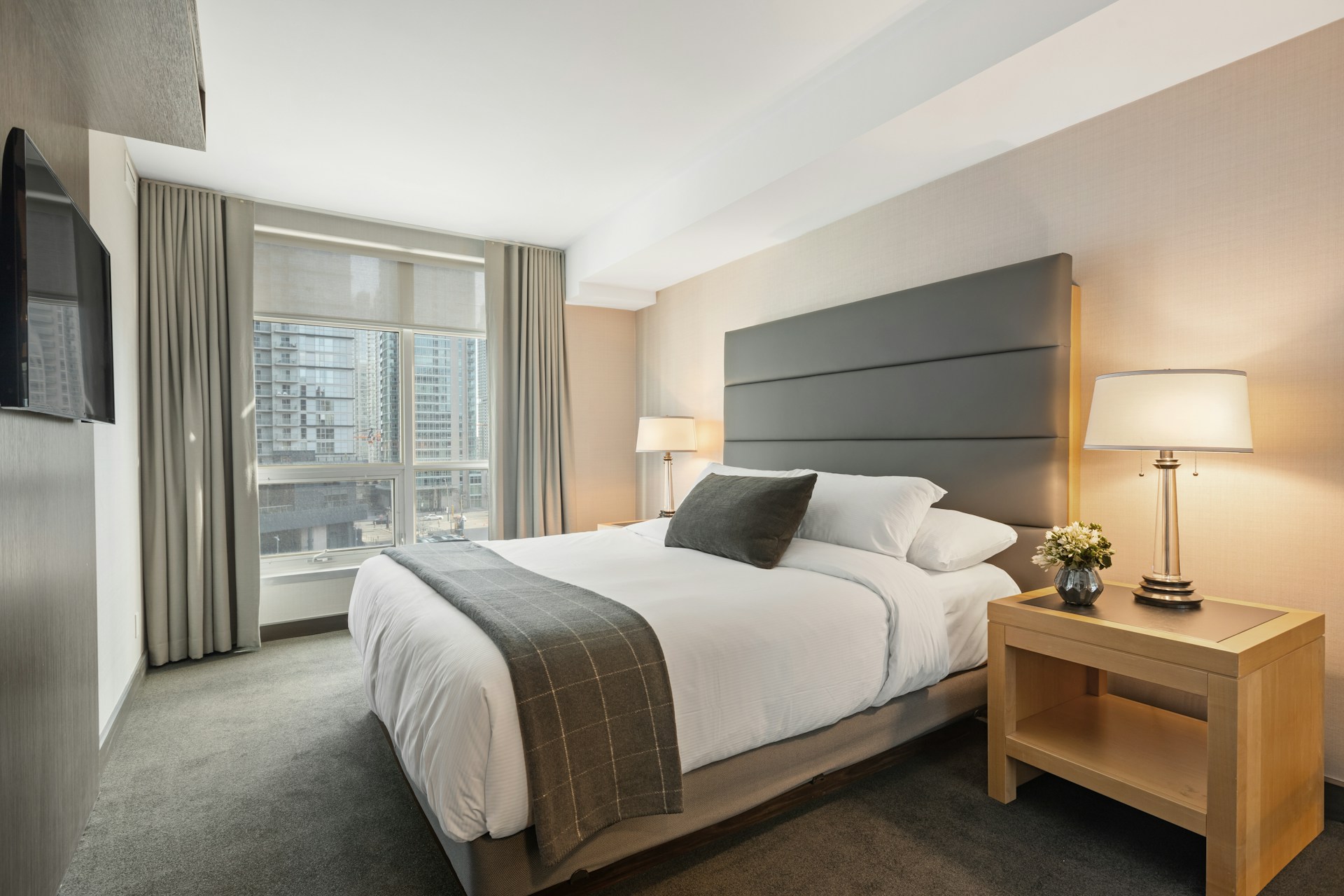
    • Bring a familiar cue. Your own pillowcase, a favorite sleep shirt or a lavender sachet from home can make the room feel more like yours.

    In a relative’s guest room

    Staying with family brings its own challenges: different schedules, early risers, pets, a mattress that has seen better days. Bring your own small comforts, such as an eye mask, earplugs and a book. It is perfectly polite to ask about the household’s morning routine, so you know when the coffee maker starts and the dog goes out. If the room is warm, ask whether a fan is available. Most hosts are glad to help their guests sleep well, and a gentle request is easier than three restless nights.

    At a summer campsite

    Camping in a Georgia summer is mostly about staying cool. Choose a site with afternoon shade if you can, open the tent’s vents and windows for airflow and set up on level ground. A good sleeping pad makes more difference than most people expect, and a small battery fan can make a warm night far more pleasant. Respect the campground’s quiet hours, and check the park’s official website ahead of time for rules, closures and fire restrictions.

    Keep your rhythm

    Wherever you are, try to keep something of your usual wind-down routine: a warm shower, a few pages of a book, the same lights-out time you keep at home. Familiar habits signal that it is time to rest, even in an unfamiliar room. If you have ongoing trouble sleeping, at home or away, talk to your doctor. Otherwise, be patient with yourself on the first night. By the second, the room is usually starting to feel like yours.

  • A Calm Travel Kit: Small Comforts Worth Packing for the Road or the Air

    A Calm Travel Kit: Small Comforts Worth Packing for the Road or the Air

    Travel asks a lot of the senses. Bright airports, rumbling highways, dry cabin air and unfamiliar rooms all add up, even on a trip you have been looking forward to. A small kit of familiar comforts will not change any of that, but it can make each part of the journey a little softer. Many frequent travelers keep one packed all summer so it is ready to grab.

    For resting anywhere

    • An eye mask. Useful on planes, in the back seat and in hotel rooms where the curtains never quite close.
    • Earplugs or headphones. Foam earplugs weigh almost nothing. Noise-canceling headphones cost more, and many travelers find them worth it.
    • A light scarf or wrap. Planes, restaurants and hotel lobbies are often chilly in summer. A wrap doubles as a pillow or a blanket.
    • A neck pillow, if you sleep sitting up. Try it at home first to be sure it suits you.

    For staying comfortable

    • A refillable water bottle. On a flight, carry it empty through security and fill it at a fountain on the other side.
    • Lip balm with SPF and a small moisturizer, since cabin air can feel very dry.
    • Travel-size sunscreen for the moments between car and destination.
    • Tissues, hand wipes and a small bottle of hand sanitizer.
    • A few snacks you know you like, so a delayed meal is not a crisis.

    Liquid limits for carry-on bags can change, so check the current rules at tsa.gov before you pack toiletries for a flight.

    For calm moments in between

    • A paperback, or an e-reader loaded before you leave home.
    • Downloaded music, podcasts or a guided relaxation recording, in case there is no signal.
    • A small notebook for lists, thoughts and the details you want to remember from the trip.
    • A familiar scent just for you, such as a lavender sachet tucked into your bag. Skip anything strong in shared spaces like planes and buses, where others may be sensitive.

    For the road trip

    Driving brings its own list. A windshield sunshade keeps the car cooler during stops, and a small cooler with water and cold snacks means fewer detours. Plan regular breaks to get out, stretch and walk around for a few minutes. Remember that a parked car in a Georgia summer gets very hot very fast. Do not leave sunscreen, essential oils, medications or electronics sitting in it, and never leave a child or a pet in a parked car, even briefly.

    Keep any medications with you, in your carry-on or the front of the car rather than in checked luggage or the trunk, and talk with your doctor or pharmacist if you have questions about traveling with them.

    Once your kit is assembled, keep it stocked. Replace what you use when you get home, and it will be waiting for the next trip, one less thing to think about on the morning you leave.

  • Planning a Vacation That Actually Feels Restful

    Most of us know the feeling of coming home from a trip more tired than when we left. The days were full, the photos are lovely and yet something did not quite land. Often the problem is not the destination. It is a plan built for seeing everything rather than for resting. As summer travel season begins, a few choices made at the kitchen table can change how the whole trip feels.

    Decide what kind of rest you need

    Before choosing activities, ask a simple question: what would feel restful right now? For some people it is a week of hiking and new scenery that gets them out of their heads. For others it is a porch, a book and no plans at all. Families often contain both kinds of travelers, so ask everyone. Naming the goal out loud makes it easier to say no to the extra tour or the ambitious day trip that does not fit.

    Leave white space in the plan

    • One main thing a day. Choose a single anchor activity and let the rest of the day stay loose.
    • An easy arrival. Plan nothing for the first evening beyond dinner and an early night.
    • A slow morning or two. Build in mornings with no alarm and no reservation.
    • A buffer day at home. If you can, return a day before work or school starts, so there is time to unpack and breathe.

    White space is not wasted time. It is where the unplanned good moments of a trip tend to happen: the long lunch, the swim at dusk, the conversation that runs late.

    Plan travel days with care

    Travel days are part of the vacation, not just a gap before it starts. Choose departure times that suit your household’s natural rhythm. If you are driving, plan regular stops to stretch, eat and walk around rather than pushing straight through. If you are flying, give yourself more time at the airport than you think you need, since rushing sets a frazzled tone for everything that follows. Pack snacks and water so hunger does not make decisions for you.

    In a Georgia summer, think about the heat, too. Starting a long drive early in the morning means the hottest hours are spent in an air-conditioned car rather than loading luggage in a parking lot at three in the afternoon.

    Hand off work before you go

    A vacation spent checking email is a workday in a nicer chair. A week or so before you leave, tell colleagues your dates, decide who will cover what and set an out-of-office message that names a backup contact. Then decide your own boundary in advance. Some people delete work apps from their phones for the week. Others allow one short check at a set time. Either can work, as long as you choose it on purpose instead of drifting into it.

    Pack for comfort

    Finally, pack for comfort rather than for every possibility. Fewer outfits, a good pair of walking shoes and a book you are genuinely excited about will serve you better than a bulging suitcase. The goal is not a perfect trip. It is a few days that leave you feeling more like yourself.