
Napping has a mixed reputation. Some people see it as a luxury for children and retirees; others swear by a quick afternoon rest. The truth is that a nap can be either refreshing or counterproductive, and the difference comes down to timing, length and how you set it up. Here is a plain guide to napping well. This is general information; if you feel sleepy every day despite a full night’s rest, mention it to your doctor.
Why the Afternoon Dip Happens
Most people feel a drop in alertness in the early afternoon, often between about one and three o’clock. It is not only about lunch. The body’s daily rhythm has a natural low point then, which is why so many cultures developed a tradition of resting after the midday meal, from the Spanish siesta to the Italian riposo. A short nap in that window works with your rhythm rather than against it.
How Long
Length matters more than anything else:
- Ten to twenty minutes is the sweet spot for most people. You stay in lighter stages of sleep and tend to wake feeling refreshed rather than groggy.
- Thirty to sixty minutes often lands you in deeper sleep, and waking from it can bring a heavy, foggy feeling called sleep inertia that takes a while to shake.
- Around ninety minutes allows a full sleep cycle, which some people find restorative on a day off, but it is a serious commitment and can cut into nighttime sleep.
Set an alarm. Naps that drift are the ones that leave you feeling worse.
Early afternoon is the ideal time. Napping after about three or four o’clock makes it harder to fall asleep that night for many people. If you are trying to improve your nighttime sleep, it is often better to skip naps entirely for a while so that you arrive at bedtime genuinely tired.
Setting the Scene
A good nap needs less than a good night’s sleep, but a few things help:
- Lie down if you can. A sofa, a bed or a reclined chair all work. Napping upright at a desk is possible but less restful.
- Dim the room or use an eye mask. Light makes it harder to drop off quickly.
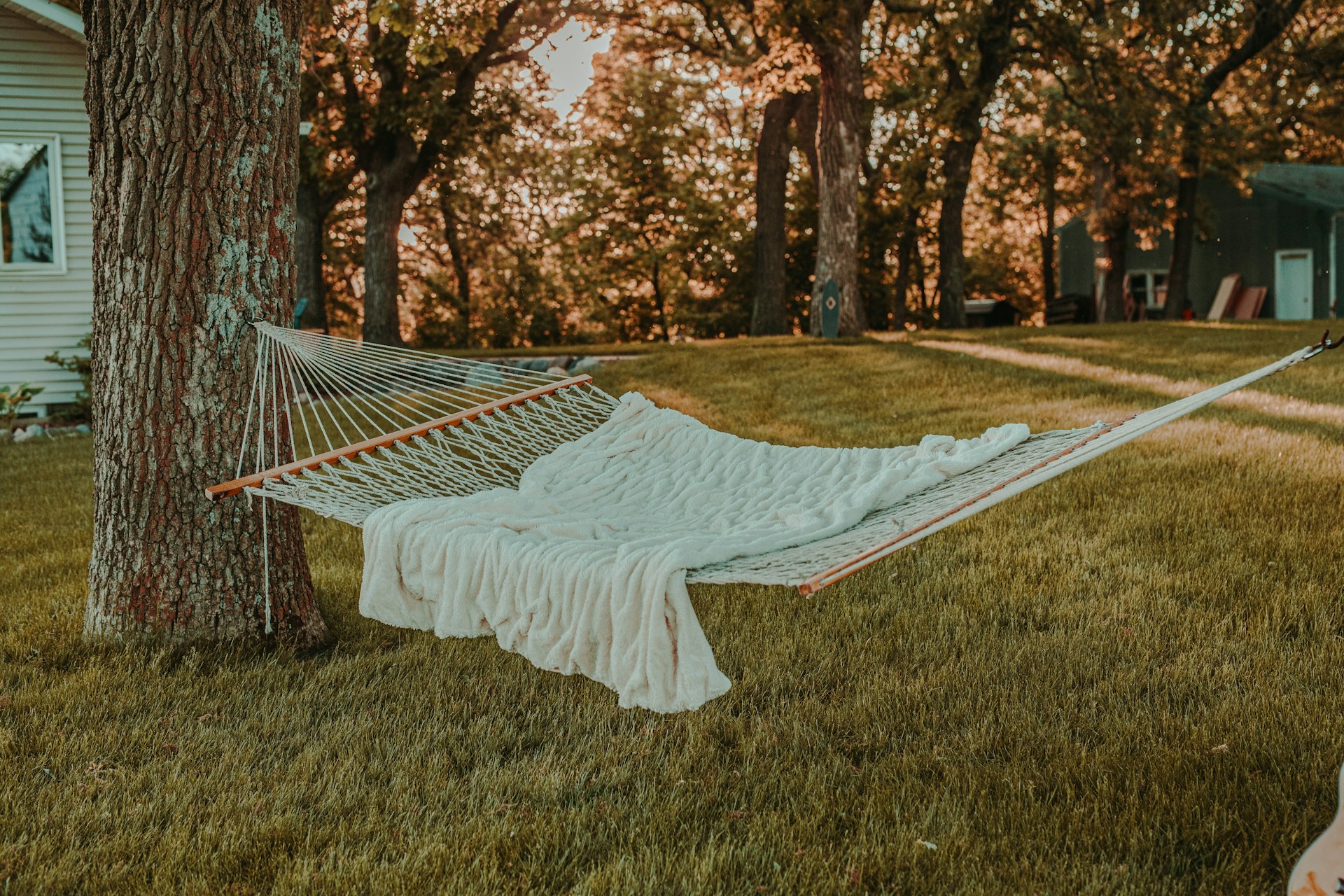
- Cover up with a light blanket. Body temperature dips a little as you rest.
- Put your phone face down and out of reach after setting the alarm.
- Try a familiar cue, such as the same quiet playlist or a particular scent, so your body learns that nap time has begun.
The Coffee Nap
One popular trick is to drink a cup of coffee right before a twenty-minute nap. Caffeine takes a little while to take effect, so it kicks in around the time you wake up. Plenty of people find this leaves them sharper than either coffee or a nap alone. It is best done well before mid-afternoon so the caffeine does not linger into the evening.
If You Cannot Fall Asleep
Not everyone can nap, and that is fine. Lying quietly with your eyes closed for fifteen minutes, breathing slowly, still offers real rest. Some people prefer a short body scan or a guided relaxation recording instead of trying to sleep. The goal is a pause in the day, not necessarily unconsciousness.
There is a lingering idea that resting during the day is lazy. It is not. A twenty-minute nap on a slow Sunday afternoon in spring, with the window cracked and the sound of birds outside, is one of life’s small, honest pleasures. Taken wisely, it gives you back the rest of the day.