
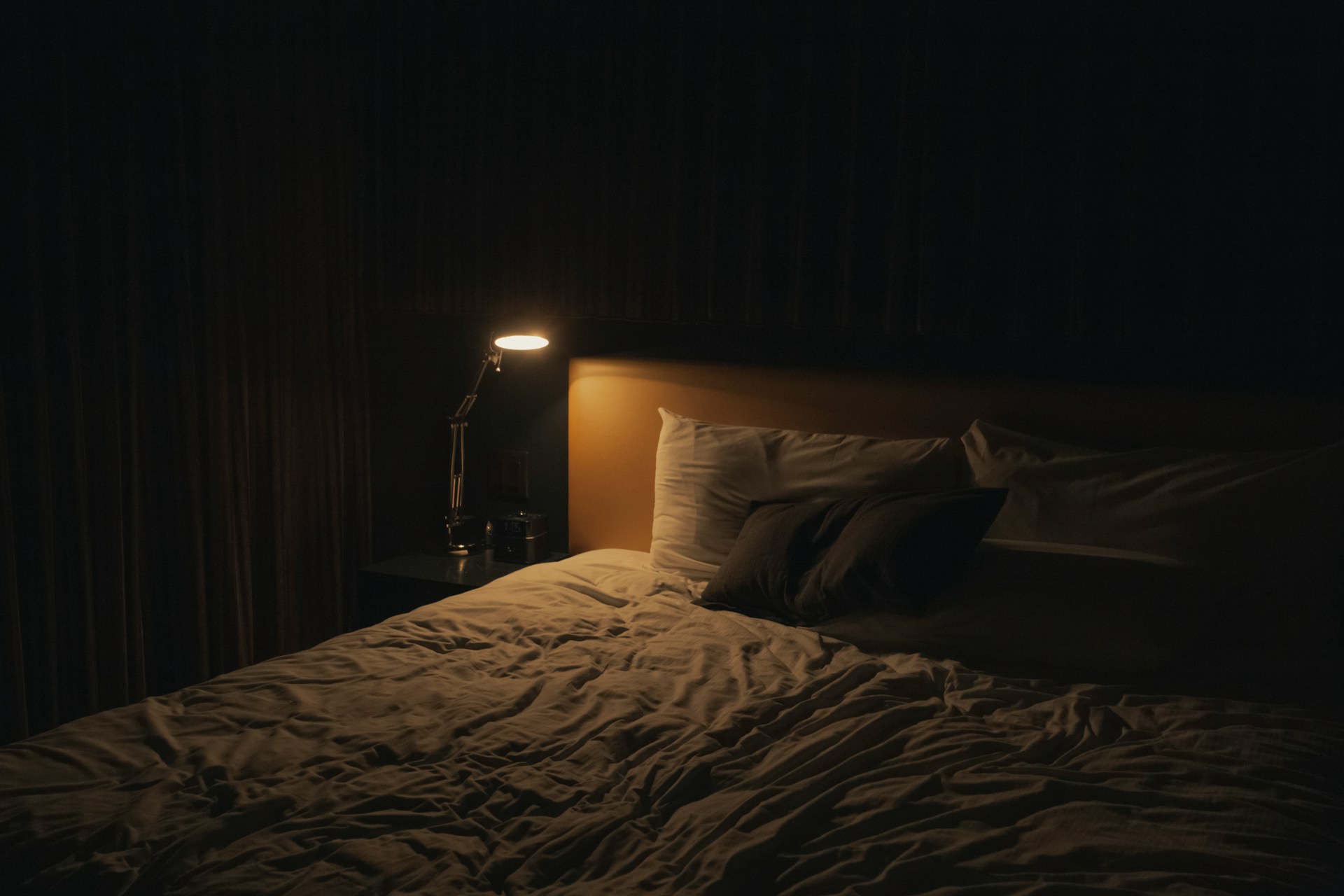
Sleep is one of those subjects where everyone has advice, and much of it is wrong. Old sayings, half-remembered articles and the habits of busy people combine into a body of folk wisdom that does not hold up well. Here are eight common beliefs about sleep and what is generally understood instead. This is general information drawn from widely shared sleep guidance, not medical advice. If you have ongoing trouble sleeping, snore heavily or feel exhausted despite enough hours in bed, talk with your doctor.
Myths About How Much
Myth: Everyone needs exactly eight hours. The eight-hour figure is a convenient average, not a rule. Most adults fall into a range of roughly seven to nine hours, and the right amount for you is the one that leaves you alert through the day without relying on caffeine. Some people genuinely need a little more or a little less.
Myth: Older adults need much less sleep. Sleep patterns do change with age. Older adults often wake earlier and sleep more lightly, but the total need does not drop as sharply as people assume. Feeling constantly tired is not a normal part of getting older and is worth mentioning to a doctor.
Myth: You can catch up on the weekend. Sleeping in on Saturday feels wonderful, and it does repay a little of the week’s debt. But swinging between short weeknights and long weekend mornings tends to confuse your internal clock, which can make Monday harder. A steadier schedule across the whole week is generally more restful than a weekly binge.
Myths About Falling Asleep
Myth: A drink before bed helps you sleep. Alcohol can make you drowsy, so it seems to help. It also tends to fragment sleep later in the night and leave you waking early. Many people who cut out a nightly drink are surprised at how much more rested they feel.
Myth: If you cannot sleep, stay in bed and try harder. Lying awake watching the clock teaches your mind that bed is a place for frustration. Many sleep guides suggest the opposite: if you have been awake for what feels like twenty minutes or more, get up, sit somewhere dim and do something quiet until you feel sleepy, then return.
Myth: Falling asleep instantly means you are a great sleeper. Dropping off the moment your head hits the pillow often means you are very short on sleep. Taking ten to twenty minutes to drift off is more typical for someone who is well rested.
Myths About the Bedroom
Myth: The television helps you fall asleep. Background noise and flickering light are stimulating even when they feel soothing. Falling asleep to the TV usually means lighter sleep and more wakings when the program changes or the volume shifts. Soft audio with the screen off is a gentler alternative if silence feels too stark.
Myth: A warm bedroom is cozier for sleep. Most people sleep better in a room that is slightly cool. Body temperature drops as you fall asleep, and a cool room supports that. A warm bath before bed can help, because the drop in temperature afterward mimics the natural signal for sleep.
What Generally Helps
- Keep a steady wake time, including weekends, as much as you can.
- Get bright light in the morning and dim light in the evening.
- Finish caffeine by early afternoon.
- Build a short, repeatable wind-down routine.
- Keep the bedroom dark, quiet and cool.
None of this is complicated, which is part of why it gets ignored. The myths persist because they are convenient. The truths are simpler and, for most people, kinder.