
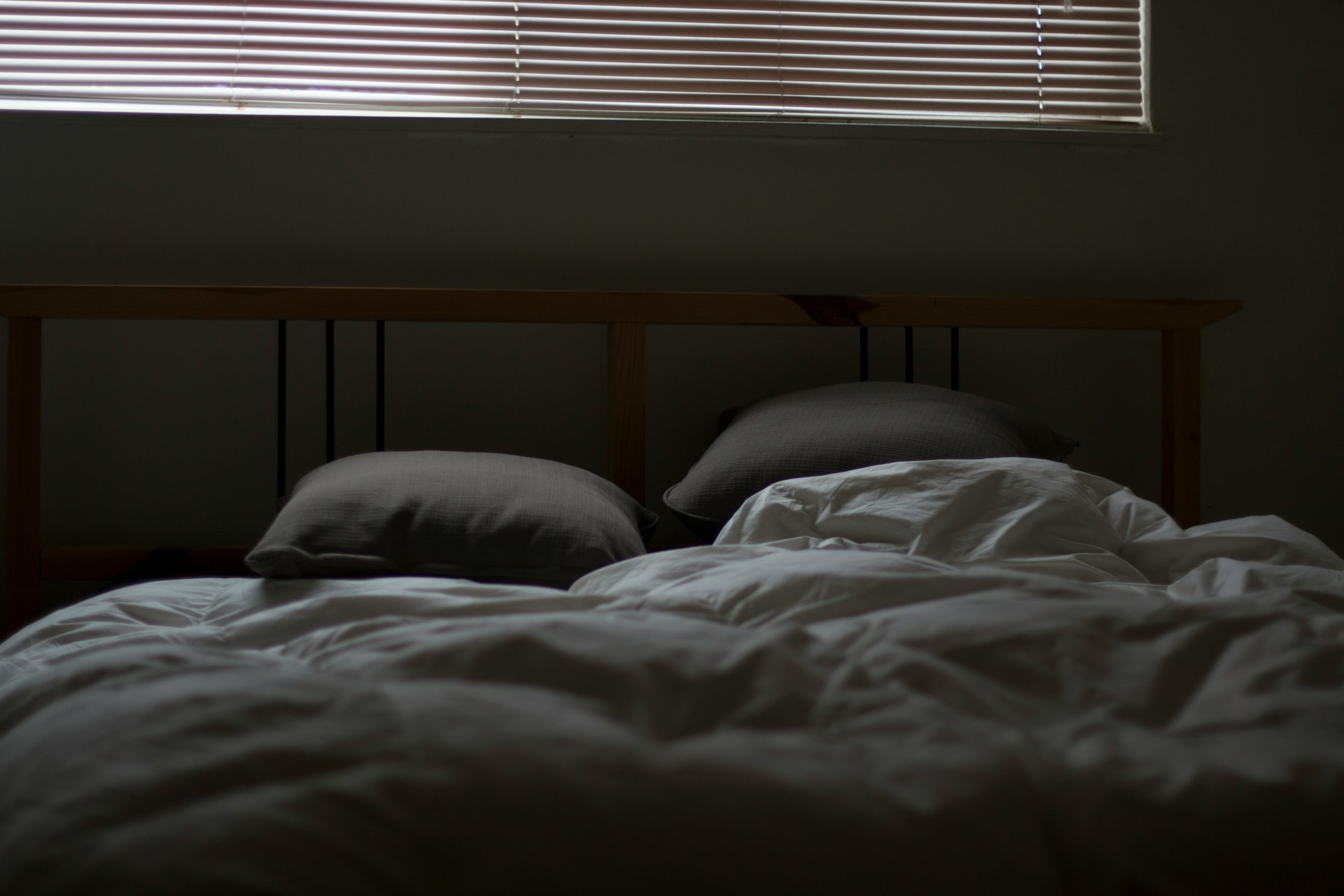
June in Middle Georgia brings the longest days of the year. Dawn arrives early, the sky stays bright well into the evening and the house can still be full of daylight at bedtime. For many people, this throws sleep a little off balance. Here are answers to some common questions about sleeping well in the long-light weeks of summer. This is general information; if sleep troubles are persistent, talk to your doctor.
Why is it harder to wind down when it is still light out?
Light is the strongest cue the body uses to set its internal clock. As evening light fades, the body begins producing more melatonin, the hormone associated with feeling sleepy at night. Bright light in the evening tends to delay that process. When the sky is still glowing at nine o’clock, your body may simply not have received the message that night has arrived, even if your schedule says it is time for bed.
What helps in the evening?
- Close the blinds on west-facing windows in the late afternoon. It keeps the house cooler and softens the evening light.
- Switch from overhead lights to lamps after dinner, even if it still feels early.
- Dim screens or put them away during the last hour before bed, since bright screens add to the light your eyes take in.
- Keep a simple wind-down routine, such as a shower, a few pages of a book and lights out, at about the same time each night.
Why do I keep waking up at dawn?
Early light slipping around curtain edges is a common culprit. So is the dawn chorus, since birds start singing before sunrise, and so is morning warmth in a room that faces east. Blackout curtains or a lined shade can make a real difference. A comfortable sleep mask is an inexpensive alternative and handy for travel, too. If birdsong wakes you, a fan or a quiet white noise machine can soften it.
If you wake early and cannot get back to sleep, try not to fight it. Lying quietly with your eyes closed and breathing slowly is still restful. Some people choose to get up and enjoy the cool of the morning instead, which can be one of the best parts of a summer day.
Should I change my sleep schedule for summer?
Many people naturally drift a little later in summer, staying up to enjoy the evening and sleeping in on weekends. A small shift is fine. What tends to matter more is consistency: going to bed and waking up at roughly the same times each day, weekends included, helps your body keep a steady rhythm. With children out of school, a regular bedtime and wake time can keep summer days from sliding into a jumble.
When should I talk to someone?
A few restless nights during a heat wave or a busy season are common. But if you regularly have trouble falling asleep or staying asleep, wake up feeling unrefreshed or feel very sleepy during the day, talk to your doctor, who can help you understand what is going on. In the meantime, a darker room in the morning, a dimmer house at night and a steady rhythm can help the long days of June feel like a gift rather than a disruption.