Tag: q&a

  • Sparkling, Still or Ice Cold? Common Hydration Questions, Answered

    Water seems like the simplest thing in the world, yet summer brings a steady stream of questions about it. Here are straightforward answers to some of the most common ones. They are general information, not personal advice, so if you have a health condition or take medication that affects fluids, talk to your doctor about what is right for you.

    Do I really need eight glasses a day?

    The eight-glasses rule is easy to remember, but it is not a universal prescription. How much fluid a person needs depends on body size, activity, the weather, health and more. A tall gardener working outside in July needs more than someone spending a cool day indoors.

    It also helps to know that plain water is not your only source. National nutrition guidelines count the water in all beverages and foods, and fruits and vegetables carry a surprising amount of it. Rather than counting glasses, many people find it easier to keep water close by and drink a little throughout the day.

    Does sparkling water count?

    Yes. Plain sparkling water is simply water with carbon dioxide added, and it counts toward your fluids just like still water. If the bubbles make water more appealing, that is a good reason to enjoy it. Flavored sparkling waters vary, so read the label if you want to avoid added sugar or sweeteners. Some people find carbonation makes them feel full or bloated, in which case still water may be more comfortable.

    Is ice-cold water better on a hot day?

    The best temperature is the one you will actually drink. Many people find cold water more refreshing in the heat and naturally drink more of it, which is a real advantage. Others find very cold water uncomfortable, especially on sensitive teeth, and prefer it cool or at room temperature. Either way, the water is doing the same job.

    How can I tell if I am drinking enough?

    Thirst is one clue. Another commonly used everyday guide is the color of your urine: pale yellow generally suggests you are well hydrated, while dark yellow can be a sign you need more fluid. Some vitamins, foods and medications change urine color, so this is a rough guide rather than a test. Feeling unusually tired, light-headed or headachy on a hot day can also be a cue to drink, rest and cool down.

    Can you drink too much water?

    It is possible, though uncommon for most healthy people. Drinking very large amounts in a short time, particularly during long, sweaty exercise, can dilute the sodium in the blood, which can be dangerous. People with certain heart, kidney or other conditions may be told to limit fluids. Steady sipping over the day is usually more comfortable than drinking a lot at once. Anyone with questions about electrolytes, sports drinks or fluid limits should ask their doctor.

    Most of the time, staying hydrated in summer is less about rules and more about ease: a cold bottle within reach, a glass with meals and a little attention to how you feel. And if anyone with you seems confused, faint or very unwell in the heat, move them to a cool place and seek medical help right away.
  • Long Light in June: Common Questions About Early Sunrises, Late Sunsets and Sleep

    Long Light in June: Common Questions About Early Sunrises, Late Sunsets and Sleep

    June in Middle Georgia brings the longest days of the year. Dawn arrives early, the sky stays bright well into the evening and the house can still be full of daylight at bedtime. For many people, this throws sleep a little off balance. Here are answers to some common questions about sleeping well in the long-light weeks of summer. This is general information; if sleep troubles are persistent, talk to your doctor.

    Why is it harder to wind down when it is still light out?

    Light is the strongest cue the body uses to set its internal clock. As evening light fades, the body begins producing more melatonin, the hormone associated with feeling sleepy at night. Bright light in the evening tends to delay that process. When the sky is still glowing at nine o’clock, your body may simply not have received the message that night has arrived, even if your schedule says it is time for bed.

    What helps in the evening?

    • Close the blinds on west-facing windows in the late afternoon. It keeps the house cooler and softens the evening light.
    • Switch from overhead lights to lamps after dinner, even if it still feels early.
    • Dim screens or put them away during the last hour before bed, since bright screens add to the light your eyes take in.
    • Keep a simple wind-down routine, such as a shower, a few pages of a book and lights out, at about the same time each night.

    Why do I keep waking up at dawn?

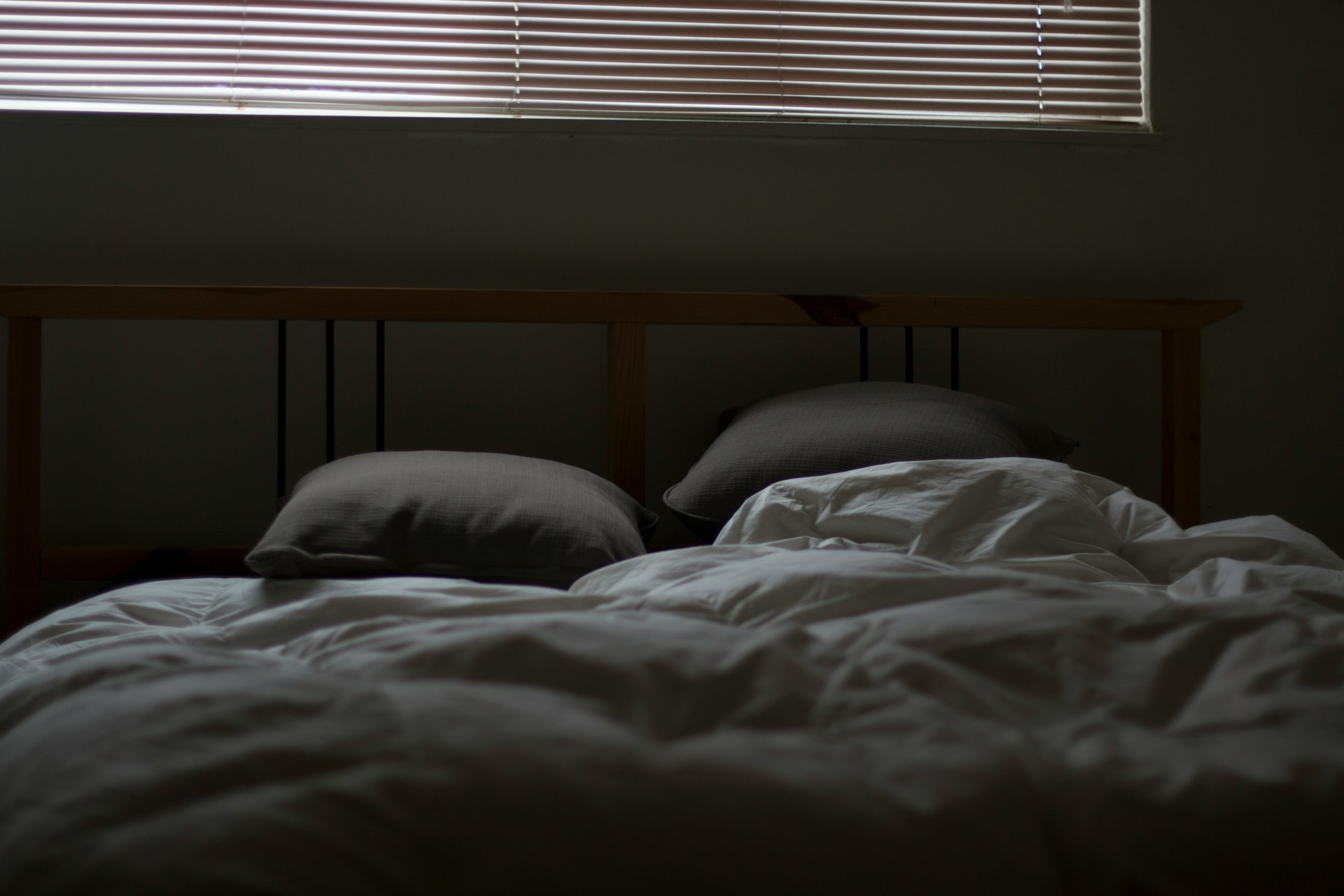
    Early light slipping around curtain edges is a common culprit. So is the dawn chorus, since birds start singing before sunrise, and so is morning warmth in a room that faces east. Blackout curtains or a lined shade can make a real difference. A comfortable sleep mask is an inexpensive alternative and handy for travel, too. If birdsong wakes you, a fan or a quiet white noise machine can soften it.

    If you wake early and cannot get back to sleep, try not to fight it. Lying quietly with your eyes closed and breathing slowly is still restful. Some people choose to get up and enjoy the cool of the morning instead, which can be one of the best parts of a summer day.

    Should I change my sleep schedule for summer?

    Many people naturally drift a little later in summer, staying up to enjoy the evening and sleeping in on weekends. A small shift is fine. What tends to matter more is consistency: going to bed and waking up at roughly the same times each day, weekends included, helps your body keep a steady rhythm. With children out of school, a regular bedtime and wake time can keep summer days from sliding into a jumble.

    When should I talk to someone?

    A few restless nights during a heat wave or a busy season are common. But if you regularly have trouble falling asleep or staying asleep, wake up feeling unrefreshed or feel very sleepy during the day, talk to your doctor, who can help you understand what is going on. In the meantime, a darker room in the morning, a dimmer house at night and a steady rhythm can help the long days of June feel like a gift rather than a disruption.

  • Traveling With Essential Oils and Skincare: Your Questions, Answered

    Traveling With Essential Oils and Skincare: Your Questions, Answered

    Summer trips often come with a small bag of comforts: a favorite face cream, a sunscreen that does not sting, a bottle of lavender oil for the hotel pillow. Getting them there intact, and using them considerately once you arrive, raises a few practical questions. Here are answers to some common ones.

    Can I bring essential oils and skincare in my carry-on?

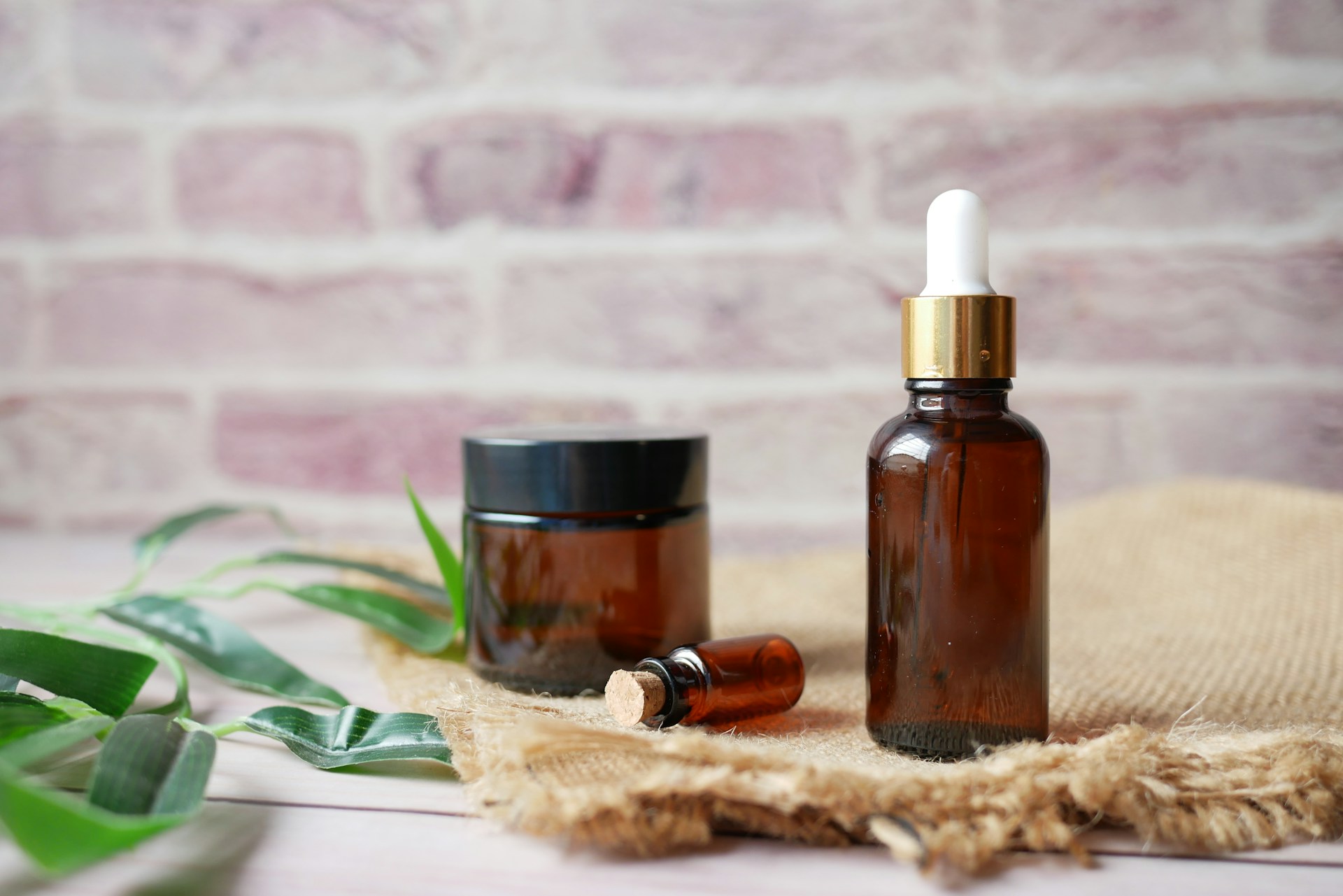
    Generally, yes, within the limits for liquids. Under the Transportation Security Administration’s liquids rule, carry-on liquids, gels, creams and aerosols must be in containers of 3.4 ounces, or 100 milliliters, or less, and all of them must fit in a single quart-size bag. Larger bottles belong in checked luggage. Rules can change and exceptions exist, so check the current guidance at tsa.gov before you pack. If you are flying internationally, check the rules of your airline and destination, too.

    How do I keep bottles from leaking?

    Changes in cabin pressure can push liquid out of loosely closed containers. A few habits help:

    • Fill travel bottles only partway, leaving a little air at the top.
    • Tighten caps firmly, and consider wrapping a strip of tape around each lid.
    • For extra protection, place a small square of plastic wrap over the opening before screwing on the cap.
    • Pack each bottle in its own zip-top bag, so one leak does not spoil everything else.
    • Keep essential oil bottles upright and away from anything they could stain.

    Is it okay to use essential oils on a plane or in a hotel room?

    Think of shared spaces first. On planes, buses and trains, people sit close together, and strong scents can bother neighbors who are sensitive to fragrance. Keep scent personal there: a sachet in your bag, or a small amount of a well-diluted oil you can enjoy without filling the cabin.

    In a hotel or rental, check the property’s policies before running a diffuser, and never burn candles where they are not allowed. A drop of oil on a cotton ball tucked near your pillow is a subtle way to bring a familiar scent to an unfamiliar room. Ventilate the room, and stop if anyone traveling with you finds the scent unpleasant.

    What about the heat?

    Heat is hard on essential oils, fragrances, sunscreen and many medications. A parked car in a Georgia summer can get dangerously hot within minutes, so take these things inside with you rather than leaving them in the glove box. At the beach or pool, keep them in a shaded bag or a cooler. If you travel with medications that need special storage, ask your pharmacist how to carry them.

    Any special precautions for beach and pool days?

    Yes. Several cold-pressed citrus oils, including bergamot, lemon and lime, can make skin more sensitive to sunlight when applied before sun exposure. On beach and pool days, save citrus blends for the evening, apply them only to skin that will stay covered or choose products made without these oils. Reapply sunscreen as the label directs, and pack a gentle moisturizer for after-sun comfort. As always, if you have a health concern, are pregnant or are traveling with young children, talk to your doctor before using essential oils on your trip. A little planning lets your favorite comforts travel as well as you do.

  • Houseplants and Calm: Your Questions About Easy Indoor Greenery, Answered

    Houseplants and Calm: Your Questions About Easy Indoor Greenery, Answered

    Houseplants have a way of making a room feel calmer, and spring is the easiest time to start keeping them: light is improving, growth is picking up and nurseries are full. But many people have been burned by a dead fern or a leggy succulent and are wary of trying again. Here are answers to the questions people most often ask about easy indoor greenery. We make no health claims about plants, only the observation that tending something green is a pleasant daily ritual.

    Do houseplants really clean the air?

    This claim is everywhere, and it traces back to a small study done decades ago in sealed chambers. Later research has suggested that in a real home with normal air exchange, you would need an impractical number of plants to make a measurable difference. So, honestly, no, not in any meaningful way. Houseplants are worth having because they are beautiful, because caring for them is satisfying and because a bit of living green changes how a room feels. That is reason enough.

    Which plants are hardest to kill?

    A few are famously forgiving:

    • Snake plant, which tolerates low light and infrequent watering.
    • Pothos, a trailing vine that grows in almost any light and tells you when it is thirsty by drooping slightly.
    • ZZ plant, glossy and slow-growing, happy to be ignored for weeks.
    • Spider plant, which produces baby plants on long stems and is easy to share.
    • Peace lily, which wilts dramatically when dry and recovers within hours of watering.

    Start with one or two of these before moving on to anything fussier.

    How often should I water?

    This is the question behind most dead plants, and the answer is: less often than you think. Overwatering kills far more houseplants than underwatering. Instead of a schedule, check the soil. Push a finger an inch or two in. If it is damp, wait. If it is dry, water thoroughly until it runs out the drainage hole, then empty the saucer. Most of the plants above want to dry out between waterings. In spring and summer, when plants are growing, they drink more; in winter, much less.

    As for light, most houseplants come from forest floors and prefer bright, indirect light, the kind found a few feet back from a sunny window or right beside a north- or east-facing one. Direct afternoon sun through glass can scorch leaves. Very dark corners will slowly starve almost anything, though snake plants and ZZ plants tolerate dimness better than most. If a plant leans or stretches toward the window, it wants more light. Rotate pots a quarter turn each week so growth stays even.

    Are houseplants safe around pets and children?

    Not all of them. Several popular plants, including pothos, peace lily and many true lilies, can cause problems if chewed or eaten. If you have cats, dogs or small children, check each plant before you buy it and keep questionable ones out of reach. Your veterinarian or pediatrician can advise, and the ASPCA maintains a widely used list of plants and their effects on animals. Spider plants and many ferns are generally considered safer choices.

    How do I make plant care feel like a ritual rather than a chore?

    Group your plants so they can be checked in one pass. Pick a regular morning, perhaps Sunday, to walk through with a watering can and a cloth for dusting leaves. Go slowly. Look at each plant, notice new growth, turn the pot, remove a yellow leaf. Ten minutes a week is plenty for a small collection. Many people find this quiet circuit becomes one of the most grounding parts of the weekend, a small act of care that asks for attention and gives back a greener, calmer room.

  • Your Questions About Visiting a Wellness Studio, Answered

    Your Questions About Visiting a Wellness Studio, Answered

    If you have never visited a holistic wellness studio, you might have a few questions. What should you wear? Do you need to arrive early? Is it okay to ask questions? Here are general answers to some of the most common questions. For details about our own services, policies and booking, please visit our services page or contact us.

    What Should I Wear?

    Comfortable clothing is almost always the best choice. For many relaxing experiences, you may be asked to change into a robe or lie under a sheet, but you will have privacy to do so and you are always in control of your comfort. For facials, a top that is easy to slip off the shoulders can be helpful. Leave jewelry at home if possible, since you may be asked to remove it.

    How Early Should I Arrive?

    Arriving about ten to fifteen minutes early is a good habit, especially on your first visit. It gives you time to fill out any forms, use the restroom and settle in without feeling rushed. Arriving in a hurry can make it harder to relax once your session begins.

    Will I Need to Share Health Information?

    Many wellness studios ask for basic health information during intake. This helps the practitioner choose appropriate products and approaches. Be honest about:

    • Allergies, including to nuts, fragrances or essential oils
    • Skin sensitivities or recent skincare procedures
    • Pregnancy or nursing
    • Medications you take
    • Any health conditions

    If you have a health concern, talk with your doctor before booking. A wellness experience is not a substitute for medical care.

    Is It Okay to Talk or Stay Quiet?

    Either is perfectly fine. Some people like to chat, while others prefer silence. You can let your practitioner know at the start. Most practitioners will follow your lead.

    What If Something Feels Uncomfortable?

    Speak up at any time. If the room is too warm or cold, the pressure is too firm, a product stings or a scent feels too strong, let your practitioner know. Your comfort matters, and adjustments are easy to make.

    Should I Bring Anything?

    Usually you do not need to bring much. A water bottle, a hair tie and a list of any questions are helpful. If you use particular skincare products, you might bring a list of them for a facial.

    What Should I Do After My Session?

    Take your time. Many people like to sit quietly for a few minutes before heading back into the day. Drinking some water and planning a calm activity afterward can help you enjoy the relaxed feeling a little longer. After a facial, your esthetician may give you suggestions, such as waiting to apply makeup.

    How Do I Choose an Experience?

    Think about what appeals to you. Do you want something hands-on and relaxing, something fragrant, or something more reflective? If you are unsure, contact the studio and ask questions. A good team will help you find an experience that suits your preferences and comfort level.

    Above all, a wellness visit should feel welcoming. Come as you are, share what you need and give yourself permission to enjoy a little time set aside for rest.