
Step outside on a June night in Middle Georgia and the dark is anything but silent. There is a rising and falling buzz from the trees, a rhythmic rasp from the shrubs, steady chirps from the grass and, near water, a chorus of honks and trills. To someone from a cooler, drier place, it can sound almost deafening. To many Southerners, it is the sound of summer itself, and listening to it closely is a lovely way to settle into the evening.
Cicadas: summer’s loudest singers
The long, pulsing buzz that swells on hot afternoons and fades into the evening usually belongs to cicadas. Male cicadas produce their song with tymbals, ribbed membranes on the sides of the body that buckle in and out very rapidly, a little like pressing the bottom of a metal can. The partly hollow body helps amplify the sound, and each species has its own song for attracting mates.
The cicadas heard every summer are often called annual or dog-day cicadas, because some appear every year in the hottest part of the season. Periodical cicadas are different: they spend thirteen or seventeen years underground and emerge in enormous numbers in particular years and regions. When they come, they are hard to miss.
Katydids and crickets: the night shift
As darkness settles, katydids and crickets take over. Both make sound by rubbing parts of their wings together, a technique called stridulation. Katydids, leafy green relatives of grasshoppers, are heard far more often than seen. The common true katydid’s harsh, rhythmic call is said to sound like its name, katy-did, katy-didn’t, repeated through the night from the treetops.
Crickets produce the gentler, steady chirps. In 1897, a physicist named Amos Dolbear published a formula connecting the chirp rate of crickets to air temperature, because chirping speeds up as nights get warmer. For the snowy tree cricket, the best candidate, counting the chirps in fifteen seconds and adding forty gives a rough estimate of the temperature in degrees Fahrenheit. It is an approximation, but a charming one to try from the porch.
Tree frogs: the voices near water
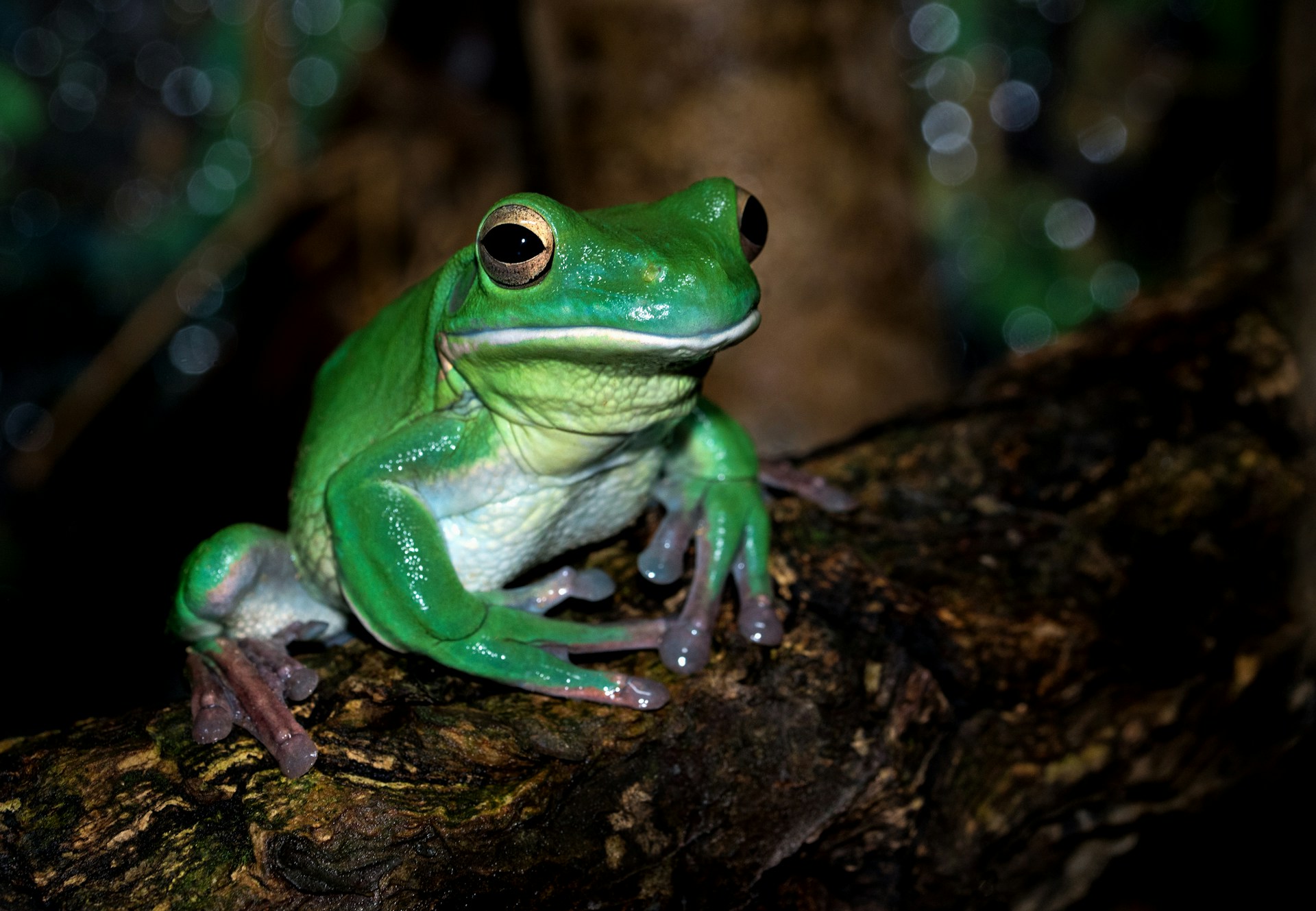
Near ponds, creeks and even backyard birdbaths, tree frogs add their voices on warm nights, especially after rain. Male frogs call to attract mates, and different species sound very different. Some sound like a honk or a bell, others like a musical trill. Hearing a chorus swell after a summer storm is one of the season’s small wonders.
A simple listening practice
- Sit outside after dark, or by an open window, with the lights off or low.
- Close your eyes and take a few slow breaths.
- Listen first to the whole wash of sound without trying to name anything.
- Then pick out one voice, the loudest, the closest or the steadiest, and follow it for a minute.
- Move to another layer, and another, noticing how they overlap.
- When your thoughts drift, return to whichever sound is nearest.
Ten minutes is enough to feel the evening settle around you. Some people find the summer chorus through an open window a pleasant backdrop for falling asleep, while others prefer a fan on the loudest nights. Either way, it is worth stepping outside at least once this month simply to listen. The singers have been waiting all year.