
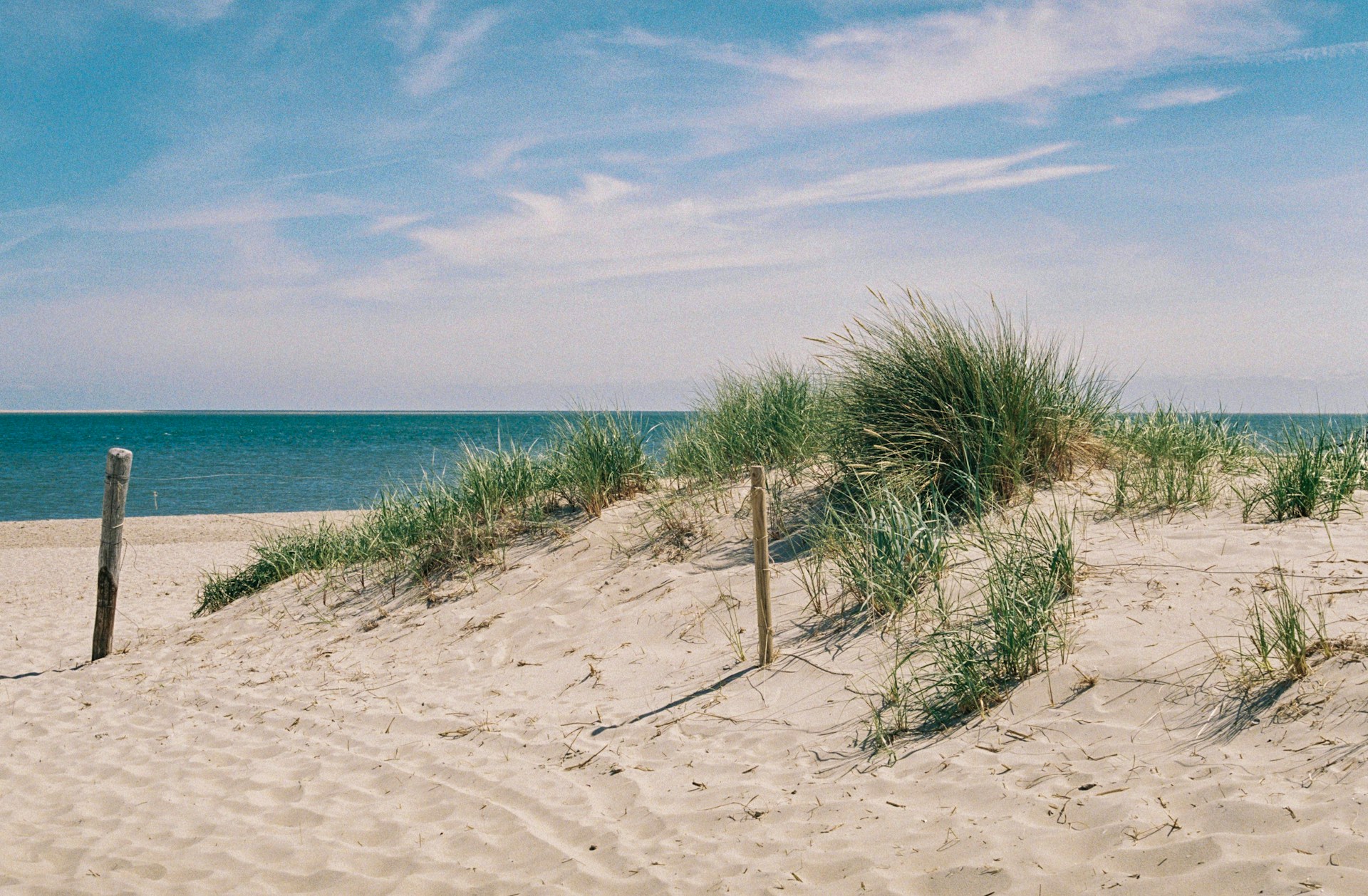
For many families in Middle Georgia, summer means at least one trip to the coast. Georgia’s shoreline is short, roughly a hundred miles as the crow flies, but it is lined with barrier islands, salt marshes and wide, gently sloping beaches: Tybee Island near Savannah, the Golden Isles around Brunswick and the wild beaches of Cumberland Island National Seashore. A day there can be deeply restful with a little preparation.
Sun care at the shore
The beach asks more of your sun care than almost anywhere else. Sand and water reflect sunlight back toward you, and the ocean breeze can hide how strong the sun really is.
- Apply a broad-spectrum, water-resistant sunscreen before you leave the car, and reapply as the label directs, including after swimming and toweling off.
- Bring your own shade. A beach umbrella or a small tent makes long days far more comfortable.
- Wear a wide-brimmed hat and sunglasses when you are out of the water.
- Plan your longest stretch on the sand for the morning or late afternoon.
- Pack more water than you think you need, and keep it in a cooler.
Salt, sand and skin
Salt water and wind can leave skin feeling tight and hair feeling stiff. Rinse off with fresh water as soon as you can after swimming, then apply a light moisturizer once you are dry. A sprinkle of cornstarch on sandy skin helps the sand brush off easily before you get back in the car. If you use citrus-scented body oils or perfumes, leave them at home for a beach day, since some citrus oils can make skin more sensitive to sunlight.
Ocean safety
Swim near a lifeguard when one is on duty, and pay attention to warning flags and posted signs. The National Weather Service publishes surf forecasts that include rip current risk at weather.gov. If you are ever caught in a rip current, do not fight it by swimming straight back to shore. Stay calm, float or swim parallel to the beach until you are out of the current, then wave and call for help if you need it. Keep children within arm’s reach in the water at all times.
Sharing the sand with sea turtles
From late spring through summer, loggerhead sea turtles come ashore at night to nest on Georgia’s beaches, and hatchlings keep emerging into early fall. Hatchlings find the ocean by heading toward the brightest horizon, which on a natural beach is the open water. Artificial light can lead them the wrong way. Loggerheads are a protected species, and a few simple habits help:
- Fill in holes and knock down sandcastles before you leave, since they can trap hatchlings.
- Take chairs, umbrellas and toys off the beach at the end of the day.
- Keep flashlights and phone lights off the beach at night.
- Give marked nests and any turtles you see plenty of room, and never touch them.
Then settle in. Walk the tide line, collect a few shells, listen to the waves and let the long horizon do its work. Georgia’s tides are notably large, so the beach at low tide can look completely different from the beach at high tide. Watching it change is one of the quiet pleasures of a day by the sea.