Tag: myth vs fact

  • Fans, Parked Cars and the Hottest Hour: Summer Cooling Myths and Facts

    Fans, Parked Cars and the Hottest Hour: Summer Cooling Myths and Facts

    Southerners have been finding ways to beat the heat for a very long time, and a good deal of folk wisdom has gathered along the way. Some of it is sound. Some of it is not. Here are six common summer beliefs, gently checked against what is actually known.

    At home

    Myth: A fan cools the room. Fans do not lower the temperature of the air. They create a breeze that helps sweat evaporate from your skin, which makes you feel cooler. That means a fan running in an empty room is cooling no one. The U.S. Department of Energy suggests turning fans off when you leave a room.

    Myth: Ceiling fan direction does not matter. It does. In summer, a ceiling fan should spin counterclockwise when you look up at it, pushing air down toward you for a cooling breeze. Most fans have a small switch on the motor housing to change direction, and many people reverse it for winter.

    Myth: Setting the thermostat very low cools the house faster. Most home air conditioners cool at the same rate no matter how low you set them. A much lower setting simply makes the system run longer and use more energy, and the house may end up colder than you wanted. Choose the temperature you actually want and give the system time to reach it.

    On the road

    Myth: Cracking the windows keeps a parked car safe. A closed car heats up very quickly in the sun, even on a day that feels only warm, and cracking the windows does little to slow it. Never leave a child, an older adult or a pet in a parked car, not even for a quick errand. It is also wise to check the back seat every time you leave the car, and to keep cars locked so children cannot climb in on their own.

    Outdoors

    Myth: Noon is the hottest part of the day. It depends on what you mean by hot. The sun’s ultraviolet light is strongest around the middle of the day, when the sun is highest. Air temperature, though, usually keeps climbing into mid to late afternoon, because the ground and pavement go on absorbing heat for hours. For outdoor plans in summer, the most comfortable hours are early morning and evening.

    Myth: If it is not raining, lightning is not a danger. Lightning can strike miles away from the rain. The National Weather Service advises that if you can hear thunder, you are close enough to be struck, and recommends going indoors and waiting until thirty minutes after the last thunder before heading back out. On summer afternoons in Georgia, when storms build quickly, that is worth remembering at the pool, the ballfield and the lake.

    The common thread

    Most of these myths grow from good instincts: wanting to cool off quickly, trusting the breeze, making a quick stop. The facts simply refine them. Use fans for people, not rooms. Let the thermostat do its work. Think of a parked car as dangerous, always. Plan around both the midday sun and the afternoon heat, and respect the thunder. A Georgia summer is easier to enjoy when the habits we lean on are ones that truly work.

  • Himalayan Salt Lamps: What They Are and What They Are Not

    Himalayan Salt Lamps: What They Are and What They Are Not

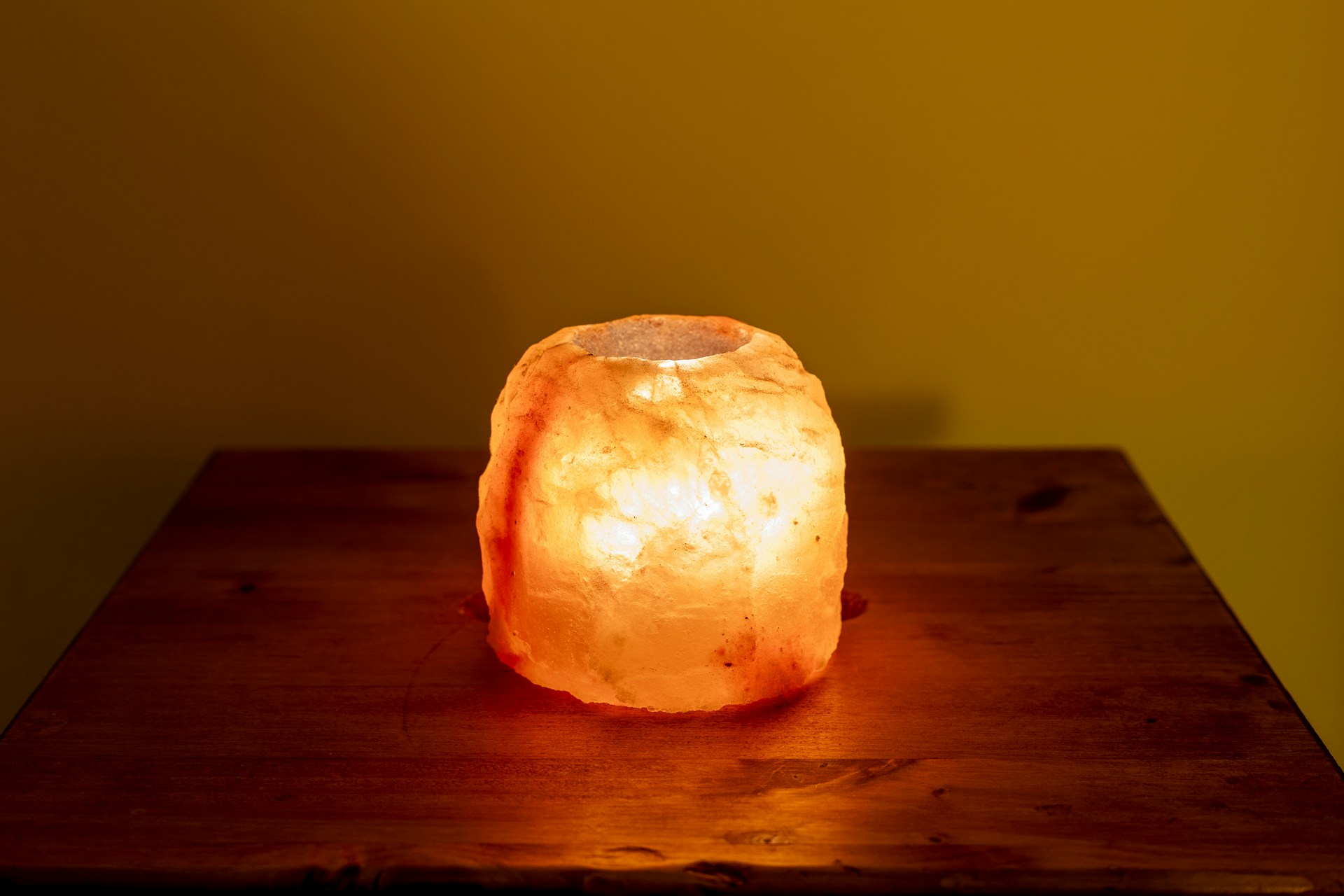
    Himalayan salt lamps have become a fixture of bedrooms, yoga studios and gift shops. A rough chunk of pink salt with a bulb inside gives off a warm orange glow that many people find soothing. They are also sold with a long list of promised benefits, most of which do not stand up to scrutiny. Here is an honest look at what a salt lamp is, what it is not, and how to enjoy one for what it genuinely offers.

    Where the Salt Comes From

    Despite the name, most of the salt in these lamps does not come from the high Himalayas. It is mined in the Khewra region of Punjab, Pakistan, in the foothills, from one of the largest and oldest salt mines in the world. The deposits formed from an ancient sea hundreds of millions of years ago, and the pink and orange color comes from trace minerals, mostly iron, in the salt.

    A lamp is simply a block of this salt hollowed out to hold a small bulb, mounted on a wooden base. The bulb warms the salt slightly and lights it from within.

    The Claims

    Salt lamps are often said to release negative ions, purify the air, improve sleep, ease breathing and lift mood. We will be direct: there is no good evidence for any of these. The amount of ionization produced by a gently warmed block of salt is negligible, far too small to affect the air in a room. Independent testing has not found meaningful air-cleaning effects. If you have concerns about air quality, sleep or breathing, those are questions for your doctor, not for a lamp.

    This does not mean salt lamps are a scam. It means they are decor. Many of the things we love in our homes, from candles to wind chimes to a vase of flowers, make no health claims at all and are valued simply for how they make a space feel.

    What They Actually Offer

    The genuine appeal of a salt lamp is its light. The glow is warm, dim and amber, sitting at the opposite end of the spectrum from the cool blue light of screens. In the evening, replacing bright overhead lighting with low, warm sources is widely suggested as part of a calm wind-down, and a salt lamp is a pleasant way to do that.

    The lamps are also simply attractive objects, each one different, with a rough texture that catches light in interesting ways. As a nightlight in a hallway or a soft glow on a bedside table, they do their job well.

    Practical Notes

    • Salt attracts moisture. In humid Georgia air, a lamp that is switched off for long periods may begin to sweat and leave a puddle or a white crust on the surface beneath it. Running the bulb regularly keeps it dry, and a dish or coaster under the base protects furniture.
    • Buy from a reputable seller and look for a safety certification on the cord and dimmer. Some inexpensive lamps have been recalled in the past for electrical hazards.
    • Keep lamps out of reach of pets. Cats and dogs may lick the salt, and too much salt is harmful to animals. Ask your veterinarian if you have concerns.
    • Use the bulb wattage specified by the maker, and unplug the lamp when you leave for several days.

    Enjoying One Honestly

    If you own a salt lamp, or want one, there is no reason to feel foolish. Turn it on in the evening, let it be the only light in the room for a while, and enjoy the glow for exactly what it is: a warm, pretty light that makes a bedroom feel softer. That is a real pleasure, and it does not need a list of invented benefits to justify it.

  • The Word ‘Detox’: What It Means, What It Does Not, and Gentler Spring Alternatives

    The Word ‘Detox’: What It Means, What It Does Not, and Gentler Spring Alternatives

    Every spring the word detox blooms along with the azaleas. Juices, teas, foot pads, body wraps and week-long plans all promise to flush out toxins and leave you renewed. The impulse behind the trend is a good one: spring really is a natural time to lighten up and start fresh. The word itself, though, is doing a lot of work it cannot support. Here is a plain look at what detox means, what it does not, and some gentler ways to answer the urge behind it. This is general information, not medical advice; talk with your doctor before changing your diet or starting any program.

    The Medical Meaning

    In medicine, detoxification has a specific meaning. It refers to the supervised treatment of poisoning or of withdrawal from alcohol or drugs, carried out in a hospital or clinic. It is a serious process for serious situations. The everyday use of the word, applied to a smoothie or a bath salt, borrows the authority of that meaning without any of the substance.

    What the Body Already Does

    Your body has an elaborate, continuous system for processing and removing waste and unwanted substances. The liver breaks down compounds so they can be excreted; the kidneys filter the blood; the lungs, skin and digestive system all play their parts. This system runs all day, every day, whether or not you drink a particular juice. When it is not working, the result is a medical emergency, not a feeling of sluggishness that a cleanse can fix.

    Products that claim to detox rarely say which toxins they remove, how, or how anyone would measure it. That vagueness is a reliable sign that the claim is marketing rather than information.

    Why the Idea Is So Appealing

    None of this means the people buying detox products are foolish. The appeal is understandable. After a winter of heavy food, less daylight and more time indoors, many people feel dull and want a clear turning point. A detox program offers a ritual, a beginning and an end, and a sense of taking control. Those are real needs. The question is whether there are ways to meet them that are honest and kind to your body.

    Gentler Spring Alternatives

    If what you want is to feel lighter and fresher, these ordinary habits tend to deliver that feeling without the promises:

    • Eat more vegetables and fruit, which are abundant and cheap in spring. A plate with more green on it is a reasonable goal.
    • Drink water through the day. Add cucumber, mint or citrus if plain water bores you.
    • Go to bed a little earlier for a week and notice the difference.
    • Walk outside every day, ideally in the morning light.
    • Cut back gradually on whatever you have been leaning on too heavily, whether that is sugar, alcohol or late-night scrolling.
    • Cook a few simple meals from scratch and eat them sitting down.

    None of these removes toxins. They do tend to help people feel better, and they do not require buying anything. If you have specific health questions, your doctor or a registered dietitian is the right person to ask.

    A Ritual Without the Claims

    If the ritual is what you are after, build one. Choose a week in April, clear the calendar of what you can, and plan simple meals, early nights, daily walks and an unhurried evening or two of self-care: a bath, a face mask, a facial steam with a sprig of rosemary, a slow cup of tea. Call it a spring reset rather than a detox. It will feel every bit as fresh, and you will not have to believe anything that is not true to enjoy it.

  • Eight Common Sleep Myths, Gently Corrected

    Eight Common Sleep Myths, Gently Corrected

    Sleep is one of those subjects where everyone has advice, and much of it is wrong. Old sayings, half-remembered articles and the habits of busy people combine into a body of folk wisdom that does not hold up well. Here are eight common beliefs about sleep and what is generally understood instead. This is general information drawn from widely shared sleep guidance, not medical advice. If you have ongoing trouble sleeping, snore heavily or feel exhausted despite enough hours in bed, talk with your doctor.

    Myths About How Much

    Myth: Everyone needs exactly eight hours. The eight-hour figure is a convenient average, not a rule. Most adults fall into a range of roughly seven to nine hours, and the right amount for you is the one that leaves you alert through the day without relying on caffeine. Some people genuinely need a little more or a little less.

    Myth: Older adults need much less sleep. Sleep patterns do change with age. Older adults often wake earlier and sleep more lightly, but the total need does not drop as sharply as people assume. Feeling constantly tired is not a normal part of getting older and is worth mentioning to a doctor.

    Myth: You can catch up on the weekend. Sleeping in on Saturday feels wonderful, and it does repay a little of the week’s debt. But swinging between short weeknights and long weekend mornings tends to confuse your internal clock, which can make Monday harder. A steadier schedule across the whole week is generally more restful than a weekly binge.

    Myths About Falling Asleep

    Myth: A drink before bed helps you sleep. Alcohol can make you drowsy, so it seems to help. It also tends to fragment sleep later in the night and leave you waking early. Many people who cut out a nightly drink are surprised at how much more rested they feel.

    Myth: If you cannot sleep, stay in bed and try harder. Lying awake watching the clock teaches your mind that bed is a place for frustration. Many sleep guides suggest the opposite: if you have been awake for what feels like twenty minutes or more, get up, sit somewhere dim and do something quiet until you feel sleepy, then return.

    Myth: Falling asleep instantly means you are a great sleeper. Dropping off the moment your head hits the pillow often means you are very short on sleep. Taking ten to twenty minutes to drift off is more typical for someone who is well rested.

    Myths About the Bedroom

    Myth: The television helps you fall asleep. Background noise and flickering light are stimulating even when they feel soothing. Falling asleep to the TV usually means lighter sleep and more wakings when the program changes or the volume shifts. Soft audio with the screen off is a gentler alternative if silence feels too stark.

    Myth: A warm bedroom is cozier for sleep. Most people sleep better in a room that is slightly cool. Body temperature drops as you fall asleep, and a cool room supports that. A warm bath before bed can help, because the drop in temperature afterward mimics the natural signal for sleep.

    What Generally Helps

    • Keep a steady wake time, including weekends, as much as you can.
    • Get bright light in the morning and dim light in the evening.
    • Finish caffeine by early afternoon.
    • Build a short, repeatable wind-down routine.
    • Keep the bedroom dark, quiet and cool.

    None of this is complicated, which is part of why it gets ignored. The myths persist because they are convenient. The truths are simpler and, for most people, kinder.