
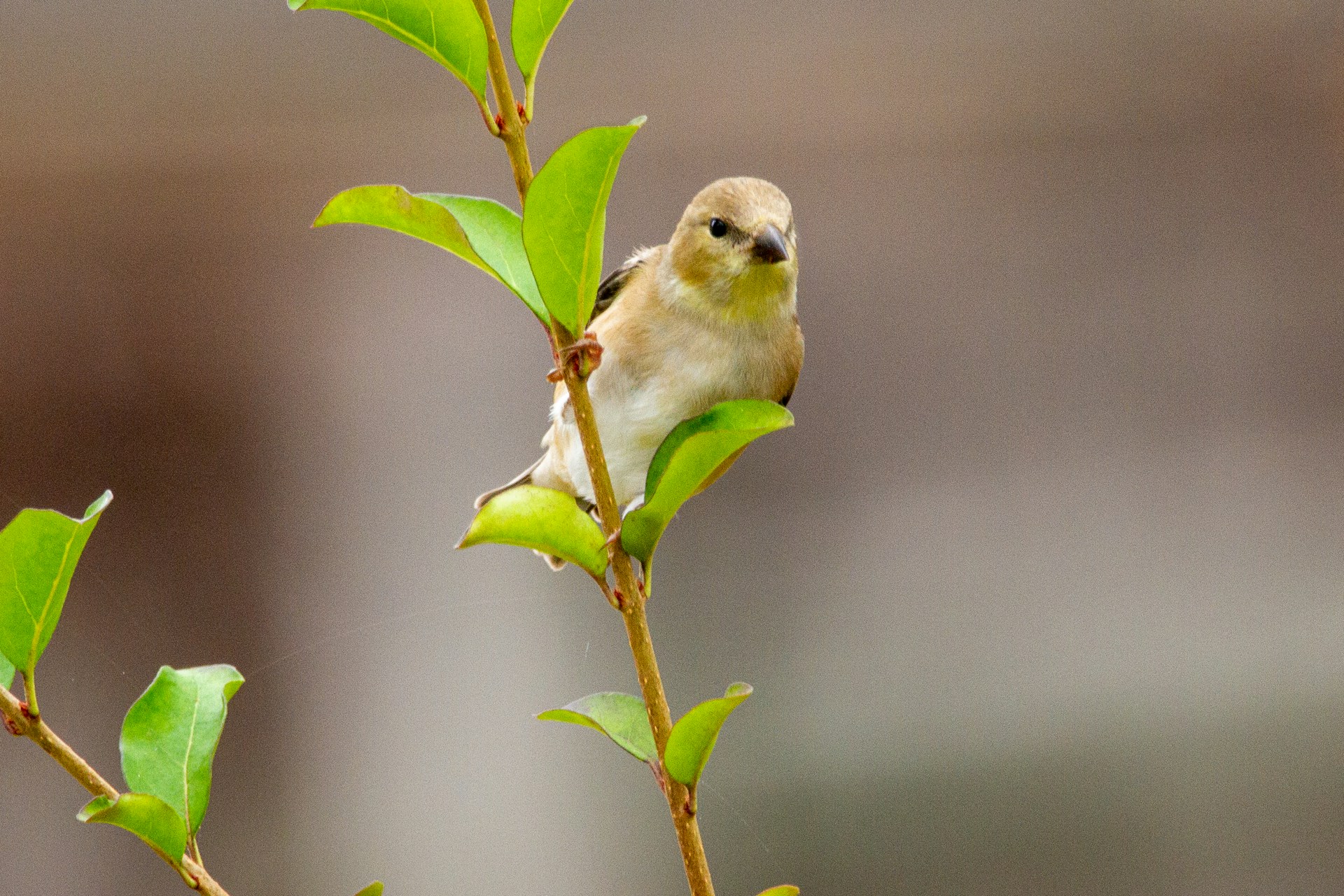
In spring, the first light brings a sound that is easy to sleep through and remarkable to hear: the dawn chorus. Across Middle Georgia, cardinals, wrens, mockingbirds, thrashers and dozens of other species begin singing in the half hour before sunrise, building to a peak as the sky brightens and then tapering off as the day gets underway. Listening to it on purpose is one of the simplest mindfulness practices there is, and it is free every morning from now through early summer.
Why Birds Sing at Dawn
Birdsong in spring is mostly about territory and courtship. Males sing to claim a patch and to attract a mate, and dawn is a good time to do it. The air is still, so sound carries well. It is too dim to forage efficiently, so there is little else to do. And a bird that sings strongly after a long night signals that it is in good condition. The chorus is loudest from late March through May, which is nesting season for most of our local birds, and it fades as summer heat settles in.
Who You Are Hearing
You do not need to identify birds to enjoy the chorus, but a few voices are easy to learn:
- The Northern cardinal, with clear, whistled phrases that often sound like cheer, cheer, cheer.
- The Carolina wren, tiny but astonishingly loud, with a rolling three-part phrase repeated over and over.
- The Northern mockingbird, which strings together imitations of other birds and repeats each one several times.
- The brown thrasher, Georgia’s state bird, which also imitates but typically repeats each phrase twice.
- The mourning dove, with its soft, low cooing that many people mistake for an owl.
Free smartphone apps can identify songs from a short recording, and they make a pleasant companion for the first few mornings.
A Simple Listening Practice
Set an alarm for about half an hour before sunrise. Make a warm drink and step outside, or open a window and sit beside it. Then simply listen for ten minutes.
- Start by noticing how many different voices you can hear.
- Pick one and follow it for a while. Notice its rhythm and where it seems to be coming from.
- Let your attention widen again to the whole sound, near and far.
- Notice how the chorus changes as the light grows.
- When your mind wanders to the day ahead, gently bring it back to the sound.
That is the whole practice. There is nothing to achieve and no way to do it wrong.
Why It Feels Good
We make no claims about health. But there is something quietly steadying about beginning the day with attention turned outward, before screens and schedules take over. The chorus connects you to the season, to the place where you live and to a rhythm older than any calendar. Many people find that a day started this way feels a little more spacious.
Making It Easier
You do not have to do this every day. Once or twice a week is plenty. If you are not a morning person, the evening chorus at dusk is a quieter but still lovely alternative. A porch chair, a blanket and a thermos make the habit more inviting. And if you oversleep, the birds will be back tomorrow.