
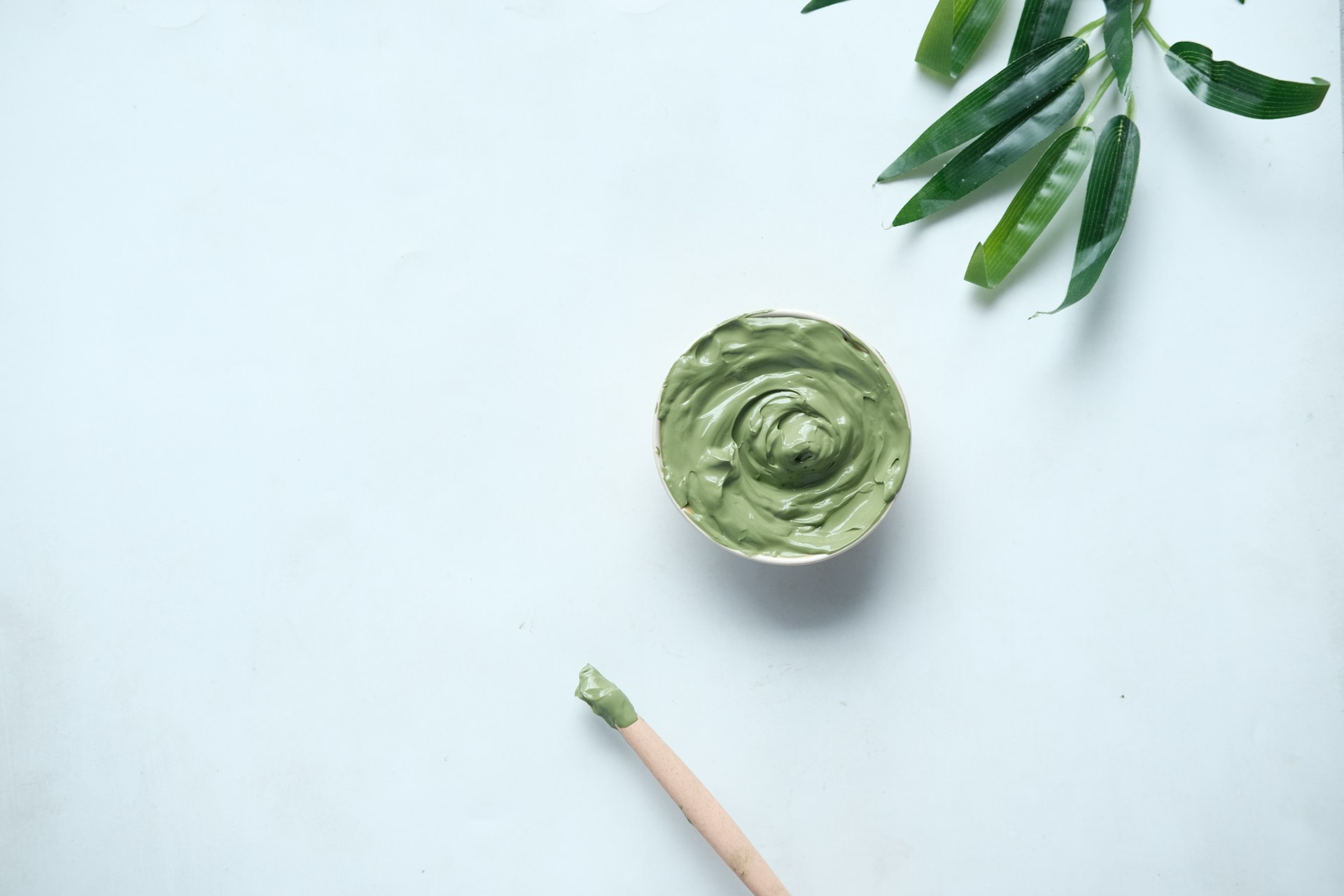
Face masks have become one of the most popular corners of skincare. There are clay masks, sheet masks, cream masks, gel masks, peel-off masks and overnight masks, each promising something slightly different. It can be hard to know which, if any, belongs in your routine. The good news is that masks are optional extras, and the main differences between them come down to texture and how they feel. This is general skincare information; for a skin condition, see a dermatologist.
Clay and Mud Masks
Clay masks are made from mineral-rich earth such as kaolin or bentonite, mixed into a paste. They dry on the skin and absorb surface oil, which is why they are usually suggested for oily or combination skin. The sensation of a clay mask tightening is familiar to most people.
A common mistake is leaving a clay mask on until it cracks. Many estheticians suggest rinsing while the mask is still slightly damp, which keeps the experience from feeling harsh. Applying clay only to the T-zone and a cream mask on the cheeks is a popular approach for combination skin.
Sheet Masks
Sheet masks are thin fabric or hydrogel sheets soaked in a watery serum, cut to fit the face. They became popular through Korean beauty routines and are now sold everywhere. The sheet keeps the liquid against the skin for fifteen or twenty minutes, and the sensation is cool and refreshing. Most are built around humectants such as glycerin or hyaluronic acid, so skin usually feels soft and dewy afterward.
Sheet masks are single-use, which makes them convenient for travel and less tidy for the environment. Some brands offer reusable silicone covers to wear over a homemade compress instead.
Cream and Gel Masks
Cream masks are essentially thick moisturizers meant to be left on for a while and either rinsed off or massaged in. They tend to suit dry skin and feel comforting on a cool evening. Gel masks are lighter and cooler, often stored in the refrigerator for an extra refreshing feel. Both are gentle options for most skin types.
Peel-Off and Overnight Masks
Peel-off masks dry into a film that you pull away. Many people enjoy the satisfaction, but the peeling can tug at skin and fine hairs, and some formulas feel irritating. Use a light hand or skip them if your skin is sensitive. Overnight masks, sometimes called sleeping masks, are rich creams or gels applied as the last step before bed and washed off in the morning. They are the simplest kind: apply, sleep, rinse.
A Few Sensible Habits
- Patch test a new mask on your inner arm or jawline before covering your whole face.
- Apply to clean, dry skin, and keep the product away from your eyes.
- Follow the time on the label. Longer is not better.
- Once a week is plenty for most masks; some people use a hydrating mask more often and a clay mask less.
- Wash your hands before applying, and use a clean spatula or brush rather than fingers in a shared jar.
Do you need a mask at all? Honestly, no. A cleanser, moisturizer and sunscreen do the essential work. Masks are a pleasure: twenty minutes of lying still with something cool on your face is a reason in itself. Choose the texture that sounds most comfortable for your skin, make a cup of tea and treat the mask as a small ritual rather than a chore. If a product stings, burns or leaves your skin red, rinse it off and set it aside.