
Tag: home spa

  • Facial Steaming at Home: What It Is and How to Do It Gently

    Facial Steaming at Home: What It Is and How to Do It Gently

    Facial steaming is one of the oldest and simplest spa rituals, and it needs nothing more than a bowl of hot water and a towel. The warm, damp air feels soothing, softens the surface of the skin and makes the whole routine of cleansing feel more deliberate. Done gently, it is a pleasant addition to a self-care evening. Done carelessly, it can leave skin red and irritated, so a little know-how matters. This is general information; if you have rosacea, very sensitive skin, a skin condition or breathing concerns, ask your dermatologist or doctor before steaming.

    What Steam Actually Does

    Steam does not open pores, which have no muscles and cannot open or close. What warm, moist air does do is soften the outer layer of skin and loosen the oil and debris sitting on the surface, which can make cleansing feel more thorough. It also brings a flush of warmth to the face, which many people find relaxing. Think of it as a comfort ritual rather than a treatment.

    A Simple Method

    • Cleanse your face first so you are not steaming makeup into your skin.
    • Boil water and pour it into a heatproof bowl set on a stable table. Let it cool for a minute or two; it should be steaming, not boiling.
    • Sit comfortably and hold your face eight to twelve inches above the bowl. Closer is not better.
    • Drape a towel over your head and the bowl to trap the steam if you like, leaving a gap for fresh air.
    • Stay for five minutes or less. If your skin feels hot or uncomfortable, stop.
    • Pat your face with a soft towel, then apply moisturizer while skin is still damp.

    Once a week is plenty for most people. Daily steaming is more than most skin wants.

    Adding Scent

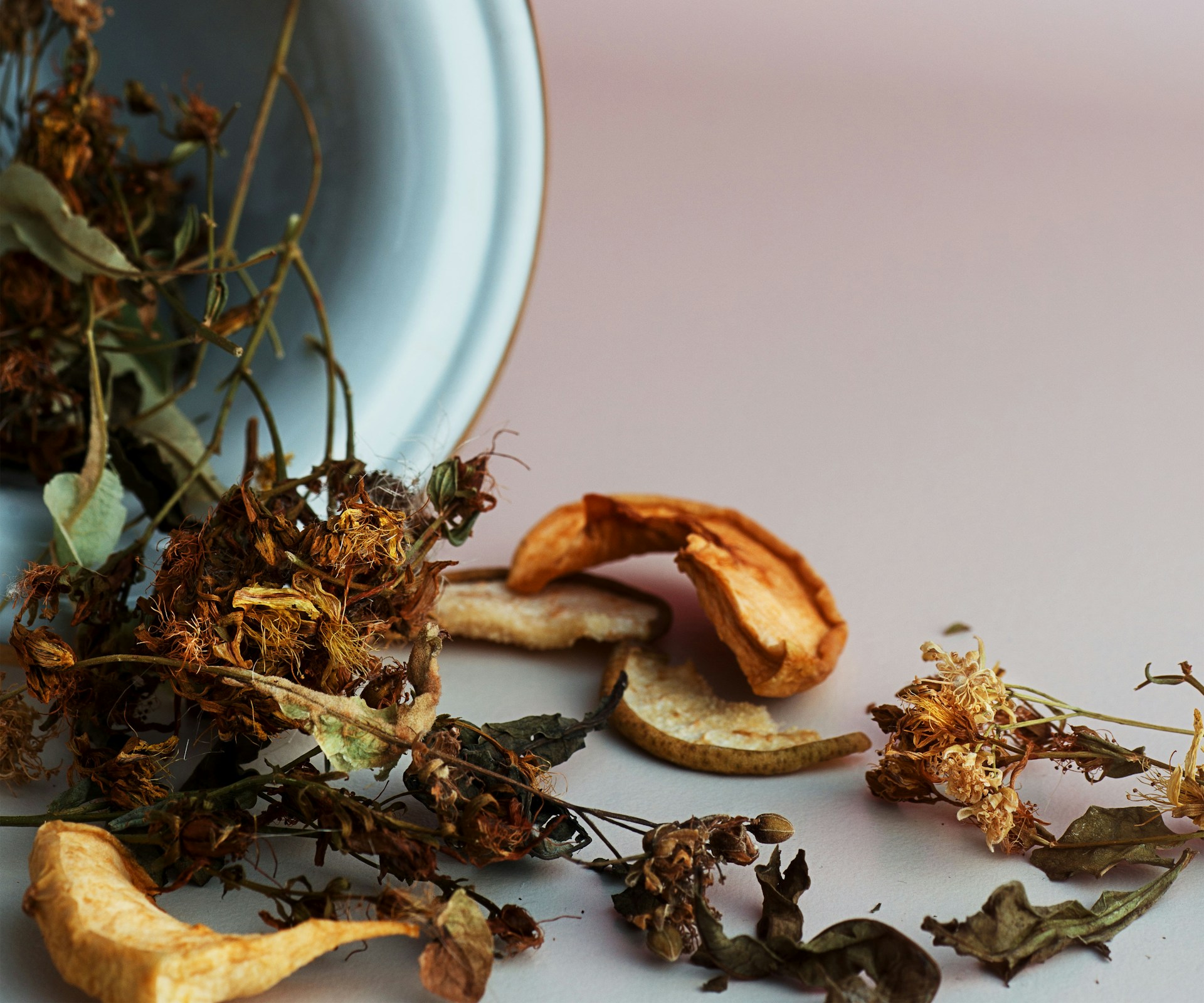
    A few fresh herbs in the bowl, such as a sprig of rosemary or a handful of mint, make steaming feel more like a ritual. Dried chamomile flowers or a green tea bag are other gentle options. If you want to use essential oils, be cautious: steam carries scent strongly, and a single drop in a large bowl is enough. Skip oils entirely if you are pregnant, have asthma or are sensitive to scent, and never use essential oils in a steam for young children.

    Who Should Skip It

    Steaming is not for everyone. People with rosacea or skin that flushes easily often find heat makes redness worse. Those with very dry or eczema-prone skin may feel tighter afterward. Anyone with a sunburn, recent facial procedures or broken skin should wait. If you are unsure, ask a dermatologist or esthetician.

    Countertop facial steamers produce a fine, steady mist and are easier to control than a bowl. If you use one, follow the manufacturer’s instructions on distance and duration, use distilled water if the maker recommends it, and clean the unit regularly so it does not grow mildew. Never add essential oils to a steamer unless the instructions say it is designed for them.

    Making It a Ritual

    Steaming works best as the center of a quiet half hour. Dim the lights, put on soft music and set out your cleanser, towel and moisturizer before you start. Breathe slowly while you sit over the bowl; the warm air invites long, easy breaths. When you finish, take your time with the rest of your routine. The point is less about your skin than about the pause itself, which is a rare and welcome thing in a busy week.
  • Sheet Masks, Clay Masks and Cream Masks: Choosing the Right Kind of Mask

    Sheet Masks, Clay Masks and Cream Masks: Choosing the Right Kind of Mask

    Face masks have become one of the most popular corners of skincare. There are clay masks, sheet masks, cream masks, gel masks, peel-off masks and overnight masks, each promising something slightly different. It can be hard to know which, if any, belongs in your routine. The good news is that masks are optional extras, and the main differences between them come down to texture and how they feel. This is general skincare information; for a skin condition, see a dermatologist.

    Clay and Mud Masks

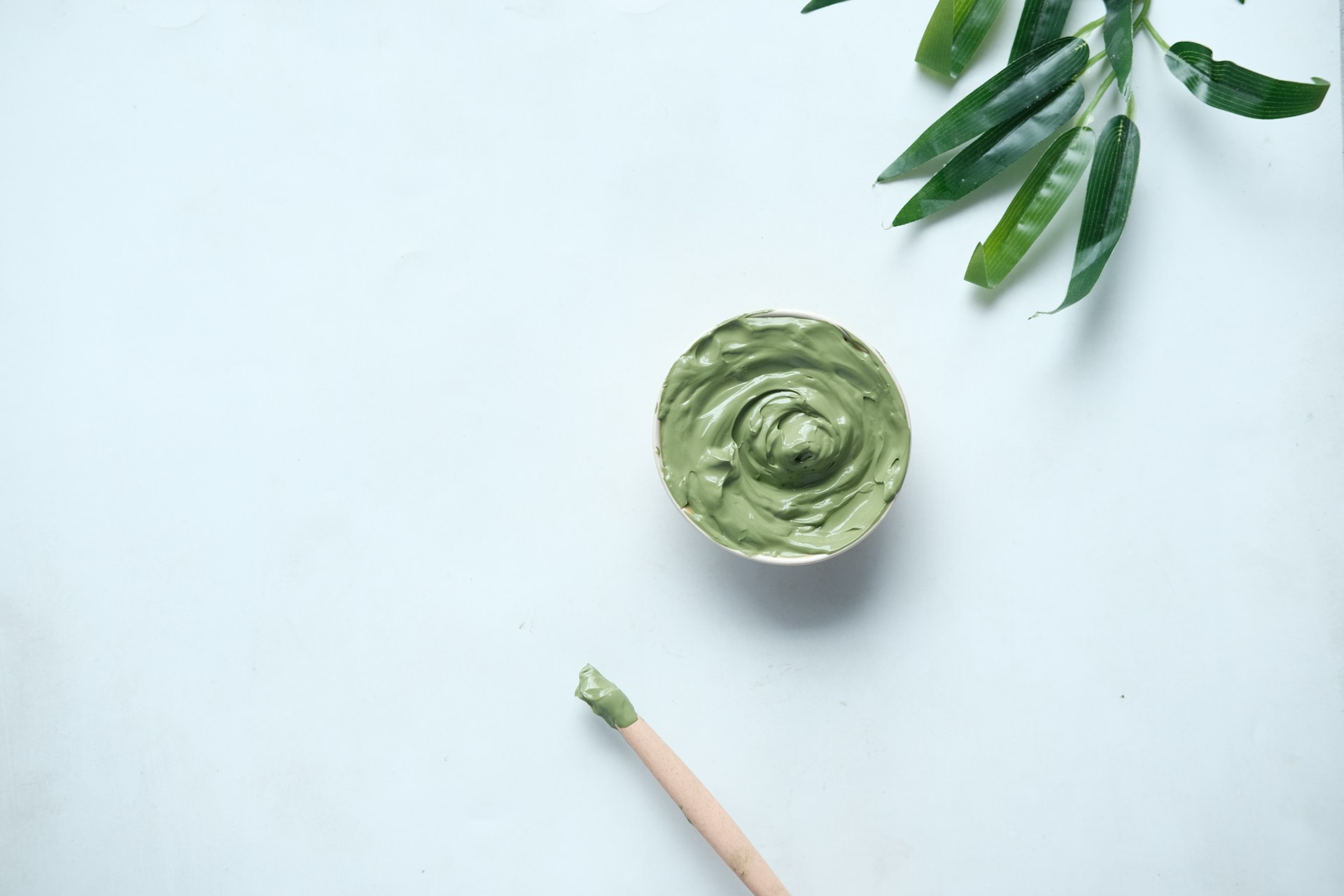
    Clay masks are made from mineral-rich earth such as kaolin or bentonite, mixed into a paste. They dry on the skin and absorb surface oil, which is why they are usually suggested for oily or combination skin. The sensation of a clay mask tightening is familiar to most people.

    A common mistake is leaving a clay mask on until it cracks. Many estheticians suggest rinsing while the mask is still slightly damp, which keeps the experience from feeling harsh. Applying clay only to the T-zone and a cream mask on the cheeks is a popular approach for combination skin.

    Sheet Masks

    Sheet masks are thin fabric or hydrogel sheets soaked in a watery serum, cut to fit the face. They became popular through Korean beauty routines and are now sold everywhere. The sheet keeps the liquid against the skin for fifteen or twenty minutes, and the sensation is cool and refreshing. Most are built around humectants such as glycerin or hyaluronic acid, so skin usually feels soft and dewy afterward.

    Sheet masks are single-use, which makes them convenient for travel and less tidy for the environment. Some brands offer reusable silicone covers to wear over a homemade compress instead.

    Cream and Gel Masks

    Cream masks are essentially thick moisturizers meant to be left on for a while and either rinsed off or massaged in. They tend to suit dry skin and feel comforting on a cool evening. Gel masks are lighter and cooler, often stored in the refrigerator for an extra refreshing feel. Both are gentle options for most skin types.

    Peel-Off and Overnight Masks

    Peel-off masks dry into a film that you pull away. Many people enjoy the satisfaction, but the peeling can tug at skin and fine hairs, and some formulas feel irritating. Use a light hand or skip them if your skin is sensitive. Overnight masks, sometimes called sleeping masks, are rich creams or gels applied as the last step before bed and washed off in the morning. They are the simplest kind: apply, sleep, rinse.

    A Few Sensible Habits

    • Patch test a new mask on your inner arm or jawline before covering your whole face.
    • Apply to clean, dry skin, and keep the product away from your eyes.
    • Follow the time on the label. Longer is not better.
    • Once a week is plenty for most masks; some people use a hydrating mask more often and a clay mask less.
    • Wash your hands before applying, and use a clean spatula or brush rather than fingers in a shared jar.

    Do you need a mask at all? Honestly, no. A cleanser, moisturizer and sunscreen do the essential work. Masks are a pleasure: twenty minutes of lying still with something cool on your face is a reason in itself. Choose the texture that sounds most comfortable for your skin, make a cup of tea and treat the mask as a small ritual rather than a chore. If a product stings, burns or leaves your skin red, rinse it off and set it aside.

  • Hosting a Galentine’s Spa Night at Home

    Hosting a Galentine’s Spa Night at Home

    Galentine’s Day, a celebration of friendship among women usually held on February 13, became popular after it appeared on the television comedy Parks and Recreation in 2010. Whether or not you celebrate it by that name, February is a great time to gather friends for a relaxing night in. A home spa night is simple to host and easy to adapt for any group.

    Set a Relaxed Tone

    The best spa nights feel calm and unhurried. When you invite friends, let them know the plan is to relax, so they can come in comfortable clothes. Ask everyone to bring a robe or cozy pajamas and slippers.

    Before guests arrive:

    • Tidy your living room or a space with comfortable seating.
    • Lay out clean towels, washcloths and headbands to keep hair off faces.
    • Dim the lights and use lamps or battery candles.
    • Put together a soft playlist.
    • Set out water, herbal tea and a few light snacks.

    Choose Simple, Safe Products

    You do not need a cabinet full of products. A few basics work well:

    • A gentle cleanser
    • Sheet masks or a mild clay mask
    • A rich moisturizer
    • Hand cream and foot lotion
    • Lip balm

    Because guests may have different skin types and sensitivities, it is a good idea to choose fragrance-free or gentle products and let everyone use their own if they prefer. Ask about allergies ahead of time, especially to nuts, since some oils and lotions contain nut ingredients. Avoid strong exfoliants, peels or anything new to a guest’s skin.

    A Note on Scent

    If you diffuse essential oils, keep it subtle, run the diffuser briefly and ventilate the room. Ask guests in advance, since some people are sensitive to scents, have breathing concerns or may be pregnant.

    Plan Some Activities

    A spa night is mostly about conversation and rest, but a few activities can add fun:

    • Warm footbaths in basins, with towels underneath
    • Painting nails or trading manicures
    • Taking turns giving gentle hand massages
    • Writing kind notes to each other
    • Watching a favorite comfort movie

    Let the evening flow naturally. Some guests may want to chat, while others may prefer to sit quietly under a mask.

    Keep Snacks Light and Fun

    Simple snacks fit the mood: a fruit platter, cheese and crackers, popcorn, dark chocolate or a few homemade cookies. Infused water with cucumber or citrus slices looks pretty and feels refreshing. Ask about food allergies or preferences when you send invitations.

    Celebrate Friendship

    The heart of the evening is connection. Before guests leave, consider going around the room and sharing something you appreciate about each person. It can feel a little sentimental, but it often becomes the most memorable part of the night.

    A Galentine’s spa night is less about pampering than about making time for friends. In a busy world, an evening of laughter, rest and care together is something worth celebrating.

  • How to Create a Home Spa Night on a Cold Winter Evening

    How to Create a Home Spa Night on a Cold Winter Evening

    A cold January evening is the perfect excuse to stay in and take care of yourself. A home spa night does not require special equipment or expensive products. It is mostly about atmosphere, intention and a little time set aside just for you.

    Set the Scene

    Start by preparing your space. A calm environment helps you shift out of the busy mode of the day.

    • Tidy the bathroom or the room you plan to use.
    • Lower the lights and use a lamp, a nightlight or battery candles.
    • Put on soft music or simple nature sounds.
    • Lay out a clean towel, a robe and slippers.
    • Put your phone on silent and leave it in another room.

    If you enjoy scent, a diffuser with a few drops of a favorite essential oil can add to the mood. Run it for a short time in a ventilated room, and be mindful of pets and family members.

    Begin With Warmth

    Warmth is a big part of the spa feeling. A warm shower or bath is a natural starting point. Keep the water comfortably warm rather than very hot, which can dry out skin in winter. If you prefer not to bathe, a warm footbath in a basin can be just as relaxing.

    Make a warm, caffeine-free drink, such as an herbal tea, to sip as you go.

    Treat Your Skin Gently

    Choose one or two simple skincare steps:

    • Cleanse your face with a gentle cleanser.
    • Apply a mask you already own, or simply lay a warm, damp washcloth over your face for a minute.
    • Smooth on a rich moisturizer while skin is still slightly damp.
    • Massage cream into your hands, elbows and feet.

    Avoid trying several new products at once, especially on your face. If you want to try something new, patch test it first.

    A Simple Self-Massage

    Massage can be one of the most relaxing parts of the evening. Using a little lotion or a carrier oil, gently massage your hands, working from the palm out to each finger. Then try your feet, using your thumbs to make slow circles along the sole. Use light pressure and stop if anything feels uncomfortable.

    Rest and Unwind

    After your skincare, wrap yourself in a blanket and spend a few minutes doing something quiet. You might read, journal, listen to music, or simply lie still and breathe. This is not the time to catch up on email or scroll the news. Let yourself do nothing for a while.

    Make It a Ritual

    A home spa night is even more relaxing when it becomes a regular part of your week or month. Pick a night that tends to be quiet, put it on your calendar and protect it. Over time, simply lighting the same lamp or pouring the same tea may begin to feel like a signal to slow down.

    Some evenings you may want an elaborate routine. Other times, a warm shower and a good book are enough. Either way, the goal is simply to give yourself an unhurried evening of rest.