Tag: aromatherapy history

  • Basil, the Royal Herb: Its Long History and Simple Ways to Enjoy It in the Heat

    Basil, the Royal Herb: Its Long History and Simple Ways to Enjoy It in the Heat

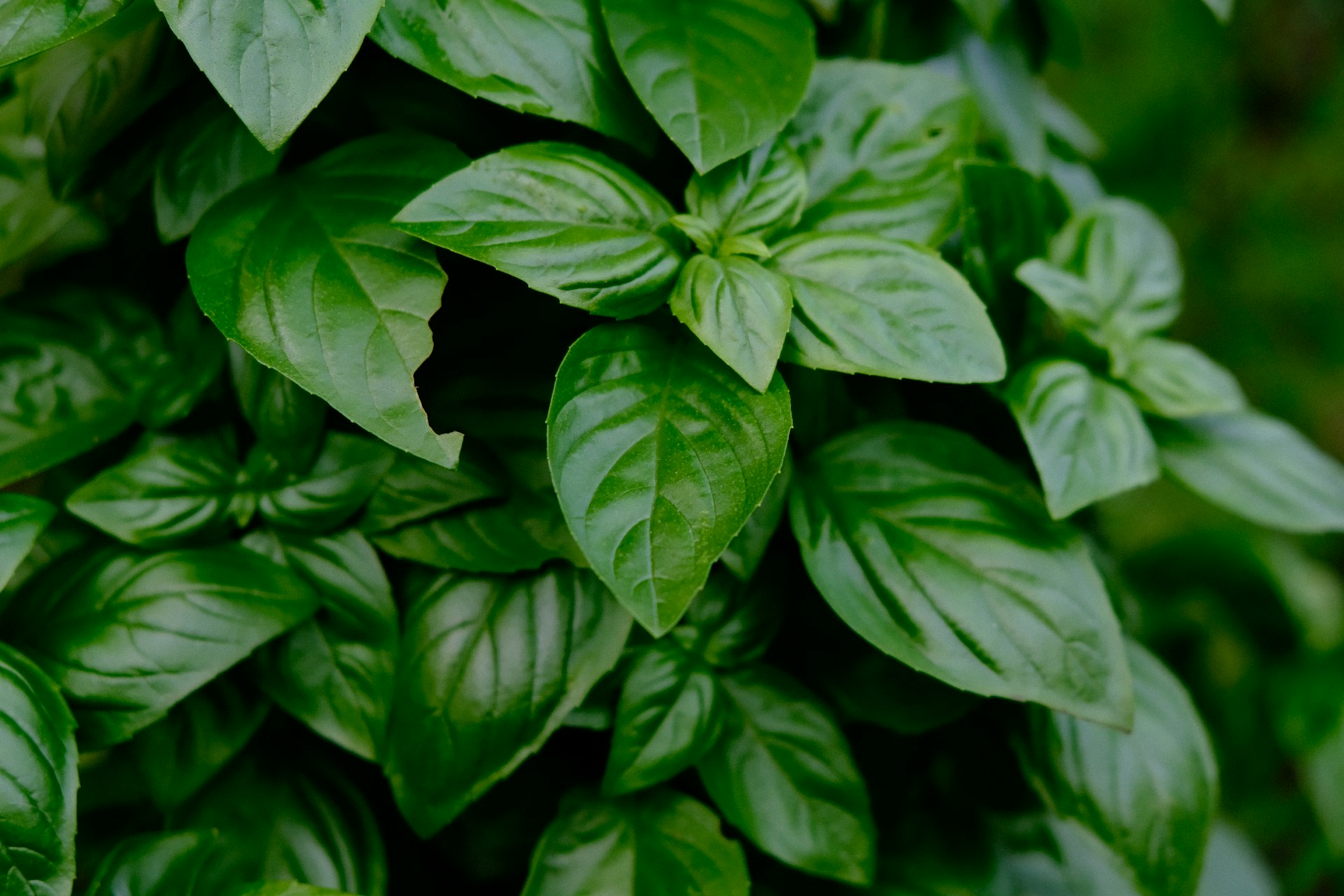
    When much of a Georgia garden starts to droop in late June, basil is just getting going. It loves heat, sun and long days, and a single healthy plant can produce more leaves than one household can easily use. Brush against it and your hands carry its sweet, peppery, faintly clove-like scent for an hour. Few herbs say summer so clearly.

    A herb with a royal name

    The name basil comes from the Greek basilikon, meaning royal, and the herb has long been held in something like reverence. Sweet basil, the kind most of us grow, is thought to have originated in tropical Asia and spread west over many centuries to the Mediterranean, where it became inseparable from the cooking of Italy and southern France. Pesto, the famous basil sauce, comes from Genoa and the surrounding region of Liguria.

    Basil has a place in literature, too. In a story from Boccaccio’s Decameron, later retold in John Keats’s poem Isabella, or the Pot of Basil, a grieving young woman keeps a pot of basil that she waters with her tears. It is a melancholy tale, but it shows how closely the herb was woven into everyday life and imagination.

    A sacred cousin

    Holy basil, known in India as tulsi, is a related species with a sweeter, spicier, more clove-like scent. In Hindu tradition it is considered sacred, and many households keep a tulsi plant in a special container in a courtyard or by the door, where it is cared for each day. If you grow holy basil, you may notice how different its fragrance is from the familiar Italian kind.

    Growing basil in a Georgia summer

    • Plant after nights stay warm. Basil dislikes cold and can be damaged by temperatures below about fifty degrees.
    • Give it full sun and steady water, especially in pots, which dry out quickly in July.
    • Harvest from the top, cutting just above a pair of leaves. The plant will branch and grow bushier.
    • Pinch off flower buds as they appear to keep the plant producing tender leaves longer.
    • Keep cut basil in a glass of water on the counter, like a bouquet, rather than in the refrigerator, where the leaves tend to darken.

    Simple ways to enjoy it

    Tear a few leaves over sliced tomatoes with a little salt and olive oil. Drop a sprig into a pitcher of cold water with lemon slices. Set a small vase of basil stems on the kitchen windowsill, where the scent drifts with each breeze. Or just pause in the garden, rub a leaf between your fingers and take a slow breath.

    Basil essential oil appears in some blends, but it is strong and should always be well diluted. Keep it away from children and pets, and talk with your doctor before using it during pregnancy or if you have a health concern. For most of us, the living plant is the better pleasure: green, generous and at its best in exactly the heat we would otherwise complain about.

  • Vetiver: The Earthy Root That Cooled and Scented India’s Summers

    Vetiver: The Earthy Root That Cooled and Scented India’s Summers

    Most fragrant plants give us their scent through flowers or leaves. Vetiver is different. Its treasure is underground, in a dense mass of fine roots that smell earthy, woody and faintly smoky, like damp soil after rain. For centuries that scent has been tied to summer in South Asia, and the story of how it was used is one of the most charming chapters in the history of keeping cool.

    A grass with deep roots

    Vetiver is a tall, clumping grass native to India. Above ground it looks like a large ornamental grass. Below ground, its roots grow straight down to remarkable depths, forming a fibrous curtain that holds soil in place. That trait has made vetiver valuable far beyond perfumery. It has been planted in many tropical countries to stabilize hillsides and slow soil erosion, and international development programs promoted it for that purpose in the late twentieth century.

    Khus: the summer screens of northern India

    In Hindi and Urdu, vetiver is known as khus. Before electric cooling, households in the hot plains of northern India wove the dried roots into thick mats, often called khus tattis, and hung them in doorways and windows during the hottest months. The mats were sprinkled or soaked with water. As hot, dry wind passed through, evaporation cooled the air, and the roots released their fragrance into the room.

    The result was a breeze that was both cooler and scented, a natural version of what we now do with fans and diffusers. Khus also found its way into summer refreshments, including a bright green khus syrup mixed with cold water or milk. For many people, the scent simply became the smell of a summer afternoon.

    From the root to the perfume bottle

    Vetiver essential oil is distilled from the roots, and it is one of the thickest, darkest and slowest-evaporating oils in perfumery. It is valued as a base note, the part of a fragrance that lingers longest, and it appears in many classic colognes and perfumes. Today much of the world’s vetiver oil comes from Haiti, along with Indonesia, India and the island of Réunion, each with its own character.

    Because the roots must be dug up to be distilled, it is worth buying vetiver from suppliers who are open about where and how it is grown.

    Enjoying vetiver in a Georgia summer

    Vetiver’s earthiness pairs beautifully with brighter scents. A drop blended with lime or grapefruit, or with lavender, gives a summer blend depth without heaviness. Its thickness can make it tricky in some diffusers, so many people enjoy it on a passive diffuser, such as a terracotta disc or a cotton pad, or well diluted in a body oil for the evening.

    As with any essential oil, dilute carefully, try a small patch first and stop if you notice irritation. Keep oils away from children and pets, and talk with your doctor before using them if you are pregnant or have a health concern.

    You do not need to hang a woven mat in the doorway to borrow the idea. A cool shower in the evening, windows opened to the night air and a faint, earthy scent in the room can feel like a small echo of those old summer screens and the art of making the heat a little more graceful.

  • Lemongrass and Citronella: The Grassy Cousins Behind Familiar Summer Scents

    Lemongrass and Citronella: The Grassy Cousins Behind Familiar Summer Scents

    Few scents say summer evening on the patio quite like citronella. Few say summer kitchen quite like lemongrass. The two smell related because they are: both come from tall tropical grasses in the genus Cymbopogon, close cousins that have traveled the world from South and Southeast Asia.

    Lemongrass in the kitchen and the garden

    Lemongrass, Cymbopogon citratus, is the one you find in the produce aisle, with its pale, firm stalks and long, blade-like leaves. It is central to Thai, Vietnamese and many other Southeast Asian cuisines, where the bruised stalks perfume soups, curries and marinades. Its bright lemony scent comes largely from a compound called citral, which is also found in lemon peel.

    Lemongrass grows beautifully in a Georgia summer. Plant a few market stalks that still have roots attached, or buy a small plant, and set it in a large pot in full sun. By August it can form a fountain of leaves several feet tall. It is a tropical plant, though, and Middle Georgia winters can be hard on it. Many gardeners grow it as a summer annual, or divide a clump in fall and keep a piece indoors in a bright window until spring.

    To harvest, cut a stalk near the base and use the tender lower portion in cooking. The leaves are too fibrous to eat but make a pleasant tisane steeped in hot water, or a few blades can be tied in a knot and dropped into a pitcher of cold water.

    Citronella and the scent of summer evenings

    Citronella oil comes from two related grasses, one long associated with Sri Lanka and the other with Java. The oil was traded widely by the nineteenth century and became familiar in soaps and, eventually, in the candles and torches that scent so many American backyards. Its aroma is grassier and woodier than lemongrass, with less sweetness.

    The potted plant sold as a citronella plant in garden centers is usually not the grass at all but a lemon-scented geranium. It smells pleasant when you rub a leaf, which is the best way to enjoy it.

    A citronella candle adds a familiar summer atmosphere. For dependable protection from mosquito bites, especially when traveling or anywhere mosquito-borne illness is a concern, choose a repellent registered with the Environmental Protection Agency and follow its label. The EPA offers a tool for finding one at epa.gov, and your doctor can answer questions about what is right for your family.

    Handling both oils with care

    Lemongrass and citronella essential oils are potent, and both can irritate the skin, lemongrass in particular. A few guidelines:

    • Never apply either oil undiluted. Use a low dilution in a carrier oil and try a small patch first.
    • Keep them away from the eyes and wash your hands after handling.
    • Use them sparingly in a diffuser. A drop or two blended with a softer oil, such as lavender or sweet orange, goes a long way.
    • Keep oils out of reach of children and pets, and ask your veterinarian before diffusing around animals.
    • Talk with your doctor before using them if you are pregnant, nursing or have a health concern.

    Used thoughtfully, these two grasses offer a little bit of the tropics on a Georgia summer evening: a stalk simmering in a pot of soup, a candle flickering on the table and that bright, green scent drifting across the yard.

  • Rose Geranium and Its Scented Cousins: The Story of a Victorian Windowsill Favorite

    Scented geraniums are easy to walk past. Their flowers are small and modest, and from a distance the plants look like ordinary greenery in a pot. The magic is in the leaves. Rub one gently between your fingers and it releases a scent of rose, lemon, mint, apple or spice, depending on the variety. For centuries now, gardeners have kept them close for exactly that reason.

    Not quite geraniums

    The plants we call geraniums on porches and windowsills belong to the genus Pelargonium, not to the true geraniums, the hardy cranesbills of the genus Geranium. The two were grouped together in early botanical works and the common name stuck. Most pelargoniums come from southern Africa, and European botanists and traders brought them back from the Cape region in the 1600s.

    The scented-leaf types became especially popular in Victorian England, where they were grown in pots in parlors and on sunny sills. A story often told holds that they were placed where long skirts would brush the leaves as people passed, releasing a puff of fragrance. Whether or not that was common practice, it captures the appeal: a plant that gives off its scent when touched.

    A whole family of scents

    Rose geranium is the best known, with a sweet, rosy, slightly minty fragrance. There is also a lemon-scented type with small, crinkled leaves, a peppermint-scented one with soft, velvety leaves and many others with notes of citrus, nutmeg or fruit. The potted citronella plant sold in garden centers each spring is usually a lemon-scented pelargonium as well.

    Bakers have long used a leaf or two of rose geranium to perfume a jar of sugar or line the bottom of a cake pan. If you are curious about trying that, be sure you know exactly which plant you have, and stick to varieties known for culinary use.

    From windowsill to perfume bottle

    In the 1800s, perfumers in France began distilling geranium leaves for their rose-like note, which offered some of rose’s character at a fraction of the cost. Production later spread to North Africa and to the island of Réunion in the Indian Ocean, once known as Île Bourbon, which is why you may still see the name Bourbon geranium. Today much of the world’s geranium oil comes from Egypt and China.

    Geranium essential oil is a common ingredient in floral blends. As with any essential oil, dilute it well before it touches skin, try a small patch first and stop if you notice irritation. Keep oils away from children and pets, and talk with your doctor before using them during pregnancy or if you have a health concern.

    Growing them through a Georgia summer

    • Plant in a pot with fast-draining soil. Scented geraniums dislike soggy roots.
    • Give them morning sun and some afternoon shade once the summer heat arrives.
    • Water when the top inch of soil feels dry rather than on a fixed schedule.
    • Pinch the growing tips now and then to keep the plant bushy.
    • Bring pots indoors to a bright window before the first frost, since they are tender to cold.

    Set one by the back steps or the porch chair where you will brush past it every day. It is a small daily pleasure: a touch, a scent and a moment’s pause on the way in and out.

  • Lemon Balm: The Gentle Lemon-Scented Herb of Early Summer Gardens

    Lemon Balm: The Gentle Lemon-Scented Herb of Early Summer Gardens

    Brush past a lemon balm plant in May and the air fills with a scent somewhere between fresh lemon and sweet green leaves. It is a modest herb, easy to overlook next to showier flowers, but it has been loved in gardens for a very long time. Late spring is when it looks and smells its best in Georgia.

    A herb named for the bees

    Lemon balm’s botanical name is Melissa officinalis. “Melissa” comes from the Greek word for honeybee, and the connection is no accident: bees are drawn to its small, pale flowers, and beekeepers in the ancient Mediterranean world grew it near their hives. Greek and Roman writers mentioned it, medieval monastery gardens kept it and it became a standard plant in the kitchen gardens of Europe.

    In the 1600s a lemon-balm-based toilet water made by Carmelite nuns in Paris became fashionable across Europe, one of many scented waters of the period. From there the plant crossed the Atlantic with European settlers and has been growing in American gardens ever since.

    What it is like to grow

    Lemon balm is a member of the mint family, and it behaves like one. It is vigorous, happy in sun or part shade, tolerant of ordinary soil and inclined to spread. In a Georgia garden it appreciates a little afternoon shade once the summer heat arrives. Many gardeners keep it in a pot for exactly that reason: the plant stays where it is put and can be moved out of the harshest sun.

    Cutting it back after it flowers keeps it bushy and fresh. The leaves are most fragrant before the plant blooms, so late spring is the sweet spot for harvesting.

    Simple ways to enjoy it

    • Steep a handful of fresh leaves in hot water for a mild, lemony tisane, or add them to a pitcher of cold water in the refrigerator
    • Tuck a few sprigs into a vase with other garden cuttings so the scent drifts through a room
    • Crush a leaf between your fingers during a garden break and simply breathe it in
    • Dry the leaves on a screen in a warm, airy spot and keep them in a jar for winter

    If you make an herb a daily habit, or you are pregnant, nursing or taking medication, it is sensible to mention it to your doctor first. We enjoy lemon balm for its scent and its place in the garden, not as a remedy, and we encourage you to think of it the same way.

    Lemon balm and aromatherapy

    True lemon balm essential oil, usually sold as melissa oil, is one of the most expensive oils on the market because the plant yields so little. Much of what is sold cheaply under that name is blended or substituted with lemongrass or citronella. If you buy it, buy from a supplier that lists the botanical name, dilute it well and treat it as a rare pleasure rather than an everyday oil.

    For most of us, the plant itself is the better experience: a pot by the back door, a leaf crushed in passing, and a scent that says early summer in Georgia as surely as cut grass and warm rain.

  • Incense Through the Ages: History and Safe Enjoyment

    Incense Through the Ages: History and Safe Enjoyment

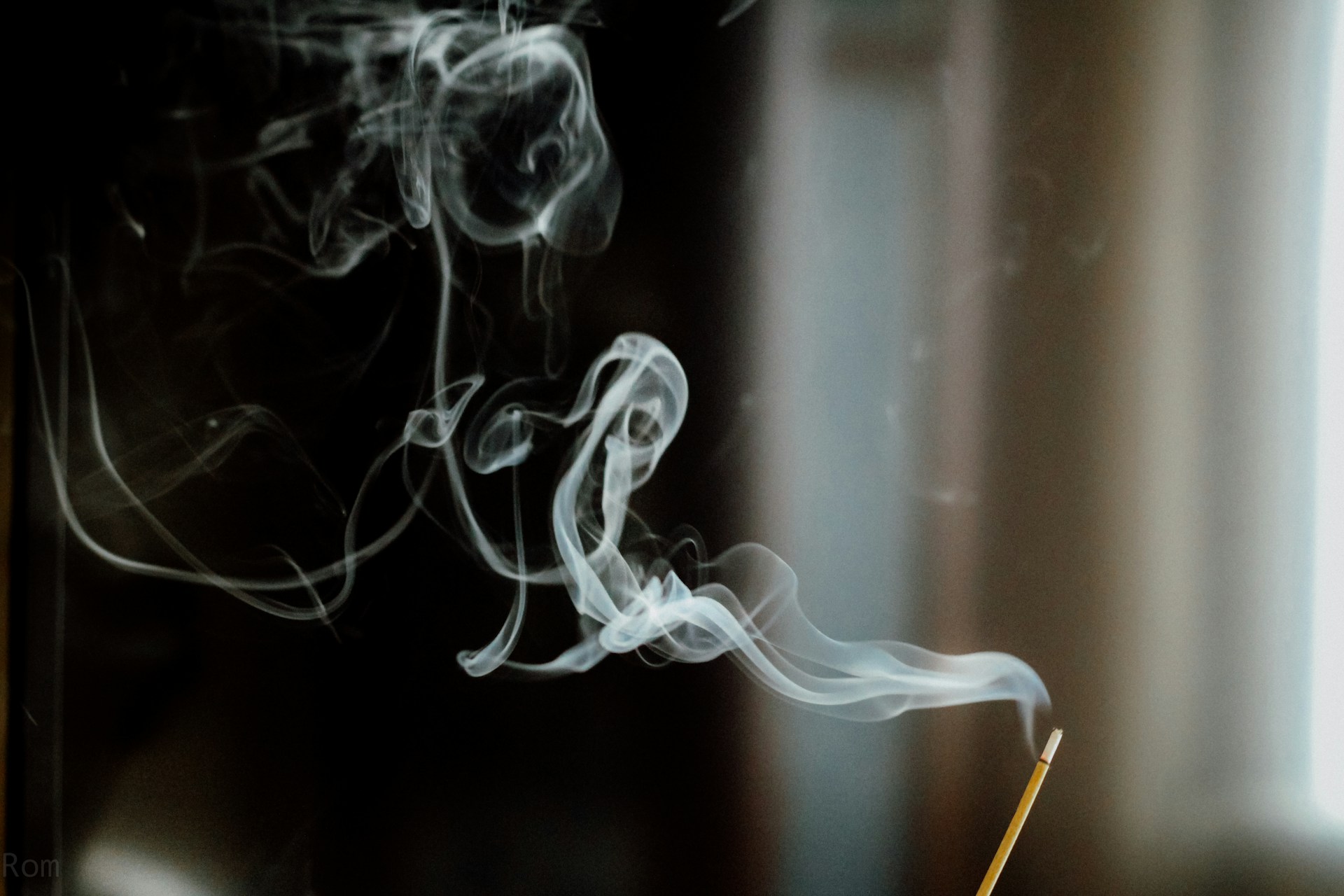
    Incense is among the oldest ways humans have used fragrance. Long before essential oils or perfume bottles, people burned resins, woods, barks and dried herbs and let the smoke carry scent into the air and, they believed, toward the heavens. The practice is found on nearly every continent and remains part of worship, meditation and daily life for hundreds of millions of people. Here is a short history and a guide to enjoying it thoughtfully at home.

    Ancient Smoke

    The word incense comes from the Latin for something burned, and the earliest evidence of its use goes back thousands of years. Ancient Egyptians burned resins such as frankincense and myrrh in temples and made elaborate blends for ceremonies. Frankincense and myrrh were traded across the Arabian Peninsula and East Africa along routes that enriched some of the ancient world’s wealthiest kingdoms, and both appear in Hebrew scripture and later in Christian liturgy.

    In India, incense has been part of religious practice for millennia, and the stick incense most people recognize today, with a bamboo core coated in fragrant paste, developed there. In China, incense accompanied Buddhist and Daoist worship and was used to mark time, with incense clocks burning at a known rate. In Japan, the appreciation of incense became a refined art called kodo, the way of fragrance, in which participants listen to incense, savoring subtle differences between rare woods.

    Forms of Incense

    • Sticks, with or without a bamboo core. The most common and easiest to use.
    • Cones, which burn down to a small pile of ash and release scent more intensely.
    • Coils, which burn for many hours and are common in East Asian temples.
    • Loose resins such as frankincense, myrrh, copal and benzoin, burned on a charcoal disc or an electric heater.
    • Dried herb bundles, used in several traditions around the world.

    Quality varies enormously. Inexpensive incense is often made with synthetic fragrance on a sawdust base, while traditional Japanese and Indian makers use natural woods, resins and herbs. The difference in scent is noticeable, and higher-quality incense usually produces less smoke.

    Enjoying It Safely

    Incense is smoke, and smoke in a closed room is worth taking seriously. A few sensible habits:

    • Burn in a ventilated room with a window open, and keep sessions short. One stick is plenty for most spaces.
    • Use a proper holder with a tray that catches ash, placed on a heat-resistant surface away from anything that can catch.
    • Never leave burning incense unattended, and make sure it is fully out before you leave the room.
    • Keep it away from children and pets, and consider whether smoke is appropriate in a home with birds or other small animals, which are sensitive to air quality.
    • If you have asthma or another breathing concern, talk with your doctor before burning incense, and consider gentler alternatives such as a diffuser.

    We make no health claims about incense. It is enjoyed for its scent and for the quiet ritual of lighting it.

    Incense as a Ritual

    Part of incense’s lasting appeal is that it takes time. A stick burns for twenty or thirty minutes, and the scent builds slowly. Many people light one at the start of a meditation or journaling session, letting the burn mark the length of the practice as the old incense clocks did. Others burn a little in the evening as a signal that the day is winding down. The smoke itself can be an object of attention: watching it curl and drift is a simple, ancient form of mindfulness.

    On a mild April evening, with the window open and the sounds of the neighborhood drifting in, a single stick of good sandalwood or a pinch of frankincense on a warm coal connects you to one of the longest unbroken traditions in human life.

  • Ylang-Ylang: The Flower of Flowers and Its Place in Perfume History

    Ylang-Ylang: The Flower of Flowers and Its Place in Perfume History

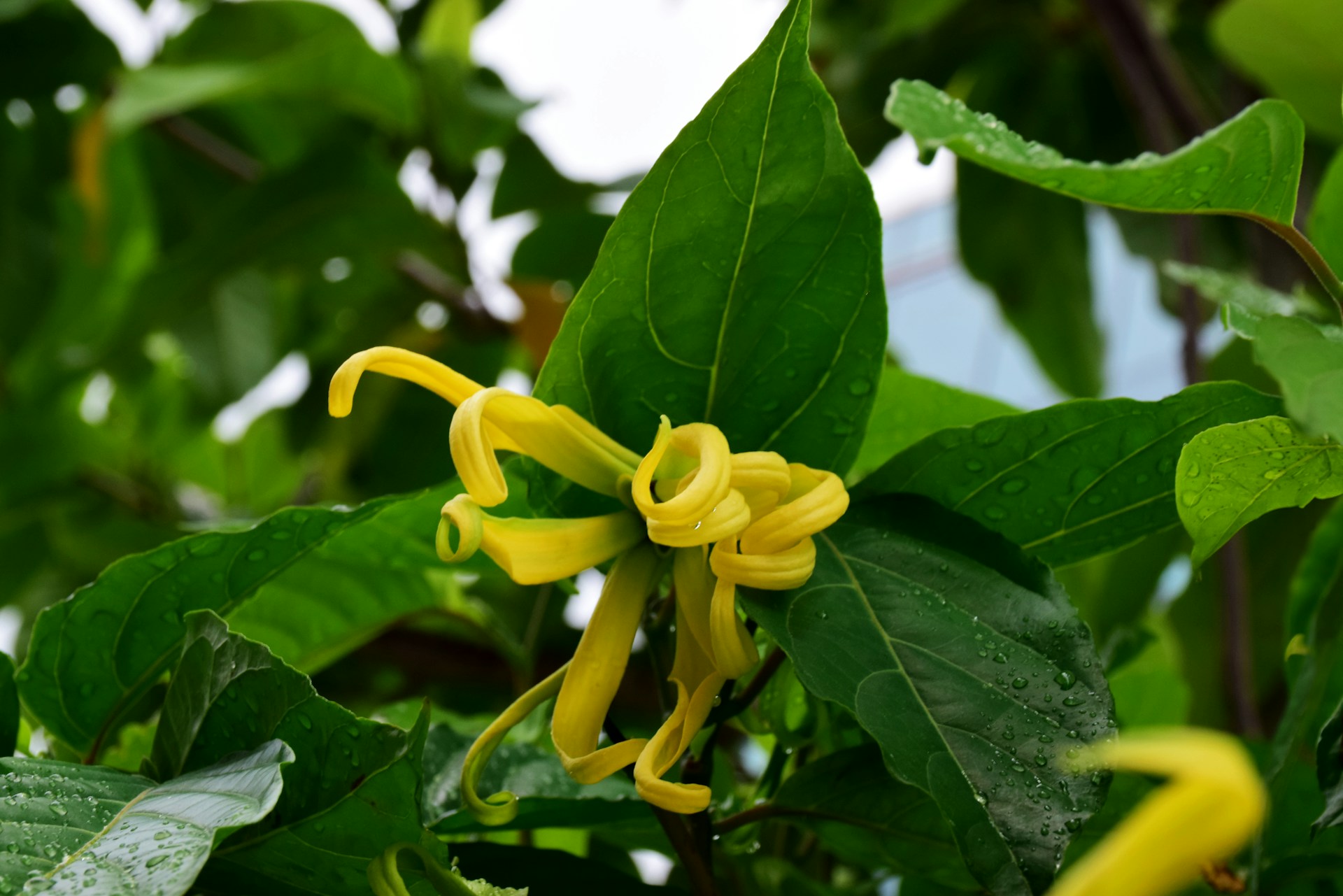
    Ylang-ylang is one of those names that sounds like a song, and the flower lives up to it. The scent is intensely sweet, creamy and floral, with a hint of banana and something almost like jasmine, so rich that perfumers often call it narcotic. It comes from a tropical tree whose drooping yellow-green flowers look like a cluster of twisted ribbons, and it has traveled from the islands of Southeast Asia into some of the most famous perfumes ever made.

    The Flower of Flowers

    The tree, Cananga odorata, is native to the Philippines, Indonesia and surrounding regions. The name ylang-ylang is usually traced to the Tagalog word ilang-ilang, and it is often translated as flower of flowers, though some scholars suggest it refers to the wilderness where the tree grows. The flowers are green when they open and turn a deep yellow as they mature, and they are at their most fragrant when fully yellow. In the Philippines and Indonesia, they have long been strung into garlands, scattered on beds and infused into coconut oil for the hair and skin.

    Islands Built on Scent

    In the nineteenth century, French colonists began cultivating ylang-ylang for export, and the center of production shifted west to the islands of the Indian Ocean. Today most of the world’s ylang-ylang oil comes from the Comoros, Madagascar and Mayotte, where the trees are pruned low so that the flowers can be picked by hand. Harvesting happens in the early morning, when the scent is strongest, and the flowers are distilled the same day.

    Distillation is unusual. The oil is collected in stages over many hours, and each stage is sold as a separate grade. The first fraction, called Extra, is the lightest and most prized for fine perfume. Later fractions are heavier and more woody and are used in soaps and household products. A grade labeled Complete is the whole distillation combined.

    A Perfumer’s Favorite

    Ylang-ylang became a cornerstone of twentieth-century perfumery. It is widely noted as one of the floral notes in Chanel No. 5, the fragrance launched in 1921 that became perhaps the most famous perfume in the world, and it appears in countless floral and oriental compositions since. Its richness lets it bridge bright top notes and deep base notes, which is why perfumers reach for it so often.

    Ylang-Ylang in Aromatherapy

    In aromatherapy blends, ylang-ylang is used for its lush, comforting scent. It pairs well with sandalwood, bergamot, lavender and vetiver, and a little goes a very long way. Many people find it overwhelming on its own and lovely in small amounts within a blend. We make no claims about what it does beyond providing a beautiful fragrance. A few practical notes:

    • Start with one drop in a diffuser blend and add more only if you want it.
    • Dilute well before any skin contact and patch test first, since rich florals can irritate some skin.
    • Some people find very strong floral scents give them a headache. If that is you, use it sparingly or skip it.
    • Keep it away from children and pets, and never swallow it.

    Enjoying It Simply

    A single drop of ylang-ylang added to an unscented body oil turns an ordinary evening routine into something that smells like a tropical garden after rain. Blended with a woody oil in a diffuser, it makes a warm, enveloping scent for a slow Sunday. On a humid April evening in Georgia, with the windows open and the gardenia buds not yet ready, it is a pleasant preview of the lush summer scents to come.

  • Bergamot: The Citrus Behind Earl Grey and Its Place in Aromatherapy

    Bergamot: The Citrus Behind Earl Grey and Its Place in Aromatherapy

    Bergamot is a citrus most people have tasted without knowing it. The distinctive floral, slightly bitter note in Earl Grey tea is bergamot oil, pressed from the peel of a fruit that looks like a small, knobbly lime and grows almost nowhere in the world except a narrow strip of the Italian coast. Its scent is bright but softer than lemon, with a floral depth that has made it a favorite of perfumers for three centuries.

    A Fruit From Calabria

    The bergamot orange, Citrus bergamia, is thought to be a hybrid of bitter orange and a lemon-like citrus. Nearly all of the world’s commercial crop comes from the province of Reggio Calabria, at the southern tip of Italy, where the particular combination of soil, sea air and climate suits the tree. The fruit itself is too sour and bitter to eat, so it has always been grown for its peel. Oil is expressed from the rind by cold pressing, which gives it a fresh, green quality quite unlike distilled oils.

    Cologne and Tea

    Bergamot’s fame began in the early eighteenth century, when an Italian perfumer working in the German city of Cologne created a light, citrusy fragrance that came to be called eau de Cologne. Bergamot was its signature note, and the style spread across Europe as a refreshing alternative to heavier perfumes. It remains the backbone of countless fragrances today, nearly always as a top note that lifts whatever follows.

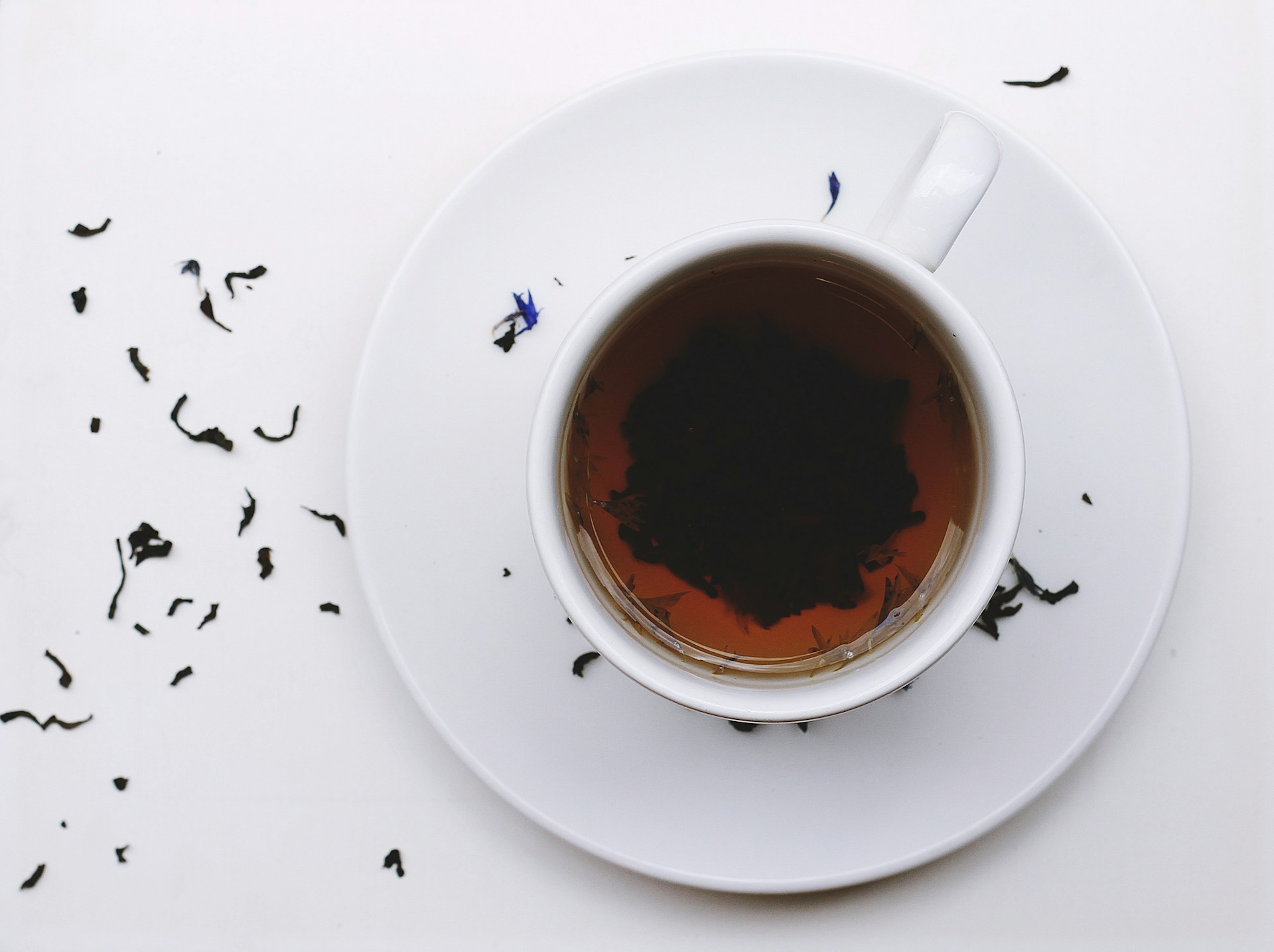
    How bergamot came to flavor tea is less certain. Earl Grey tea, a black tea scented with bergamot oil, is named for a nineteenth-century British prime minister, and several stories circulate about how he acquired the recipe. None is well documented. What is clear is that the pairing caught on, and Earl Grey remains one of the best-known flavored teas in the world.

    Bergamot in Aromatherapy

    Bergamot essential oil is popular in diffuser blends and personal fragrances for its uplifting, sunny scent. It pairs well with lavender, geranium, frankincense and other citruses, and it softens sharper herbal oils. A few drops in a morning diffuser blend is a common way to enjoy it. We make no claims about what it does beyond smelling pleasant.

    The Sun Caution

    Bergamot has one well-known safety consideration. Cold-pressed bergamot oil contains compounds called furanocoumarins, including bergapten, that make skin more sensitive to ultraviolet light. Skin treated with undiluted or poorly diluted bergamot oil and then exposed to sun can burn or darken more easily than usual. This is why aromatherapy references consistently advise:

    • Avoid applying bergamot to skin that will be exposed to sunlight or tanning lamps within the following twelve hours or more.
    • Dilute it well in a carrier oil if you use it on skin at all, and patch test first.
    • Look for bergapten-free bergamot, often labeled FCF, if you want to use it in skin products. This version has had the furanocoumarins removed.
    • Diffusing is the simplest way to enjoy the scent without any skin concern.

    Keep bergamot, like all essential oils, away from children and pets, and never swallow it. If you have a skin condition or take medications that affect sun sensitivity, talk with your doctor before using it.

    A cup of Earl Grey on a spring afternoon is the easiest way to enjoy bergamot. A drop or two in a diffuser with lavender makes a bright, calm blend for a morning of work. Some people keep a small bottle of the FCF version to add to an unscented lotion. The scent carries a little of the Calabrian coast with it, sunny and slightly bitter, and it has been making people feel refreshed for a very long time.

  • Tea Tree Oil: History, Everyday Uses and Safe Handling

    Tea Tree Oil: History, Everyday Uses and Safe Handling

    Tea tree oil has a sharp, medicinal, camphor-like scent that most people recognize immediately, and a reputation that has traveled far beyond its native Australia. It appears in shampoos, soaps, foot products and household cleaners, and it is one of the most commonly sold essential oils. Because it is so widely used, it is also one of the most frequently misused. This article covers its history and the sensible handling that keeps it a pleasant part of a routine. We make no claims about what tea tree does; for any skin or health concern, talk with your doctor.

    Where the Name Comes From

    The oil is distilled from the leaves of Melaleuca alternifolia, a small tree native to the swampy coastal regions of New South Wales and Queensland in eastern Australia. It is not related to the tea plant. The name is usually traced to the late eighteenth century, when the crew of Captain James Cook’s expedition brewed the aromatic leaves of melaleuca and related trees as a substitute for tea. Aboriginal Australians, in particular the Bundjalung people of the region where the tree grows, had long-standing traditional uses for the leaves.

    Commercial distillation of the oil began in Australia in the 1920s, and the industry grew through the twentieth century. Today most tea tree oil still comes from plantations in New South Wales.

    Why It Is So Popular

    Tea tree has a clean, assertive scent that many people associate with freshness, which is why it appears in so many products for the bathroom and laundry. People use it in homemade cleaning sprays, in diffusers for a sharp, clearing aroma and in foot soaks, mostly for the smell.

    Safe Handling

    Because tea tree is sold so widely and often marketed as mild, people sometimes treat it carelessly. A few points matter:

    • Never swallow it. Tea tree oil is toxic if ingested, and even small amounts can cause serious harm. Keep bottles tightly capped and well away from children.
    • Keep it away from pets. Cats and dogs are especially sensitive to tea tree oil, whether applied to their fur, diffused heavily in a small room or licked from a surface. Ask your veterinarian before using any essential oil in a home with animals.
    • Dilute before skin contact. Undiluted tea tree is a known cause of allergic contact dermatitis, and the risk rises as the oil ages and oxidizes. Mix a small amount into a carrier oil and patch test on your inner arm first.
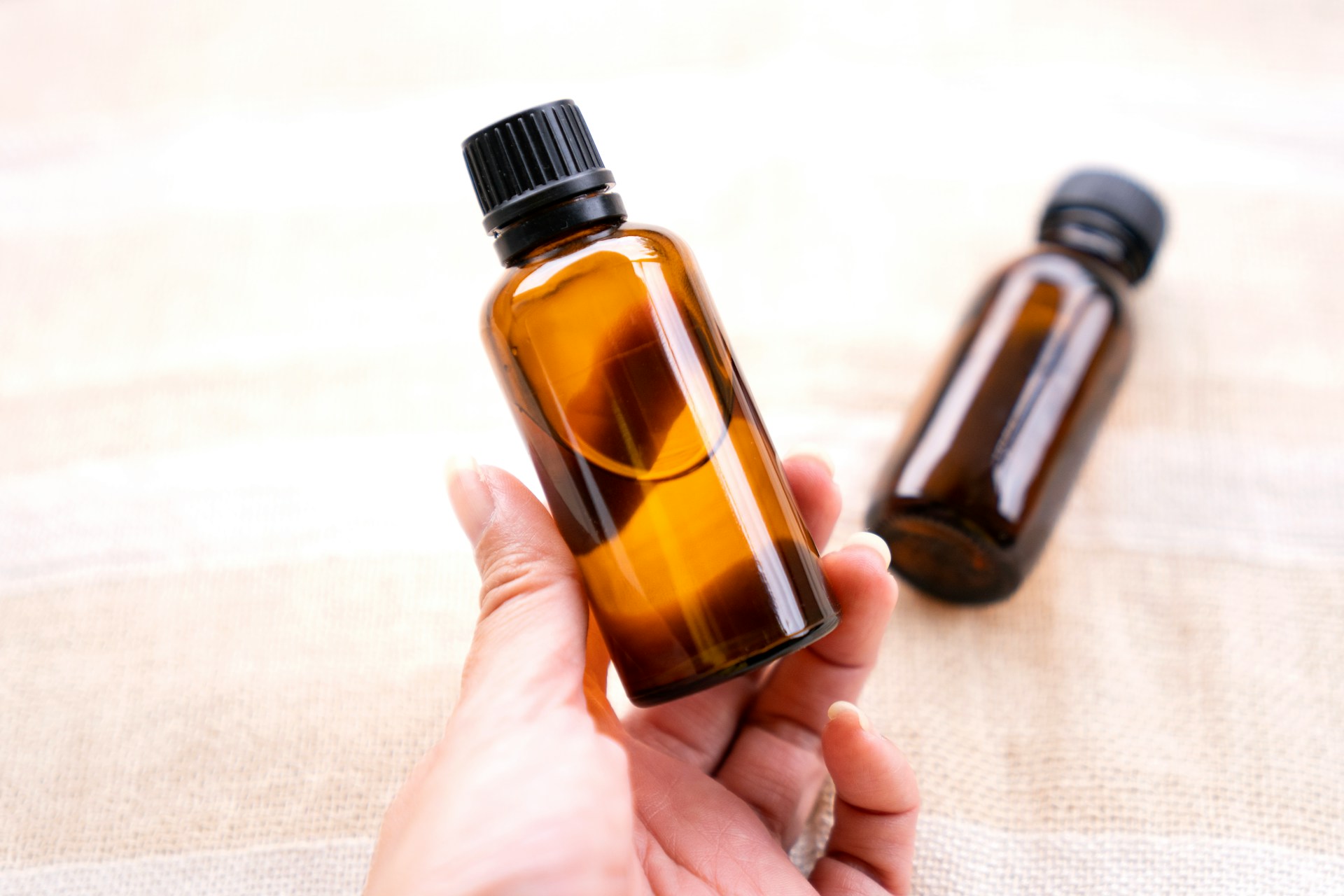
    • Store it well. Keep it in a dark glass bottle, tightly closed, away from heat and light, and replace it if it has been open for more than a year or smells harsher than it used to.
    • Avoid the eyes and other sensitive areas entirely.
    • Talk with your doctor before using it if you are pregnant, nursing or caring for a young child.

    Sensible Everyday Uses

    With those cautions in mind, tea tree can be a pleasant part of a household routine. A few drops in a bucket of water for mopping leaves a fresh scent. Two or three drops in a diffuser with lemon makes a bright, clean-smelling blend for a morning of housework. A drop in a bowl of warm water for a foot soak adds a spa-like aroma. Many commercial shampoos and soaps include it at low, properly formulated levels, which is the simplest way to enjoy the scent on skin or hair.

    A Note on Marketing

    You will see tea tree sold with many promises attached. Be skeptical. An essential oil is a fragrant plant extract, not a medicine, and the strength that makes its scent so recognizable is the same reason it deserves careful handling. Enjoy it for what it is, treat it with respect and keep it on a high shelf.

  • Neroli and Orange Blossom: A Fragrance With a Princely Past

    Neroli and Orange Blossom: A Fragrance With a Princely Past

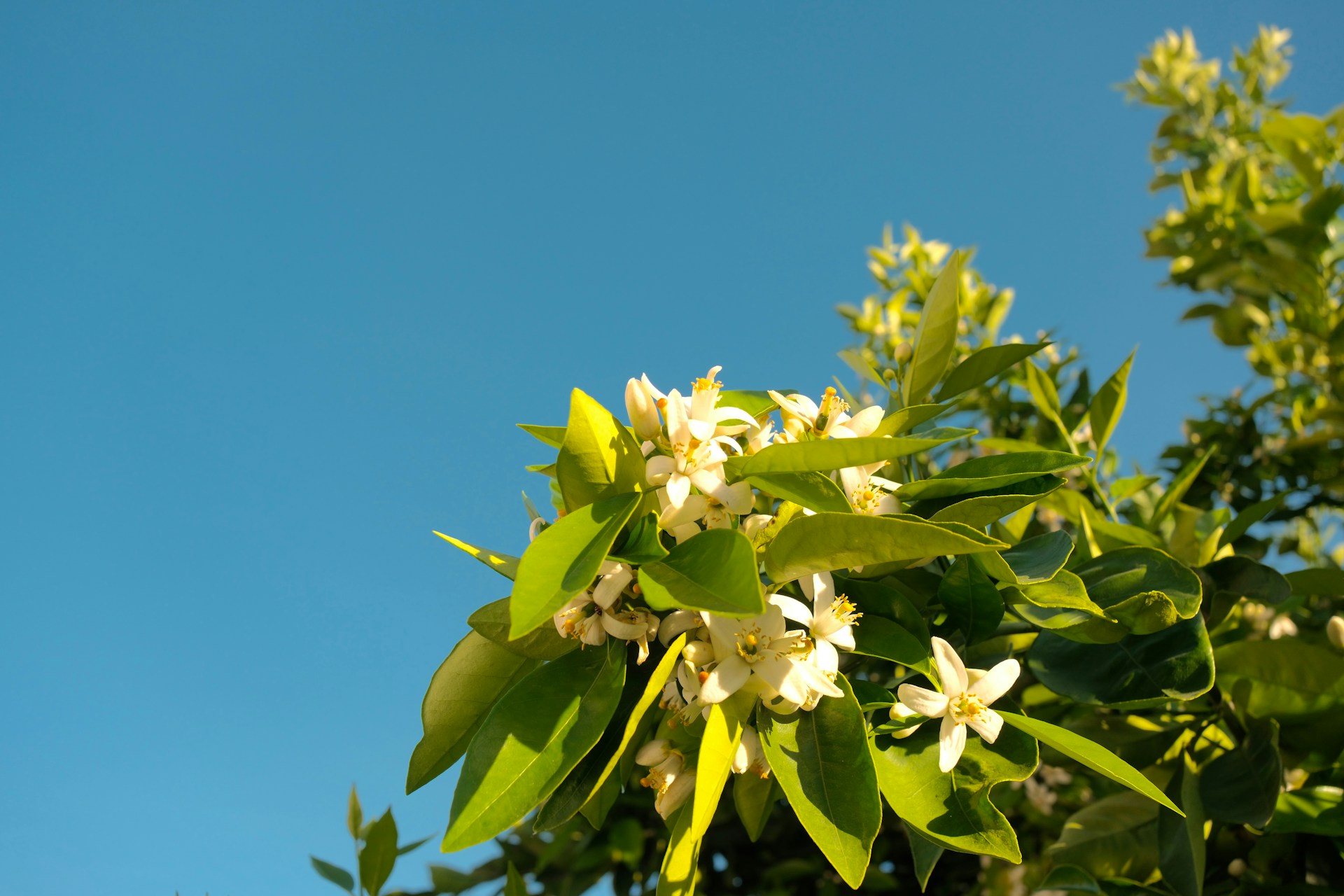
    Neroli is the essential oil distilled from the blossoms of the bitter orange tree, and it carries one of the most elegant stories in the history of fragrance. The scent is fresh, floral and slightly green, with a honeyed sweetness underneath that is nothing like the fruit. For centuries it has been associated with weddings, with princesses and with the sunlit groves of the Mediterranean, and it remains one of the most prized ingredients in perfumery.

    The Princess of Nerola

    The name is usually traced to Anne Marie Orsini, a French-born noblewoman who became Princess of Nerola, a small town near Rome, in the late seventeenth century. She is said to have loved the scent of bitter orange blossoms so much that she used it to perfume her gloves, her bathwater and her stationery, setting a fashion that spread through the courts of Europe. Whether or not every detail of the story is true, the name stuck, and the oil has been called neroli ever since.

    One Tree, Several Scents

    The bitter orange tree, Citrus aurantium, is unusually generous. It gives perfumers three distinct materials:

    • Neroli, steam distilled from the fresh blossoms. Light, floral, slightly bitter.
    • Orange blossom absolute, extracted from the same flowers with solvents rather than steam. Richer, sweeter and more intensely floral.
    • Petitgrain, distilled from the leaves and twigs. Green, woody and fresh, like the orchard itself.

    The peel of the fruit yields bitter orange oil as well. Few plants offer so many different scents from a single source.

    Neroli is costly because the blossoms are picked by hand over a short season, usually in spring, and a great many flowers are needed to produce a small amount of oil. Much of the world’s supply comes from Tunisia, Morocco and southern Europe.

    Orange Blossoms and Weddings

    Orange blossoms have symbolized marriage and good fortune for a very long time, partly because the tree bears flowers and fruit at the same time. Brides in the Mediterranean carried them for centuries. The custom reached its peak in the nineteenth century, when Queen Victoria wore orange blossoms at her wedding, and the fashion spread across Britain and America. Wax orange blossoms became a standard bridal ornament for decades afterward.

    The flowers also have a culinary life. Orange blossom water, the hydrosol left over from distillation, flavors pastries, syrups and coffee across the Middle East and North Africa and is a traditional ingredient in some Mediterranean sweets.

    Neroli in Aromatherapy

    Neroli is a favorite in blends meant for evening and for rest, where its soft floral scent pairs beautifully with lavender, sandalwood, bergamot and rose. It is also popular in facial oils and skincare, more for its lovely fragrance than for anything else. We make no claims about what it does. A few practical notes:

    • True neroli is expensive. Very cheap bottles are almost certainly diluted or synthetic.
    • A single drop is often enough in a diffuser blend.
    • Dilute well before any skin contact and patch test first.
    • Unlike cold-pressed citrus peel oils, neroli is not generally considered photosensitizing, but check your source and when in doubt, ask.
    • Keep it away from children and pets, and talk with your doctor before using any essential oil during pregnancy.

    Bringing the Scent Home

    Bitter orange trees are not common in Georgia yards, but a small potted citrus on a sunny porch will bloom in spring and fill the evening air with a hint of the same fragrance. Orange blossom water in a glass of lemonade, a drop of neroli in an evening diffuser or a hydrosol mist on a warm afternoon brings a little of that Mediterranean grove into a Middle Georgia spring. It is a scent of beginnings, which suits the season perfectly.