
Tag: aromatherapy history

  • Jasmine: The Night-Blooming Flower With a Long Fragrant History

    Jasmine: The Night-Blooming Flower With a Long Fragrant History

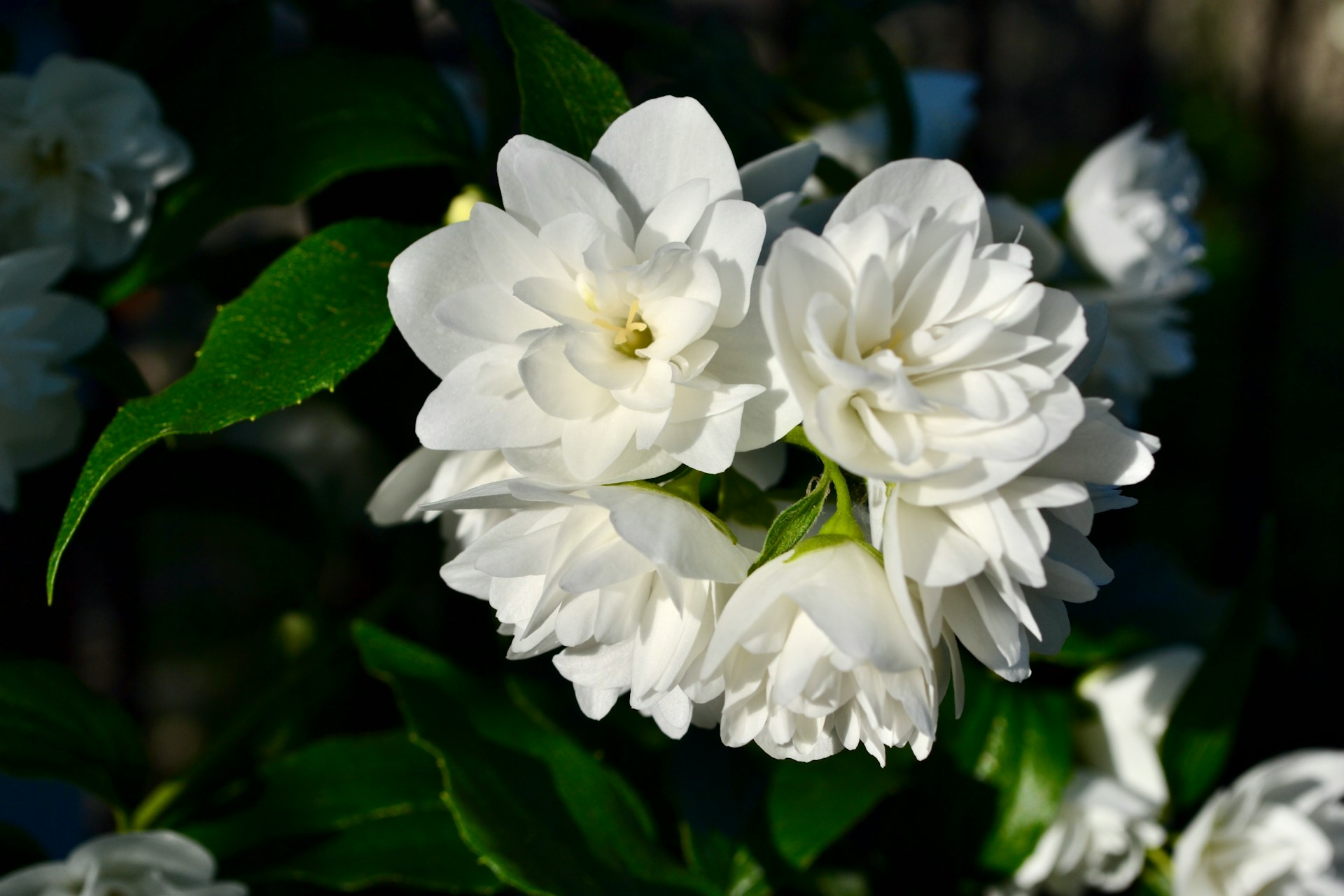
    Jasmine is one of the most prized fragrances in the world, and one of the most expensive. Its small white flowers release a heady, sweet, slightly musky scent that intensifies after dark, which is why jasmine has been planted beside doorways and windows for thousands of years. The name itself comes from the Persian yasmin, and the flower has been treated as a gift across many cultures.

    A Flower That Traveled

    Jasmine belongs to the olive family and is native to warm regions of Asia and beyond. It spread along trade routes to Persia, the Arab world and eventually Europe, where it was a favorite of Renaissance gardens. Today, the varieties most used in perfumery are grown in India, Egypt, Morocco and the south of France, where the town of Grasse built much of its reputation as a perfume capital on fields of jasmine and roses.

    In the Philippines, a jasmine species known as sampaguita is the national flower, strung into garlands offered at churches and given to guests. In India, jasmine garlands are woven into hair, hung at weddings and sold in fragrant heaps at every market. In China, jasmine flowers are layered with green tea leaves to make jasmine tea, one of the most popular scented teas in the world.

    Picked by Night

    Jasmine flowers are harvested by hand, often before dawn, because the scent is at its strongest in the early morning hours. Picking is slow and labor-intensive. It takes an enormous number of blossoms to produce a small amount of fragrance material, which is why pure jasmine is among the costliest ingredients in perfumery.

    Unlike lavender or rosemary, jasmine is not steam distilled. The delicate blossoms do not survive heat well, so the fragrance is drawn out with solvents to produce a thick, dark liquid called an absolute. Historically, jasmine was also captured through enfleurage, a painstaking method of pressing flowers into layers of fat until the fat absorbed their scent.

    Jasmine in Aromatherapy

    Jasmine absolute has a rich, warm, floral scent that many people find comforting and a little luxurious. It appears in evening blends, often paired with sandalwood, bergamot or rose, and in body oils and perfumes. Because true jasmine is expensive, much of what is sold as jasmine oil is either diluted in a carrier oil or a synthetic fragrance. Read labels carefully: a very low price almost always means a fragrance oil rather than an absolute.

    A few sensible habits:

    • A tiny amount goes a long way. One drop in a diffuser blend is often plenty.
    • Dilute well before any skin contact and patch test first.
    • Many aromatherapy references suggest avoiding jasmine during pregnancy; talk with your doctor if that applies to you.
    • Jasmine is enjoyed for its scent. We make no claims about it beyond that.

    Growing Jasmine in Georgia

    Several jasmines grow happily in Middle Georgia. Common jasmine climbs fences and arbors and blooms in late spring and early summer. Star jasmine, known locally as Confederate jasmine, is technically a different plant with a similar scent, and by May you will find it covering mailboxes and porch railings all over town. Plant one near a porch or bedroom window, and warm evenings will carry the fragrance inside.

    Few experiences are simpler or more pleasurable than sitting outside on a spring night as the jasmine opens. It costs nothing, needs no equipment and reminds you why this flower has been treasured for so long.
  • Chamomile: The Gentle Daisy in Tea, Lore and Aromatherapy

    Chamomile: The Gentle Daisy in Tea, Lore and Aromatherapy

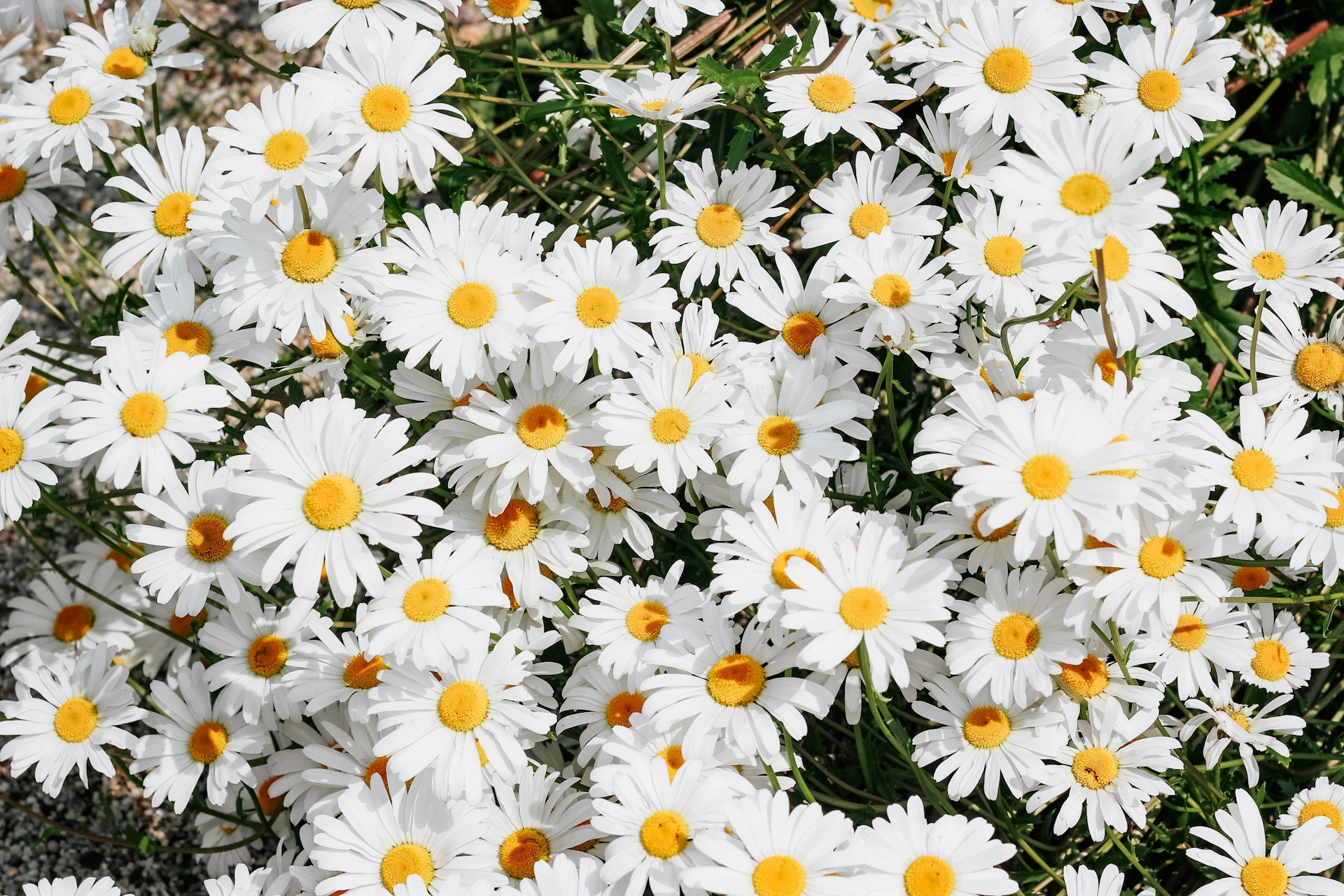
    Chamomile is the gentlest member of the aromatic plant family. Its small, daisy-like flowers, white petals around a yellow center, have been dried for tea, tucked into pillows and distilled into oil for centuries. The scent is soft, sweet and faintly apple-like, which is where the name comes from. If lavender is the best-known calming scent, chamomile is its quieter cousin.

    Earth Apple

    The word chamomile traces back to the Greek chamaimelon, roughly meaning ground apple, a description of the plant’s low growth and the apple-like scent of its crushed flowers. Ancient Egyptians, Greeks and Romans all grew it. In medieval Europe, chamomile was a strewing herb, scattered on floors so that footsteps released its fragrance, and it was planted as a fragrant lawn in English gardens. Spanish sherry makers used it to flavor manzanilla, which is also the Spanish word for chamomile.

    Two Plants Share the Name

    Most of what is sold as chamomile comes from one of two plants:

    • German chamomile, Matricaria chamomilla, is an annual with a sweet, hay-like scent. It is the chamomile most often found in tea bags.
    • Roman chamomile, Chamaemelum nobile, is a low perennial with a fruitier, more apple-like aroma. It is the one traditionally used for lawns and is popular in aromatherapy.

    Both belong to the daisy family, which also includes ragweed and chrysanthemums. People who are allergic to those plants may react to chamomile, so if you have plant allergies, talk with your doctor before using it in any form.

    A Blue Surprise

    One of the more delightful facts about chamomile is the color of its oil. German chamomile essential oil is a deep inky blue when freshly distilled. The color comes from a compound called chamazulene, which forms during the distillation process and is not present in the living flower. It fades toward green and then yellow as the oil ages. Roman chamomile oil, by contrast, is pale yellow or nearly clear. The blue oil is one of the easiest ways to tell the two apart.

    Chamomile in Daily Life

    For most people, chamomile tea is the familiar form: dried flowers steeped in hot water for a few minutes, often enjoyed in the evening. The ritual itself, warm cup in hand, is part of the appeal. We make no claims about what the tea does; it is simply a pleasant, caffeine-free drink. If you are pregnant, take medications or have health concerns, check with your doctor before adding herbal teas to your routine.

    Beyond tea, chamomile appears in gentle skincare, in bath products and in aromatherapy blends, where its sweet scent softens sharper oils like rosemary or eucalyptus. A few drops of the essential oil, diluted in a carrier oil, is a common addition to a relaxing massage oil. As with any essential oil, dilute before skin contact, patch test and keep it out of reach of children and pets.

    Growing Your Own

    German chamomile grows easily from seed in a sunny spot and self-sows freely. Harvest the flowers when the petals begin to curl back from the center, then dry them on a screen in a dark, airy room. A small jar of home-dried chamomile, opened on a quiet spring evening, carries the scent of the whole summer ahead. It is a humble flower, but few plants offer so much gentleness for so little effort.

  • Rosemary: History, Lore and Everyday Enjoyment

    Rosemary: History, Lore and Everyday Enjoyment

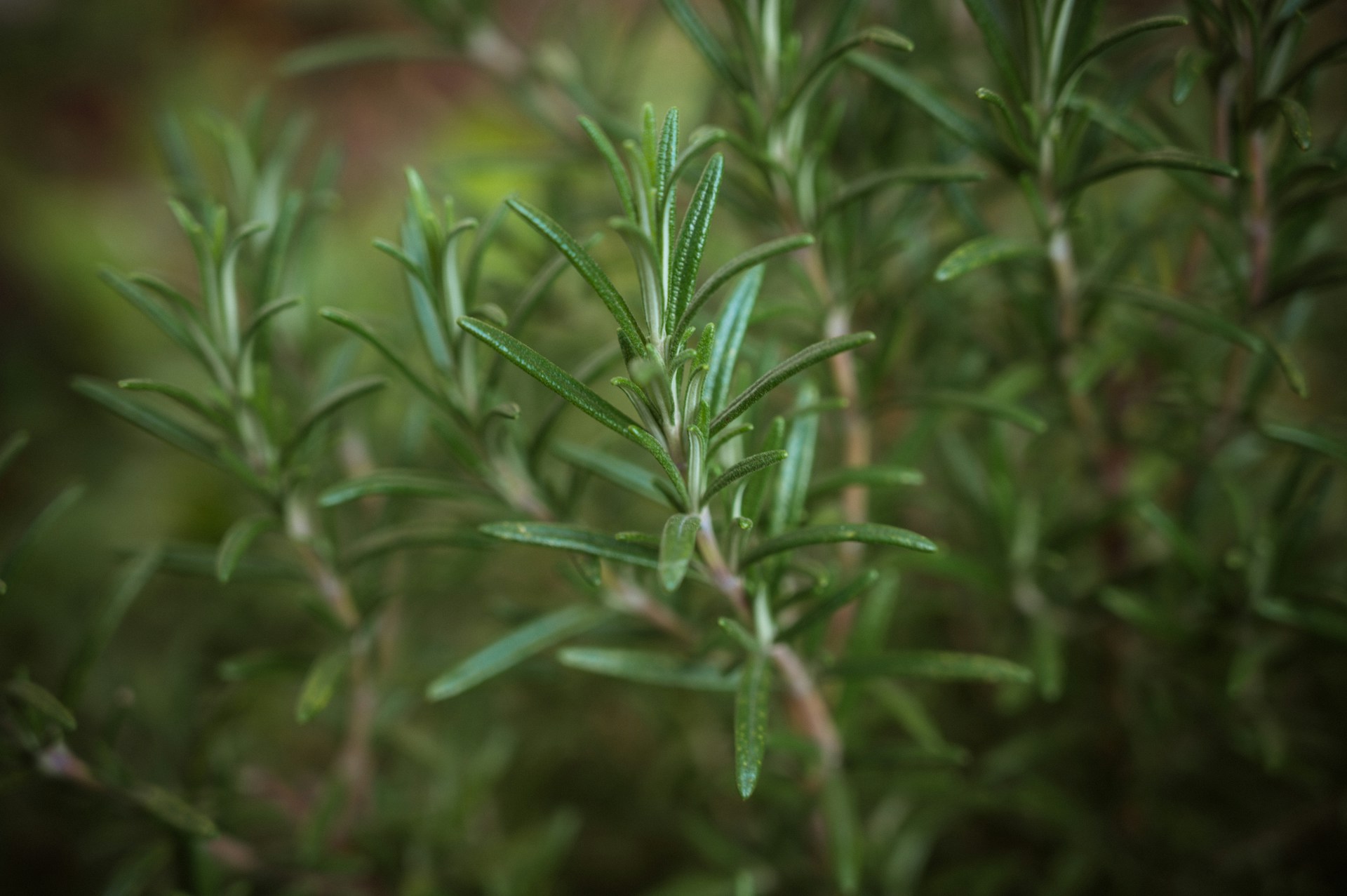
    Rosemary is one of the most familiar scents in the kitchen and the garden: sharp, piney, a little like camphor, with a hint of something sweet underneath. It has been grown around the Mediterranean for thousands of years and carries a long trail of stories about memory, loyalty and remembrance. It is also a plant that thrives in Georgia gardens, which makes it an easy herb to know well.

    Dew of the Sea

    The name comes from the Latin ros marinus, meaning dew of the sea, a nod to the plant’s habit of growing on sunny coastal hillsides where it needs little more than sea mist to survive. Botanists long called it Rosmarinus officinalis; in recent years it was reclassified into the sage family as Salvia rosmarinus, though gardeners and cooks still use the old name. It is a woody evergreen shrub with needle-like leaves and small blue, purple or white flowers that bees love.

    A Herb of Remembrance

    In the ancient world, students in Greece were said to wear rosemary garlands while studying, and the plant became associated with memory. That link endured for centuries. In Shakespeare’s Hamlet, Ophelia hands out rosemary for remembrance. The herb appeared at both weddings, as a symbol of fidelity, and funerals, where sprigs were carried or cast into graves. In parts of Europe, it was burned in sickrooms and tucked into linen chests, more for its fresh scent than for anything proven about it.

    Rosemary also traveled with cooks. Roman recipes used it, medieval monastery gardens grew it, and it remains a cornerstone of Mediterranean cooking, from roasted lamb to focaccia.

    Rosemary in Aromatherapy

    Rosemary essential oil is steam distilled from the leaves and flowering tops. Its scent is clean, herbal and bracing, and many people describe it as the smell of alertness. It appears often in morning diffuser blends, in combination with citrus oils, and in scented products for the bath and shower.

    The oil comes in several chemotypes, which means plants of the same species grown in different places produce oils with noticeably different chemistry and scent. Some lean more camphorous, others softer and more herbal. The label may note the chemotype, and it is worth sniffing a few if you can.

    Using It Thoughtfully

    Rosemary is enjoyed as a fragrance and a flavor, not as a remedy, and we make no claims about it beyond that. A few sensible habits:

    • Dilute rosemary essential oil in a carrier oil before any skin contact, and patch test first.
    • Keep diffuser sessions short, around thirty minutes, in a ventilated room.
    • Many aromatherapy references advise caution for people who are pregnant, have high blood pressure or have a seizure disorder. If any of those apply to you, talk with your doctor before using the oil.
    • Keep it away from children and pets, and never swallow essential oil.
    • For most everyday purposes, the fresh herb is the gentlest way to enjoy the scent.

    Simple Ways to Enjoy Rosemary

    Grow a plant by the back door and brush it as you pass. Add a sprig to a bowl of steaming water for a facial steam. Simmer a few stems with lemon peel on the stove for a natural room scent. Tie a small bundle with twine and hang it in the shower, where the warm water releases its fragrance. Tuck dried sprigs into a drawer of linens. None of these take more than a minute, and all of them bring a little of the sunny Mediterranean hillside into a Georgia spring.