Tag: aromatherapy

  • From Spice to Citrus: Swapping Your Diffuser Blends as the Weather Warms

    From Spice to Citrus: Swapping Your Diffuser Blends as the Weather Warms

    We change our closets with the seasons, and many of us change our scents, too, without quite noticing. The cinnamon, clove and frankincense that felt so right in December can start to seem heavy once the windows open and the air turns soft and humid. Late spring is a natural time to move the warm, resinous oils to the back of the shelf and bring the bright ones forward.

    Why lighter scents suit the warmer months

    Scent preferences are personal, but many people find that citrus, green herbs and light florals simply feel at home in warm weather. They echo what is happening outside: cut grass, garden herbs, a bowl of lemons on the counter. Heat also makes aromas more noticeable, so blends that seemed subtle in winter can come across as strong in June. Lighter, fresher notes tend to sit more comfortably in a warm room.

    Five easygoing combinations to try

    For an ultrasonic diffuser, start with three to five drops in total, in the amount of water your diffuser’s instructions call for, and adjust from there. Less is usually more.

    • Lemon and spearmint: crisp and familiar, like a glass of iced tea with a sprig on the rim.
    • Grapefruit and rosemary: bright and green, a good match for a kitchen or a home office.
    • Sweet orange and lavender: softer and rounder, pleasant in a living room in the evening.
    • Bergamot and geranium: lightly floral with a citrus edge, gentle enough for a bedroom.
    • Lime and a single drop of basil: green and summery. Basil is assertive, so let the lime lead.

    If you would rather keep it simple, a single citrus oil on its own is one of the easiest warm-weather scents there is.

    Citrus in the air and citrus on the skin

    Several cold-pressed citrus oils, including bergamot, lemon and lime, can make skin more sensitive to sunlight when applied before going outside. That concern is about oils on the skin. Diffusing citrus into the air of a room does not carry the same risk, which makes the diffuser one of the best places to enjoy these oils in summer. If you do use citrus in a body oil or lotion, follow careful dilution guidance and keep it to skin that will stay covered.

    Diffusing thoughtfully in a closed-up house

    Summer in Georgia usually means windows shut and the air conditioner running, so scent lingers longer than it does in spring. A few habits keep things pleasant:

    • Run the diffuser in short sessions of thirty to sixty minutes, then give the room a break.
    • Keep a door open so people and pets can step away if the scent is too much.
    • Be especially cautious around cats, birds and small animals, and ask your veterinarian before diffusing in a home with pets.
    • Talk with your doctor before diffusing around infants or young children, during pregnancy or if anyone in the home has asthma or another breathing concern.
    • Clean the diffuser more often in humid weather, following the manufacturer’s directions.
    • Store oils somewhere cool and dark, never in a hot car or on a sunny windowsill.

    Not every warm-weather scent needs a diffuser at all. A bowl of citrus peels, a jar of fresh mint on the kitchen table or a few sprigs of basil by the sink can freshen a room in a quieter way. Whatever you choose, the aim is the same: a home that smells like the season you are living in.

  • Sandalwood and Cedarwood: Woody Scents and the Question of Sustainability

    Sandalwood and Cedarwood: Woody Scents and the Question of Sustainability

    Woody scents are the foundation of aromatherapy and perfumery alike. Sandalwood and cedarwood are the two most familiar, and they could hardly be more different in their stories. One is among the most expensive aromatic materials on earth, with a history of overharvesting that has pushed it to the edge. The other grows in abundance across the American South and has scented closets and chests for generations. Both are worth knowing, and the comparison says a lot about how to choose aromatic products thoughtfully.

    Sandalwood: Soft, Sweet and Scarce

    True sandalwood oil comes from the heartwood of Santalum album, a slow-growing tree native to India and nearby regions. The scent is soft, creamy and warm, with a sweetness that lingers for hours. It has been used in Indian religious ceremonies, carved into temple doors and prayer beads, and burned as incense for thousands of years. In perfumery it is a classic base note that smooths and extends other scents.

    The trouble is that the oil comes from the heartwood, which means the tree must be cut down, and the best oil comes from trees several decades old. Demand far outstripped supply through the twentieth century, and wild Indian sandalwood is now listed as vulnerable, with harvest and export tightly controlled. Prices climbed, and much of what is sold cheaply as sandalwood is either heavily diluted, blended with other woods or entirely synthetic.

    There are more sustainable alternatives. Australian sandalwood, Santalum spicatum, is a related species that is harvested under management programs and has a drier, slightly sharper scent. Plantation-grown Indian sandalwood from northern Australia has also entered the market. If you want the real thing, look for the species name on the label, expect a high price and buy from a supplier that explains its sourcing.

    Cedarwood: Dry, Clean and Local

    Cedarwood is a looser category. The oil sold as Virginia cedarwood actually comes from the eastern red cedar, Juniperus virginiana, which is a juniper rather than a true cedar and grows wild across Georgia and much of the eastern United States. Its scent is dry, pencil-shaving clean and faintly sweet. Texas cedarwood comes from a related juniper. Atlas cedarwood, from a true cedar native to the mountains of Morocco, is softer and more balsamic.

    Cedar has long been valued for lining chests and closets, where its scent is traditionally thought to deter moths, and for its resistance to rot, which is why so many old fence posts in the South are cedar. The oil is abundant, inexpensive and generally considered one of the more sustainable aromatic materials, often produced from wood that is a byproduct of lumber and land clearing.

    Using Them Well

    Both oils are enjoyed as fragrance, and we make no claims beyond that. A few habits:

    • Woods are base notes. Use them in small amounts to anchor brighter oils such as bergamot, lavender or rosemary.
    • Dilute before skin contact and patch test. Cedarwood in particular can irritate some skin.
    • Keep both away from children and pets, and never swallow them.
    • Talk with your doctor before using any essential oil during pregnancy.

    Choosing Thoughtfully

    The contrast between these two woods offers a simple lesson. Scarcity drives up price and invites adulteration, so a very cheap sandalwood is almost never what it claims to be. Abundance makes cedarwood an honest, affordable choice with a smaller footprint. Many people who love woody scents build their everyday blends on cedar and save a small, well-sourced bottle of sandalwood for special evenings. Smelling a cedar chest in a Georgia attic or a sandalwood bead warmed in the hand are both small pleasures, and knowing where each comes from makes them a little richer.

  • How Scent and Memory Connect: Why a Smell Can Carry You Back in Time

    How Scent and Memory Connect: Why a Smell Can Carry You Back in Time

    Almost everyone has had the experience. A whiff of a certain soap, sunscreen or wood smoke, and suddenly you are eight years old at your grandmother’s house or standing on a beach you have not visited in twenty years. The memory arrives whole, with feelings attached, before you can even name the smell. This phenomenon is so common that it has a name, the Proust effect, and the reasons behind it say a great deal about why scent matters in self-care.

    The Madeleine

    The name comes from the French novelist Marcel Proust, whose long novel In Search of Lost Time includes a famous scene in which the narrator tastes a small cake called a madeleine dipped in tea. The taste and smell unlock a flood of childhood memories he had thought lost. The scene became so well known that scientists who study smell and memory still refer to Proustian memories: involuntary, vivid and emotionally charged recollections triggered by a scent.

    Why Smell Is Different

    Our other senses take a relatively long route to the parts of the brain involved in emotion and memory. Smell is more direct. Odor molecules reach receptors high in the nose, and signals pass to the olfactory bulb, which sits close to and connects with the brain regions associated with emotion and memory. That short path is widely thought to be part of why a smell can summon a feeling before a thought.

    Scent memories also tend to be older than other memories. Researchers who ask people to describe memories triggered by smells find they often date to early childhood, while memories triggered by words or pictures cluster in the teenage years and early adulthood. The smell of a crayon box or a particular floor cleaner can reach back further than almost anything else.

    Why This Matters for Self-Care

    If scent and feeling are so closely linked, the smells you surround yourself with are not trivial. They become part of the emotional texture of your days. A few ways people use this on purpose:

    • Choosing one scent for an evening wind-down and using it only then, so that the smell itself starts to signal rest.
    • Bringing a familiar scent, such as a small roll-on or a sachet, when traveling, so a hotel room feels a little like home.
    • Pairing a new habit with a new scent, which can help the habit feel distinct and pleasant.
    • Keeping a scent from a happy time, like the sunscreen from a good vacation, for days that need a lift.

    None of this is a treatment, and we make no claims about what scents do. It is simply an observation about how memory works, and a gentle invitation to be deliberate.

    Building Your Own Scent Memory

    You can create associations as well as discover them. Spring is a good time to try, because the season is full of distinctive smells: cut grass, rain on warm pavement, honeysuckle, fresh basil. Pick a scent you encounter often, pause for a few seconds each time you notice it and pay attention to how you feel. Over a season, that smell will begin to carry those moments with it.

    At home, the same works with a candle, a diffuser blend or a particular hand cream. Use it during the good parts of your day, the quiet cup of coffee or the evening walk, rather than during chores. You are quietly teaching your memory what that scent means.

    A Note on Fading

    Scent memories are powerful but not permanent. Smelling something constantly dulls your awareness of it, which is why people stop noticing the smell of their own homes. Rotating scents with the seasons keeps them vivid. Let a favorite rest for a few months, and when it returns, so will everything it carries.

  • Scent Families Explained: Floral, Woody, Herbal, Citrus and Spice

    Scent Families Explained: Floral, Woody, Herbal, Citrus and Spice

    Walk into any shop that sells perfume, candles or essential oils and you will hear the same vocabulary: floral, woody, fresh, herbal, citrus. These are scent families, a way of sorting fragrances by their dominant character. Learning them is a little like learning the basic flavors in cooking. It helps you describe what you like, find new scents you are likely to enjoy and build simple blends that make sense together.

    Where the Families Come From

    Perfumers have grouped scents for centuries, but the modern system most people encounter grew out of the fragrance wheel developed by the perfume writer Michael Edwards in the 1980s. His wheel arranges families in a circle so that neighbors share something in common and opposites contrast. Aromatherapy borrows the same general idea, though the names shift a little from one reference to another. The families below are a practical blend of both worlds.

    The Main Families

    • Floral: rose, jasmine, geranium, ylang-ylang, neroli, lavender. Soft, sweet, sometimes powdery. The largest family and the heart of most perfumes.
    • Citrus: lemon, sweet orange, grapefruit, bergamot, lime. Bright, clean and fleeting. Citrus notes evaporate quickly, which is why they are often the first thing you smell and the first to fade.
    • Herbal: rosemary, basil, clary sage, thyme, marjoram. Green, fresh and a little sharp, like a kitchen garden after rain.
    • Woody: sandalwood, cedarwood, vetiver, pine, cypress. Warm, dry and grounding. Woods linger for hours and anchor a blend.
    • Spice: cinnamon, clove, ginger, cardamom, black pepper. Warm and lively. A little goes a long way, and several spice oils need careful dilution on skin.
    • Resinous: frankincense, myrrh, benzoin. Deep, smoky, slightly sweet, with ancient associations with incense.
    • Minty and camphorous: peppermint, eucalyptus, tea tree. Cool, penetrating and bracing. Often grouped with herbals but distinctive enough to stand alone.
    • Earthy: patchouli, oakmoss, vetiver. Rich and damp, like a forest floor.

    Top, Middle and Base

    Families also connect to how quickly a scent fades. Perfumers speak of top notes, which you smell first and which disappear within minutes to an hour; middle or heart notes, which carry the scent for a few hours; and base notes, which linger longest. Citrus and mint are typical top notes, florals and herbs tend to sit in the middle, and woods, resins and earthy scents form the base. A pleasing blend usually has something from each layer.

    Finding Your Preferences

    Most people lean toward one or two families without realizing it. To find yours, smell a few oils or candles from each family, one at a time, with a pause and a sniff of coffee beans or fresh air in between to clear your nose. Notice your immediate reaction rather than thinking about it. Write down the ones that make you smile.

    Preferences shift with season and mood. Many people reach for citrus and herbal scents in spring and summer, and for woods, resins and spices in cooler months. There is no right answer, and a scent that others love may do nothing for you. That is normal.

    Blending Across Families

    Scents from the same family almost always blend smoothly: lavender and geranium, lemon and grapefruit, cedar and pine. Neighboring families also pair well, such as citrus with herbal or floral with woody. Opposites can be interesting in small amounts; a drop of spice in a citrus blend adds warmth, and a touch of mint lifts a heavy wood. Start with two or three oils in a diffuser, use fewer drops of the strongest one and adjust from there.

    Knowing the families turns scent from a guessing game into a small, pleasant craft. It also makes it easier to tell a practitioner or shop assistant what you enjoy, so that the scents around you are ones you actually chose.

  • A Beginner’s Guide to Hydrosols: The Gentle Side of Distillation

    A Beginner’s Guide to Hydrosols: The Gentle Side of Distillation

    If you have ever used rose water or orange blossom water, you have used a hydrosol. These fragrant waters are the lesser-known partner of essential oils, produced in the same still at the same time, and they offer a gentler, lighter way to enjoy aromatic plants. They have a long history in kitchens and on dressing tables, and they are having a quiet revival among people who find essential oils too strong for everyday use.

    What a Hydrosol Is

    When plant material is steam distilled, hot steam passes through flowers, leaves or bark and carries their aromatic compounds upward. The vapor is cooled, and it condenses into two layers: a thin layer of essential oil, which usually floats on top, and a much larger quantity of water. That water is the hydrosol, sometimes called a hydrolat or distillate. It contains a small amount of the water-loving aromatic compounds from the plant, which gives it a soft scent, often quite different from the oil.

    Rose hydrosol, for example, smells fresh and a little green rather than like the deep, jammy scent of rose absolute. Peppermint hydrosol is cool and clean rather than sharp.

    A Long History

    Distillation of aromatic waters dates back more than a thousand years in the Middle East, where rose water became a staple of cooking, hospitality and religious ceremony. It was sprinkled on guests, stirred into sweets and used to wash hands. Orange blossom water followed a similar path across the Mediterranean, and both remain common ingredients in pastries, syrups and drinks. In Europe, flower waters were dressing-table staples for centuries before modern cosmetics arrived.

    Hydrosol or Floral Water?

    Not everything labeled floral water is a hydrosol. Some products are simply water mixed with a few drops of essential oil and a solubilizer, which is a different thing with a stronger scent. A true hydrosol will typically say steam distilled or distillate on the label and list a single plant. Price can be a clue as well, since large quantities of plant material go into a small bottle.

    Ways People Enjoy Them

    • As a light facial mist after cleansing or on a warm afternoon. Keep it away from the eyes.
    • Spritzed on a pillowcase or in a stuffy room for a gentle freshening.
    • Added to a bowl of cool water for a compress on the forehead or the back of the neck.
    • In the kitchen, where food-grade rose or orange blossom water flavors syrups, rice puddings and lemonade. Only use products sold for culinary use.

    Hydrosols are enjoyed for their scent and the pleasant feeling of a cool mist. We make no claims about them beyond that. If you have a skin condition or allergies, check with your doctor or dermatologist before adding any new product, and patch test on your inner arm first.

    Storing Them Well

    Hydrosols are mostly water, so unlike essential oils they can spoil. Most keep best in the refrigerator and are used within several months to a year of opening. Look for cloudiness, floating particles or a sour or off smell, and discard the bottle if you notice any. Buy small quantities, keep the cap tight and avoid dipping fingers into the bottle. A spray top is the most practical and keeps the water clean.

    For anyone curious about aromatherapy who finds essential oils too intense, hydrosols are a kind introduction. A mist of rose or lavender water on a spring morning is a small, cooling pleasure, and the scent fades quickly enough to leave you wanting the next one.

  • Starting a Small Herb Garden for Fragrance and Calm

    Starting a Small Herb Garden for Fragrance and Calm

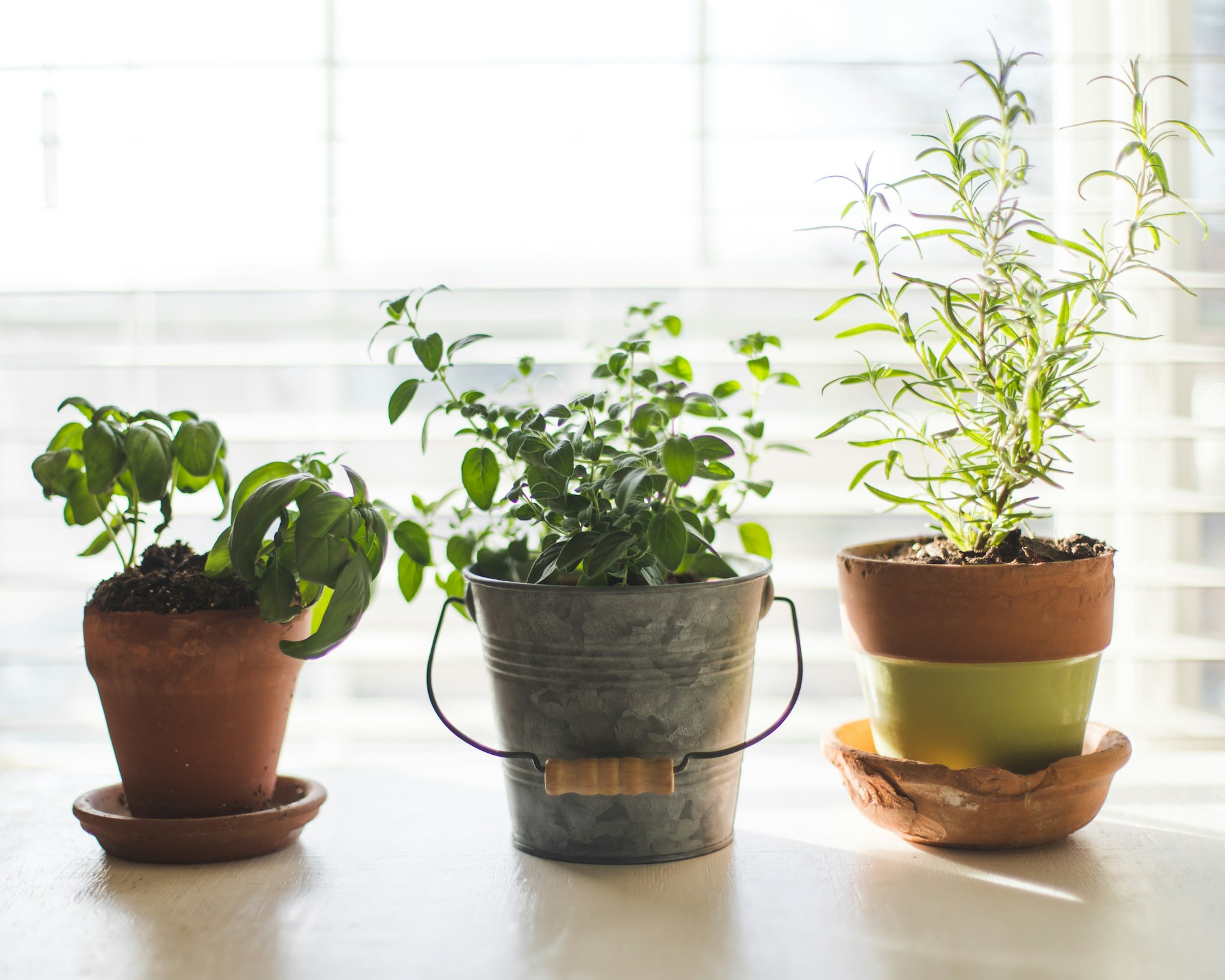
    You do not need a yard to grow herbs. A few pots on a sunny windowsill, a railing planter on an apartment balcony or a half-barrel by the back steps is enough. Herbs are forgiving, fragrant and useful, and tending them is one of the most pleasant small rituals a spring can offer. In Middle Georgia, late March and April are a good time to start, once the risk of a hard frost has passed. Check a local extension office or garden center for planting dates in your area.

    Why Herbs

    Herbs reward attention quickly. Brush a hand across rosemary or mint and the scent rises immediately. Snip a few leaves for dinner and you have used something you grew. The plants ask for a little water and a little sun, and in return they give fragrance, flavor and a reason to step outside for a moment every day. For many people, that daily check-in is the whole point.

    Six Easy Herbs to Start With

    • Basil loves heat and sun, which makes it a natural for Georgia summers. Pinch the tops to keep it bushy and delay flowering.
    • Rosemary is a woody evergreen that thrives in sun and well-drained soil. It dislikes wet feet, so do not overwater.
    • Mint is vigorous to the point of being pushy. Give it its own pot so it does not take over, and enjoy it in iced tea.
    • Thyme is low-growing and tough. It tolerates dry spells and smells wonderful underfoot.
    • Chives come back year after year and produce pretty purple flowers in spring.
    • Lemon balm, a cousin of mint, has a bright citrus scent and is very easy to grow in a pot.

    Lavender is tempting, but it struggles in humid Southern summers. If you try it, choose a container with excellent drainage and give it the sunniest, airiest spot you have.

    Containers, Soil and Light

    Most herbs want at least six hours of sun. A south- or west-facing spot is usually best. Use pots with drainage holes and a good-quality potting mix rather than garden soil, which compacts in containers. Terra cotta dries out quickly, which rosemary and thyme appreciate; plastic or glazed pots hold moisture longer, which basil and mint prefer. Group pots so you can water them in one pass.

    Daily Care as a Small Ritual

    Herbs need very little, but they like consistency. Each morning, take a minute to check the soil with a finger. Water when the top inch feels dry, less often than you think for rosemary and thyme, a little more for basil and mint in July. Pinch off yellowing leaves. Harvest a few sprigs regularly; cutting encourages new growth. Keep this check-in slow. Smell the leaves, look for new shoots and notice bees visiting the chive flowers.

    Enjoying the Harvest

    Fresh herbs make simple things better: mint and lemon balm in cold water or tea, basil torn over tomatoes, rosemary on roasted vegetables, thyme in soup. Beyond the kitchen, a sprig of rosemary in a bowl of hot water for a facial steam, a bundle of mint hung in the shower or a small vase of herb cuttings on the desk brings fragrance indoors. Dry extra stems by hanging small bundles in a dark, airy place.

    A small herb garden is not a project to complete. It is a quiet companion to the season, growing a little each day while you do the same.

  • The Rose in History: From Ancient Gardens to Modern Perfume

    In February, roses are everywhere. They fill flower shops, grocery store buckets and countless Valentine’s Day bouquets. But the rose’s role as a symbol of love and beauty is far older than any modern holiday, and its fragrance has been treasured for thousands of years.

    Ancient Roses

    Wild roses grow naturally across much of the Northern Hemisphere, and people have cultivated roses for a very long time. Roses appear in the art and poetry of many ancient cultures. In Greek and Roman mythology, the rose was associated with the goddesses of love, Aphrodite and Venus.

    The Romans were famously fond of roses. Rose petals were used in celebrations and banquets, and rose garlands were popular decorations.

    Rose Water and Distillation

    Rose water has a long and important history in Persia and the wider Middle East. The Persian scholar Ibn Sina, known as Avicenna, is often credited with refining distillation methods to produce rose water around the eleventh century. Rose water became a prized ingredient in perfumes, cooking and hospitality, a tradition that continues in many cuisines today.

    Rose oil, sometimes called rose otto when it is steam distilled, is one of the most precious materials in perfumery. It takes a very large quantity of petals to produce a small amount of oil, which is one reason it is so costly.

    The Rose Valleys

    Two rose varieties are especially famous for their fragrance:

    • Rosa damascena, the Damask rose, grown widely in Bulgaria’s Rose Valley, as well as in Turkey and Iran
    • Rosa centifolia, sometimes called the cabbage rose, long associated with perfumery in Grasse, France

    Bulgaria’s Rose Valley, near the town of Kazanlak, has been known for rose oil production for generations. The harvest happens early in the morning when the petals are said to be most fragrant.

    Roses in Modern Self-Care

    Today, rose scent appears in perfumes, soaps, lotions, candles and essential oils. Many people find it romantic, soft and comforting. Because pure rose oil is expensive, you will also find rose absolute, which is produced by a different extraction method, and rose blends diluted in a carrier oil.

    A few simple ways to enjoy rose:

    • A rose-scented lotion as part of a hand-care ritual
    • A small amount of rose water as a refreshing facial mist, after a patch test
    • Dried rose petals in a sachet or a bowl
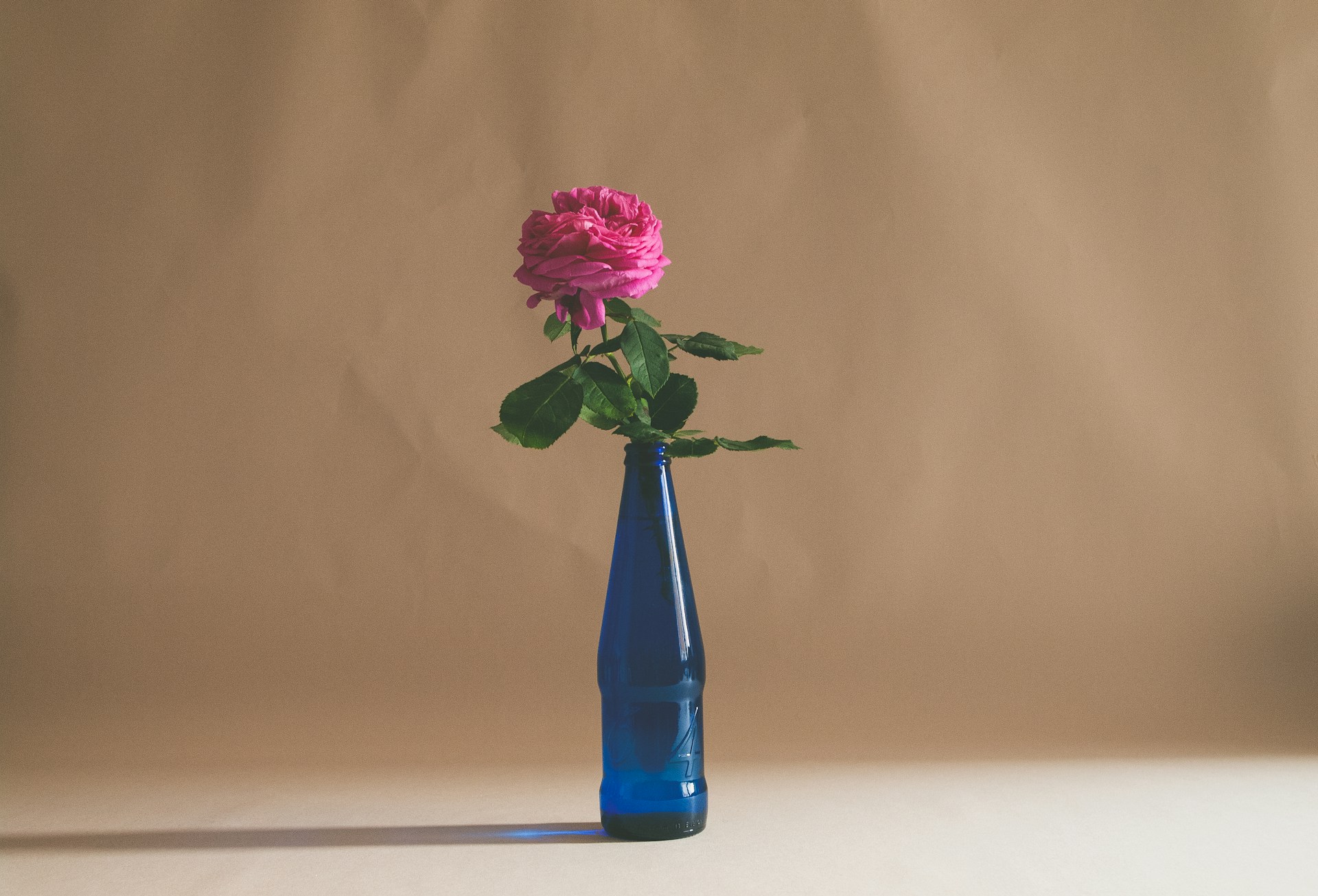
    • A single fresh rose on your nightstand

    A Note on Use

    As with any fragrance, rose products can irritate sensitive skin. Patch test new products and dilute essential oils before applying them. If you are pregnant, nursing or have health concerns, talk with your doctor before using essential oils.

    A Lasting Symbol

    From mythology to medieval gardens to modern bouquets, the rose has carried meanings of love, beauty and remembrance for thousands of years. This February, when you breathe in the scent of a rose, you are sharing in one of humanity’s oldest and loveliest traditions.

  • Lavender Through the Ages: History, Lore and Modern Use

    Lavender Through the Ages: History, Lore and Modern Use

    Few scents are as familiar as lavender. It shows up in soaps, sachets, candles and essential oils, and many people associate it with clean linens and quiet evenings. But lavender’s story stretches back a very long way, and learning about it adds a new layer of appreciation to this humble purple plant.

    A Mediterranean Native

    Lavender belongs to the mint family. Several species are native to the Mediterranean region, where they thrive in sunny, dry, rocky soil. The most common in aromatherapy is Lavandula angustifolia, often called true lavender or English lavender, though it is not originally from England.

    The plant’s name is often linked to the Latin word lavare, meaning to wash. That connection fits well with lavender’s long association with bathing and cleanliness.

    Lavender in the Ancient and Medieval World

    The Romans are known to have used fragrant herbs in their baths, and lavender is commonly associated with that tradition. In the centuries that followed, lavender found a place in monastery gardens across Europe, where monks grew many aromatic and useful plants.

    By the medieval and early modern periods, lavender was used to scent linens and clothing and was strewn on floors to freshen rooms. Small bundles and sachets tucked into drawers are a custom that has lasted to this day.

    The Lavender Fields of Provence

    Today, many people picture the rolling purple fields of Provence in southern France when they think of lavender. The region became closely associated with lavender cultivation for the perfume industry, especially around the town of Grasse, long known as a center of French perfumery. Lavender and its cousin lavandin are still grown there, and the summer bloom draws visitors from around the world.

    Lavender in Modern Self-Care

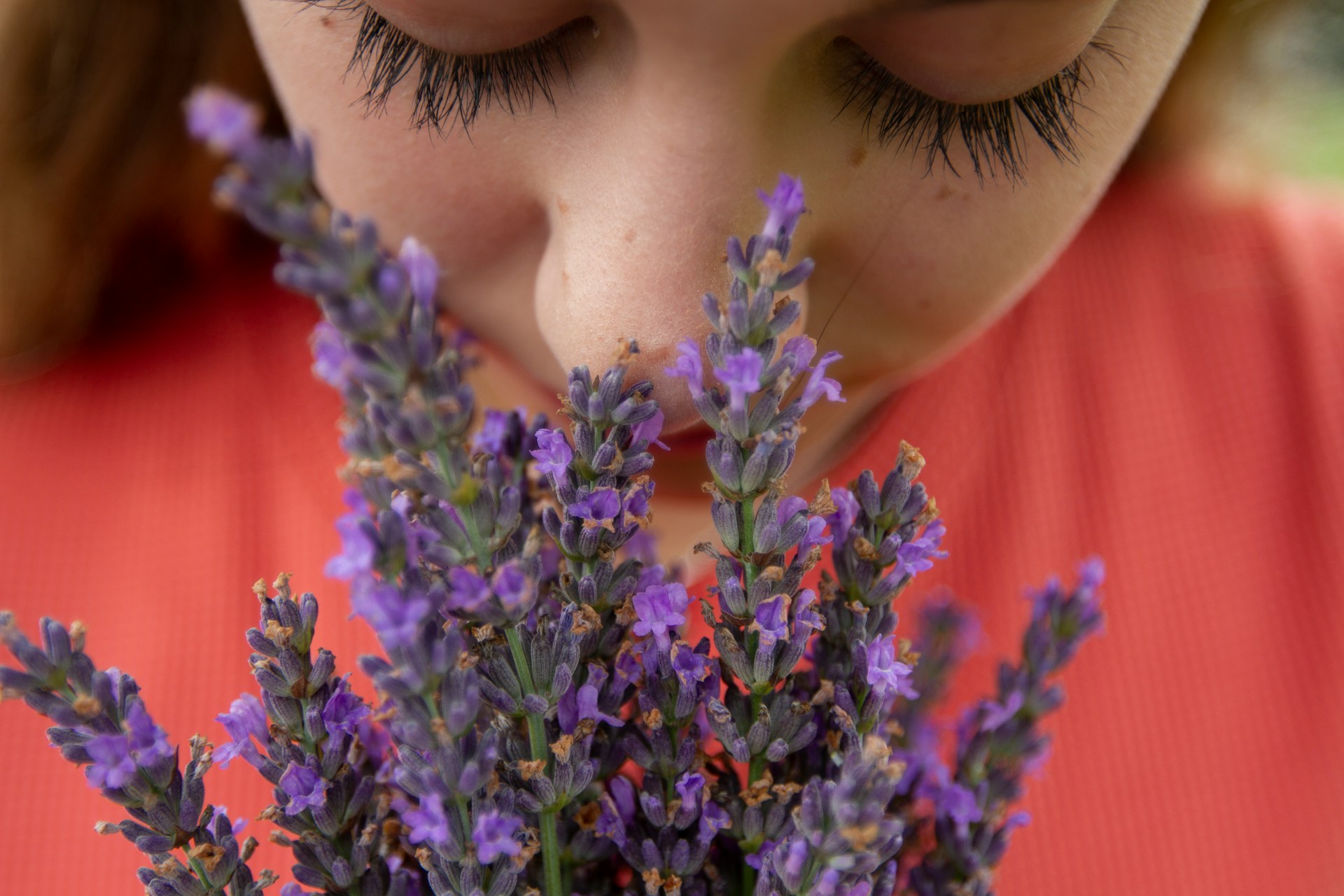
    In modern aromatherapy, lavender is one of the most popular oils. Many people enjoy its soft, floral and slightly herbal scent as part of an evening wind-down routine or a relaxing bath. Some simple ways people use it:

    • A few drops in a diffuser for a short time in the evening
    • A properly diluted blend in a carrier oil for a hand or foot massage
    • A dried lavender sachet tucked into a pillowcase or drawer
    • A cup of tea made with culinary lavender, if you enjoy the flavor

    It is important to be realistic about what scent can do. Many people find lavender pleasant and calming to smell, but that is different from treating any health condition. If you have trouble sleeping or other health concerns, talk with your doctor.

    Using Lavender Safely

    Like all essential oils, lavender oil is concentrated. Dilute it before applying to skin, patch test a new blend, and keep it away from your eyes. Store it out of reach of children and pets, and check with your doctor or veterinarian before using it around little ones, during pregnancy or near animals.

    Growing Your Own

    Lavender can be grown in many gardens, though it prefers excellent drainage and lots of sun, and it can struggle in heavy clay or very humid conditions. A local nursery or your county extension office can suggest varieties that suit your area. Even a single pot on a sunny porch can give you fragrant stems to dry and enjoy all winter.

  • Choosing a Diffuser: Ultrasonic, Nebulizing, Heat and Passive

    A diffuser is one of the simplest ways to enjoy essential oils at home. It spreads scent through a room without applying oils to the skin. But walk into any store or browse online and you will find several kinds, each working a little differently. Here is a straightforward look at the main types.

    Ultrasonic Diffusers

    Ultrasonic diffusers are probably the most common type in homes today. You fill a small reservoir with water, add a few drops of essential oil, and the device uses vibrations to create a fine, cool mist.

    What people like about them:

    • They are widely available and come in many styles.
    • They add a little moisture to the air.
    • Many have timers, light settings and automatic shut-off.

    Things to keep in mind: they need regular cleaning, since standing water can grow mold or bacteria. Follow the manufacturer’s instructions for cleaning, and empty the reservoir rather than letting water sit for days.

    Nebulizing Diffusers

    Nebulizing diffusers do not use water. Instead, they use a stream of air to break undiluted essential oil into tiny particles. The result is a stronger scent.

    What people like about them:

    • They produce a concentrated aroma.
    • There is no water to change.

    Things to keep in mind: they use oil more quickly, they can be louder, and the stronger aroma may be too much for small rooms, pets or sensitive people. Run them for short periods.

    Heat Diffusers

    Heat diffusers use gentle warmth to help oils evaporate. This category includes electric warmers as well as traditional tea light burners with a small dish on top.

    Things to keep in mind: heat can change how an oil smells. If you use a candle-based burner, never leave it unattended and keep it away from children, pets and anything flammable.

    Passive Diffusers

    Passive diffusers simply let oil evaporate naturally. Examples include reed diffusers, clay or terracotta pieces, wooden beads, and aromatherapy jewelry. They are quiet, need no electricity and offer a subtle scent best suited to small spaces.

    Using Any Diffuser Thoughtfully

    Whatever style you choose, a few habits help keep the experience pleasant:

    • Start with fewer drops than you think you need.
    • Run the diffuser for short periods, such as thirty minutes, then take a break.
    • Use it in a ventilated room, and give people and pets a way to leave the space.
    • Be especially careful around cats, dogs, birds and small animals, and ask your veterinarian before diffusing around them.
    • Talk with your doctor before diffusing around infants, young children, anyone who is pregnant or people with asthma or other breathing concerns.
    • Turn off and unplug electric diffusers when not in use.

    The best diffuser is the one that fits your space and your routine. For many people, a simple ultrasonic diffuser on a timer is an easy, pleasant way to bring a favorite scent into the home on a quiet winter evening.

  • What Is the Raindrop Technique? An Introduction to the Experience

    The Raindrop Technique is an aromatherapy experience that combines a series of essential oils with gentle touch along the spine, back and feet. Its name comes from the way oils are dispensed in small drops from a short height above the back, like a light rain. For many people, it is a soothing, fragrant way to spend time resting.

    This article describes the experience in general terms. For details about how we offer it, please visit our services page or contact us.

    Where the Technique Comes From

    The Raindrop Technique was developed in the late twentieth century by D. Gary Young, the founder of the essential oil company Young Living. It draws on a blend of influences, including light massage techniques and a longstanding interest in aromatic oils. Today it is offered at a range of wellness studios and spas, and practitioners may vary slightly in how they present it.

    What a Session Typically Looks Like

    Every practitioner has their own approach, but a session often unfolds something like this:

    • You lie face down on a comfortable table, usually with your back uncovered and the rest of your body draped.
    • The practitioner may begin with the feet, applying oils and using light touch.
    • A sequence of essential oils is dropped, one at a time, from a few inches above the spine.
    • Each oil is spread with soft, feathering strokes moving up the back.
    • Light massage may follow along the muscles beside the spine.
    • Warm towels are often placed on the back near the end of the session.

    The sensation is generally light rather than deep. Many people describe the feathering strokes as calming and the fragrance as one of the most memorable parts.

    The Aromas

    The oils used in the technique usually include a mix of herbal, woody and minty scents. Because the blend is fragrant and fairly strong, it is a good idea to let your practitioner know if you are sensitive to scent or have had reactions to essential oils before. Some oils used in aromatherapy can feel warm or tingly on the skin, so speak up if anything feels uncomfortable.

    Who Should Check First

    Because the technique involves several essential oils applied to the skin, some people should talk with their doctor before booking. This includes anyone who is pregnant or nursing, people with sensitive skin, known allergies, or breathing concerns such as asthma, and anyone taking medications. Be sure to share any health information your practitioner asks for during intake.

    It is also worth being clear about what the experience is. The Raindrop Technique is a relaxation and aromatherapy experience. It is not a medical treatment and should never replace care from your doctor.

    Tips for Your Visit

    • Wear comfortable clothes and avoid heavy lotions on your back that day.
    • Plan for a little quiet time afterward, since many people prefer not to rush.
    • Expect the scent to linger on your skin for a while.
    • Drink some water and take your time getting up from the table.

    If you are curious about aromatherapy and enjoy gentle touch, the Raindrop Technique offers an unhurried, fragrant hour. Arrive with questions, share your preferences, and simply let yourself rest.