Tag: home

  • Fans, Parked Cars and the Hottest Hour: Summer Cooling Myths and Facts

    Fans, Parked Cars and the Hottest Hour: Summer Cooling Myths and Facts

    Southerners have been finding ways to beat the heat for a very long time, and a good deal of folk wisdom has gathered along the way. Some of it is sound. Some of it is not. Here are six common summer beliefs, gently checked against what is actually known.

    At home

    Myth: A fan cools the room. Fans do not lower the temperature of the air. They create a breeze that helps sweat evaporate from your skin, which makes you feel cooler. That means a fan running in an empty room is cooling no one. The U.S. Department of Energy suggests turning fans off when you leave a room.

    Myth: Ceiling fan direction does not matter. It does. In summer, a ceiling fan should spin counterclockwise when you look up at it, pushing air down toward you for a cooling breeze. Most fans have a small switch on the motor housing to change direction, and many people reverse it for winter.

    Myth: Setting the thermostat very low cools the house faster. Most home air conditioners cool at the same rate no matter how low you set them. A much lower setting simply makes the system run longer and use more energy, and the house may end up colder than you wanted. Choose the temperature you actually want and give the system time to reach it.

    On the road

    Myth: Cracking the windows keeps a parked car safe. A closed car heats up very quickly in the sun, even on a day that feels only warm, and cracking the windows does little to slow it. Never leave a child, an older adult or a pet in a parked car, not even for a quick errand. It is also wise to check the back seat every time you leave the car, and to keep cars locked so children cannot climb in on their own.

    Outdoors

    Myth: Noon is the hottest part of the day. It depends on what you mean by hot. The sun’s ultraviolet light is strongest around the middle of the day, when the sun is highest. Air temperature, though, usually keeps climbing into mid to late afternoon, because the ground and pavement go on absorbing heat for hours. For outdoor plans in summer, the most comfortable hours are early morning and evening.

    Myth: If it is not raining, lightning is not a danger. Lightning can strike miles away from the rain. The National Weather Service advises that if you can hear thunder, you are close enough to be struck, and recommends going indoors and waiting until thirty minutes after the last thunder before heading back out. On summer afternoons in Georgia, when storms build quickly, that is worth remembering at the pool, the ballfield and the lake.

    The common thread

    Most of these myths grow from good instincts: wanting to cool off quickly, trusting the breeze, making a quick stop. The facts simply refine them. Use fans for people, not rooms. Let the thermostat do its work. Think of a parked car as dangerous, always. Plan around both the midday sun and the afternoon heat, and respect the thunder. A Georgia summer is easier to enjoy when the habits we lean on are ones that truly work.

  • A Jar of Garden Flowers: The Mindful Ritual of Bringing the Outdoors In

    A Jar of Garden Flowers: The Mindful Ritual of Bringing the Outdoors In

    There is a particular pleasure in walking the yard on a May morning with a pair of scissors and a jar of water, looking for what is ready. A few stems of hydrangea, a sprig of mint, a branch of something green: brought indoors and set on the kitchen table, they change the feel of a room. The arranging itself can be a small, absorbing ritual, the kind of task that quiets the mind because it asks for your full attention.

    A lesson from ikebana

    Ikebana, the Japanese art of arranging flowers, grew out of flower offerings made at Buddhist temples and developed over centuries into a formal discipline with many schools. Its oldest school traces its roots to a temple in Kyoto. Where Western arrangements often aim for abundance, ikebana values line, empty space, asymmetry and a clear sense of the season.

    You do not need to study ikebana to borrow its spirit. Try choosing three stems instead of thirty. Let one be tall, one medium and one short. Leave space between them and notice how the gaps make each stem easier to see. A single branch in a bottle, placed with care, can be more striking than a crowded bouquet.

    Cutting and conditioning, the simple way

    • Cut in the cool of the early morning or evening, when stems are full of water. Midday cuttings in the Georgia heat tend to wilt quickly.
    • Carry a bucket or jar of water with you and put stems in as soon as you cut them.
    • Recut each stem at an angle indoors, and strip off any leaves that would sit below the waterline.
    • Let the stems rest in cool water for an hour or two before arranging, which helps them settle and drink.
    • Change the water every day or two and trim the stems again when you do.

    What a late-spring yard offers

    Look beyond the obvious flower beds. Early hydrangea heads, roses and gardenias make lovely cut flowers, and as the season moves on, zinnias and black-eyed Susans join them. Herbs such as mint, basil and rosemary add fragrance and a casual, kitchen-garden look. Ferns, magnolia leaves, ivy and bare twigs supply line and greenery when flowers are scarce. Even a few grasses or seed heads can be beautiful on their own.

    Two cautions are worth keeping in mind. Cut only from your own yard or with permission, and leave wildflowers in parks and natural areas where they grow. And if you share your home with cats, keep lilies out of the house entirely, because they are highly toxic to cats. The ASPCA maintains a list of plants that are toxic to pets, and your veterinarian can answer questions about others.

    Making it a weekly practice

    The ritual works best when it is small and regular. Choose one day a week, perhaps Saturday morning, and fill one jar. Arrange slowly. Turn the jar to find its best side. Notice the smell of the stems, the weight of the water, the way the light falls across the petals. When the flowers fade, compost them and begin again.

    Over a summer, the jar becomes a quiet record of the season: gardenias giving way to hydrangeas, herbs to zinnias, green to gold. It is a reminder, right there on the table, that something is always blooming if you take the time to look.

  • Keeping Cool Naturally: Shade, Airflow and Lessons From the Old Southern Porch

    Keeping Cool Naturally: Shade, Airflow and Lessons From the Old Southern Porch

    Walk through an older neighborhood in Macon and you can read the history of staying cool in the houses themselves. Deep porches, tall windows, high ceilings, shade trees planted decades ago. None of it was decoration. These were the tools that made a Georgia summer livable before air conditioning, and they still work. Even with a thermostat on the wall, borrowing a few of those habits can make a home feel calmer and more comfortable.

    Shade is the first defense

    Sunlight that never reaches a wall or window never has to be cooled. Old Southern houses used wide roof overhangs, porches on the sunny sides, shutters and awnings to keep direct sun off the building. Trees did the rest, especially deciduous ones that shade in summer and let light through in winter.

    Today that translates to closing blinds or curtains on the east side in the morning and the west side in the afternoon, using exterior shades or awnings where you can and valuing the trees you have. A sunny window with the blinds open can heat a room faster than any appliance.

    Moving air is cool air

    A breeze across the skin feels several degrees cooler than still air at the same temperature, because it helps sweat evaporate. Old houses were built for cross-ventilation: windows on opposite walls, transoms above doors and central hallways that let air pass straight through. Early mornings and evenings were for opening everything up; the hot afternoon was for closing it down.

    A ceiling fan does the same job quietly. Set to turn counterclockwise in summer, it pushes air down onto the people in the room. Fans cool people rather than rooms, so turn them off when you leave. On mild nights in May, a box fan in a window pulling in cool air can make the whole house pleasant by morning.

    The porch as a room

    The porch was the original summer living room: shaded, open to any breeze, a few steps from the kitchen and far from the heat that cooking put into the house. People ate there, shelled peas there, visited there and slept there on the hottest nights.

    If you have a porch, use it as a room. A couple of comfortable chairs, a small table, a fan and a lamp turn it into the best seat in the house from May through early fall, at least in the morning and evening hours.

    Work with the day

    The older rhythm of Southern life followed the heat. Hard work happened early. The middle of the day was for slower tasks, shade and rest. Evenings were for cooking lightly, sitting outside and letting the house cool.

    • Cook early or late, and use the grill or a cold supper on the hottest days
    • Run the dryer and dishwasher in the evening rather than at noon
    • Save errands and yard work for morning
    • Give the afternoon permission to be slow

    Air conditioning changed the South profoundly, and few of us would give it up. But the porch, the breeze, the shade tree and the slow afternoon were never only about temperature. They were about living in a rhythm that matched the place, and that is a kind of rest worth keeping.

  • Packing Away Winter: A Calm Closet Swap for Late Spring

    By the middle of May, the sweaters in a Middle Georgia closet are mostly taking up space. The heavy coat has not moved in weeks, and getting dressed means pushing past wool to find something you can actually wear in eighty-five degrees and humidity. A seasonal closet swap is a small project with a surprisingly large payoff: calmer mornings and a closet that fits the season you are in.

    Why a swap makes mornings easier

    Every item in sight is a small decision waiting to be made. When the closet holds only what suits the weather, there are fewer choices and fewer false starts. You open the door and everything in front of you is wearable. On a hot morning when you are already running late, that simplicity is a gift to your future self.

    Clean before you store

    The most important step happens before anything goes into a bin. Wash or dry-clean cold-weather clothes before storing them, even if they look clean. Traces of body oils, food and perfume can set into stains over the summer and tend to attract fabric pests such as moths and carpet beetles. Make sure everything is completely dry before it is put away.

    Georgia humidity calls for a little extra care with storage:

    • Store clothes inside the air-conditioned part of the house, such as under a bed or on a closet shelf. Attics, garages and sheds get hot and damp in summer.
    • Use breathable cotton storage bags, or bins with some airflow, for natural fibers. Tightly sealed plastic can trap moisture.
    • Fold sweaters rather than hanging them, so they keep their shape.
    • Tuck in cedar blocks or lavender sachets if you enjoy the scent. They make storage smell pleasant, though clean clothes and a cool, dry spot matter more for keeping pests away.

    Edit as you go

    A swap is the easiest time to declutter, because every item passes through your hands anyway. Make three piles: keep, donate and mend. A simple question helps: did I wear this at all last winter? If not, it may be ready for someone else. Put the mending pile somewhere visible and give it a deadline, or it will quietly become next year’s mending pile, too.

    Do the same with summer clothes as they come out. Anything that no longer fits, feels uncomfortable in the heat or simply does not make you happy can go straight to the donation bag.

    Set up the summer closet

    Put the breathable, everyday pieces where they are easiest to reach. Keep one light layer handy for chilly offices, restaurants and movie theaters. Hang a sun hat by the door and set sandals where you can step into them. Give the empty drawers a quick wipe and fresh liners, or a sachet of dried herbs, before refilling them.

    Make the job pleasant. Choose a cool morning, put on some music and work one section at a time rather than emptying everything at once. When you are finished, the closet will feel lighter, and so, most likely, will you.

  • Himalayan Salt Lamps: What They Are and What They Are Not

    Himalayan Salt Lamps: What They Are and What They Are Not

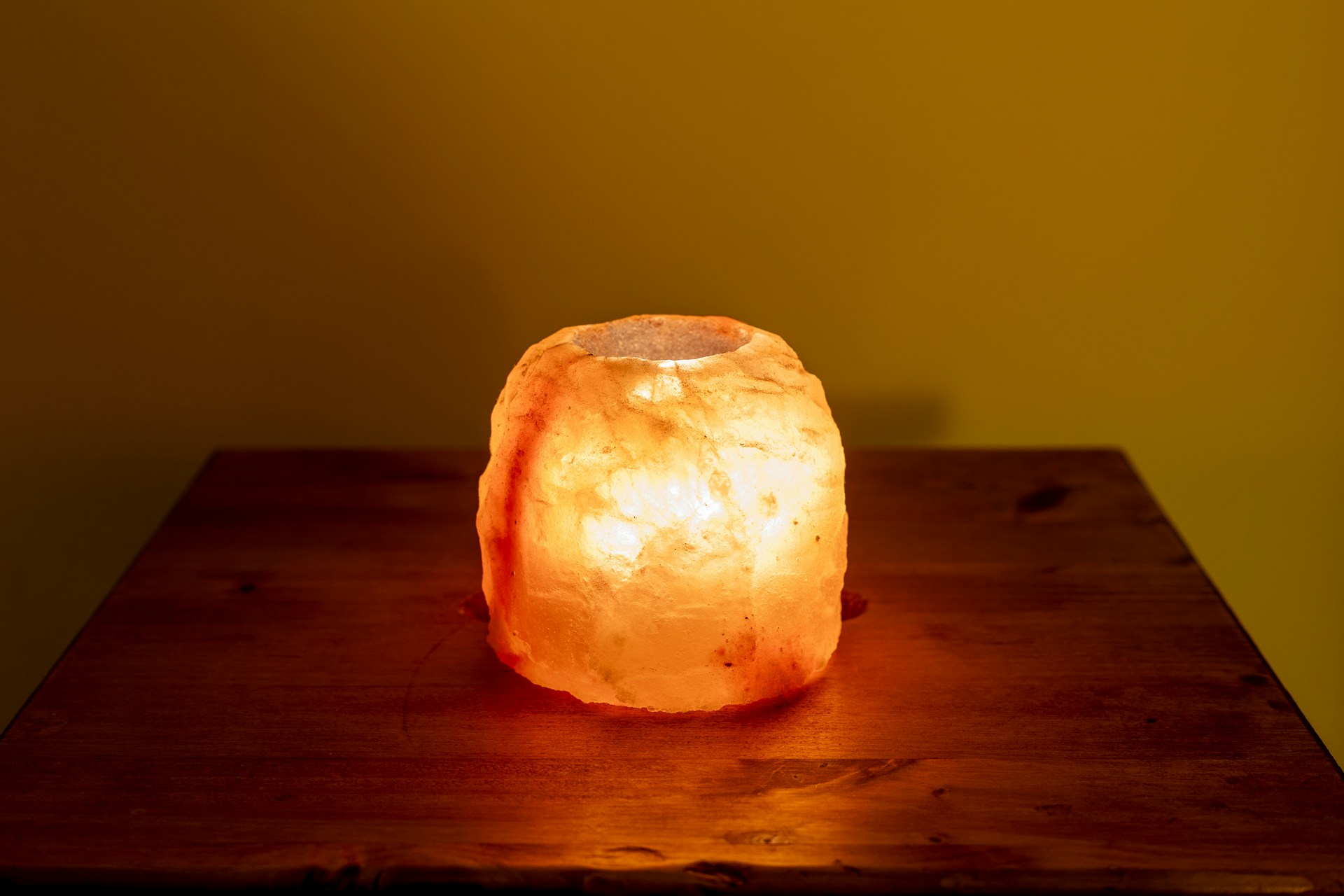
    Himalayan salt lamps have become a fixture of bedrooms, yoga studios and gift shops. A rough chunk of pink salt with a bulb inside gives off a warm orange glow that many people find soothing. They are also sold with a long list of promised benefits, most of which do not stand up to scrutiny. Here is an honest look at what a salt lamp is, what it is not, and how to enjoy one for what it genuinely offers.

    Where the Salt Comes From

    Despite the name, most of the salt in these lamps does not come from the high Himalayas. It is mined in the Khewra region of Punjab, Pakistan, in the foothills, from one of the largest and oldest salt mines in the world. The deposits formed from an ancient sea hundreds of millions of years ago, and the pink and orange color comes from trace minerals, mostly iron, in the salt.

    A lamp is simply a block of this salt hollowed out to hold a small bulb, mounted on a wooden base. The bulb warms the salt slightly and lights it from within.

    The Claims

    Salt lamps are often said to release negative ions, purify the air, improve sleep, ease breathing and lift mood. We will be direct: there is no good evidence for any of these. The amount of ionization produced by a gently warmed block of salt is negligible, far too small to affect the air in a room. Independent testing has not found meaningful air-cleaning effects. If you have concerns about air quality, sleep or breathing, those are questions for your doctor, not for a lamp.

    This does not mean salt lamps are a scam. It means they are decor. Many of the things we love in our homes, from candles to wind chimes to a vase of flowers, make no health claims at all and are valued simply for how they make a space feel.

    What They Actually Offer

    The genuine appeal of a salt lamp is its light. The glow is warm, dim and amber, sitting at the opposite end of the spectrum from the cool blue light of screens. In the evening, replacing bright overhead lighting with low, warm sources is widely suggested as part of a calm wind-down, and a salt lamp is a pleasant way to do that.

    The lamps are also simply attractive objects, each one different, with a rough texture that catches light in interesting ways. As a nightlight in a hallway or a soft glow on a bedside table, they do their job well.

    Practical Notes

    • Salt attracts moisture. In humid Georgia air, a lamp that is switched off for long periods may begin to sweat and leave a puddle or a white crust on the surface beneath it. Running the bulb regularly keeps it dry, and a dish or coaster under the base protects furniture.
    • Buy from a reputable seller and look for a safety certification on the cord and dimmer. Some inexpensive lamps have been recalled in the past for electrical hazards.
    • Keep lamps out of reach of pets. Cats and dogs may lick the salt, and too much salt is harmful to animals. Ask your veterinarian if you have concerns.
    • Use the bulb wattage specified by the maker, and unplug the lamp when you leave for several days.

    Enjoying One Honestly

    If you own a salt lamp, or want one, there is no reason to feel foolish. Turn it on in the evening, let it be the only light in the room for a while, and enjoy the glow for exactly what it is: a warm, pretty light that makes a bedroom feel softer. That is a real pleasure, and it does not need a list of invented benefits to justify it.

  • Switching Your Bed to Spring: Lighter Layers, Fresh Linens and Cooler Nights

    Switching Your Bed to Spring: Lighter Layers, Fresh Linens and Cooler Nights

    There is a particular pleasure in the first night you sleep under a lighter blanket with the window cracked open. In Middle Georgia, that night usually arrives in April. Switching your bed from winter to spring is a small seasonal ritual that improves sleep comfort and gives you a reason to wash, air and refresh everything you spend a third of your life on. This is general information about comfort; if you have ongoing sleep trouble, talk with your doctor.

    Why Bedding Matters More in Warm Weather

    Most people sleep better when they are slightly cool, and body temperature naturally drops through the night. In winter, heavy layers help you reach a comfortable warmth. In spring, those same layers trap heat and lead to the familiar pattern of kicking off the comforter at two in the morning and pulling it back at four. Lighter, breathable bedding lets your body regulate itself and makes the small hours less restless.

    A Spring Bed Changeover

    Pick a sunny, breezy day with a low pollen count if you can, and work through the bed from the bottom up:

    • Strip everything and let the mattress air for an hour with the window open.
    • Vacuum the mattress surface and rotate it end to end if the manufacturer recommends it.
    • Wash the mattress protector, pillow protectors and any washable pillows following their care labels. Dry pillows fully, with a couple of clean tennis balls in the dryer to keep them fluffy.
    • Fold and store the heavy comforter or duvet insert, clean, in a breathable cotton bag rather than plastic.
    • Replace it with a lightweight quilt, a cotton blanket or a summer-weight duvet insert.
    • Make the bed with fresh sheets and, if you like, an extra light blanket folded at the foot for cool nights.

    The whole process takes an afternoon and feels like a small spring cleaning in itself.

    Choosing Fabrics for Warm Nights

    Fiber matters more than thread count in warm weather. Cotton percale has a crisp, cool feel and breathes well. Linen is more textured and softens with every wash; it is especially good in humidity. Bamboo-derived fabrics and lightweight cotton sateen are smooth and cool against the skin. Flannel and heavy sateen are best packed away until fall. For a blanket, a loosely woven cotton or a thin quilt gives weight without heat.

    Light colors feel fresher in spring, though that is purely a matter of mood. Many people keep one set of crisp white or pale sheets for the warm months simply because they look cool.

    The Pleasure of Fresh Linens

    Clean sheets are one of life’s reliable small pleasures. In spring, wash them a little more often than in winter, since warmer nights mean more sweat and open windows mean more pollen. If you have a clothesline and a low-pollen day, line-dried sheets carry a scent no product can imitate. Otherwise, a lavender or cedar sachet in the linen closet, or a light mist of a hydrosol on the pillowcase, adds a gentle fragrance. Keep scent subtle in the bedroom; less is more where you breathe all night.

    Small Additions for Cooler Sleep

    • A ceiling fan or a quiet floor fan set on low moves air and adds a soft, steady sound many people sleep well to.
    • Open windows in the evening to let the house cool, then close them if pollen or noise is a concern.
    • Lightweight cotton or linen sleepwear, or none at all.
    • A glass of water on the nightstand for warm nights.

    Spring nights in Georgia are brief and lovely, a few weeks between the chill and the air-conditioned season. A bed made for them, light and fresh and cool, is a simple way to enjoy every one.

  • Choosing a Candle: Soy, Beeswax, Paraffin and Scent Safety

    Choosing a Candle: Soy, Beeswax, Paraffin and Scent Safety

    A candle is one of the simplest ways to change the feel of a room. The small flame, the slow pool of melted wax and a scent chosen with care turn an ordinary evening into something gentler. But candles vary a great deal in what they are made of and how they burn, and the labels can be confusing. Here is a plain guide to choosing a candle and enjoying it safely.

    What Candles Are Made Of

    Most candles use one of a few waxes, each with its own character:

    • Paraffin is the most common and least expensive. It is a petroleum byproduct, holds fragrance well and burns with a bright flame.
    • Soy wax is made from hydrogenated soybean oil. It burns cooler and slower than paraffin, which stretches a candle’s life, and it has a softer, more muted scent throw. Many soy candles are blends, so check the label if it matters to you.
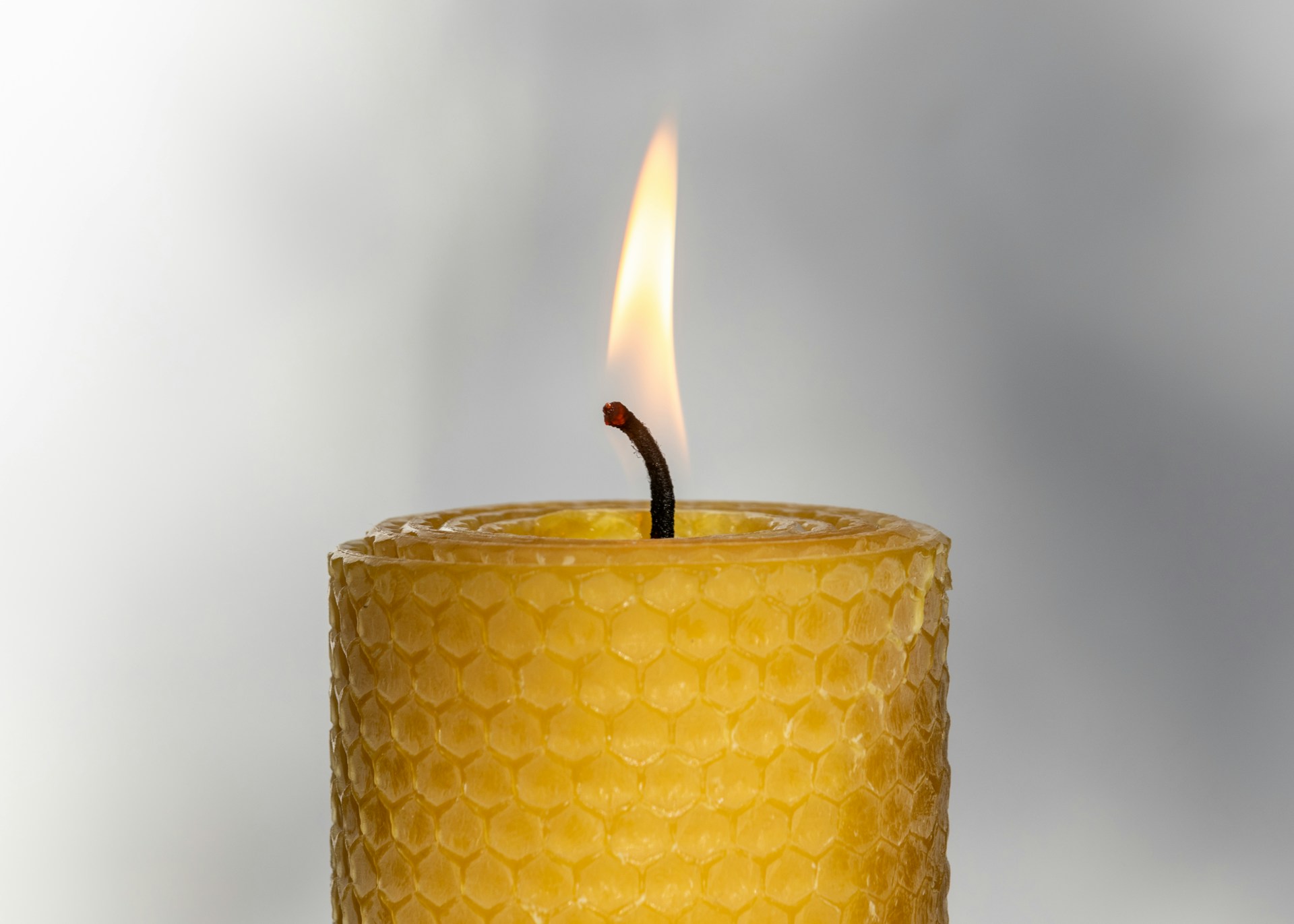
    • Beeswax is the oldest candle wax and the most expensive. It burns slowly and cleanly, with a faint natural honey scent and a warm glow. Pure beeswax candles are rarely heavily fragranced.

    None of these is wrong. Soy and beeswax are often marketed as cleaner, and they do tend to produce less soot when burned properly, but a well-made candle of any wax, with a properly trimmed wick, burns reasonably cleanly.

    Wicks

    Most wicks today are braided cotton, sometimes with a paper or thin zinc core for stability. Lead-core wicks were banned in the United States in 2003, so this is no longer a concern for candles sold here. Whatever the material, the wick should be trimmed to about a quarter of an inch before each lighting. A long wick is the main cause of smoking, soot and a flame that flickers too high.

    Scent

    Candles are scented with fragrance oils, essential oils or a mix. Fragrance oils are blends created by perfumers and include synthetic and natural components; they offer the widest range of scents and the strongest throw. Essential oil candles smell more like the plant itself and tend to be subtler, since many essential oils do not survive heat well. A candle labeled natural is not necessarily made with essential oils, and one made with fragrance oil is not necessarily lower quality. Smell before you buy if you can, and remember that a scent that fills a shop may be too strong for a bedroom.

    If you are sensitive to fragrance, have asthma or live with someone who does, unscented beeswax or a very lightly scented candle is the gentler choice. Talk with your doctor if burning candles seems to bother your breathing.

    Burning Safely

    Candles are open flames, and the basic rules bear repeating:

    • Never leave a burning candle unattended or go to sleep with one lit.
    • Keep candles well away from curtains, bedding, books and anything else that can catch.
    • Burn on a stable, heat-resistant surface, out of reach of children and pets.
    • Let a new candle burn long enough on the first lighting for the melted wax to reach the edges of the container, usually an hour or two. This prevents tunneling later.
    • Do not burn for more than a few hours at a time, and stop when half an inch of wax remains.
    • Keep a window cracked in small rooms.

    Candles and Calm

    Part of a candle’s appeal is the small ceremony of lighting it. Many people light the same candle each evening as a signal that the working day has ended, or save one scent for bath nights. Battery candles provide the glow without the flame for bedrooms and bathrooms, and they are the right choice around small children. However you use them, a candle asks you to pause, strike a match and watch a flame catch, and that moment is part of the pleasure.

  • Houseplants and Calm: Your Questions About Easy Indoor Greenery, Answered

    Houseplants and Calm: Your Questions About Easy Indoor Greenery, Answered

    Houseplants have a way of making a room feel calmer, and spring is the easiest time to start keeping them: light is improving, growth is picking up and nurseries are full. But many people have been burned by a dead fern or a leggy succulent and are wary of trying again. Here are answers to the questions people most often ask about easy indoor greenery. We make no health claims about plants, only the observation that tending something green is a pleasant daily ritual.

    Do houseplants really clean the air?

    This claim is everywhere, and it traces back to a small study done decades ago in sealed chambers. Later research has suggested that in a real home with normal air exchange, you would need an impractical number of plants to make a measurable difference. So, honestly, no, not in any meaningful way. Houseplants are worth having because they are beautiful, because caring for them is satisfying and because a bit of living green changes how a room feels. That is reason enough.

    Which plants are hardest to kill?

    A few are famously forgiving:

    • Snake plant, which tolerates low light and infrequent watering.
    • Pothos, a trailing vine that grows in almost any light and tells you when it is thirsty by drooping slightly.
    • ZZ plant, glossy and slow-growing, happy to be ignored for weeks.
    • Spider plant, which produces baby plants on long stems and is easy to share.
    • Peace lily, which wilts dramatically when dry and recovers within hours of watering.

    Start with one or two of these before moving on to anything fussier.

    How often should I water?

    This is the question behind most dead plants, and the answer is: less often than you think. Overwatering kills far more houseplants than underwatering. Instead of a schedule, check the soil. Push a finger an inch or two in. If it is damp, wait. If it is dry, water thoroughly until it runs out the drainage hole, then empty the saucer. Most of the plants above want to dry out between waterings. In spring and summer, when plants are growing, they drink more; in winter, much less.

    As for light, most houseplants come from forest floors and prefer bright, indirect light, the kind found a few feet back from a sunny window or right beside a north- or east-facing one. Direct afternoon sun through glass can scorch leaves. Very dark corners will slowly starve almost anything, though snake plants and ZZ plants tolerate dimness better than most. If a plant leans or stretches toward the window, it wants more light. Rotate pots a quarter turn each week so growth stays even.

    Are houseplants safe around pets and children?

    Not all of them. Several popular plants, including pothos, peace lily and many true lilies, can cause problems if chewed or eaten. If you have cats, dogs or small children, check each plant before you buy it and keep questionable ones out of reach. Your veterinarian or pediatrician can advise, and the ASPCA maintains a widely used list of plants and their effects on animals. Spider plants and many ferns are generally considered safer choices.

    How do I make plant care feel like a ritual rather than a chore?

    Group your plants so they can be checked in one pass. Pick a regular morning, perhaps Sunday, to walk through with a watering can and a cloth for dusting leaves. Go slowly. Look at each plant, notice new growth, turn the pot, remove a yellow leaf. Ten minutes a week is plenty for a small collection. Many people find this quiet circuit becomes one of the most grounding parts of the weekend, a small act of care that asks for attention and gives back a greener, calmer room.

  • Keeping Your Home Fresh During Pollen Season: Everyday Housekeeping Habits

    Keeping Your Home Fresh During Pollen Season: Everyday Housekeeping Habits

    During a Middle Georgia spring, pollen finds its way indoors on shoes, clothes, pets and the breeze through an open door. It settles on windowsills and coffee tables and turns dust cloths yellow. Keeping the house feeling fresh through the peak weeks is mostly a matter of a few steady habits rather than deep cleaning. This is general housekeeping information; if anyone in your home has allergies or breathing concerns, talk with a doctor about what matters most for them.

    Stop It at the Door

    The simplest step is to keep as much pollen as possible from coming in at all.

    • Place a sturdy mat outside and a washable mat inside each entrance.
    • Make the entryway a shoes-off zone with a basket or bench nearby.
    • Hang a lightweight jacket by the door to wear for yard work so your everyday clothes stay cleaner.
    • Keep a damp cloth or pet wipes near the door for dogs and cats who go outside.

    Windows, Doors and Air

    Spring air is lovely, and it is hard to resist throwing the windows open. On the heaviest pollen days, especially dry, windy mornings, it helps to keep them closed and save fresh-air hours for the evening or the day after a rain. If you use central air, check the filter at the start of the season. Many manufacturers suggest changing filters more often during high-use periods; follow the instructions for your system. Window screens can be rinsed with a hose, since they collect a visible film.

    A Light Daily Pass

    Rather than one exhausting cleaning day, aim for a quick pass through the rooms you use most:

    • Wipe flat surfaces with a damp microfiber cloth. Dry dusting tends to push pollen into the air, while damp cloths pick it up.
    • Vacuum high-traffic floors every day or two during peak weeks. A vacuum with a good filter holds onto fine dust better.
    • Shake out and wash entry mats weekly.
    • Run a damp mop over hard floors near doors.

    Ten minutes a day is usually enough to keep things feeling clean, and the routine itself can be oddly calming when done with a little music on.

    Laundry and Linens

    Clothes worn outdoors carry pollen into closets and onto furniture. Keep a hamper near the door or in the bathroom so changing is easy. During the peak weeks, consider drying laundry indoors or in a machine rather than on an outdoor line, where sheets and towels become pollen collectors. Wash bedding, especially pillowcases, a little more often than usual. Curtains in the rooms you use most can go through a gentle cycle once the worst of the season has passed.

    Cars and Porches

    Pollen is most visible on cars and outdoor furniture. A regular rinse keeps it from building into a thick layer. For a porch or patio you want to use, a quick hose-down and a wipe of the chairs before sitting makes the space far more pleasant. Store cushions in a bin or indoors during the heaviest weeks.

    The yellow season is short, usually a few weeks, and it ends with some of the most beautiful days of the year. A few habits at the door, a damp cloth and a well-timed open window are all it takes to keep the house feeling like a calm place to come home to.

  • Refreshing Your Self-Care Space for the Coming Spring

    Refreshing Your Self-Care Space for the Coming Spring

    In Middle Georgia, the first signs of spring often appear before February ends. Daffodils push up, red maples begin to bloom and the days stretch a little longer. It is a natural moment to look around your home, especially the spaces where you rest and care for yourself, and give them a gentle refresh.

    This is not about a massive spring cleaning marathon. It is about tending a few small spaces so they feel calm and inviting.

    The Bathroom Cabinet

    Start with the place many of us store skincare and self-care products:

    • Take everything out and wipe down the shelves.
    • Check expiration dates and the small open-jar symbol on products.
    • Set aside anything that has changed in smell, color or texture.
    • Discard expired sunscreen, since it may not work as labeled.
    • Group what is left by use: morning, evening, occasional.

    Dispose of old products according to local guidelines, and ask your pharmacist about safe disposal of any medications.

    Your Essential Oil Collection

    Essential oils change over time, especially citrus and conifer oils. Take inventory:

    • Smell each oil and note any that seem sour or flat.
    • Check that caps are tight and droppers are clean.
    • Label bottles with the date opened if you have not already.
    • Store everything in a cool, dark place, out of reach of children and pets.

    Clean Your Diffuser

    Diffusers can build up residue over the winter. Follow the manufacturer’s cleaning instructions, which often involve a gentle wipe and a rinse with water or a little white vinegar. Let it dry completely before using again.

    The Bedroom

    Your bedroom deserves a refresh too:

    • Wash or air out heavy winter blankets and store them.
    • Switch to lighter bedding as nights warm up.
    • Wash pillows or pillow covers according to their care labels.
    • Clear off the nightstand.
    • Dust lamps and shelves.
    • Open windows on a mild day to let in fresh air, keeping in mind that pollen season may be beginning.

    A Reading or Rest Corner

    If you have a favorite spot for reading, journaling or quiet time, give it some attention. Shake out cushions, wash throws, return books to the library and refresh any plants with a little water and a sunny spot. You might add something seasonal, such as a small vase of fresh flowers or a bright new candle.

    Make Room for New Routines

    As you clear out, consider what you want your spring self-care to look like. Perhaps you want to spend more time outdoors, start a morning walk or try a new relaxing experience. Leaving a little empty space on a shelf or in your schedule makes room for something new.

    A Gentle Pace

    You do not need to do this all in one day. Pick one space each weekend and enjoy the process. Open the windows, put on music and let the work feel like a fresh start rather than a chore. By the time spring fully arrives, your home will feel ready to welcome it.