
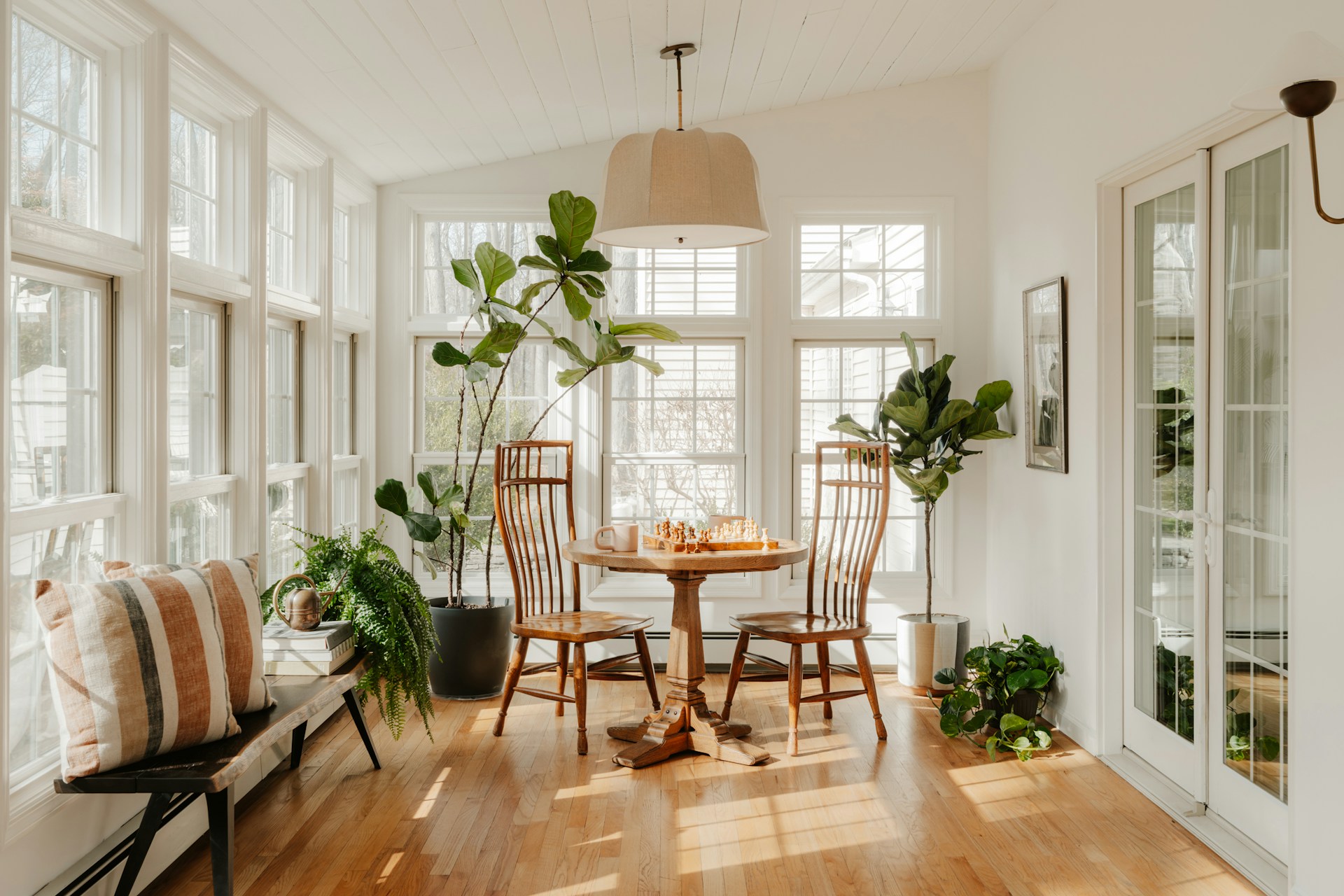
Houseplants have a way of making a room feel calmer, and spring is the easiest time to start keeping them: light is improving, growth is picking up and nurseries are full. But many people have been burned by a dead fern or a leggy succulent and are wary of trying again. Here are answers to the questions people most often ask about easy indoor greenery. We make no health claims about plants, only the observation that tending something green is a pleasant daily ritual.
Do houseplants really clean the air?
This claim is everywhere, and it traces back to a small study done decades ago in sealed chambers. Later research has suggested that in a real home with normal air exchange, you would need an impractical number of plants to make a measurable difference. So, honestly, no, not in any meaningful way. Houseplants are worth having because they are beautiful, because caring for them is satisfying and because a bit of living green changes how a room feels. That is reason enough.
Which plants are hardest to kill?
A few are famously forgiving:
- Snake plant, which tolerates low light and infrequent watering.
- Pothos, a trailing vine that grows in almost any light and tells you when it is thirsty by drooping slightly.
- ZZ plant, glossy and slow-growing, happy to be ignored for weeks.
- Spider plant, which produces baby plants on long stems and is easy to share.
- Peace lily, which wilts dramatically when dry and recovers within hours of watering.
Start with one or two of these before moving on to anything fussier.
How often should I water?
This is the question behind most dead plants, and the answer is: less often than you think. Overwatering kills far more houseplants than underwatering. Instead of a schedule, check the soil. Push a finger an inch or two in. If it is damp, wait. If it is dry, water thoroughly until it runs out the drainage hole, then empty the saucer. Most of the plants above want to dry out between waterings. In spring and summer, when plants are growing, they drink more; in winter, much less.
As for light, most houseplants come from forest floors and prefer bright, indirect light, the kind found a few feet back from a sunny window or right beside a north- or east-facing one. Direct afternoon sun through glass can scorch leaves. Very dark corners will slowly starve almost anything, though snake plants and ZZ plants tolerate dimness better than most. If a plant leans or stretches toward the window, it wants more light. Rotate pots a quarter turn each week so growth stays even.
Are houseplants safe around pets and children?
Not all of them. Several popular plants, including pothos, peace lily and many true lilies, can cause problems if chewed or eaten. If you have cats, dogs or small children, check each plant before you buy it and keep questionable ones out of reach. Your veterinarian or pediatrician can advise, and the ASPCA maintains a widely used list of plants and their effects on animals. Spider plants and many ferns are generally considered safer choices.
How do I make plant care feel like a ritual rather than a chore?
Group your plants so they can be checked in one pass. Pick a regular morning, perhaps Sunday, to walk through with a watering can and a cloth for dusting leaves. Go slowly. Look at each plant, notice new growth, turn the pot, remove a yellow leaf. Ten minutes a week is plenty for a small collection. Many people find this quiet circuit becomes one of the most grounding parts of the weekend, a small act of care that asks for attention and gives back a greener, calmer room.