
Tag: renewal

  • Spring Journaling Prompts for Renewal and Letting Go

    Spring Journaling Prompts for Renewal and Letting Go

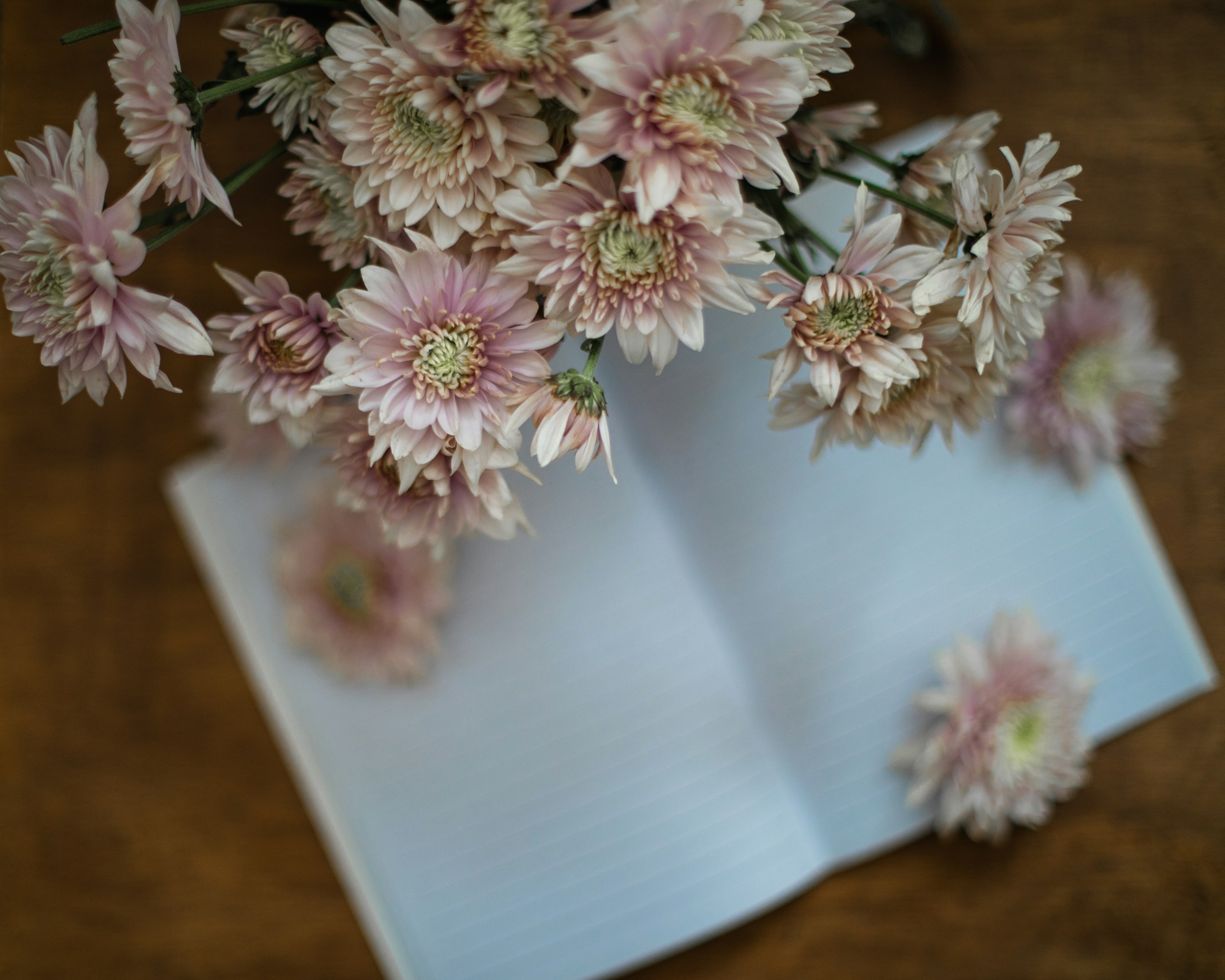
    Journaling in spring has a different flavor than journaling in winter. The reflective, inward mood of January gives way to something lighter and more forward-looking. Windows open, gardens wake up and the year still feels young. If you keep a notebook, or would like to start, the following prompts are built around the season’s two great themes: renewal and letting go. Take one a day, or a few a week, and write for ten minutes without worrying about the result.

    How to Use These Prompts

    There are no rules, but a few habits make journaling easier to keep:

    • Write by hand if you can. It is slower, and slower is the point.
    • Set a timer for ten minutes and keep the pen moving even if you write about having nothing to say.
    • Do not reread as you go, and do not edit.
    • Pair the practice with something pleasant: a cup of tea on the porch, a few minutes in the garden first.

    If writing stirs up difficult feelings that do not settle, consider talking with a counselor. Journaling is a companion to care, not a replacement for it.

    Prompts for Letting Go

    • What did I carry through the winter that I no longer need to carry?
    • Which habit has quietly stopped serving me, and what would it feel like to set it down?
    • Name one worry that has been taking up space. Is it mine to solve this week? If not, where could it rest?
    • What is one belief about myself that was true once but may not be true now?
    • If I cleared one shelf in my mind the way I clear a shelf in spring cleaning, what would go in the donation box?
    • What apology, to myself or someone else, have I been postponing?

    Prompts for Renewal

    • What does the word fresh mean to me this year?
    • Describe a morning this spring that would feel like a gift. Where am I, and what do I notice?
    • What is something I used to love doing that I have not done in a long time? What would it take to do it once this month?
    • Who do I want to spend more time with as the days get longer?
    • What small thing could I plant, literally or figuratively, that would be worth tending all summer?
    • Which part of my daily routine feels most alive right now, and how could I give it a little more room?

    Prompts for Noticing

    Spring is also a season for paying attention. These prompts ask you to look outward:

    • What is blooming within a hundred yards of my front door? Go and check, then write about it.
    • Describe the sounds of a spring morning in as much detail as possible.
    • What smell says spring to me, and what memory does it carry?
    • What is one thing I saw today that I would have missed in a hurry?

    A Gentle Review at Month’s End

    On the last day of March or April, read back over the month’s pages. Do not judge the writing. Look for patterns: a worry that showed up again and again, a wish that kept surfacing, a small joy you had forgotten. Write one short paragraph summarizing what you noticed and one sentence about what you would like to carry into the next month.

    A spring journal does not need to be profound. It is a place to set things down and to catch the season as it goes by. By summer, you will have a record of a few quiet weeks when everything was starting over, including, in small ways, you.
  • Welcoming the Spring Equinox: A Gentle Seasonal Reset

    Welcoming the Spring Equinox: A Gentle Seasonal Reset

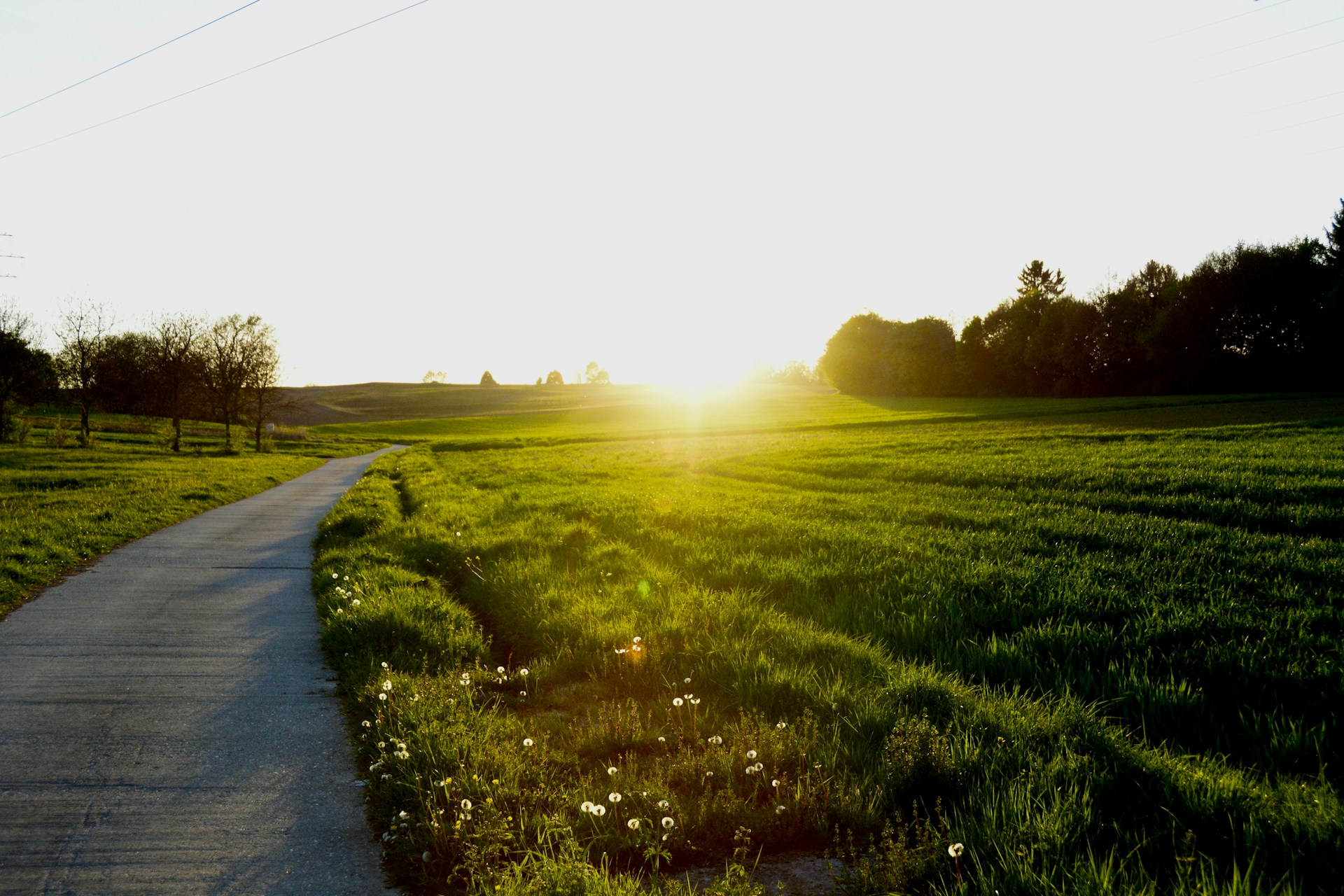
    Around the twentieth of March each year, day and night come close to equal length everywhere on Earth. In the Northern Hemisphere this is the spring equinox, the astronomical start of spring. From here, the days keep stretching until June. For anyone who has felt a little flat through the gray weeks of late winter, the equinox is a natural moment to pause, take stock and begin again.

    What Actually Happens

    The equinox is a moment, not a day. It is the point when the sun sits directly above the equator, so neither hemisphere tilts toward it. The exact date shifts slightly from year to year, usually landing on the nineteenth, twentieth or twenty-first of March. After it passes, our part of the world tilts a little more toward the sun each day, bringing longer evenings and warmer afternoons.

    In Middle Georgia, the change is easy to feel. Redbuds and cherry trees are blooming, the air softens, and the pine pollen is not far behind.

    An Ancient Turning Point

    People have marked this moment for a very long time. Nowruz, the Persian New Year, falls on the spring equinox and is celebrated with house cleaning, fresh clothes and gatherings around a table set with symbolic items. Many ancient monuments, from stone circles in Europe to temples in Central America, were built so that the equinox sun lines up with a particular doorway or stairway. The date of Easter is calculated from the first full moon after the spring equinox.

    The common thread is balance and renewal. The year hangs for a moment at an even point, and then the light wins.

    A Simple Equinox Check-In

    You do not need a ritual to make use of the day, but a short, deliberate pause can feel grounding. Try setting aside twenty minutes with a notebook and a cup of something warm.

    • Look back. What has winter been like for you? What helped you through it?
    • Notice balance. Where does your life feel evenly weighted right now, and where does it tip too far one way?
    • Choose one thing to let go of: a habit, a worry or an obligation that has run its course.
    • Choose one thing to welcome, something small you would like more of as the days lengthen.
    • Pick a first step you could take this week.

    Keep the list short. The point is to notice the turn of the season, not to assign yourself a new set of chores.

    Small Ways to Mark the Day

    Some people like to open every window for an hour and let the house breathe. Others take an evening walk timed to the sunset, which now arrives noticeably later than it did a month ago. A few more ideas:

    • Put a bowl of fresh fruit or a jar of spring branches on the table.
    • Swap one heavy winter item, such as a thick blanket or a dark candle, for something lighter.
    • Cook a meal built around early spring produce such as greens, radishes or strawberries.
    • Set aside a few minutes outside at midday to feel the sun on your face.

    Carrying It Forward

    The equinox is a doorway rather than a destination. The real gift is the three months of lengthening light that follow. If you made a short list, revisit it once a month, perhaps on the first day of April, May and June, and adjust as needed. By the summer solstice, you may be surprised at how far a few gentle intentions, set on a balanced day, have carried you.

  • The Lotus Flower: Symbolism, History and a Season of Renewal

    The Lotus Flower: Symbolism, History and a Season of Renewal

    The lotus, the flower in our name, carries one of the oldest stories in the world. It has been painted on temple walls, carved into stone columns and folded into poems for thousands of years, and it remains a favorite symbol of calm and fresh beginnings. As spring returns to Middle Georgia, it seems like the right time to look at where that reputation comes from.

    A Flower That Rises From the Mud

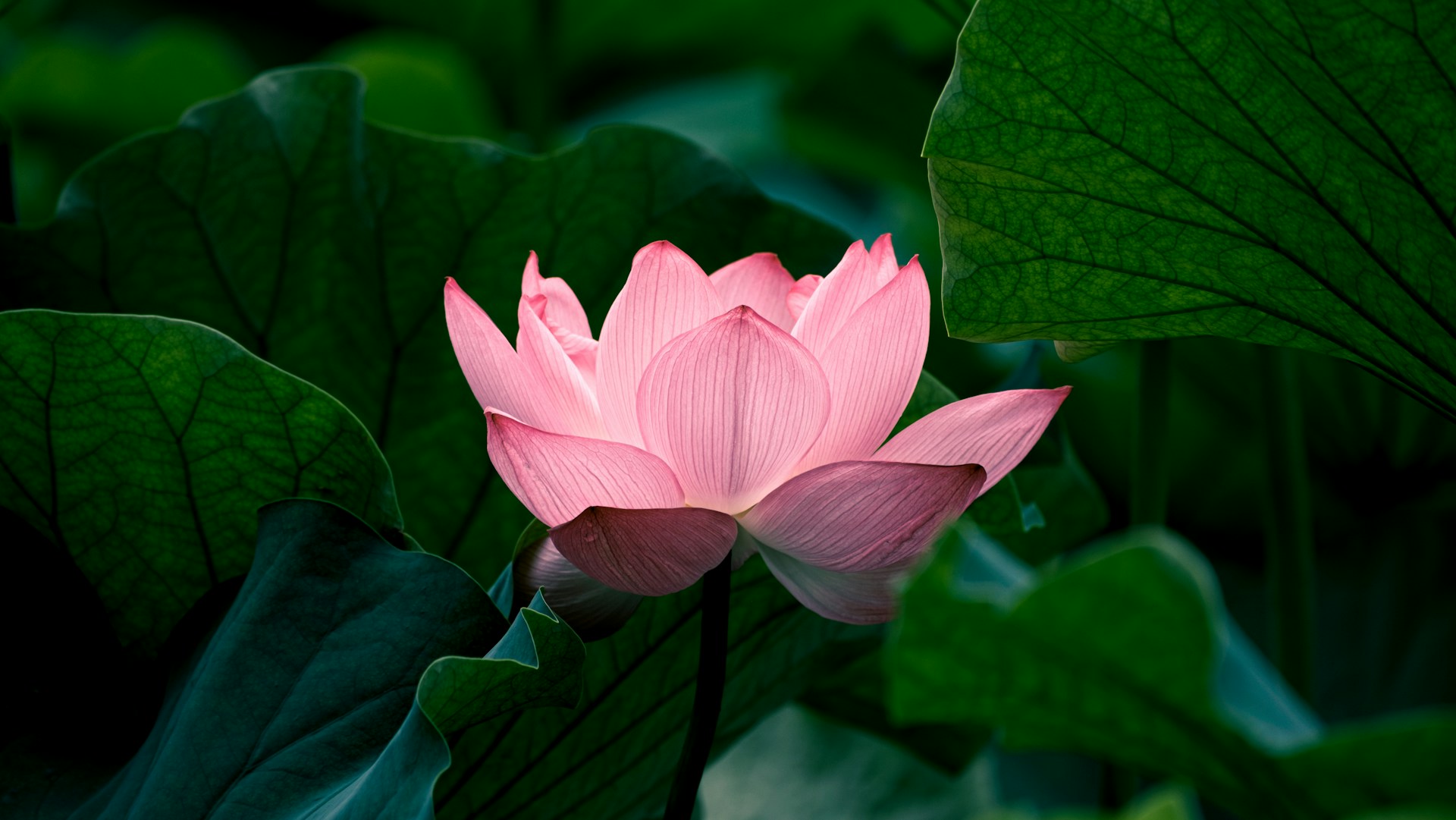
    The sacred lotus, known to botanists as Nelumbo nucifera, is an aquatic plant that roots itself in the mud at the bottom of ponds and slow rivers. Its stems push up through murky water, and its leaves and flowers open in the air above the surface, clean and unstained. That simple fact of botany is the root of nearly all its symbolism. A beautiful thing grows out of the least promising place, and it does so every year.

    The flowers are large and usually pink or white. They open in the morning and close again later in the day, a rhythm that has made the lotus a natural emblem of daily renewal as well as seasonal renewal.

    Sacred Across Cultures

    In India, the lotus is the national flower and appears throughout Hindu art, often as the seat of deities. In Buddhist tradition, it represents purity of heart and the possibility of growth no matter where a person begins. The familiar cross-legged posture used in meditation is still called the lotus position.

    Ancient Egyptians also revered a lotus, though the flower in their art was most likely a water lily rather than the Asian lotus. It opened with the sun and closed at night, and it became linked to the sun and to rebirth. Across East Asia, lotus seeds and roots are everyday foods, and lotus ponds are a cherished feature of summer gardens.

    Two Remarkable Facts

    • Lotus leaves shed water and dirt so effectively that scientists use the term lotus effect to describe self-cleaning surfaces. Droplets bead up and roll off, carrying dust with them.
    • Lotus seeds are famously long-lived. Researchers have germinated seeds recovered from a dry lakebed in China that were many centuries old, which is part of why the plant is so often tied to patience and persistence.

    What the Lotus Can Mean This Spring

    You do not need a pond to borrow something from the lotus. Its story offers a few gentle ideas for the season of renewal:

    • Beginnings can be muddy. A fresh start rarely looks tidy at first.
    • Growth is gradual. The stem rises slowly before the flower appears.
    • Opening and closing is natural. Rest is part of the rhythm, not a failure of it.
    • Something old can still bloom. A long-neglected intention may only need the right season.

    You might write one of these ideas on a card and set it where you will see it in the morning, or simply bring it to mind on a walk when you pass a pond or a patch of fresh green growth.

    Bringing the Lotus Home

    Lotus imagery is easy to weave into a calm corner at home. A single bloom in a photograph, a small ceramic dish shaped like a flower, or a lotus-patterned cushion can serve as a quiet reminder to pause. Some people enjoy a lotus-shaped tea light holder for an evening wind-down.

    If you are lucky enough to find lotus growing in a botanical garden or a park pond, take a few minutes to watch it. Notice the water beading on the leaves and the way the flowers follow the light. It is a small, free moment of beauty, and a reminder that renewal is always on its way.