
Tag: ritual

  • Incense Through the Ages: History and Safe Enjoyment

    Incense Through the Ages: History and Safe Enjoyment

    Incense is among the oldest ways humans have used fragrance. Long before essential oils or perfume bottles, people burned resins, woods, barks and dried herbs and let the smoke carry scent into the air and, they believed, toward the heavens. The practice is found on nearly every continent and remains part of worship, meditation and daily life for hundreds of millions of people. Here is a short history and a guide to enjoying it thoughtfully at home.

    Ancient Smoke

    The word incense comes from the Latin for something burned, and the earliest evidence of its use goes back thousands of years. Ancient Egyptians burned resins such as frankincense and myrrh in temples and made elaborate blends for ceremonies. Frankincense and myrrh were traded across the Arabian Peninsula and East Africa along routes that enriched some of the ancient world’s wealthiest kingdoms, and both appear in Hebrew scripture and later in Christian liturgy.

    In India, incense has been part of religious practice for millennia, and the stick incense most people recognize today, with a bamboo core coated in fragrant paste, developed there. In China, incense accompanied Buddhist and Daoist worship and was used to mark time, with incense clocks burning at a known rate. In Japan, the appreciation of incense became a refined art called kodo, the way of fragrance, in which participants listen to incense, savoring subtle differences between rare woods.

    Forms of Incense

    • Sticks, with or without a bamboo core. The most common and easiest to use.
    • Cones, which burn down to a small pile of ash and release scent more intensely.
    • Coils, which burn for many hours and are common in East Asian temples.
    • Loose resins such as frankincense, myrrh, copal and benzoin, burned on a charcoal disc or an electric heater.
    • Dried herb bundles, used in several traditions around the world.

    Quality varies enormously. Inexpensive incense is often made with synthetic fragrance on a sawdust base, while traditional Japanese and Indian makers use natural woods, resins and herbs. The difference in scent is noticeable, and higher-quality incense usually produces less smoke.

    Enjoying It Safely

    Incense is smoke, and smoke in a closed room is worth taking seriously. A few sensible habits:

    • Burn in a ventilated room with a window open, and keep sessions short. One stick is plenty for most spaces.
    • Use a proper holder with a tray that catches ash, placed on a heat-resistant surface away from anything that can catch.
    • Never leave burning incense unattended, and make sure it is fully out before you leave the room.
    • Keep it away from children and pets, and consider whether smoke is appropriate in a home with birds or other small animals, which are sensitive to air quality.
    • If you have asthma or another breathing concern, talk with your doctor before burning incense, and consider gentler alternatives such as a diffuser.

    We make no health claims about incense. It is enjoyed for its scent and for the quiet ritual of lighting it.

    Incense as a Ritual

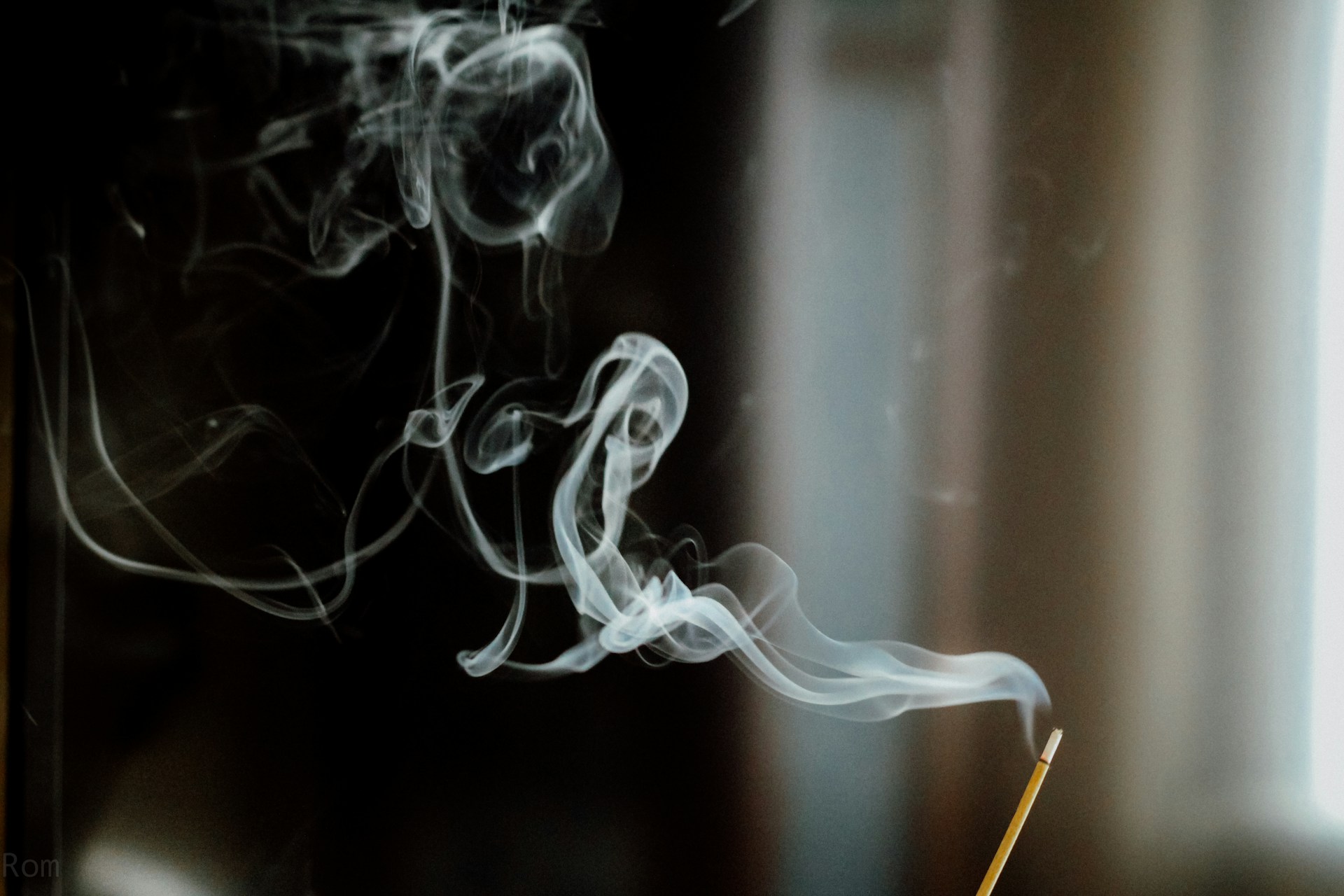
    Part of incense’s lasting appeal is that it takes time. A stick burns for twenty or thirty minutes, and the scent builds slowly. Many people light one at the start of a meditation or journaling session, letting the burn mark the length of the practice as the old incense clocks did. Others burn a little in the evening as a signal that the day is winding down. The smoke itself can be an object of attention: watching it curl and drift is a simple, ancient form of mindfulness.

    On a mild April evening, with the window open and the sounds of the neighborhood drifting in, a single stick of good sandalwood or a pinch of frankincense on a warm coal connects you to one of the longest unbroken traditions in human life.
  • Houseplants and Calm: Your Questions About Easy Indoor Greenery, Answered

    Houseplants and Calm: Your Questions About Easy Indoor Greenery, Answered

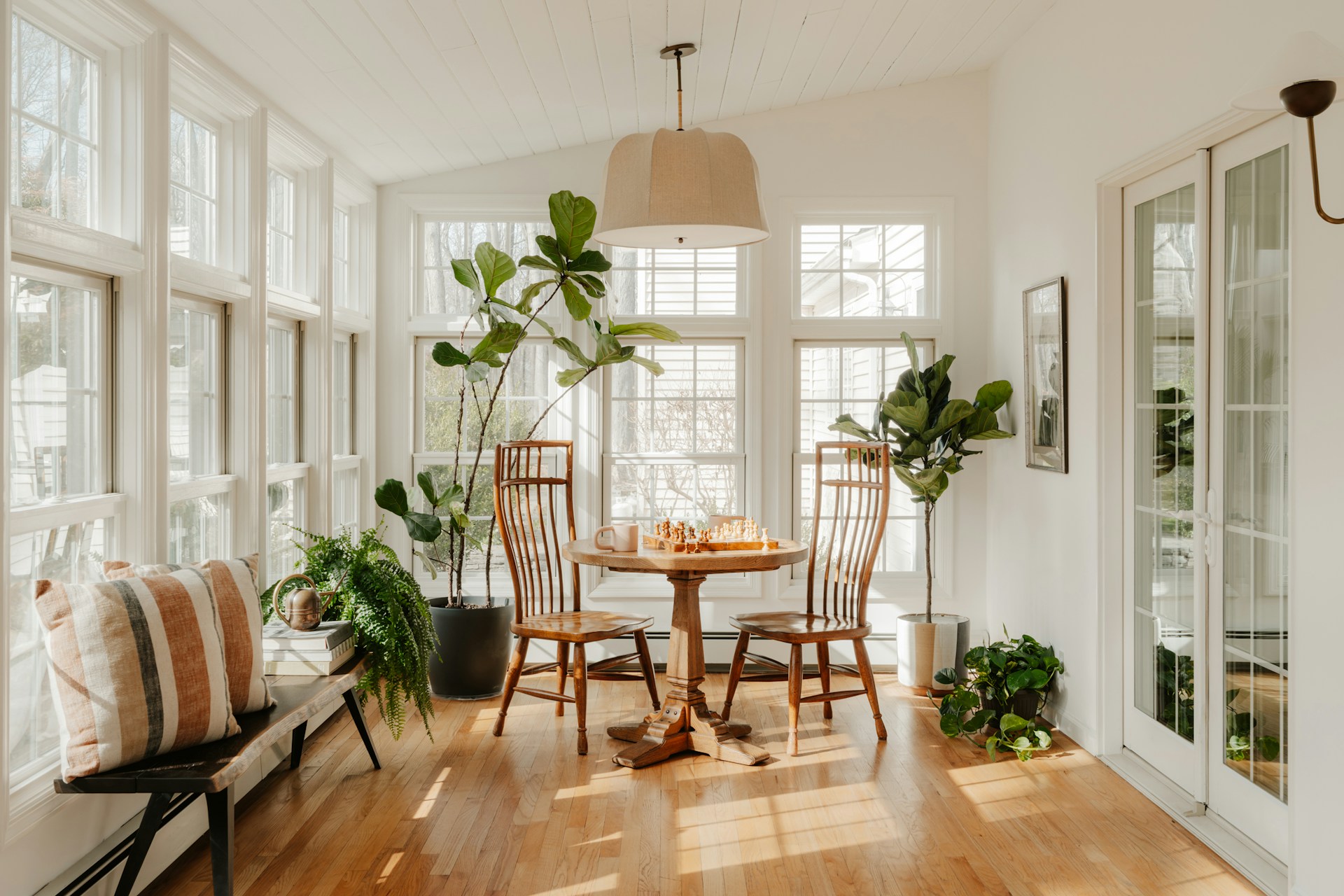
    Houseplants have a way of making a room feel calmer, and spring is the easiest time to start keeping them: light is improving, growth is picking up and nurseries are full. But many people have been burned by a dead fern or a leggy succulent and are wary of trying again. Here are answers to the questions people most often ask about easy indoor greenery. We make no health claims about plants, only the observation that tending something green is a pleasant daily ritual.

    Do houseplants really clean the air?

    This claim is everywhere, and it traces back to a small study done decades ago in sealed chambers. Later research has suggested that in a real home with normal air exchange, you would need an impractical number of plants to make a measurable difference. So, honestly, no, not in any meaningful way. Houseplants are worth having because they are beautiful, because caring for them is satisfying and because a bit of living green changes how a room feels. That is reason enough.

    Which plants are hardest to kill?

    A few are famously forgiving:

    • Snake plant, which tolerates low light and infrequent watering.
    • Pothos, a trailing vine that grows in almost any light and tells you when it is thirsty by drooping slightly.
    • ZZ plant, glossy and slow-growing, happy to be ignored for weeks.
    • Spider plant, which produces baby plants on long stems and is easy to share.
    • Peace lily, which wilts dramatically when dry and recovers within hours of watering.

    Start with one or two of these before moving on to anything fussier.

    How often should I water?

    This is the question behind most dead plants, and the answer is: less often than you think. Overwatering kills far more houseplants than underwatering. Instead of a schedule, check the soil. Push a finger an inch or two in. If it is damp, wait. If it is dry, water thoroughly until it runs out the drainage hole, then empty the saucer. Most of the plants above want to dry out between waterings. In spring and summer, when plants are growing, they drink more; in winter, much less.

    As for light, most houseplants come from forest floors and prefer bright, indirect light, the kind found a few feet back from a sunny window or right beside a north- or east-facing one. Direct afternoon sun through glass can scorch leaves. Very dark corners will slowly starve almost anything, though snake plants and ZZ plants tolerate dimness better than most. If a plant leans or stretches toward the window, it wants more light. Rotate pots a quarter turn each week so growth stays even.

    Are houseplants safe around pets and children?

    Not all of them. Several popular plants, including pothos, peace lily and many true lilies, can cause problems if chewed or eaten. If you have cats, dogs or small children, check each plant before you buy it and keep questionable ones out of reach. Your veterinarian or pediatrician can advise, and the ASPCA maintains a widely used list of plants and their effects on animals. Spider plants and many ferns are generally considered safer choices.

    How do I make plant care feel like a ritual rather than a chore?

    Group your plants so they can be checked in one pass. Pick a regular morning, perhaps Sunday, to walk through with a watering can and a cloth for dusting leaves. Go slowly. Look at each plant, notice new growth, turn the pot, remove a yellow leaf. Ten minutes a week is plenty for a small collection. Many people find this quiet circuit becomes one of the most grounding parts of the weekend, a small act of care that asks for attention and gives back a greener, calmer room.

  • Starting a Small Herb Garden for Fragrance and Calm

    Starting a Small Herb Garden for Fragrance and Calm

    You do not need a yard to grow herbs. A few pots on a sunny windowsill, a railing planter on an apartment balcony or a half-barrel by the back steps is enough. Herbs are forgiving, fragrant and useful, and tending them is one of the most pleasant small rituals a spring can offer. In Middle Georgia, late March and April are a good time to start, once the risk of a hard frost has passed. Check a local extension office or garden center for planting dates in your area.

    Why Herbs

    Herbs reward attention quickly. Brush a hand across rosemary or mint and the scent rises immediately. Snip a few leaves for dinner and you have used something you grew. The plants ask for a little water and a little sun, and in return they give fragrance, flavor and a reason to step outside for a moment every day. For many people, that daily check-in is the whole point.

    Six Easy Herbs to Start With

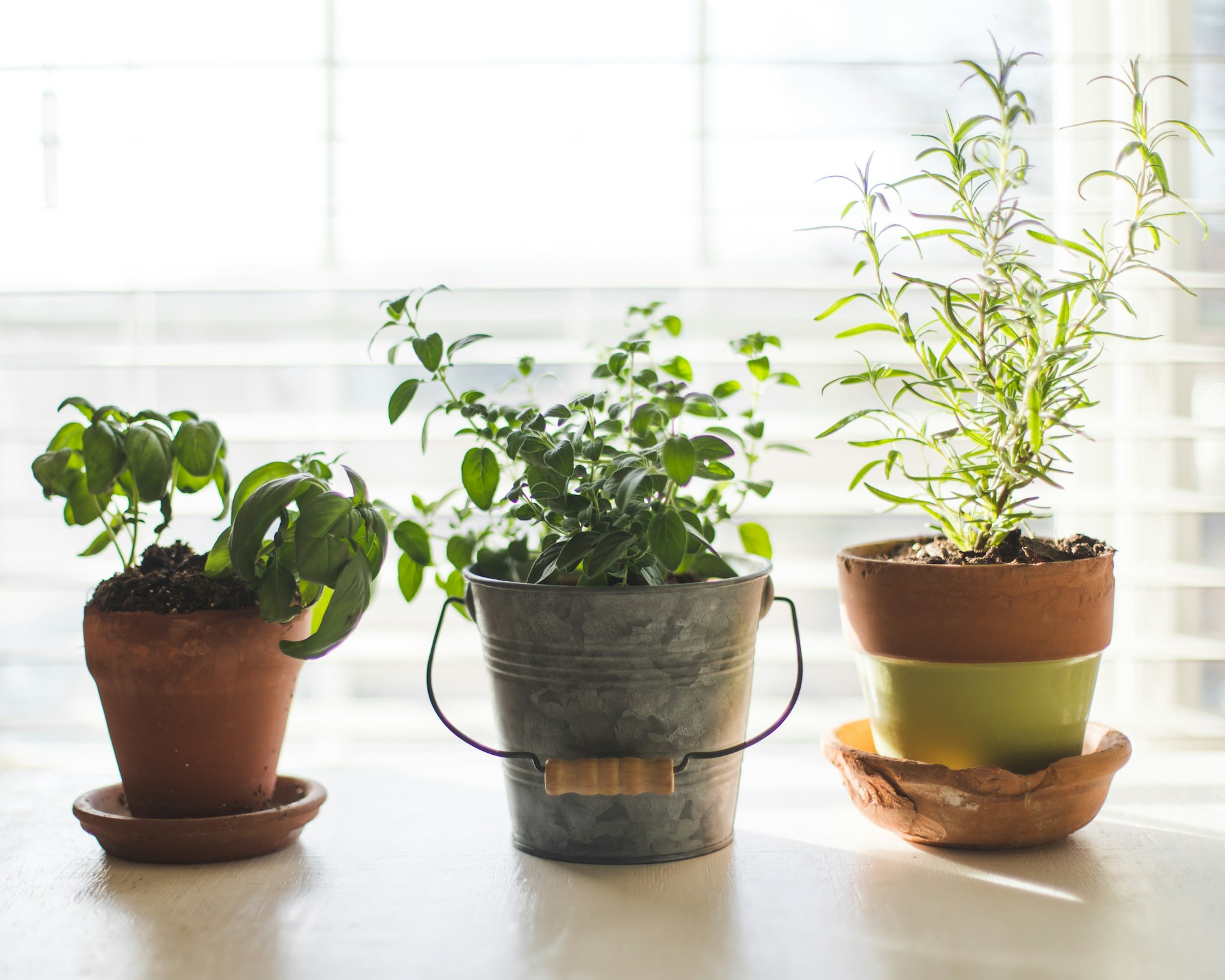
    • Basil loves heat and sun, which makes it a natural for Georgia summers. Pinch the tops to keep it bushy and delay flowering.
    • Rosemary is a woody evergreen that thrives in sun and well-drained soil. It dislikes wet feet, so do not overwater.
    • Mint is vigorous to the point of being pushy. Give it its own pot so it does not take over, and enjoy it in iced tea.
    • Thyme is low-growing and tough. It tolerates dry spells and smells wonderful underfoot.
    • Chives come back year after year and produce pretty purple flowers in spring.
    • Lemon balm, a cousin of mint, has a bright citrus scent and is very easy to grow in a pot.

    Lavender is tempting, but it struggles in humid Southern summers. If you try it, choose a container with excellent drainage and give it the sunniest, airiest spot you have.

    Containers, Soil and Light

    Most herbs want at least six hours of sun. A south- or west-facing spot is usually best. Use pots with drainage holes and a good-quality potting mix rather than garden soil, which compacts in containers. Terra cotta dries out quickly, which rosemary and thyme appreciate; plastic or glazed pots hold moisture longer, which basil and mint prefer. Group pots so you can water them in one pass.

    Daily Care as a Small Ritual

    Herbs need very little, but they like consistency. Each morning, take a minute to check the soil with a finger. Water when the top inch feels dry, less often than you think for rosemary and thyme, a little more for basil and mint in July. Pinch off yellowing leaves. Harvest a few sprigs regularly; cutting encourages new growth. Keep this check-in slow. Smell the leaves, look for new shoots and notice bees visiting the chive flowers.

    Enjoying the Harvest

    Fresh herbs make simple things better: mint and lemon balm in cold water or tea, basil torn over tomatoes, rosemary on roasted vegetables, thyme in soup. Beyond the kitchen, a sprig of rosemary in a bowl of hot water for a facial steam, a bundle of mint hung in the shower or a small vase of herb cuttings on the desk brings fragrance indoors. Dry extra stems by hanging small bundles in a dark, airy place.

    A small herb garden is not a project to complete. It is a quiet companion to the season, growing a little each day while you do the same.

  • The Bath as a Ritual: History, Epsom Salt and Simple Comforts

    A warm bath on a cool February evening is one of life’s simple comforts. But bathing as a ritual of relaxation and community is far older than modern bathtubs. Across cultures and centuries, people have gathered at baths, springs and bathhouses to wash, rest and connect.

    Bathing Through History

    The ancient Romans built enormous public baths, called thermae, where people bathed in pools of different temperatures, exercised and socialized. The city of Bath in England takes its name from the Roman baths built around natural hot springs there, which visitors can still see today.

    Other cultures developed their own bathing traditions. In Japan, onsen, or hot spring baths, have a long history, as does the custom of public bathhouses called sento. In Finland, the sauna is a deep part of national culture. The Turkish hammam, a steam bath tradition, spread across the Ottoman world.

    In the United States, mineral springs became popular destinations in the nineteenth century. Georgia has its own famous example: Warm Springs, where Franklin D. Roosevelt visited and later established a facility for people affected by polio. The Little White House he built there is now a state historic site.

    The Story of Epsom Salt

    Epsom salt takes its name from the town of Epsom in Surrey, England. According to local history, a spring with bitter-tasting water was found there in the early seventeenth century, and it became a popular destination for visitors. The mineral salt found in the water is magnesium sulfate, which is what Epsom salt is today.

    Many people enjoy adding Epsom salt to a warm bath as part of a relaxing ritual. It is widely available and inexpensive. As with any bath product, it is best enjoyed for the experience. If you have health concerns, skin conditions or diabetes, or are pregnant, check with your doctor before adding salts or other products to your bath.

    Creating a Calm Bath Ritual

    A relaxing bath is less about products and more about atmosphere:

    • Tidy the bathroom and clear the edge of the tub.
    • Dim the lights or use battery candles.
    • Run the water comfortably warm, not hot.
    • Add Epsom salt, a gentle bath product or simply plain water.
    • Keep a glass of water nearby.
    • Play soft music or enjoy the quiet.

    A Note on Essential Oils in the Bath

    Essential oils do not mix with water, so drops added directly to the bath may float on the surface and come into concentrated contact with skin. If you want to add scent, many aromatherapy references suggest first mixing a small amount of essential oil with a carrier oil or another dispersing ingredient. Use low amounts, avoid oils known to irritate skin and skip essential oils for children’s baths unless your pediatrician has approved them.

    After the Bath

    Take your time getting out, since a warm bath can leave some people feeling lightheaded. Pat your skin dry and apply moisturizer while skin is still slightly damp. Slip into something cozy and move slowly into the rest of your evening.

    Whether you are soaking in a hot spring or your own tub at home, bathing connects you to one of the oldest relaxation rituals in human history.