Walk down any skincare aisle and you will see products sorted by skin type. Dry, oily, combination, sensitive and normal appear on nearly every label. The categories are useful, but many people are not sure which one applies to them, or they chose one years ago and never revisited it. Spring, when the air in Georgia begins to warm and humidity returns, is a good time to take another look. This is general skincare information; for persistent concerns or a skin condition, see a dermatologist.
What the Types Mean
Skin type is mostly about how much oil, called sebum, your skin produces and how well it holds moisture.
- Dry skin produces less oil. It may feel tight after washing, look a little dull or flaky, and absorb moisturizer quickly.
- Oily skin produces more. It tends to look shiny by midday, especially on the forehead and nose, and makeup may slide.
- Combination skin is oily in some areas, usually the T-zone across the forehead, nose and chin, and normal or dry on the cheeks. It is very common.
- Normal skin sits in the middle: neither tight nor shiny, with few areas of concern.
- Sensitive skin is less a type than a tendency. It reacts easily to products, weather or fabrics with stinging, redness or itch, and it can overlap with any of the others.
A Simple Way to Check
One common method takes about an hour. Wash your face with a gentle cleanser, pat dry and apply nothing. Wait sixty minutes, then look in a mirror in natural light and notice how your skin feels.
- Tight everywhere, maybe flaky: likely dry.
- Shiny everywhere: likely oily.
- Shiny in the T-zone, comfortable on the cheeks: likely combination.
- Comfortable all over: likely normal.
Repeat the check in a different season if you can. Many people are drier in January and oilier in July.
Why It Shifts
Skin type is not fixed for life. Age, climate, hormones, stress, sleep and the products you use all nudge it one way or another. Georgia’s humid summers often make skin feel oilier, while heated indoor air in winter can leave even oily skin feeling tight. A move, a new job with more time outdoors or a change in routine can all show up on your face. If your skin seems to have changed, it probably has, and your products can change with it.
Matching the Basics
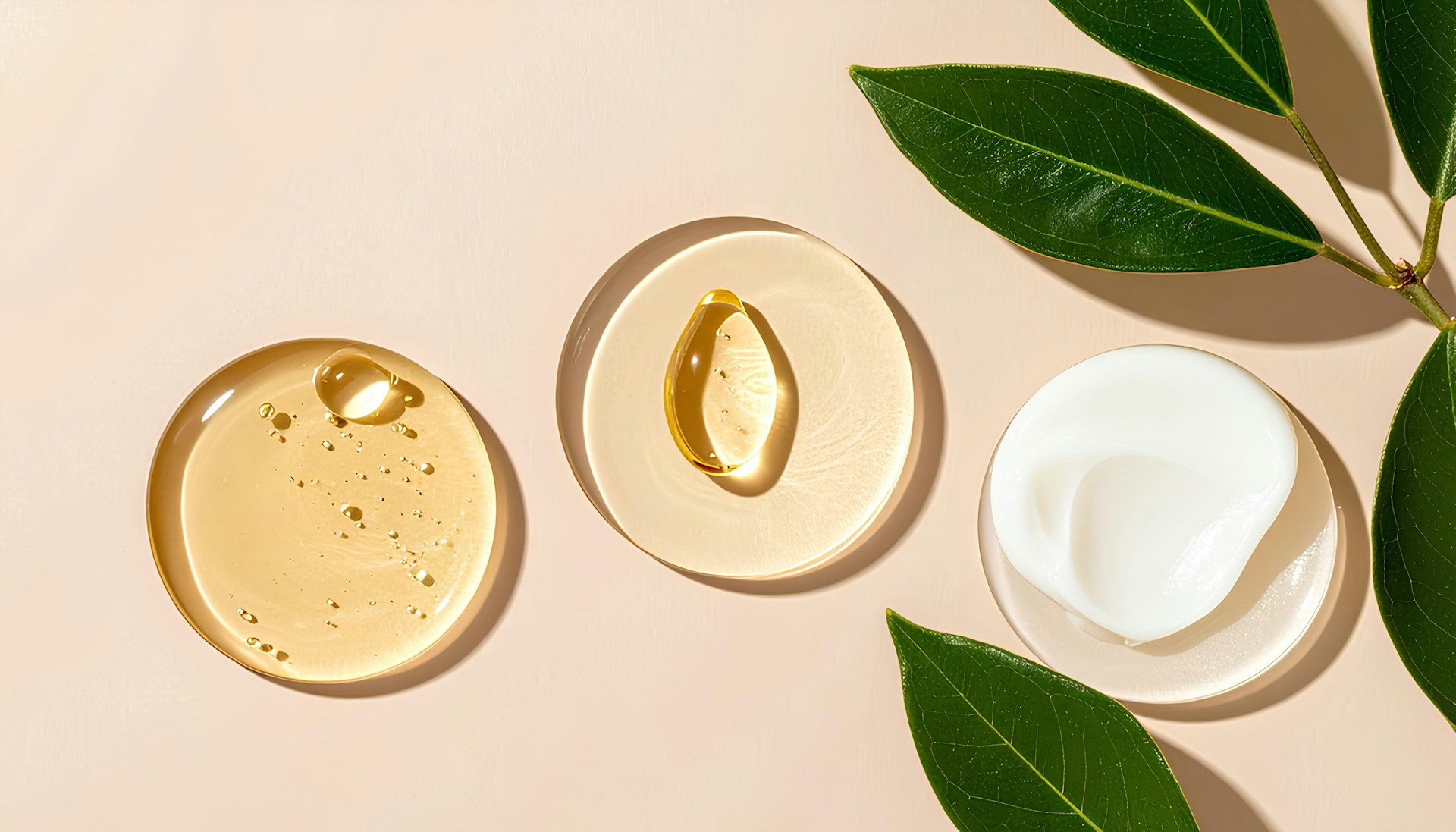
You do not need a complicated routine for any skin type. A gentle cleanser, a moisturizer and daily sunscreen cover the essentials. The variation is in texture:
- Dry skin generally prefers cream cleansers and richer moisturizers.
- Oily skin often feels better with gel or foaming cleansers and lightweight lotions or gels.
- Combination skin may use a lighter product on the T-zone and a richer one on the cheeks, or one middle-weight product all over.
- Sensitive skin tends to do best with fragrance-free products and a short ingredient list, introduced one at a time.
When to Ask a Professional
If your skin stings with most products, breaks out persistently or has patches that do not settle, a dermatologist can help you sort out what is happening. A licensed esthetician can also help you understand your skin type during a facial consultation. Knowing your type is not about labeling yourself. It is simply a way to choose products that feel comfortable, which is the whole point.