
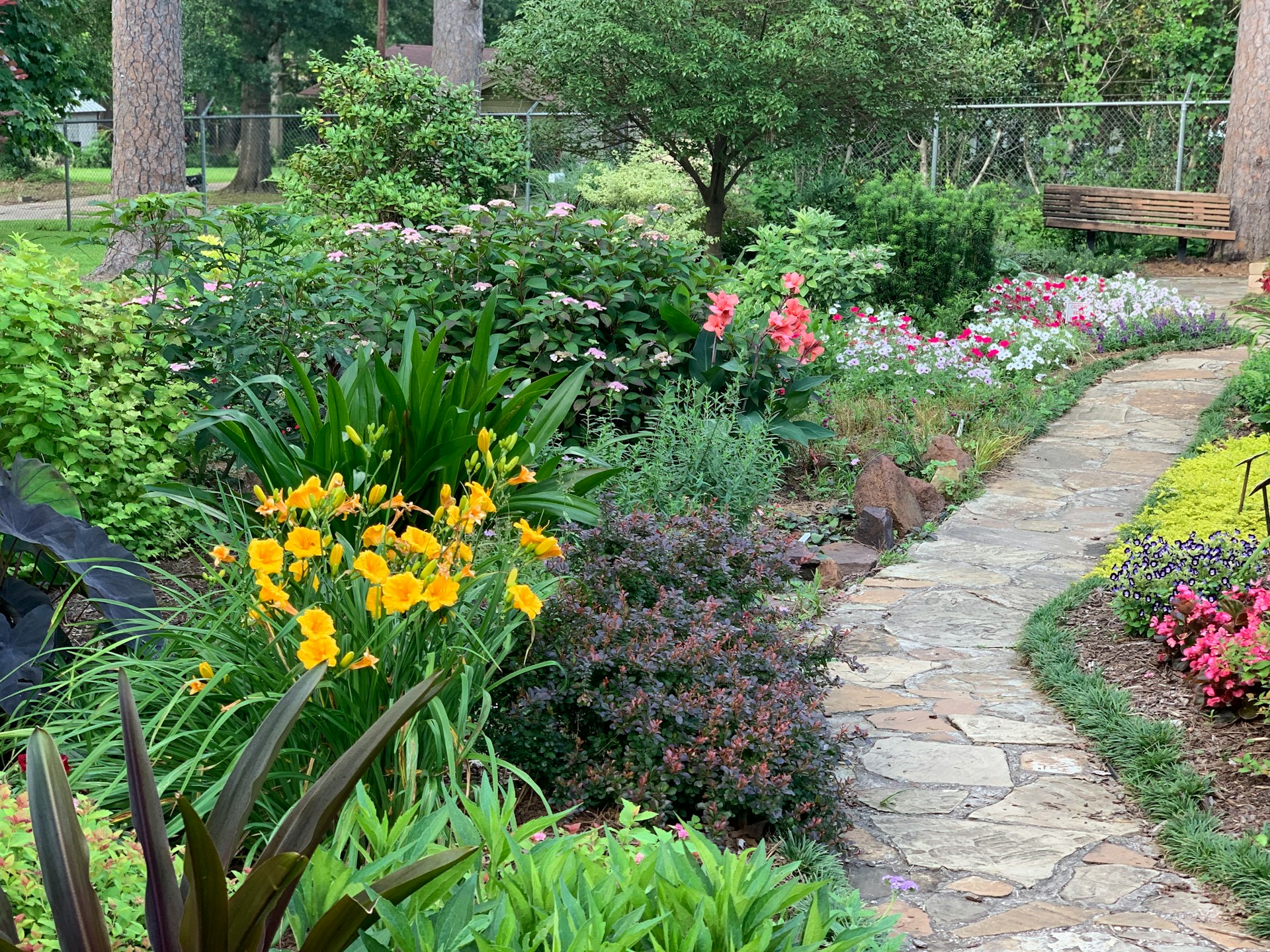
Many people who find sitting meditation difficult discover that walking meditation suits them better. The body has something to do, the mind has a rhythm to follow, and the practice can be done almost anywhere: a hallway, a backyard, a quiet stretch of a park path. Spring, with its mild mornings, is a lovely time to try it.
What It Is
Walking meditation is simply walking with full attention. Instead of letting your mind wander to plans and worries while your feet carry you along, you bring attention to the act of walking itself: the lift of a foot, its movement through the air, the moment it meets the ground. The practice has deep roots in Buddhist traditions, where it is often alternated with periods of seated meditation, but it requires no particular belief.
It is not exercise, and it is not a stroll. The pace is usually much slower than a normal walk, sometimes very slow indeed, though you can adapt it to a normal pace once you are comfortable.
Setting Up
Choose a path of about ten to twenty paces where you can walk back and forth without obstacles or much attention from others. Indoors, a hallway or a clear stretch of living room works. Outdoors, a quiet garden path, a porch or an empty corner of a park is ideal. You can walk barefoot on grass or a clean floor if you like the added sensation, or wear comfortable shoes.
Set aside ten minutes to start. A timer with a gentle chime saves you from checking the clock.
Step by Step
- Stand still at one end of your path. Feel your weight settle into both feet. Take three slow breaths.
- Begin to walk slowly. Notice the heel of one foot lifting, the foot moving forward, the heel and then the toes touching down, and the weight shifting onto it.
- Keep your gaze soft and slightly downward, a few feet ahead, rather than staring at your feet.
- Let your arms hang naturally or clasp your hands loosely in front or behind.
- When you reach the end of your path, stop. Pause for a breath. Turn around slowly, with the same attention, and begin again.
- When your mind wanders, and it will, simply notice where it went and return to the feeling of your feet.
Some people quietly label the parts of each step in their mind: lifting, moving, placing. Others coordinate breath with steps, breathing in for a few steps and out for a few more. Use whatever helps you stay present.
Common Hurdles
Feeling self-conscious is the biggest one. Walking very slowly in public looks a little odd, which is why beginners often practice at home or in a quiet spot. Boredom is another. The practice is deliberately simple, and the restlessness that arises is part of what you are learning to walk with. Balance can feel surprisingly wobbly at slow speeds; that is normal and improves with practice.
Taking It Into Daily Life
Once the slow version feels familiar, you can bring the same attention to ordinary walking at ordinary speed: the walk from the car to the office, a trip down the driveway to the mailbox, a lap around the block at lunch. Those moments add up to a surprising amount of practice in a week. Walking meditation turns time you already spend into time that feels like your own.