
Every spring, for a few weeks, Middle Georgia is dusted in yellow. It coats cars, collects in puddles, streaks the porch and drifts in clouds from the tops of pines on windy mornings. Newcomers are startled. Longtime residents simply wash the car and wait for rain. Here is the story behind the yellow season, where it comes from and why it is both less and more than it appears. This is general information; if you have allergies or breathing concerns, talk with your doctor.
What Pollen Is
Pollen is the fine powder that plants produce to reproduce. Each grain carries the male genetic material of a plant and needs to reach the female part of another flower of the same species. Plants with showy flowers rely on insects and birds to carry it. Plants without them, including most trees and grasses, rely on wind, which is a wasteful courier. To make up for the loss, wind-pollinated plants produce pollen in enormous quantities, and that is what settles on your windshield.
Why Georgia Turns Yellow
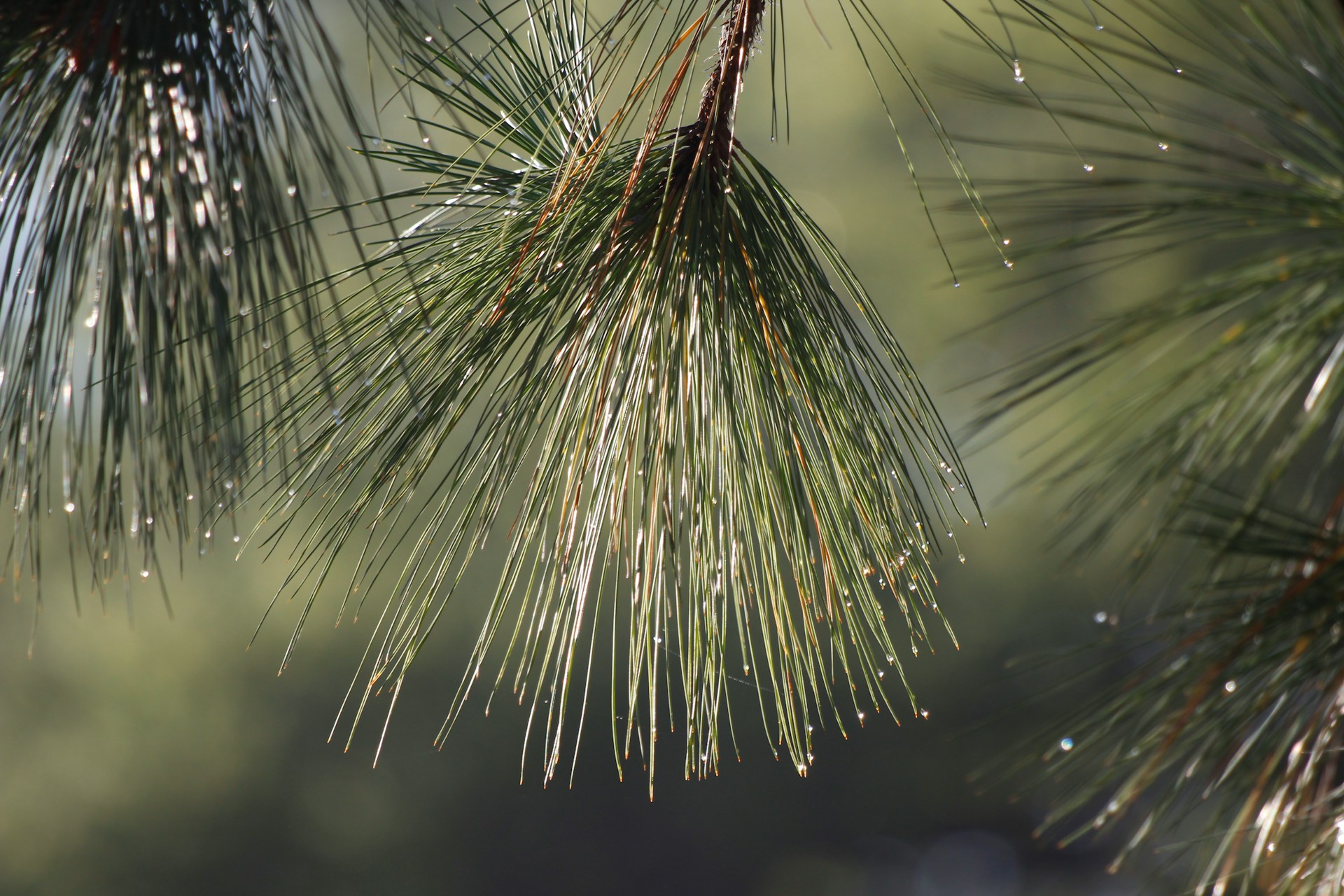
The yellow coating is mostly pine pollen. Georgia is one of the most heavily forested states in the country, and pines dominate much of that forest, especially loblolly pines across the middle of the state. Each tree releases vast quantities of pollen from clusters of small cones over a few weeks in spring, typically from mid-March into April depending on the weather. Pine pollen grains are relatively large and are equipped with two small air sacs that help them float, which is why they are so visible and travel so far.
A warm, dry, breezy day is peak conditions. After a soaking rain, the air clears and the yellow washes into the gutters, only to return as soon as the sun dries the trees again.
The Pollen You Cannot See
Here is the part that surprises many people. Pine pollen, for all its visibility, is only one part of the spring pollen picture. Oaks, which are everywhere in Macon’s older neighborhoods, release pollen at roughly the same time, along with pecans, hickories, birches and others. Their grains are smaller and much less visible. Many sources note that the pollens most often associated with seasonal symptoms are these smaller, less conspicuous ones rather than the dramatic pine dust. If you have questions about what affects you personally, your doctor or an allergist can help; we make no health claims here.
Reading the Pollen Count
Local weather reports and several websites publish daily pollen counts, usually a number representing grains per cubic meter of air sampled over the previous day. Counts are often broken down by type: trees, grasses and weeds. In Georgia, tree pollen dominates in spring, grass pollen rises in late spring and summer, and weed pollen, including ragweed, peaks in late summer and fall. Checking the count is a simple way to plan outdoor time around the heaviest hours.
Living Alongside It
A few habits make the yellow weeks easier for everyone, whether or not pollen bothers you:
- Rinse the car and the porch regularly rather than letting the layer build.
- Favor outdoor time after rain and in the evening when the air is still.
- Keep windows closed on dry, windy mornings.
- Rinse off and change clothes after long stretches outside.
The yellow dust is a sign of a landscape doing what it has done for millions of years. Georgia’s pines are the backbone of its forests, and their pollen is the price of the shade, the birdsong and the scent of warm needles that make summer here what it is. Understanding the season does not make the car any cleaner, but it does make the spring feel a little less like an intrusion and a little more like a rhythm you belong to.